The rapidly evolving landscape of Web3 gaming has reached a significant milestone with the latest updates surrounding Bokurano Saga, an innovative real-time strategy (RTS) blockchain game developed on the Oasys and ADIL Chain networks. Designed to merge traditional competitive strategy mechanics with decentralized finance and non-fungible token (NFT) ownership, the platform has steadily drawn attention from both crypto enthusiasts and mainstream strategy gamers alike. As digital asset integration becomes more sophisticated within the interactive entertainment sector, Bokurano Saga exemplifies how blockchain infrastructure can support complex in-game economies without sacrificing the core user experience that defines modern gaming.

Project Overview and Technical Foundations
Built primarily on the Oasys blockchain—specifically within the MCHverse layer—alongside integration with the ADIL Chain, Bokurano Saga operates natively with the Saga Token. The project was initially slated for a broad rollout through 2024 and 2025, optimized for mobile deployment on both iOS and Android platforms. The game’s core architecture combines real-time tactical combat with player-owned digital assets, utilizing blockchain mechanics to ensure true ownership of in-game items, land parcels, and tactical units.
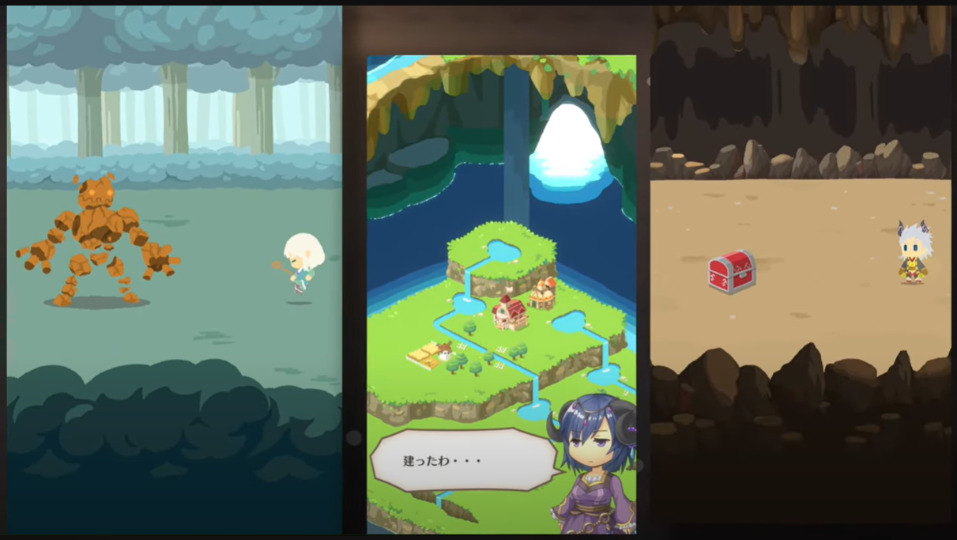
Unlike early iterations of blockchain gaming that prioritized speculative tokenomics over gameplay depth, Bokurano Saga focuses heavily on strategic resource management, territory control, and player-versus-player (PvP) combat loops. By leveraging the high-speed, low-gas fee environment provided by the Oasys gaming-optimized network, developers have established a seamless interface where players can trade assets, upgrade fortifications, and participate in regional conflicts without the prohibitive transaction friction historically associated with decentralized applications.

Chronology and Development Milestones
The trajectory of Bokurano Saga reflects the broader maturation of Web3 gaming infrastructure. Following initial conceptualization and whitepaper releases in late 2023, the development team focused heavily on community building and foundational smart contract deployment. Early alpha and beta testing phases allowed early adopters to test land-owning mechanics, tactical unit deployment, and marketplace trading features.
Throughout 2024 and heading into the official 2025 commercial launch window, the project introduced several critical upgrades. These included the implementation of advanced matchmaking algorithms, refined guild mechanics, and cross-chain liquidity features designed to stabilize the in-game economy. By establishing a structured roadmap that prioritized core gameplay functionality before aggressive token expansion, the project successfully avoided the rapid boom-and-bust cycles that plagued earlier GameFi titles.
NFT Marketplace Dynamics and Asset Utility
One of the defining features of Bokurano Saga is its robust NFT marketplace, where players can buy, sell, and trade a wide array of in-game assets. These include defensive fortifications, tactical units, resource-generating structures, and land parcels located across various regional maps.
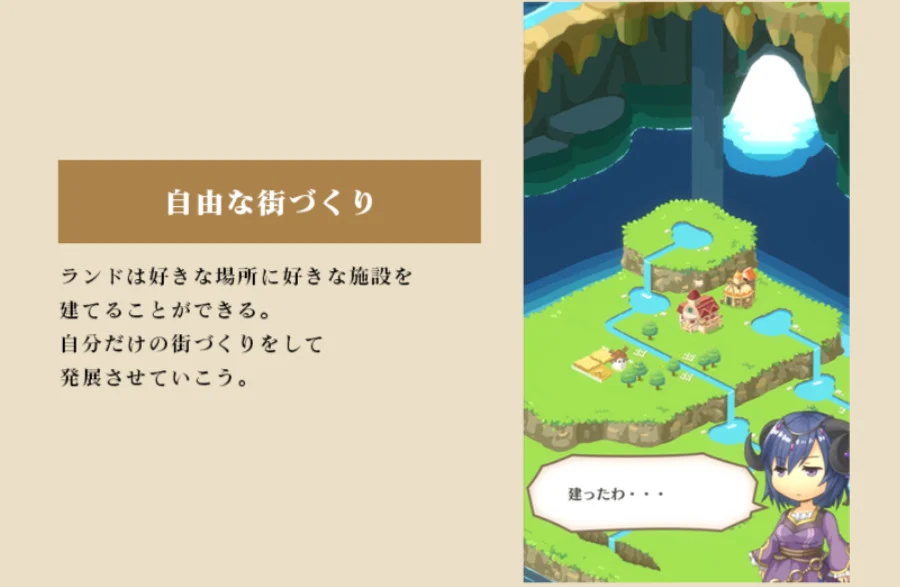
Land ownership within the game functions as a cornerstone of the economy. Landholders collect taxes, manage resource production facilities, and govern specific territories. This structure creates a dynamic real estate market where strategic positioning directly correlates with economic yield. Players who own prime land can upgrade their infrastructure to attract other players, fostering a feudal-like ecosystem of alliances, trade agreements, and territorial warfare.
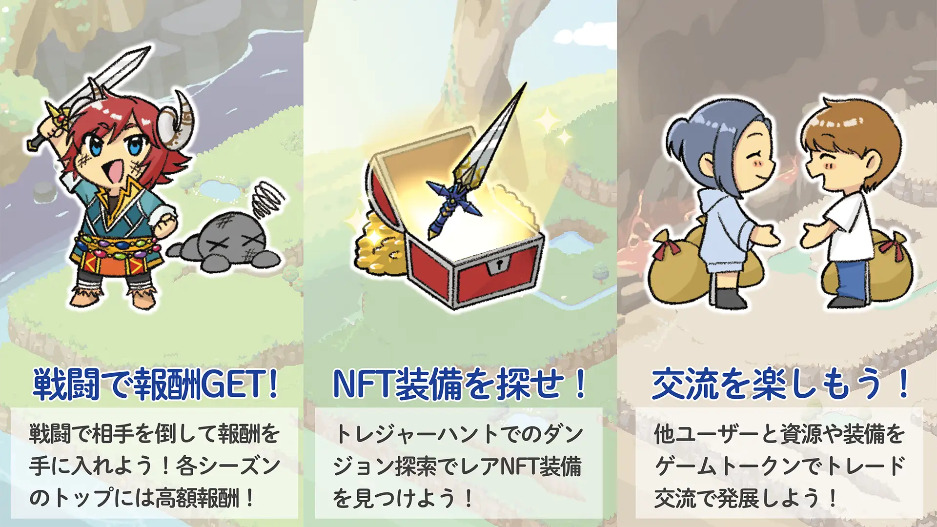
Furthermore, the game utilizes a sophisticated equipment and upgrade system. Tactical units and defensive structures are not static; they require continuous maintenance, resource allocation, and strategic deployment. By integrating NFTs directly into these operational loops, Bokurano Saga ensures that digital assets retain utility beyond mere speculation, grounding their value in active gameplay participation.
Economic Model and Sustainability Analysis
The economic sustainability of Bokurano Saga is anchored by a dual-token and utility-driven asset framework designed to mitigate inflationary pressures. Traditional Play-to-Earn (P2E) models often suffered from hyper-inflationary token structures when player acquisition slowed down. To counteract this, the developers implemented a deflationary sink mechanism wherein a percentage of tokens used for upgrades, land purchases, and marketplace fees are permanently burned or locked into smart contracts.

Market analysts have noted that this approach represents a significant evolution in tokenomics design. By aligning token utility directly with in-game progression and competitive necessity, the ecosystem encourages long-term player retention rather than short-term extraction. The integration of the Saga Token as the primary medium of exchange ensures that active participants are rewarded for their strategic contributions, creating a self-sustaining virtual economy.
Strategic Implications for the Web3 Gaming Sector
The continued development and refinement of Bokurano Saga offer broader implications for the blockchain gaming industry at large. As consumer expectations shift away from purely speculative projects toward high-fidelity interactive entertainment, titles that successfully bridge the gap between traditional gaming mechanics and decentralized ownership are positioned to capture significant market share.

Industry observers suggest that the game’s success on specialized gaming blockchains like Oasys demonstrates the viability of application-specific layer-2 networks. By isolating gaming traffic from general-purpose decentralized finance protocols, developers can deliver smoother, more reliable user experiences that rival traditional mobile games.
As Bokurano Saga continues to expand its feature set and onboard new cohorts of players through 2026, it serves as a case study for sustainable Web3 game design. The balance between accessible gameplay, robust digital property rights, and deflationary economic structures suggests a maturing paradigm for blockchain integration in interactive entertainment—one where technology enhances, rather than overshadows, the core gaming experience.