The rapid expansion of the Web3 ecosystem has brought about unprecedented opportunities for decentralized finance and digital asset ownership, but it has simultaneously introduced sophisticated security challenges for users. One of the most pervasive threats in the current landscape involves malicious actors exploiting the "token approval" mechanism, a fundamental feature of smart contracts on networks like Ethereum and the BNB Chain. As decentralized applications (dApps) continue to proliferate, users must transition from passive participants to proactive defenders of their digital wallets to avoid becoming victims of asset drainage.

The Mechanics of Token Approval Exploits
At the heart of the issue is the ERC-20 token standard, which requires users to grant "allowances" to smart contracts to spend tokens on their behalf. This function is essential for the seamless operation of decentralized exchanges (DEXs) and lending protocols. However, malicious actors have developed deceptive techniques to trick users into signing transactions that grant unlimited or excessive spending permissions to unauthorized smart contracts.
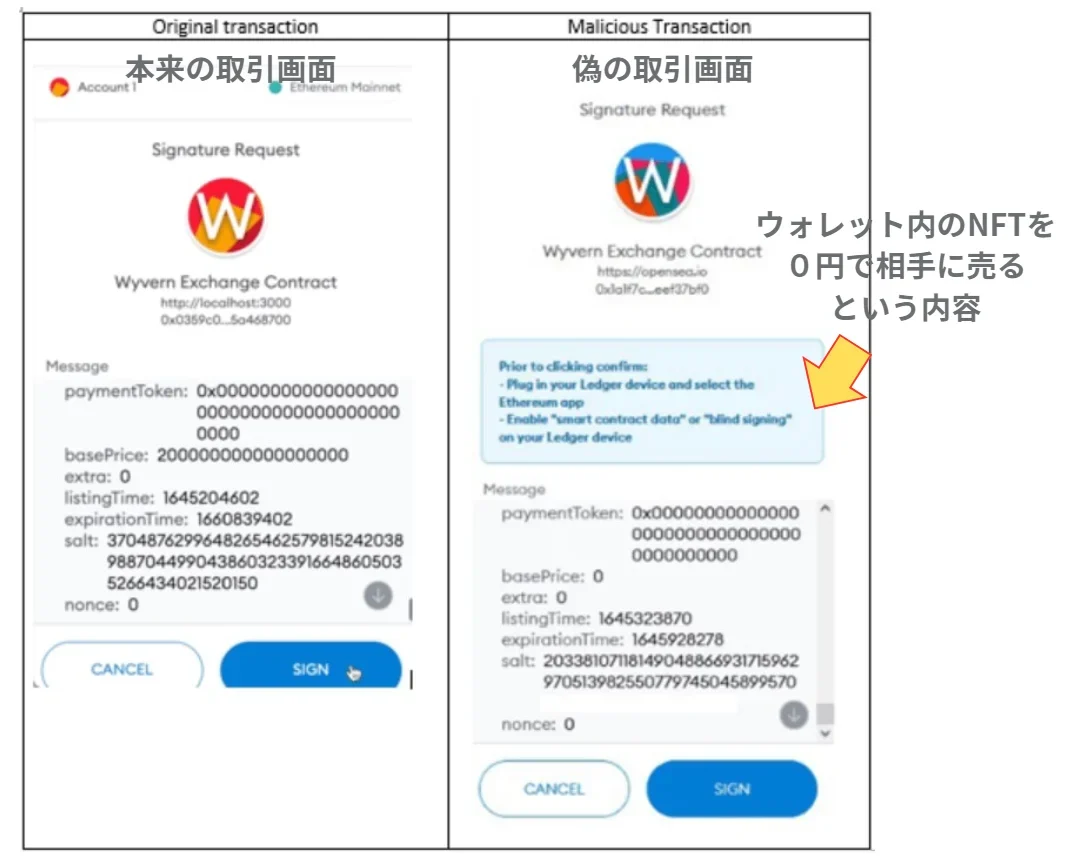
When a user interacts with a phishing site or a compromised dApp, they may be prompted to sign a transaction that appears legitimate but in reality authorizes a malicious contract to move funds out of their wallet. Unlike a standard transfer, which happens once, an "approval" is a standing permission. Once granted, the attacker can drain the user’s wallet at any time without further authorization. This explains why victims often find their assets missing hours or even days after they thought they were safe, following a seemingly innocuous interaction with a malicious platform.

A Chronology of Increasing Risk
The rise of wallet-draining services has mirrored the growth of the NFT market and DeFi liquidity pools. Throughout late 2022 and 2023, security researchers observed a spike in "malicious permit" signatures. Attackers began utilizing sophisticated social engineering, such as fake NFT airdrops or fraudulent high-yield staking opportunities, to lure users into connecting their wallets to malicious front-ends.
Once connected, the attackers leverage the "Permit" or "SetApprovalForAll" functions. By bypassing the traditional two-step approval process, attackers can harvest signatures that authorize the movement of assets. Data from blockchain security firms indicates that millions of dollars in digital assets are lost monthly due to these unauthorized approvals, with recovery rates remaining extremely low due to the irreversible nature of blockchain transactions.

Supporting Data and Vulnerability Analysis
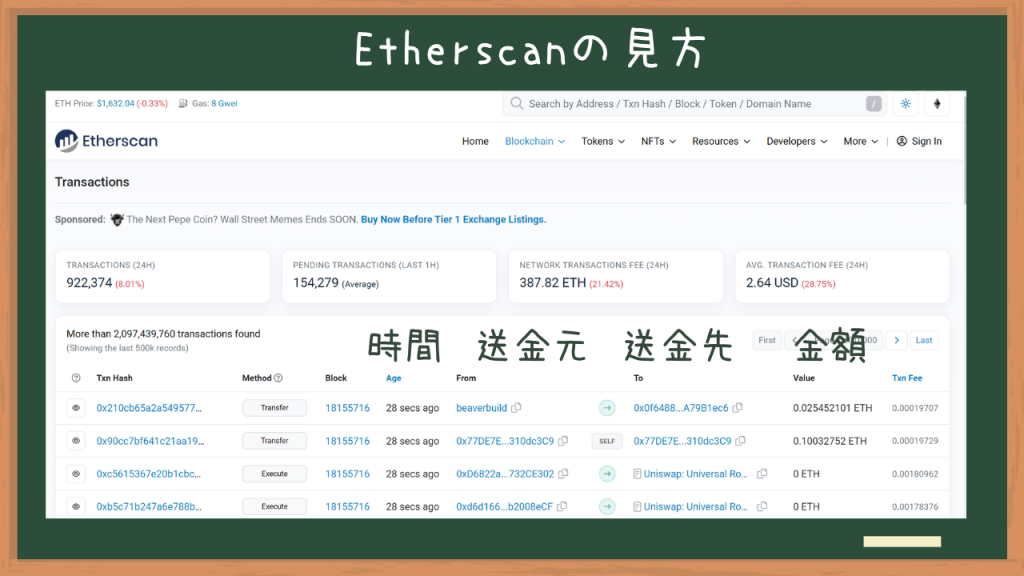
Blockchain explorers like Etherscan and BscScan provide a window into the extent of these vulnerabilities. Users can view their active token approvals by navigating to the "Token Approvals" tab on these platforms. Analysis reveals that a significant portion of long-term crypto users have dozens of legacy approvals linked to defunct or insecure projects.
Every active approval acts as a potential backdoor. If a contract is hacked or intentionally designed with a malicious back-end, it retains the power to execute a transfer function on the user’s behalf. Statistically, the largest losses occur when users interact with "clone" sites that mimic popular platforms like OpenSea, Uniswap, or MetaMask. These sites often use identical UI/UX designs to deceive users into believing they are interacting with legitimate protocols.

Mitigating Risk: The Role of Revocation
The primary defense against token approval exploits is the proactive use of "Revoke" tools. A revocation transaction effectively resets the spending limit for a specific contract to zero, nullifying any previously granted permissions.
To protect their assets, users should follow a rigorous security protocol:

- Periodic Audits: Regularly check all connected addresses using reputable token approval managers.
- Use Specialized Tools: Platforms such as Revoke.cash or Kekkai provide dashboards that allow users to view and cancel active approvals across multiple EVM-compatible chains.
- Prioritize Disconnection: After finishing a session on any dApp, users should ensure they have disconnected their wallet from the site’s interface.
- Hardware Wallets: For significant asset holdings, cold storage is non-negotiable. Hardware wallets add a layer of physical confirmation that makes remote exploitation significantly more difficult for attackers.
Official Responses and Industry Implications
Leading infrastructure providers and security organizations have begun to integrate warnings directly into browser extensions and wallet interfaces. MetaMask and other self-custodial wallets are increasingly flagging suspicious transactions, but they cannot prevent users from signing a transaction they believe to be legitimate.
Industry experts argue that the burden of security should not rest solely on the user. There is a growing push toward "account abstraction," a technological evolution that would allow for more granular control over transaction permissions, such as setting spending limits or requiring multi-signature authorization for high-value transfers. Until such standards are universally adopted, the responsibility remains with the user to verify the legitimacy of every smart contract address they interact with.
Implications for the Future of Web3
The persistence of token approval scams poses a systemic risk to the adoption of Web3. When high-profile thefts occur, they erode institutional and retail trust in the entire ecosystem. The "Wild West" nature of decentralized finance, characterized by a lack of central authority to reverse fraudulent transactions, requires a shift in user education.
Users are encouraged to treat their wallet addresses like a bank account, maintaining "burner" wallets for new or unverified projects and keeping the majority of their assets in a "vault" wallet that rarely interacts with external contracts. This segmentation is the most effective defense strategy against the growing threat of malicious smart contract interactions.

Summary of Best Practices for Digital Asset Security
To safeguard against the evolving threat landscape, participants must adopt a "zero-trust" mentality. Never sign a transaction from a direct message or an unsolicited pop-up. Even if an offer seems legitimate, always verify the URL of the platform. If a site requests a "SetApprovalForAll" or an unlimited token allowance, treat it as a high-risk event and refuse the transaction unless the protocol is widely recognized and audited by reputable security firms.
By maintaining awareness of active permissions and utilizing revocation tools as a routine maintenance task, users can significantly reduce their exposure. The evolution of Web3 security will continue to be a cat-and-mouse game between malicious actors and the development community; however, through diligent monitoring and the adoption of modern security tools, users can navigate the decentralized landscape with greater confidence and protection.