Dark Machine stands at the vanguard of a new paradigm in interactive entertainment, merging high-octane, fast-paced third-person shooter (TPS) mechanics with decentralized blockchain infrastructure. Designed for modern competitive gamers and Web3 enthusiasts alike, the title leverages high-performance layer-2 scaling solutions—specifically targeting rapid transaction throughput between 3 and 7 milliseconds—to deliver a seamless, lag-free competitive arena. With cross-platform availability spanning PC, iOS, and Android devices, Dark Machine is structured from the ground up to capture the expanding global market for decentralized electronic sports (eSports).
Core Game Mechanics and Strategic Depth
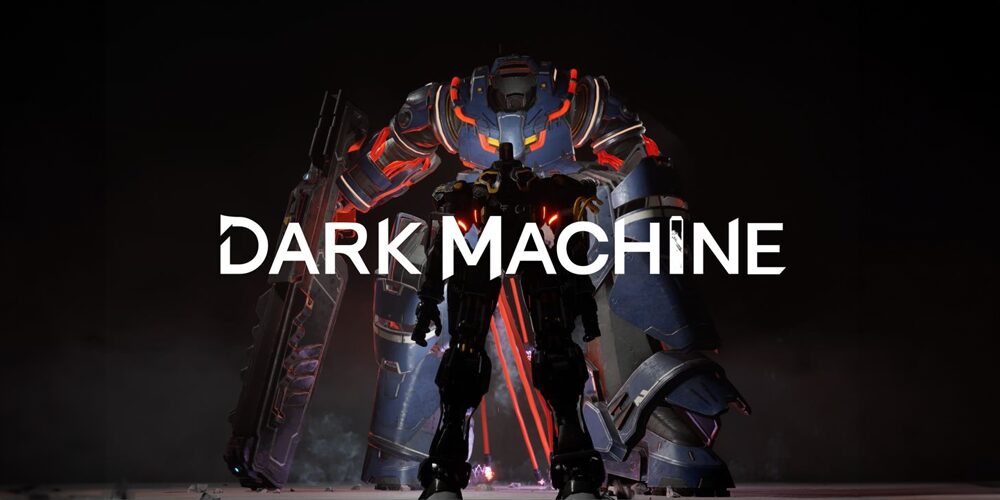
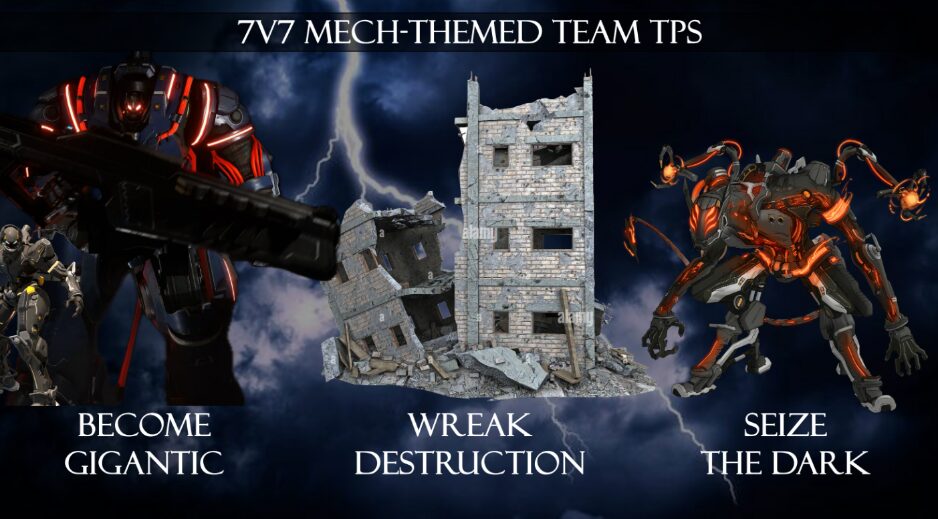
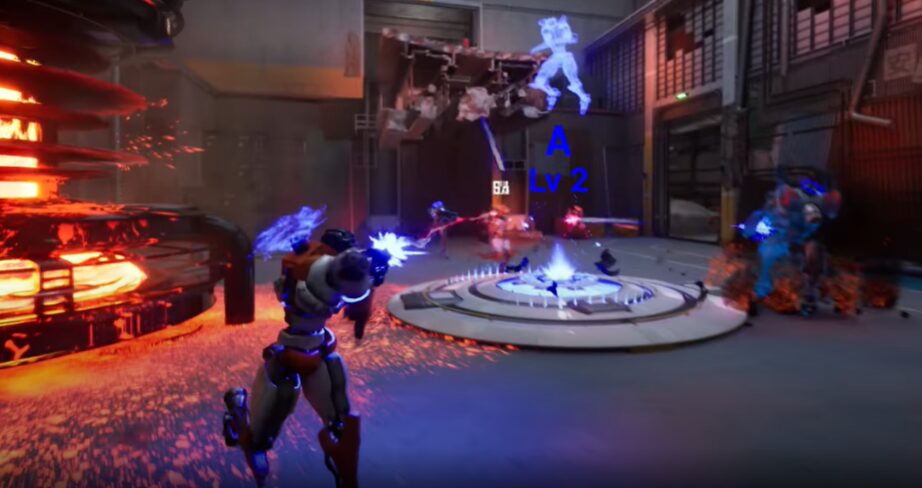
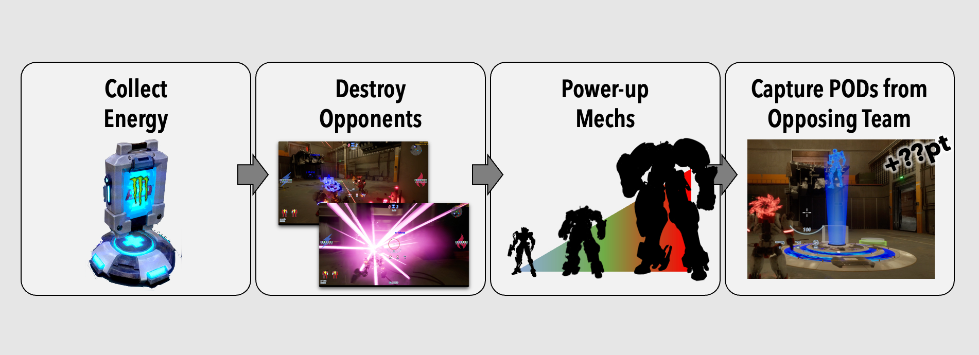
At its core, Dark Machine is a tactical TPS mecha shooter where players command heavily armored, customizable mechanical units in high-stakes competitive matches. The gameplay emphasizes precise positioning, rapid reflexes, and advanced resource management. Unlike traditional shooters where mechanics are restricted by centralized server architectures, Dark Machine integrates player-owned assets directly into the core gameplay loop.
Players can customize their mechas using a wide array of modular components, weapons, and aesthetic skins acquired through gameplay progression, competitive tournaments, or decentralized marketplaces. This depth of customization not only enhances personal expression within the virtual battlefield but also introduces tangible economic utility. Every component, weapon upgrade, and rare mecha chassis functions as an on-chain digital asset, ensuring true digital ownership and verifiable scarcity.
Chronology and Development Roadmap
The development trajectory of Dark Machine reflects the maturation of Web3 gaming infrastructure. Conceptualized by a multidisciplinary team of veteran game developers and blockchain architects, the project progressed through rigorous pre-alpha and closed-beta testing phases throughout 2023 and 2024.
- Q1 2023 – Q3 2023: Initial concept design, core engine development utilizing modern rendering pipelines, and preliminary tokenomics architecture.
- Q4 2023 – Q2 2024: Closed alpha testing involving selected Web3 gaming guilds, initial NFT mecha chassis sales, and infrastructure integration with Immutable zkEVM.
- Q3 2024 – Q4 2024: Public beta rollout, implementation of cross-platform matchmaking across PC and mobile devices, and the introduction of the native token ecosystem.
- 2025 and Beyond: Full commercial launch, expansion of global eSports leagues, decentralized governance integration, and continuous content updates introducing new mecha classes and battle arenas.
Technological Architecture: Immutable zkEVM and Sui Integration
A critical bottleneck for early blockchain games has been network congestion, high gas fees, and sluggish transaction confirmation times. Dark Machine addresses these challenges by partnering with industry-leading scaling solutions, notably Immutable zkEVM and the Sui network.
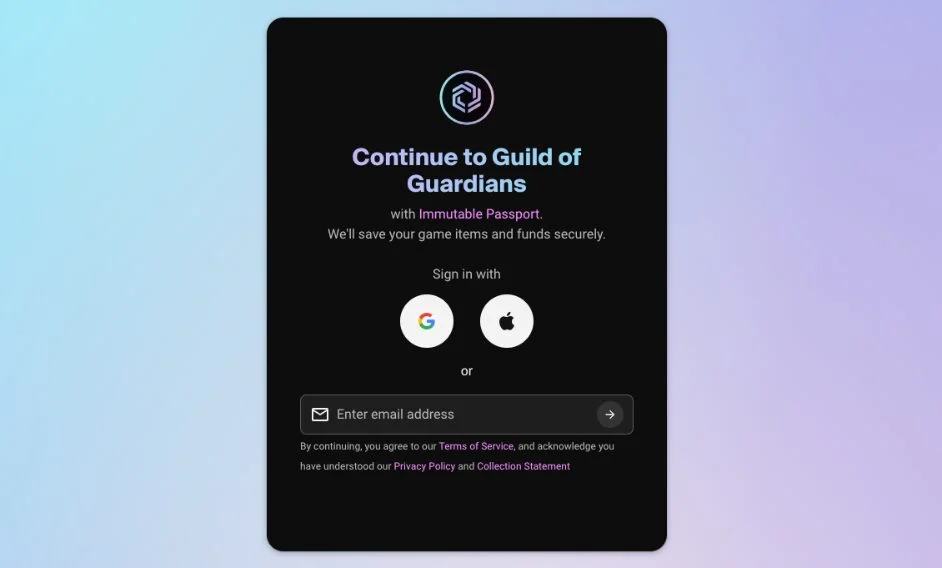
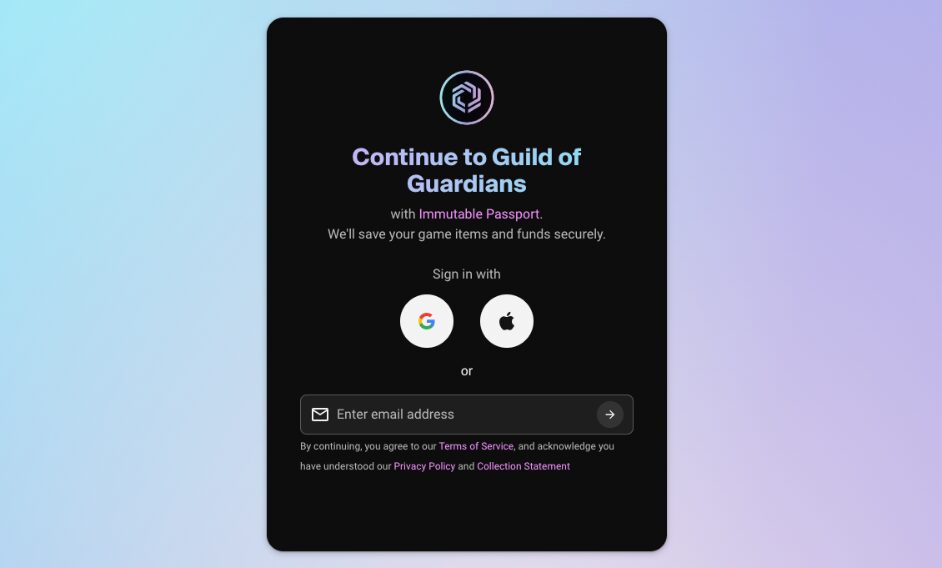
By utilizing Immutable zkEVM, Dark Machine ensures gas-free minting and trading for players, significantly lowering the barrier to entry for mainstream gamers who may be unfamiliar with traditional cryptocurrency wallets. The integration of Immutable Passport allows users to create decentralized accounts seamlessly using familiar Web2 credentials such as Google and Apple ID. This frictionless onboarding process eliminates the complexities of seed phrases while maintaining top-tier cryptographic security and self-custody options.
Furthermore, the dual-chain strategy enables optimized asset management. In-game transactions, marketplace trades, and tournament rewards execute instantaneously without compromising security or decentralization. This technical robustness supports high-frequency trading of digital assets, allowing a liquid, player-driven economy to thrive without artificial friction.
Tokenomics: $MXNA and DEMAX Ecosystem
The economic framework of Dark Machine is anchored by its native utility token, $MXNA (Machina), supported by the DEMAX decentralized exchange infrastructure. $MXNA serves as the primary medium of exchange within the game’s ecosystem, facilitating transactions for rare components, upgrades, tournament entry fees, and marketplace liquidity provision.
To maintain long-term economic sustainability, the tokenomics model incorporates deflationary mechanisms, including token burn events tied to in-game crafting and marketplace fees. Players who actively participate in ranked matches, community governance, and eSports tournaments are rewarded with $MXNA, creating a sustainable play-and-earn ecosystem rather than a speculative, short-lived incentive model.
Liquidity pools for $MXNA are established across major decentralized exchanges and integrated wallets, such as Bitget Wallet, ensuring that participants can easily convert their earned assets or acquire tokens for in-game progression. The integration with established liquidity providers mitigates extreme price volatility, fostering a stable economic environment suitable for competitive eSports organizations and casual players alike.
eSports Integration and Industry Partnerships
Dark Machine is deliberately engineered to bridge the gap between traditional competitive gaming and blockchain-backed eSports. The developers have established strategic partnerships with prominent gaming guilds, esports organizations, and venture capital firms specializing in Web3 infrastructure, including META-X and various global gaming syndicates.
These partnerships facilitate the organization of structured global tournaments, professional leagues, and broadcast events on mainstream platforms like YouTube and Twitch. By supporting 1v1 duels, squad-based skirmishes, and large-scale faction wars, Dark Machine provides a fertile ground for professional esports teams looking to diversify their competitive rosters into blockchain titles.
Industry analysts note that Dark Machine’s focus on broadcast-friendly spectator modes—featuring dynamic camera angles, real-time telemetry overlays, and integrated betting or fan-engagement tools—positions the game favorably against established Web2 esports titans. The involvement of seasoned industry advisors with backgrounds in major gaming studios like Cygames underscores the production quality and market viability of the project.

Analysis of Implications and Market Outlook
The launch of Dark Machine arrives at a critical juncture for the blockchain gaming sector. As the industry moves away from hyper-financialized speculative models toward high-fidelity gameplay experiences, titles that prioritize mechanical depth alongside player ownership are capturing significant market share.
By successfully integrating zero-knowledge scaling solutions, cross-platform accessibility, and robust esports support, Dark Machine demonstrates that Web3 games can rival traditional AAA titles in terms of performance and player retention. However, long-term success will depend heavily on consistent content updates, balance patches for competitive mecha classes, and the sustained expansion of its global player base.
Ultimately, Dark Machine exemplifies the evolution of digital ownership in gaming. By empowering players with true control over their in-game assets, verifiable scarcity, and direct economic participation in competitive leagues, the project sets a new benchmark for what decentralized entertainment can achieve in the modern digital economy.