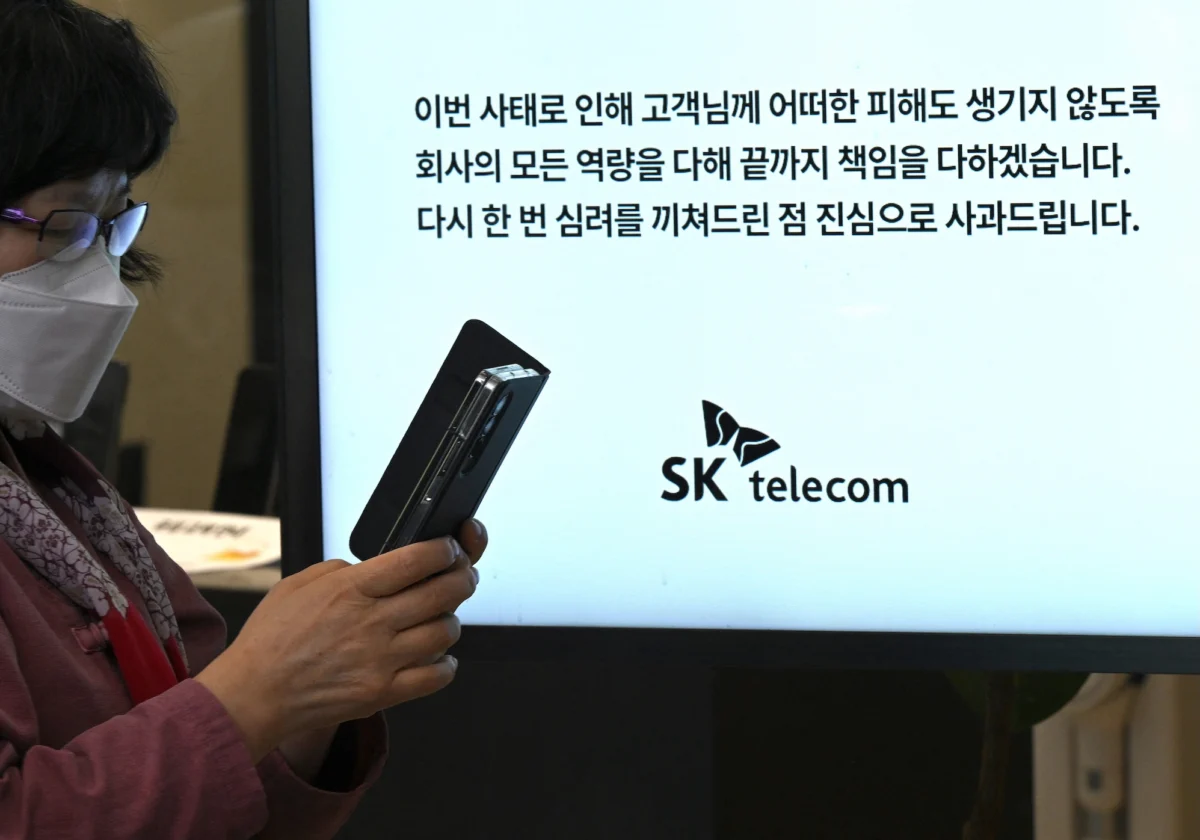
South Korea stands globally renowned as a digital titan, defined by blazing-fast internet speeds, near-universal broadband penetration, and an economy anchored by international technology giants such as Samsung, LG, and Hyundai. Yet, this very hyper-connectivity has transformed the nation into a prime target for increasingly sophisticated cyberattacks. A relentless wave of high-profile data breaches has compromised credit card institutions, telecommunications providers, technology startups, and core government agencies, laying bare deep-seated vulnerabilities within the country’s digital infrastructure.
As malicious actors repeatedly breach critical networks, South Korea’s governing bodies have struggled to mount a cohesive defense. Rather than executing unified countermeasures, various ministries and regulatory authorities have frequently scrambled in parallel, often deferring responsibility to one another. Industry critics argue that the nation’s cybersecurity apparatus is severely hamstered by a fragmented bureaucratic structure. Without a designated "first responder" agency to take immediate command following a security breach, responses remain sluggish, uncoordinated, and fundamentally reactive.
The Structural Vulnerability of a Digital Superpower
The root of South Korea’s digital fragility extends far beyond technical vulnerabilities, pointing directly to how the government conceptualizes cyber defense. Brian Pak, chief executive of Seoul-based cybersecurity firm Theori, highlighted the systemic nature of the issue in an interview with technology publications.
"The government’s approach to cybersecurity remains largely reactive, treating it as a crisis management issue rather than as critical national infrastructure," Pak explained.
Pak, who also advises the special committee on cybersecurity innovations for SK Telecom’s parent company, noted that government agencies tasked with safeguarding digital infrastructure routinely operate in isolated silos. This compartmentalization routinely causes long-term strategic initiatives—such as proactive defense engineering and the cultivation of local technical talent—to fall by the wayside.
Compounding these structural roadblocks is a severe national shortage of skilled cybersecurity professionals. Because government frameworks have historically deprioritized comprehensive workforce development, the country is caught in a self-reinforcing vulnerability cycle. Without an adequate pool of elite cyber talent, maintaining the proactive, sophisticated defenses required to counter modern state-sponsored and criminal hacking syndicates becomes virtually impossible. Furthermore, recurring political gridlock has fostered an institutional reliance on superficial "quick fixes" in the immediate aftermath of public crises, leaving the arduous, long-term labor of structural digital resilience largely neglected.
A Relentless Barrage: 2025 Timeline of Incidents
The fragility of South Korea’s digital ecosystem has been underscored by an unprecedented frequency of security breaches. Throughout 2025, the nation has weathered major cybersecurity incidents on an almost monthly basis, drawing intense public scrutiny and severely eroding trust in institutional data protection protocols.
- January 2025: Early-year reports surfaced detailing coordinated intrusion attempts targeting emerging technology startups and localized fintech platforms, exposing gaps in third-party vendor security protocols.
- February 2025: Telecommunications and enterprise networks experienced anomalous traffic spikes and unauthorized data exfiltration attempts, forcing private operators to independently patch vulnerabilities without centralized federal guidance.
- April and May 2025: A series of sophisticated phishing and ransomware campaigns struck enterprise supply chains, impacting proprietary manufacturing databases and disrupting regional logistics.
- June 2025: Regulators faced mounting pressure following revelations that consumer data from regional credit and financial service providers had been illicitly accessed, triggering emergency consumer alerts.
- July 2025: Mid-year evaluations highlighted ongoing vulnerabilities within public-sector digital portals, as state-backed threat actors probed municipal administrative databases.
- August 2025: Major telecommunications firms reported coordinated service disruptions and unauthorized access incidents, prompting immediate legislative inquiries into corporate data governance.
- September 2025: A fresh wave of high-profile security compromises at major telecom provider KT prompted federal intervention, forcing the executive branch to accelerate sweeping structural reforms.
Government Intervention and the "Control Tower" Debate
Faced with mounting public outrage and an unbroken chain of digital intrusions, the South Korean Presidential Office’s National Security Office stepped in to overhaul the nation’s defenses. In September 2025, national security officials announced an aggressive, interagency plan designed to centralize cyber response strategies and enforce a whole-of-government approach.
As part of this comprehensive policy shift, regulatory bodies signaled impending legislative amendments. These changes grant the federal government unprecedented legal authority to launch immediate investigative probes the moment a cyberattack is suspected—even if the targeted corporation has failed or delayed filing an official report. By eliminating mandatory reporting thresholds for state investigations, the government hopes to eradicate the traditional bureaucratic delays that have historically left the country without an immediate cyber first responder.
However, centralizing authority under a presidential "control tower" has introduced new concerns regarding overreach and institutional balance. Industry experts like Brian Pak warn that vesting total operational power within a politically appointed executive body risks the politicization of cybersecurity operations.
Instead, security analysts advocate for a hybrid governance model. Such a framework would utilize a central coordinating body to establish overarching national strategy and manage cross-sector crises, while preserving independent operational oversight. Under this proposed balance, specialized technical agencies—such as the Korea Internet & Security Agency (KISA)—would retain execution authority over technical mitigation, backed by clear, streamlined operational rules and transparent accountability.
Official Responses and Institutional Commitments
Responding to criticism regarding past fragmentation and reactive policies, the South Korean Ministry of Science and ICT defended the government’s ongoing strategic adjustments. A ministry spokesperson emphasized that federal agencies, in close collaboration with KISA and municipal security partners, remain fully dedicated to countering increasingly advanced and persistent cyber threats.
"We continue to work diligently to minimize potential harm to Korean businesses and the general public," the ministry spokesperson stated, pointing to ongoing interagency cooperation aimed at modernizing baseline security standards across both public and private sectors.
Broader Implications for Global Technology and Enterprise
The ongoing cybersecurity crisis in South Korea carries profound implications that extend far beyond national borders. As a primary hub for global semiconductor manufacturing, consumer electronics, and telecommunications equipment, any systemic vulnerability in South Korea’s digital supply chain introduces cascading risks to international markets. Global enterprises that rely on South Korean hardware and software components must increasingly evaluate the resilience of their regional partners.
Ultimately, South Korea stands at a critical historical crossroads. The nation’s future as a preeminent global technology leader will depend heavily on its ability to transcend short-term political fixes and bureaucratic silos. By successfully bridging the gap between centralized strategic coordination and independent technical expertise, South Korea can build the robust digital resilience required to protect its economy in an increasingly hostile cyberspace.