The intersection of blockchain technology and interactive digital entertainment continues to expand rapidly across global markets, bringing forth sophisticated Web3 architectures designed to redefine player ownership and decentralized economics. At the forefront of this digital transformation is Bokurano Saga, an innovative Real-Time Strategy (RTS) blockchain game built on cutting-edge layer-2 networks including Oasys (via the MCHverse ecosystem) and the ADIL Chain. Utilizing the Saga Token as its primary utility and governance asset, the platform merges traditional strategic gameplay mechanics with robust non-fungible token (NFT) ownership models, setting a new benchmark for sustainable GameFi ecosystems.
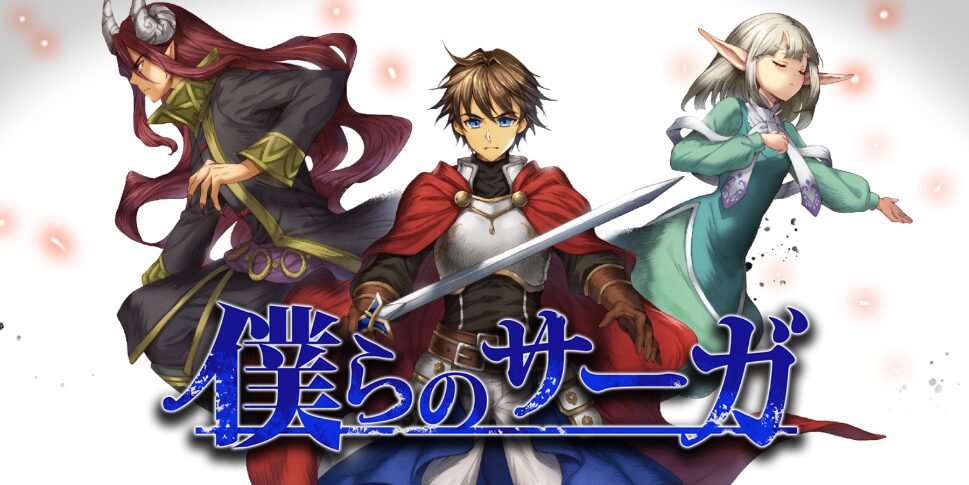
Introduction to Bokurano Saga and Architectural Foundation
Bokurano Saga represents a significant leap forward for Web3 gaming, introducing complex resource management, territorial warfare, and real-time tactical combat to decentralized ledger systems. Developed to appeal to both hardcore strategy enthusiasts and casual blockchain participants, the platform addresses historical criticisms of early GameFi projects by implementing deflationary tokenomics and skill-based reward mechanisms.
Scheduled for a full release across iOS and Android devices, Bokurano Saga leverages the Oasys blockchain—a protocol specifically optimized for high-speed gaming experiences with zero gas fees for end-users. By integrating with Oasys and utilizing layer-2 scaling solutions, the development team ensures that in-game transactions, marketplace trades, and territorial conquests occur seamlessly without the friction typically associated with Ethereum-based applications. The project’s underlying architecture prioritizes transparency, decentralization, and long-term economic stability, moving away from inflationary models that plagued the first generation of play-to-earn titles.

Gameplay Mechanics and Strategic Depth
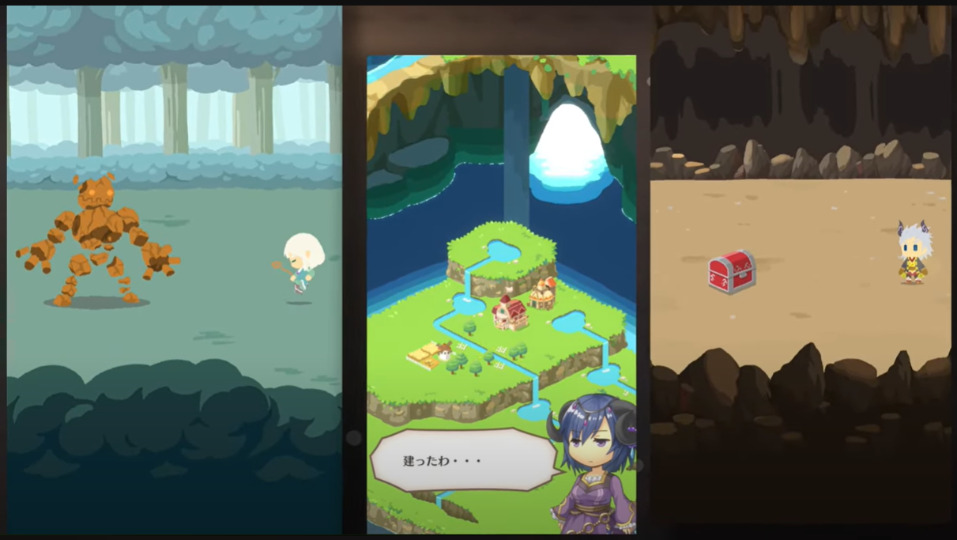
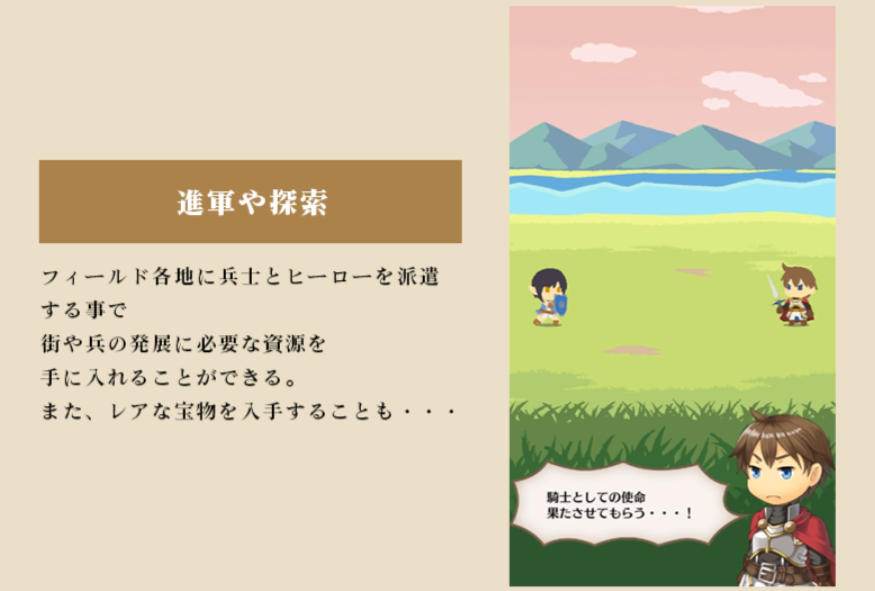
At its core, Bokurano Saga challenges players to build empires, manage scarce resources, and engage in large-scale tactical warfare. The gameplay loop is structured around three primary pillars: base building, resource harvesting, and player-versus-player (PvP) combat. Players must strategically allocate assets, upgrade defensive structures, and deploy specialized military units to protect their territories while actively raiding rival holdings for resources.
The combat system incorporates deep tactical considerations, requiring players to balance offensive pushes with defensive fortifications. Battles occur in real-time, allowing for dynamic skirmishes where unit positioning, terrain advantages, and troop compositions directly influence outcomes. By introducing diverse unit types—ranging from heavy infantry to specialized siege engines—the developers have ensured that no single strategy guarantees victory, thereby elevating the skill ceiling and encouraging competitive esports integration.
NFT Integration and Digital Asset Ownership
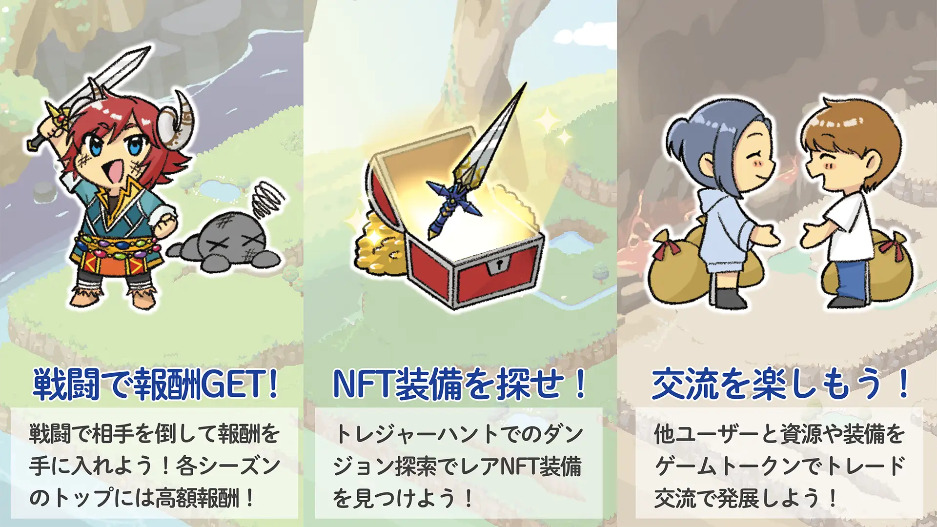
A defining characteristic of Bokurano Saga is its comprehensive integration of non-fungible tokens (NFTs), which represent genuine digital property rights for players. In-game assets such as land plots, buildings, military units, and equipment are tokenized on the blockchain, enabling secure peer-to-peer trading on decentralized marketplaces.
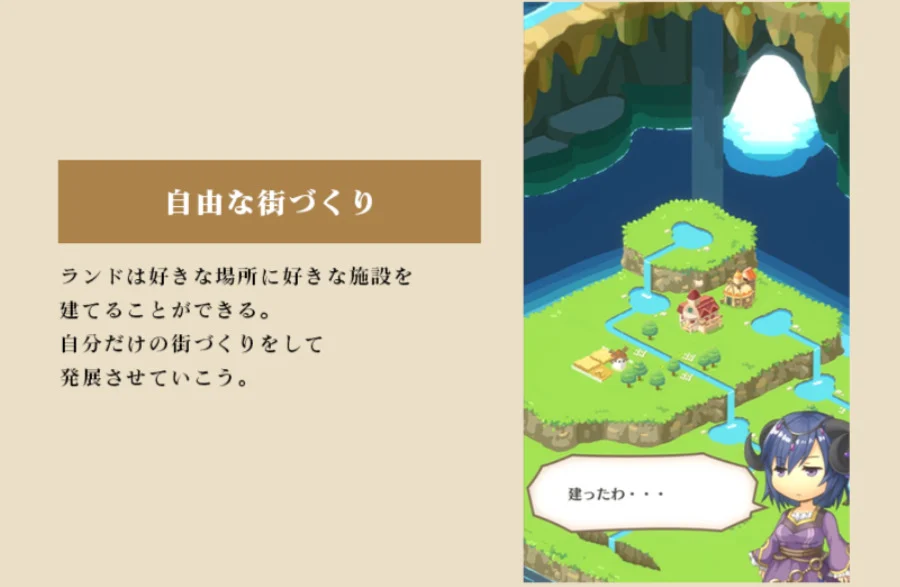
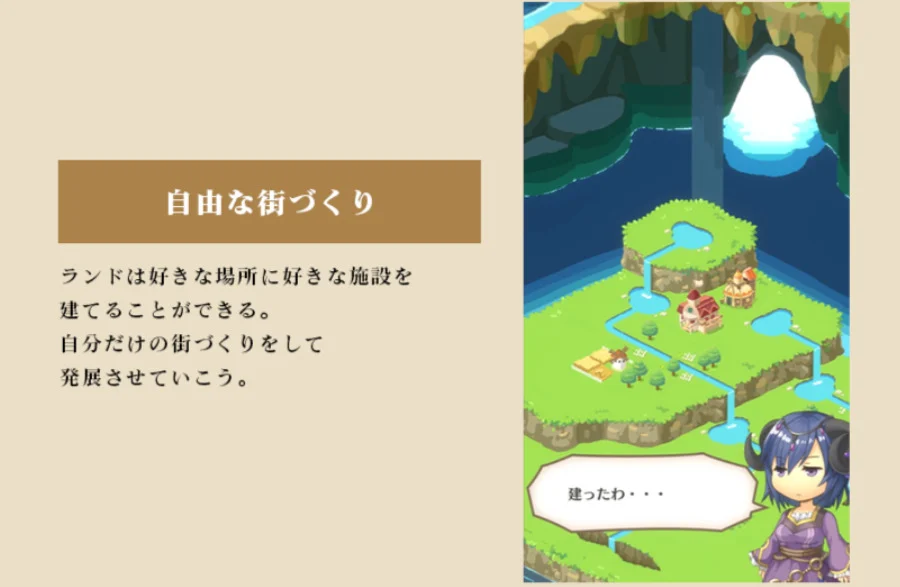
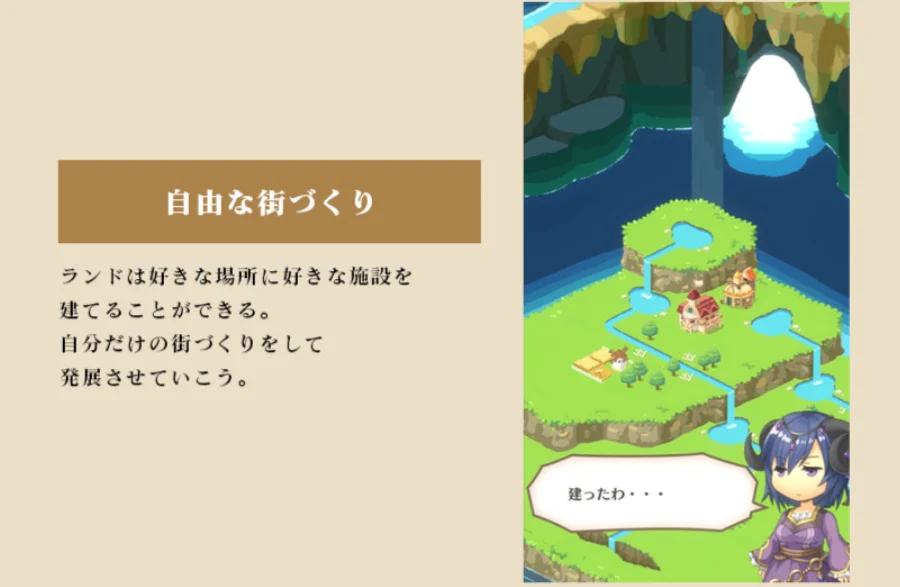
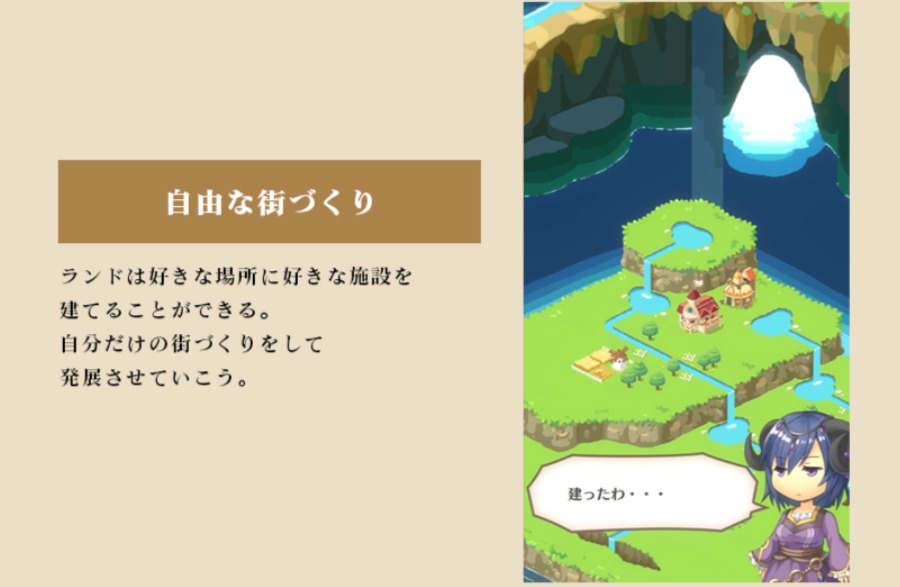
Land ownership plays a critical role in the game’s economy. Land plots function as productive real estate where players can construct resource-generating facilities, harvest rare materials, and levy taxes on other players operating within their domain. This land-based economy creates a self-sustaining ecosystem where active participation yields tangible economic rewards. Furthermore, the integration of NFTs ensures that players retain absolute ownership of their hard-earned virtual assets, protecting them against arbitrary confiscation or centralized server shutdowns.
Tokenomics and Sustainable Economic Design
The economic engine of Bokurano Saga is powered by the Saga Token, a versatile digital asset designed to facilitate governance, staking, and in-game transactions. Unlike early Play-to-Earn models that suffered hyper-inflationary crashes, Bokurano Saga implements a carefully balanced dual-token architecture supported by deflationary mechanisms.
Token utility includes purchasing land and equipment, participating in decentralized governance votes, and receiving staking rewards for long-term holders. To mitigate the risks of token depreciation, the developers have introduced strict supply caps and burn mechanisms, wherein a percentage of tokens used for in-game purchases and marketplace fees are permanently removed from circulation. This deliberate restriction of supply helps maintain token value over time, aligning the financial interests of the player base with the long-term health of the ecosystem.
Chronology and Development Roadmap
The development of Bokurano Saga has followed a methodical timeline designed to ensure technical stability and community engagement. Conceptualized in late 2023, the project quickly gained traction within the Web3 gaming community following early alpha releases and strategic partnership announcements.
- Q4 2023: Initial concept design, whitepaper release, and foundational community building.
- 2024: Closed alpha and beta testing phases, focusing on core RTS mechanics and smart contract auditing.
- 2025: Official global launch of the mobile application on iOS and Android platforms, accompanied by major CEX listings and cross-chain expansion initiatives.
- 2026 and Beyond: Implementation of advanced guild warfare features, user-generated content (UGC) tools, and expanded metaverse integrations.
This structured rollout has allowed the development team to incorporate player feedback iteratively, refining gameplay balance and technical performance ahead of the mass-market release.

Official Responses and Community Reactions
Industry reception toward Bokurano Saga has been overwhelmingly positive, with prominent blockchain analysts praising the project’s emphasis on genuine gameplay quality over speculative hype. Community engagement channels, including X (formerly Twitter) and Discord, have seen rapid growth as players anticipate the full commercial rollout.
Speaking on the project’s vision, lead developers emphasized that blockchain technology should enhance, rather than overshadow, the core gaming experience. "Our goal is to build a title that stands on its own merits as a compelling strategy game, while utilizing Web3 architecture to empower players with true economic freedom," a project spokesperson noted during a recent community AMA session. This player-first philosophy has resonated deeply with crypto-gaming enthusiasts who are eager for sustainable alternatives to traditional mobile gaming models.
Broader Market Implications and Future Outlook
The launch of Bokurano Saga arrives at a crucial juncture for the GameFi sector, which is currently transitioning from speculative tokenomics to sustainability-driven models. By demonstrating that complex strategy games can successfully integrate blockchain technology without alienating traditional gamers, Bokurano Saga serves as a potential blueprint for future Web3 developers.
The integration of Oasys layer-2 infrastructure significantly lowers the barrier to entry for non-crypto natives, addressing one of the primary adoption hurdles facing blockchain games. As the platform continues to scale through 2026, its ability to maintain player engagement, balance economic incentives, and deliver consistent content updates will determine its long-term viability in an increasingly competitive market.
Ultimately, Bokurano Saga bridges the gap between traditional gaming and decentralized finance, offering a glimpse into the future of interactive digital entertainment where players are not merely consumers, but true stakeholders in the virtual worlds they inhabit.