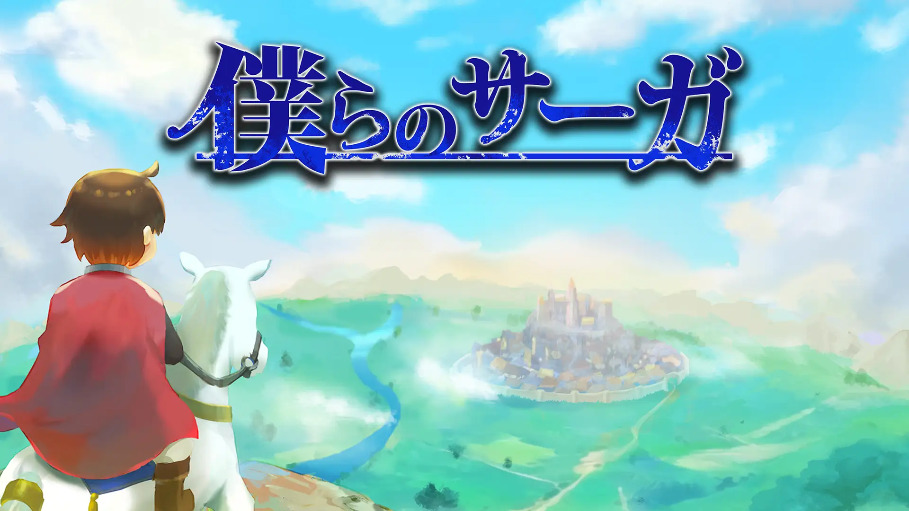
The intersection of traditional gaming mechanics and blockchain technology continues to evolve rapidly as developers seek sustainable models for player-owned economies. Within this burgeoning sector, the blockchain-based real-time strategy (RTS) title Bokurano Saga has emerged as a focal point for industry observers, combining competitive gameplay with robust non-fungible token (NFT) utility. Operating on advanced Layer-2 scaling solutions and leveraging the Oasys gaming-optimized blockchain ecosystem alongside ADIL Chain, the project represents a significant milestone in the maturation of Web3 gaming infrastructure.

Project Overview and Core Architecture
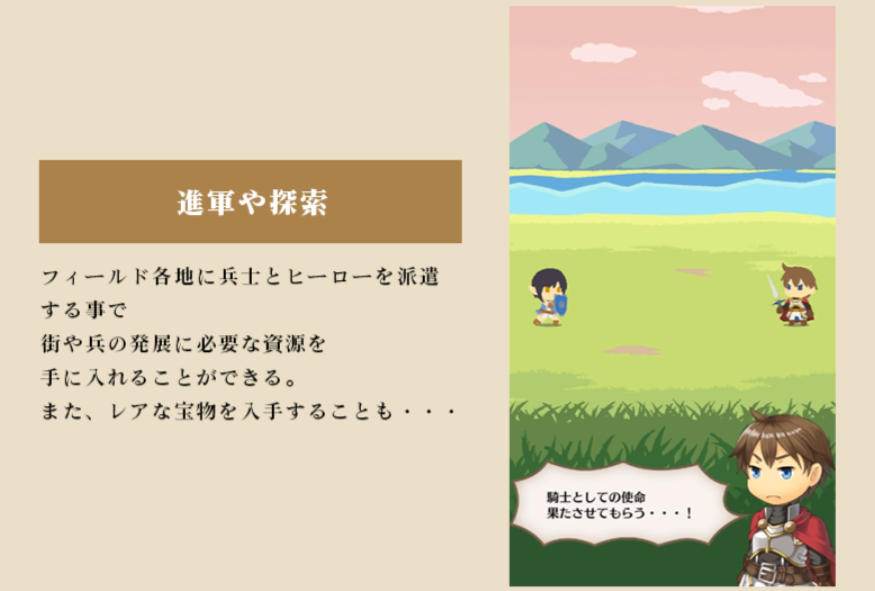
Bokurano Saga is built upon a real-time strategy framework that incorporates deep resource management, territory control, and player-driven economies. Designed to address the historical volatility and sustainability challenges associated with early Play-to-Earn (P2E) models, the project introduces a balanced tokenomics structure powered by the Saga Token. The game is engineered for multi-platform accessibility, supporting iOS and Android devices to ensure a broad potential user base.
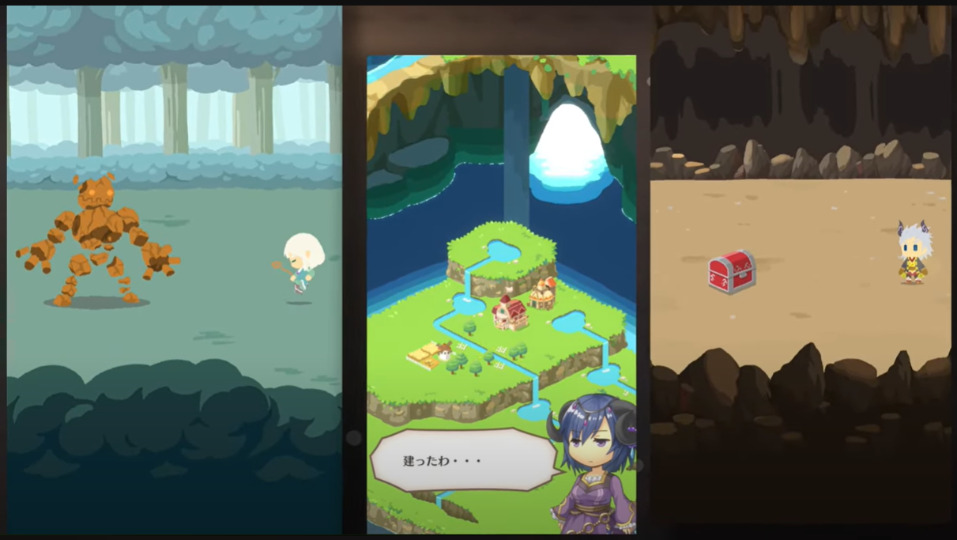
The technical foundation of Bokurano Saga relies heavily on high-throughput Layer-2 architecture, which mitigates the high gas fees and network congestion traditionally associated with Ethereum-based gaming applications. By utilizing the Oasys blockchain—a network specifically optimized for gaming—the developers have secured a scalable environment capable of handling complex in-game transactions, real-time strategy computations, and dynamic NFT interactions without compromising user experience or network stability.
Chronology and Development Milestones
The development and deployment of Bokurano Saga have followed a meticulously planned roadmap designed to test network stress limits and community engagement systematically.
- Early Development and Concept Phase (Late 2022 – Early 2023): The foundational concepts of Bokurano Saga were established, focusing on merging classic RTS elements with decentralized ownership models. The core team prioritized creating a sustainable economic loop before launching any public token sales or NFT minting events.
- Testnet Deployment and Community Building (Q3 2023): The project initiated its testnet phase, allowing early adopters and community members to stress-test the infrastructure, explore the user interface, and provide critical feedback on gameplay mechanics.
- Mainnet Launch and Ecosystem Integration (2024 – 2025): The official mainnet rollout was scheduled to take place across 2024 and 2025, deeply integrating with the Oasys ecosystem and launching native token utility features. This phase marks the transition from closed testing environments to a fully operational, open-market economy.
In-Game Economy and NFT Utility
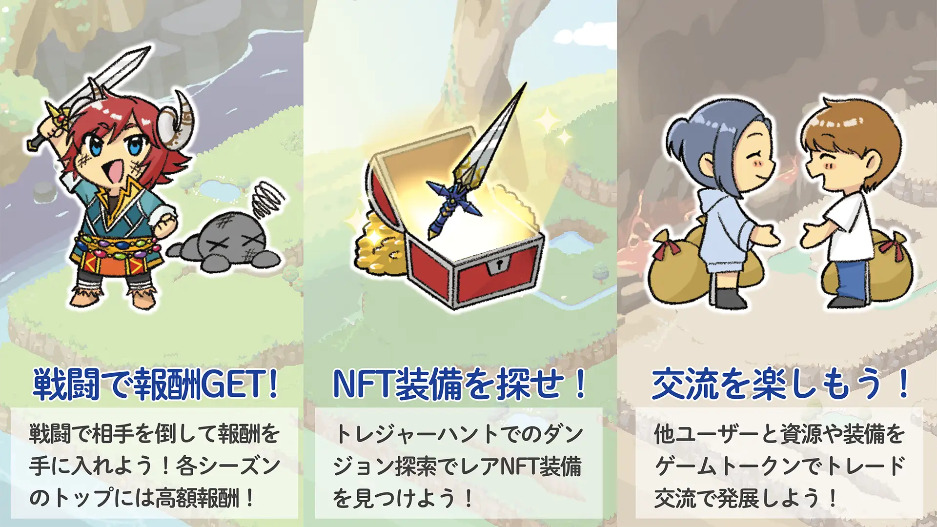
At the heart of Bokurano Saga’s economic design is the integration of NFTs, which represent tangible assets, land plots, and operational equipment within the game world. Unlike early Web3 games that relied purely on speculative token inflation, Bokurano Saga ties NFT utility directly to gameplay progression and resource generation efficiency.

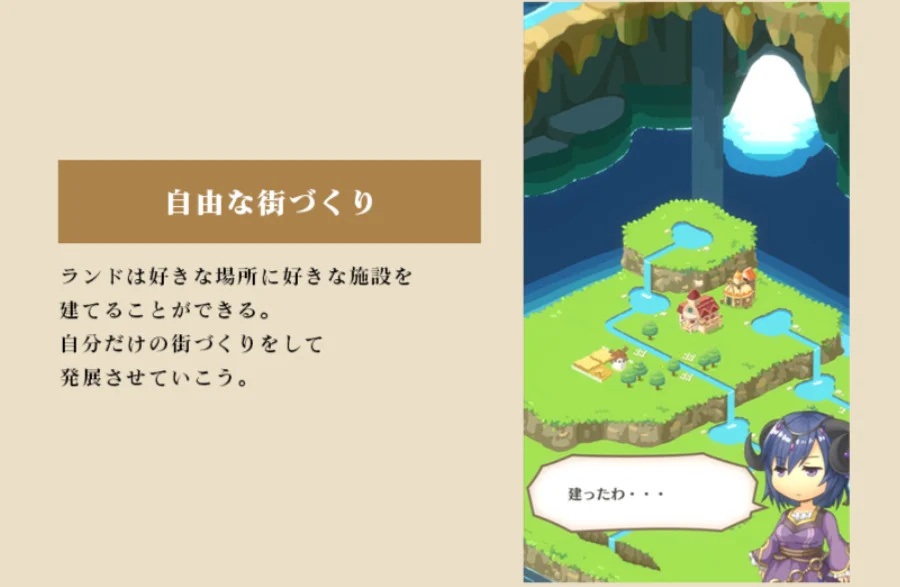
Players can acquire land plot NFTs, which serve as the primary base of operations for gathering resources, constructing defensive structures, and training military units. These land plots operate similarly to real-world commercial real estate; landowners can choose to develop their property, lease it to other players, or utilize it for high-yield resource extraction. The marketplace for these digital assets utilizes the Saga Token, creating a closed-loop economic ecosystem where in-game success translates directly into tangible utility.
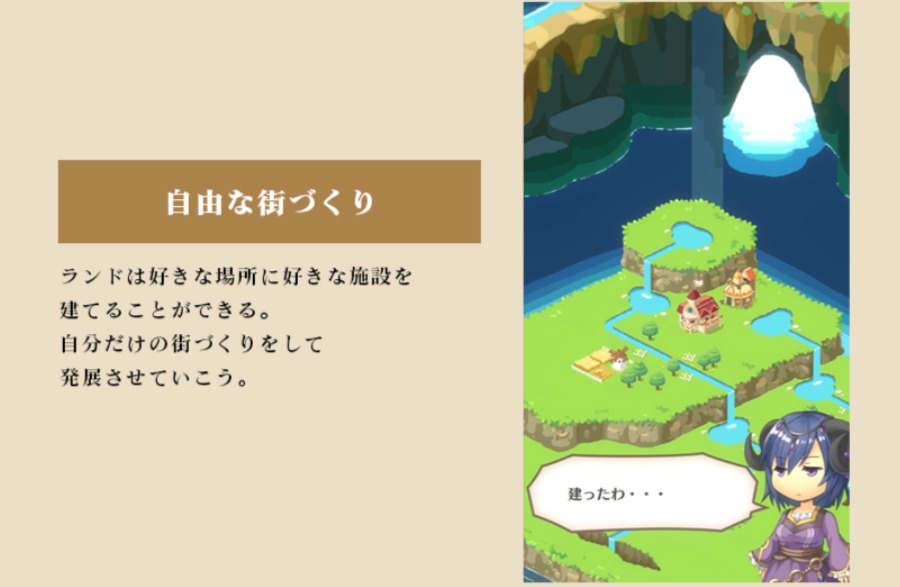
Furthermore, the game implements a dynamic rarity system for equipment and units. Higher-tier units and specialized buildings require rarer NFT components to construct, creating a natural scarcity model that underpins the value of the in-game assets. This approach encourages long-term player retention by rewarding strategic gameplay and resource management rather than short-term speculative flipping.
Strategic Implications and Market Analysis
The launch and scaling of Bokurano Saga offer broader implications for the Web3 gaming sector. As the industry moves past the unsustainable hype cycles of 2021 and 2022, projects like Bokurano Saga demonstrate a shift toward robust infrastructure and player-centric design. By leveraging Oasys and ADIL Chain, the development team has addressed scalability concerns while maintaining decentralized asset ownership.

Industry analysts note that the success of such hybrid models hinges on balancing inflationary pressures within token economies. Bokurano Saga attempts to solve this by introducing multiple sinks for tokens and NFTs—such as upgrade costs, repair fees, and governance participation requirements—which help stabilize the circulating supply over time.

Future Outlook and Community Governance
Looking ahead, the roadmap for Bokurano Saga includes further decentralization of governance through a decentralized autonomous organization (DAO) structure. This will allow token holders to vote on major updates, economic parameter adjustments, and expansion proposals, ensuring that the community retains a strong voice in the game’s long-term direction.

As mobile gaming continues to dominate global entertainment markets, Bokurano Saga’s commitment to cross-platform accessibility, combined with robust blockchain infrastructure, positions it as a noteworthy case study in the ongoing integration of Web3 technologies into mainstream gaming.