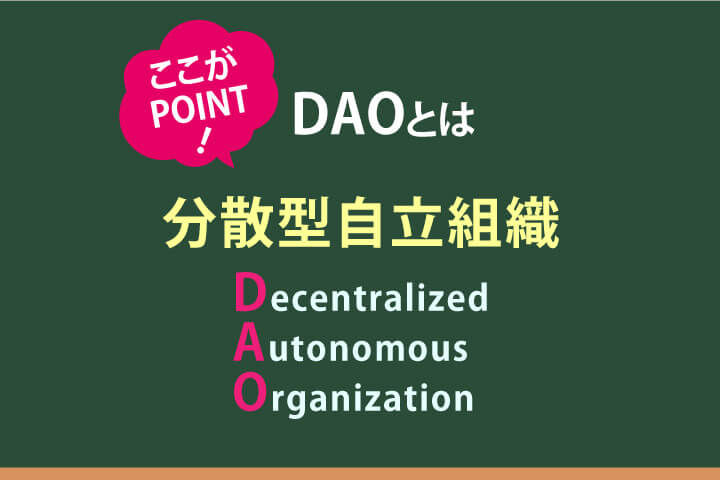
The emergence of Decentralized Autonomous Organizations (DAOs) represents a fundamental shift in how digital communities, financial protocols, and collaborative projects are structured and managed. At its core, a DAO is an organization represented by rules encoded as a computer program that is transparent, controlled by the organization members, and not influenced by a central government or corporate entity. By leveraging blockchain technology—most notably smart contracts—DAOs have pioneered a new era of decentralized governance, shifting power from hierarchical management structures to token-based democratic processes.
The evolution of DAOs is inextricably linked to the broader development of the Web3 ecosystem. While traditional organizations rely on legal contracts, boardrooms, and executive management, DAOs rely on code and community consensus. This structural transformation has garnered significant attention from technologists, economists, and regulatory bodies alike, as it presents both a revolutionary potential for global collaboration and complex challenges regarding accountability and legal recognition.
Defining the DAO Framework

A Decentralized Autonomous Organization is defined by the automation of its bylaws. When a DAO is launched, the core rules of operation are written into a smart contract—a self-executing contract with the terms of the agreement directly written into lines of code. This code is deployed on a blockchain, such as Ethereum, ensuring that the rules are immutable and publicly auditable.
Unlike a traditional corporation, which requires a legal entity and a registered office, a DAO exists as a distributed network. Membership is typically represented by the ownership of governance tokens. These tokens grant holders the right to vote on proposals, allocate treasury funds, and influence the strategic direction of the protocol. This mechanism ensures that the organization remains aligned with the interests of its stakeholders rather than a small group of shareholders or executives.

The Chronology of Decentralized Governance
The history of DAOs is relatively brief but marked by rapid iteration. The concept gained widespread recognition in 2016 with the launch of "The DAO," a project intended to function as a decentralized venture capital fund. While The DAO ultimately suffered a catastrophic security breach that led to a hard fork of the Ethereum network, the experiment provided the blueprint for the modern governance models used today.
Following the lessons learned in 2016, the industry moved toward more specialized DAO structures. The 2020 "DeFi Summer" acted as a catalyst, as protocols such as Compound and Uniswap introduced liquidity mining and decentralized governance to manage their respective platforms. By distributing governance tokens to users who provided liquidity, these projects successfully incentivized early adoption while simultaneously decentralizing control of the protocol’s future development. This era proved that DAOs could be effective vehicles for managing complex financial assets at scale.
Key Pillars of DAO Functionality
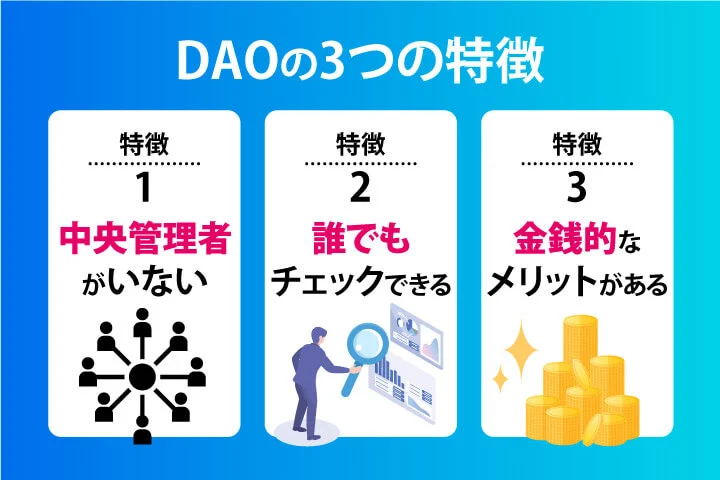
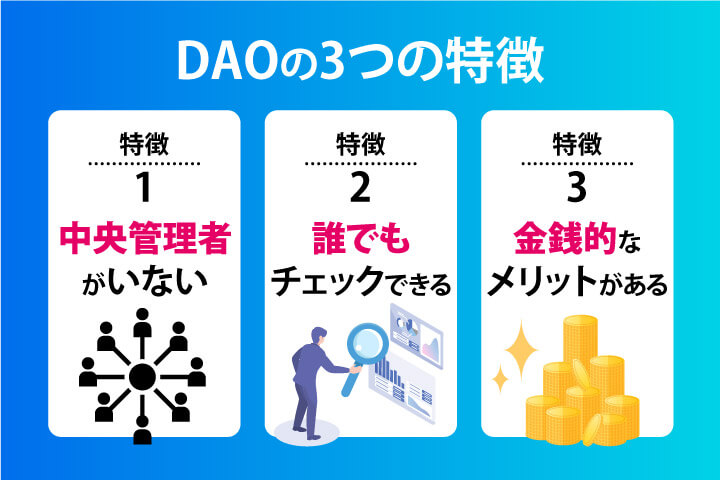
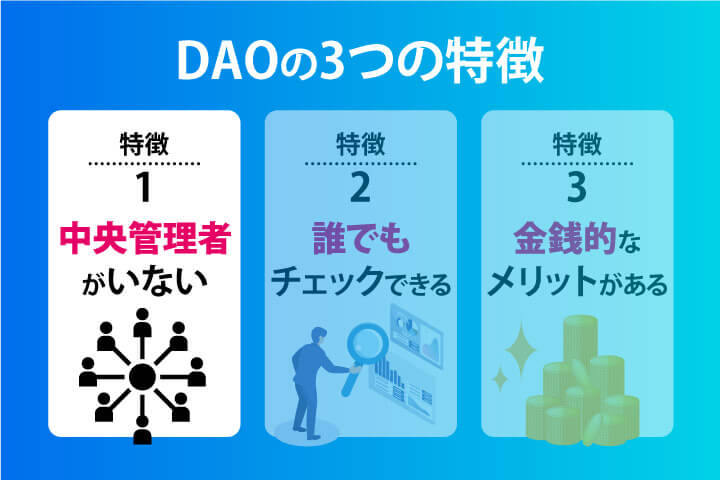
The efficacy of a DAO rests on three primary pillars: transparency, autonomy, and decentralization.
Transparency is achieved through the public nature of the blockchain. Every proposal, vote, and financial transaction within the organization’s treasury is recorded on a distributed ledger. This eliminates the "black box" nature of traditional corporate accounting, allowing any member to verify the health and activity of the organization at any time.

Autonomy is facilitated by the smart contract architecture. Once a vote passes, the smart contract automatically executes the decision—such as releasing funds to a developer or updating a protocol parameter—without the need for human intervention or bureaucratic approval. This minimizes the risk of human error or corruption, provided the underlying code has been rigorously audited.
Decentralization remains the most aspirational and challenging pillar. Achieving true decentralization requires a wide distribution of tokens, ensuring that no single entity or "whale" can monopolize decision-making. Projects often implement quadratic voting or reputation-based systems to mitigate the influence of large capital holders, striving to create a more equitable environment for all participants.

Operational Challenges and Regulatory Implications
Despite the promise of disintermediation, DAOs face significant hurdles. The most pressing of these is the lack of a clear legal framework. Because DAOs are borderless and decentralized, they do not neatly fit into existing corporate structures like LLCs or C-corps. This creates ambiguity regarding tax liability, intellectual property ownership, and legal accountability in the event of a dispute.

Furthermore, the governance process itself is prone to voter apathy. In many DAOs, a small percentage of token holders participate in voting, which can lead to centralization of power by default. Organizations are currently experimenting with "delegated governance," where users delegate their voting power to trusted community members or domain experts, similar to a representative democracy.
Security remains a persistent concern. Since DAOs are governed by code, any vulnerability in the smart contract can be exploited by malicious actors. Unlike a bank, where a fraudulent transaction can be reversed by a central authority, the immutable nature of blockchain transactions means that stolen funds are often unrecoverable. Consequently, the adoption of rigorous security audits and "bug bounty" programs has become a prerequisite for any serious project.

Broader Impact on Global Collaboration
The implications of the DAO model extend far beyond finance. We are seeing the rise of social DAOs, which function as decentralized social clubs or digital collectives, and media DAOs, which aim to revolutionize content creation and distribution. By removing the middleman, these organizations empower creators and users to own their data and monetize their contributions directly.
From a macroeconomic perspective, DAOs represent a new form of digital labor organization. They enable individuals from across the globe to contribute skills to a project and receive fair, transparent compensation in real-time. This globalized talent pool is particularly disruptive to traditional industries that rely on geographic proximity and legacy hiring practices.
Looking toward the future, the integration of traditional legal structures with DAO technology—often referred to as "Legal DAOs"—may provide the bridge needed for mainstream adoption. By registering the DAO as a legal entity in jurisdictions that recognize decentralized governance, organizations can interface with the traditional banking system and hold real-world assets while maintaining the efficiency and transparency of their on-chain operations.
Conclusion: The Path Forward
The development of DAOs is a testament to the transformative power of decentralized technology. While the industry remains in a state of constant experimentation, the fundamental shift toward community-owned and transparent governance is clear. As protocols mature and the regulatory landscape stabilizes, DAOs are likely to become a standard organizational unit for the next generation of the internet.

For participants in this ecosystem, the focus must remain on sustainability, security, and the refinement of governance mechanisms. The transition from the centralized hierarchies of the past to the decentralized networks of the future will not be without friction, but the potential for increased efficiency, fairness, and global collaboration makes the evolution of the DAO an essential development for the digital age. As the underlying infrastructure continues to improve, the distinction between a traditional organization and a DAO will likely blur, creating a new paradigm for collective human action.