The rapid expansion of decentralized finance, non-fungible tokens (NFTs), and blockchain gaming has transformed the digital asset ecosystem, creating unprecedented opportunities for financial innovation. However, this growth has simultaneously attracted sophisticated cybercriminals seeking to exploit vulnerabilities in user security practices. As Web3 technologies become more deeply integrated into daily digital interactions, understanding prevalent fraud mechanisms and adopting robust defensive measures is essential for safeguarding digital assets. This comprehensive report examines the major scam vectors targeting cryptocurrency and NFT holders, analyzes the mechanics behind these exploits, and outlines actionable security strategies to mitigate risk.
Evolution of Web3 Fraud and Cyber Threat Landscapes
The criminal landscape surrounding cryptocurrencies has evolved from simple phishing emails and fraudulent initial coin offerings (ICOs) into complex, multi-layered technical exploits. Modern cyberattacks target not only private keys and seed phrases directly but also manipulate trusted infrastructure, user interfaces, and device operating systems. Security analysts note that as blockchain protocols implement stricter native security features, attackers increasingly focus on the human element and peripheral software environments.
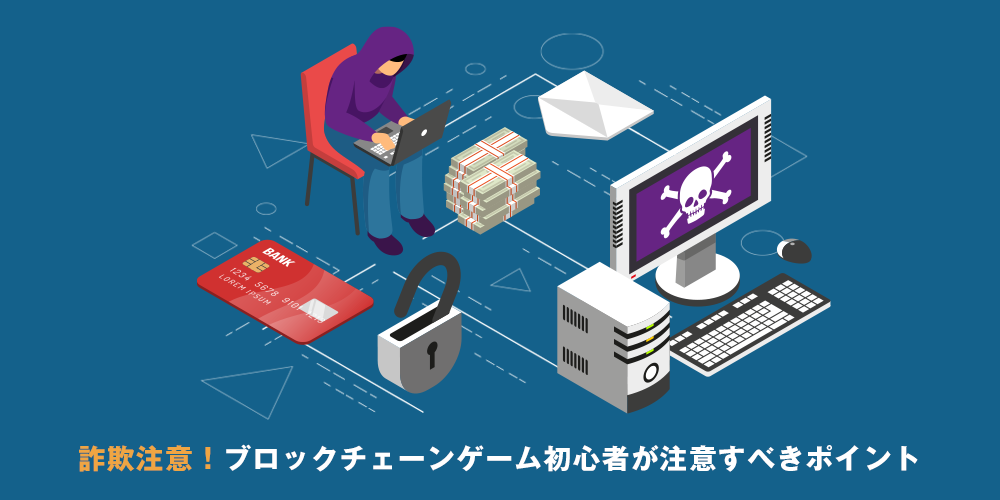
Phishing campaigns, malicious browser extensions, address poisoning, and compromised decentralized exchange (DEX) interfaces represent the primary avenues through which malicious actors drain user wallets. Understanding how these vectors operate allows participants to recognize red flags before irreversible financial loss occurs.
Fake Infrastructure and Domain Spoofing Tactics
One of the most persistent and damaging threat vectors involves the creation of fraudulent websites that mimic legitimate decentralized finance (DeFi) platforms, cryptocurrency exchanges, and blockchain infrastructure. Cybercriminals frequently employ typosquatting—registering domain names with subtle misspellings—or exploit search engine optimization (SEO) flaws to push malicious links to the top of search results.
Prominent DeFi protocols, such as Curve Finance and various automated market makers, have repeatedly been targets of sophisticated domain spoofing. In these attacks, users searching for a legitimate platform click on a sponsored search ad or social media link that directs them to a nearly identical interface. Once connected, malicious smart contracts or pop-up prompts request wallet approvals designed to transfer unauthorized control of user funds.

Security experts advise bookmarking essential platforms directly and avoiding search engine advertisements entirely when navigating to high-value financial services. Furthermore, advanced DNS monitoring and browser-level security extensions can help detect and block malicious redirects before interaction occurs.
Phishing and Fake Human Verification Exploits
A particularly insidious evolution in social engineering involves the weaponization of standard user-interface elements, such as Cloudflare human verification challenges. Attackers deploy fake websites featuring convincing "Verify you are human" buttons. When an unsuspecting visitor clicks this button, the browser automatically downloads a malicious executable file disguised as a security update.
Once executed, these payloads often install infostealer malware designed to scan the local machine for browser extension data, saved credentials, local storage files, and cryptocurrency wallet configurations. The malware then transmits this sensitive data to command-and-control servers operated by the attackers. To counter this threat, users must strictly avoid downloading software or running executables triggered by unexpected web prompts, and they should maintain updated, enterprise-grade endpoint protection on all devices used for financial management.

Address Poisoning and Transaction History Manipulation
Address poisoning is a sophisticated exploit designed to trick users into sending cryptocurrency to an attacker’s address by manipulating their transaction history. Because cryptographic addresses are long and complex, users frequently copy and paste destination addresses from their recent transaction logs rather than typing them out manually.
Attackers exploit this behavior by using automated scripts to generate vanity addresses that share the same first and last few characters as a user’s frequently used contact addresses. They then "poison" the victim’s history by executing dust transactions—sending microscopic amounts of cryptocurrency (often zero value) from an address visually indistinguishable from the target’s legitimate counterpart.
When the user later prepares a transfer and hastily copies an address from their recent history without verifying every single character, they inadvertently select the attacker’s address. Mitigation strategies require users to meticulously verify full alphanumeric strings before executing any transfer and to utilize hardware wallets that display complete destination addresses on physical screens for independent confirmation.

Network Compromise and Wi-Fi Interception Risks
Physical security and network infrastructure vulnerabilities also pose significant threats to digital asset holders. Public Wi-Fi networks in locations such as hotels, cafes, and entertainment venues are frequently targeted by malicious actors using man-in-the-middle (MitM) attacks or rogue wireless access points.
When users connect unsecured devices to compromised networks, interceptors can monitor traffic, inject malicious scripts into web pages, or redirect traffic to fraudulent nodes. While encrypted protocols (such as HTTPS) provide a baseline of protection, sophisticated attackers can strip SSL certificates or exploit browser vulnerabilities to compromise session tokens and credentials. The primary defense against network-level interception is the avoidance of financial transactions on public Wi-Fi networks, combined with the mandatory use of reputable Virtual Private Networks (VPNs) when remote connectivity is unavoidable.
Device-Specific Exploits: Mobile and Desktop Targeting
Cybercriminals frequently tailor their attack vectors to the specific operating systems and hardware configurations of their targets. While desktop environments remain prime targets for infostealers and malicious file downloads, mobile platforms—including iOS and Android—face unique social engineering threats.

Recent campaigns have utilized sophisticated phishing frameworks combining fake system notifications, SMS alerts regarding password resets, and fraudulent phone calls impersonating technical support from major technology companies like Apple or Google. Victims receive convincing pop-up alerts on iPhones or Apple Watches claiming that their accounts have been compromised, followed by automated phone calls from numbers spoofed to match official support lines.
The objective of these multi-channel attacks is to manipulate the victim into revealing two-factor authentication (2FA) codes, resetting account credentials, or granting remote access to their devices. Security analysts emphasize that legitimate technology providers will never call unsolicited to ask for verification codes, passwords, or remote access privileges.
Malicious Token Approvals and DEX Drainers
Decentralized applications rely on the Approve function to allow smart contracts to interact with and transfer specific tokens on behalf of a user. While essential for the functioning of automated market makers and decentralized exchanges, this mechanism has become a primary vehicle for asset theft.

Malicious actors often deploy decentralized applications that request unlimited token allowances under the guise of claiming an airdrop, participating in a staking pool, or registering for a digital asset sale. Once a user grants an unlimited allowance, the malicious smart contract retains the ability to drain the approved tokens from the user’s wallet at any time, even long after the initial interaction.
Protecting against approval exploits requires strict hygiene regarding smart contract interactions. Users should routinely audit and revoke unnecessary token approvals using dedicated security tools, such as Etherscan’s approval checker or third-party revocation platforms. Furthermore, interacting with decentralized applications using a burner wallet—a secondary wallet containing minimal funds reserved exclusively for high-risk or experimental interactions—drastically limits potential exposure.
Summary and Best Practices for Long-Term Security
The decentralized nature of cryptocurrencies grants users total financial sovereignty, but it also places the full burden of security on the individual. As cybercriminals continue to refine their methodologies, adopting a proactive security posture is the single most effective defense against financial loss.

Key defensive principles include:
- Never share private keys, seed phrases, or password reset codes under any circumstances.
- Rigorously verify complete URL addresses and smart contract addresses before interacting with any platform.
- Separate funds by utilizing hardware wallets for long-term storage and dedicated burner wallets for experimental dApp interactions.
- Routinely audit and revoke active smart contract permissions and token approvals.
- Maintain skepticism toward unsolicited airdrops, high-yield investment offers, and unexpected technical support communications.
By remaining vigilant, staying informed about emerging threat vectors, and implementing multi-layered security practices, participants can navigate the Web3 ecosystem safely and protect their digital assets from sophisticated fraudulent schemes.