The landscape of decentralized gaming continues to evolve rapidly as developers experiment with sophisticated economic models and blockchain interoperability. At the forefront of this movement is Bokurano Saga, an innovative real-time strategy (RTS) blockchain game built on prominent networks including Oasys (via the MCHverse layer) and the ADIL Chain. Designed to bridge traditional real-time strategy mechanics with the asset ownership benefits of Web3, Bokurano Saga has captured the attention of cryptocurrency enthusiasts and gamers alike. As the project progresses toward its planned token generation event and full ecosystem rollout, industry analysts are closely examining how its dual-token economy, non-fungible token (NFT) integration, and strategic gameplay loops position it within the broader GameFi sector.

Background Context and Ecosystem Overview
The integration of blockchain technology into video games has undergone several distinct phases, moving away from simplistic click-to-earn models toward more complex, sustainable gameplay frameworks. Bokurano Saga enters this mature market with a clear objective: to deliver a compelling real-time strategy experience where in-game assets hold verifiable, real-world utility.
Built primarily upon the Oasys blockchain—a specialized Layer 1 and Layer 2 scaling solution optimized for gaming—Bokurano Saga benefits from high-speed transactions, zero gas fees for end-users on specific layers, and a robust infrastructure designed specifically to support high-frequency gaming interactions. By leveraging Oasys and the ADIL Chain, the development team has ensured that players can trade, upgrade, and utilize their digital assets seamlessly without encountering the prohibitive transaction costs that have historically hindered blockchain-based gaming.

Core Gameplay Mechanics and RTS Strategy
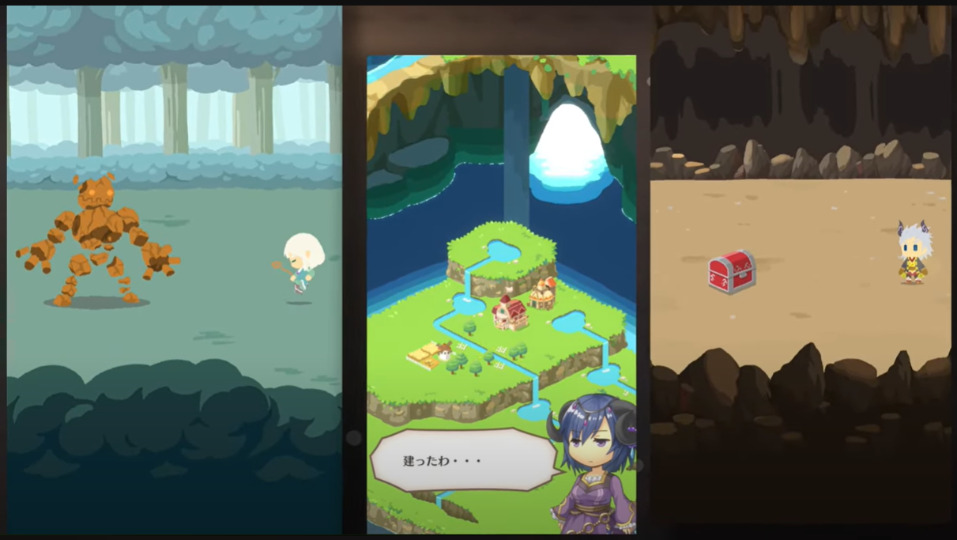
At its core, Bokurano Saga challenges players to master tactical depth, resource management, and real-time combat decision-making. The game features distinct faction systems, base-building mechanics, and intricate unit positioning requirements. Players must balance offensive maneuvers with defensive fortifications, deploying various unit types to counter opponent strategies effectively.
The gameplay loop is divided into several competitive tiers, encouraging both casual engagement and high-stakes esports-style competition. Players command armies consisting of specialized units, each with unique strengths and weaknesses. For instance, heavy frontline units can absorb significant damage, while ranged units and specialized artillery provide tactical support from a distance. Success in Bokurano Saga requires not only tactical prowess on the battlefield but also long-term strategic planning regarding resource allocation, base upgrades, and asset acquisition.
NFT Integration and Digital Asset Ownership
A cornerstone of Bokurano Saga’s economic model is its comprehensive integration of non-fungible tokens (NFTs). Unlike traditional video games where in-game purchases remain locked within a closed ecosystem, Bokurano Saga utilizes NFTs to represent true player ownership of land plots, specialized equipment, unique units, and rare crafting materials.
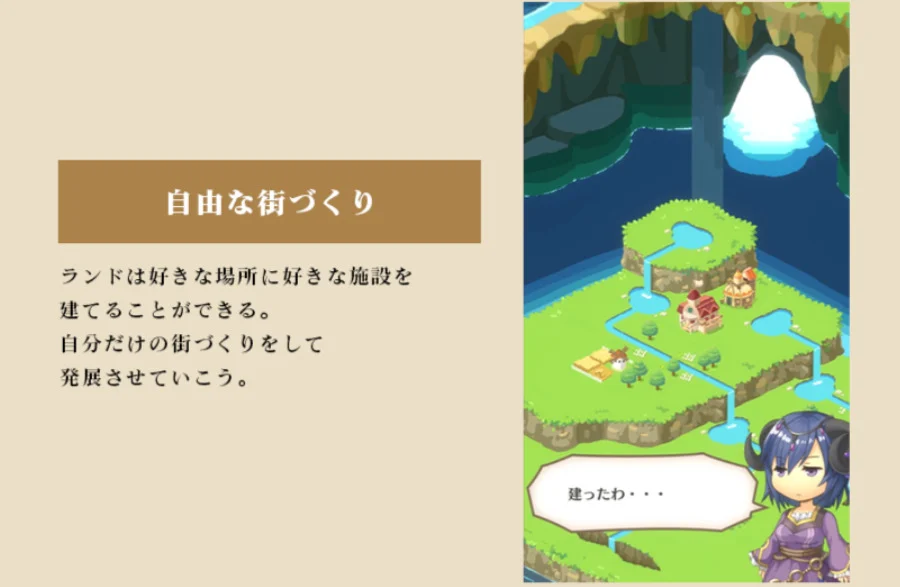
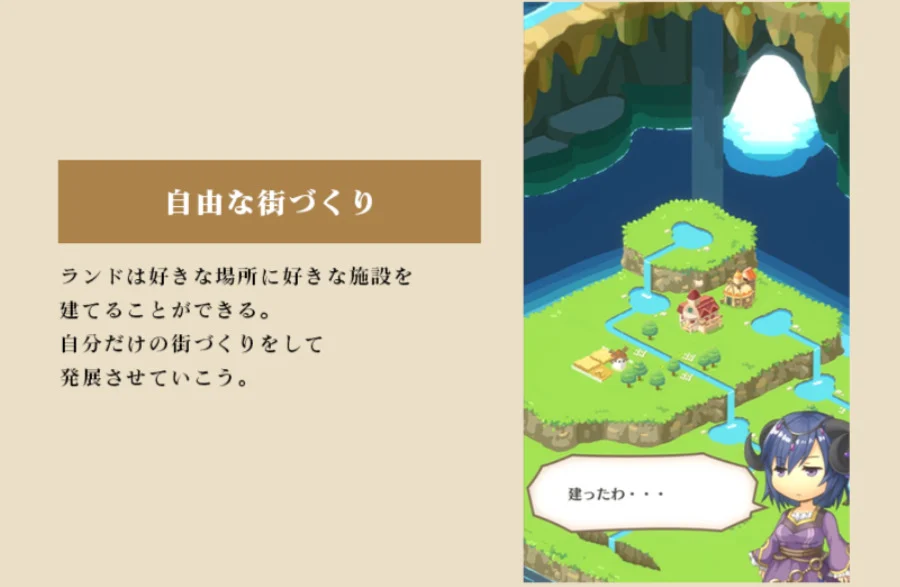
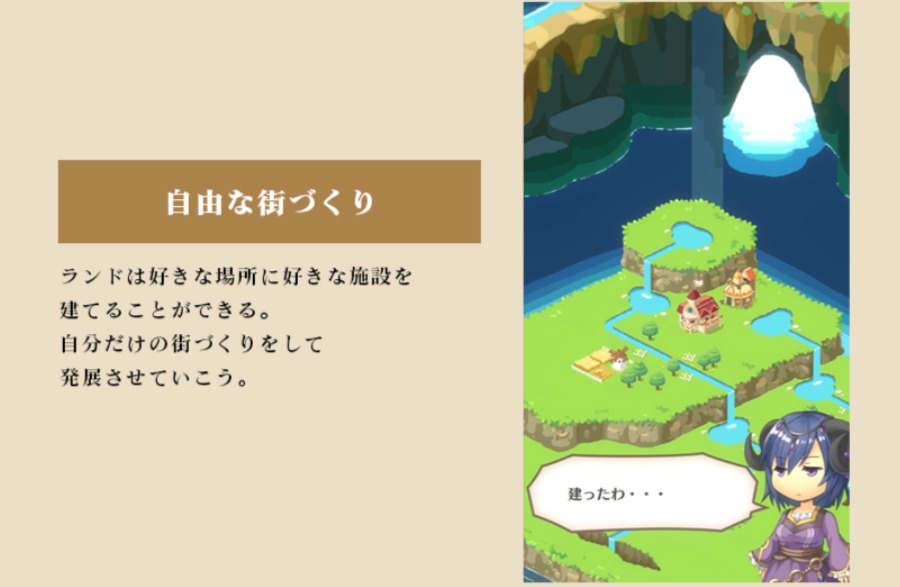
Land ownership plays a particularly vital role in the game’s economy. Land plots function as production hubs where players can harvest resources, construct defensive structures, and mint new equipment. Furthermore, landowners can lease their properties to other players, generating passive income within the ecosystem. This rent-seeking and leasing mechanism introduces a sophisticated real estate dynamic reminiscent of decentralized finance (DeFi), merging economic simulation with tactical gameplay.
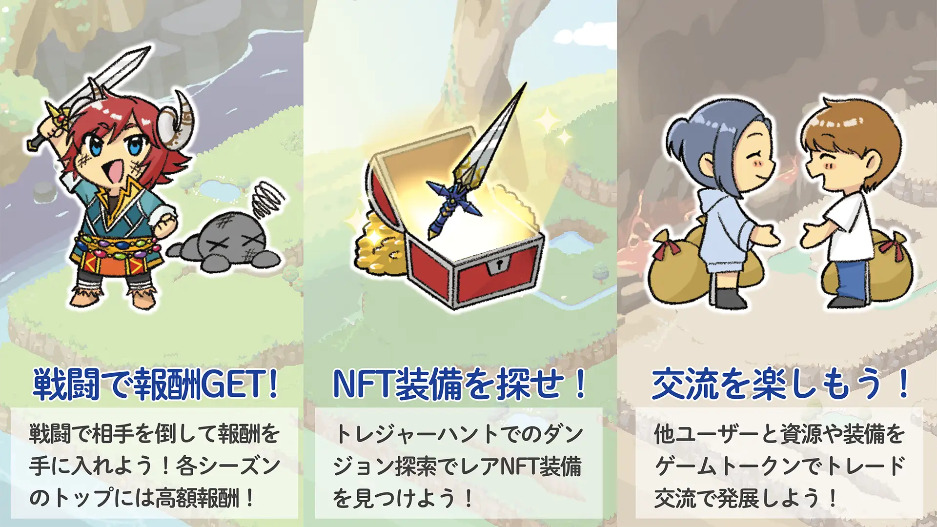
The marketplace for these digital assets is fully decentralized, allowing players to buy, sell, and trade items transparently. The project’s smart contracts ensure that creators and active participants receive fair compensation for their contributions, fostering a player-driven economy that rewards dedication and strategic foresight.
Tokenomics and Economic Sustainability
The economic framework of Bokurano Saga relies on a carefully balanced tokenomics model designed to prevent the hyper-inflationary spirals that plagued early Play-to-Earn titles. The ecosystem utilizes the Saga Token as its primary currency for governance, marketplace transactions, and premium upgrades.

To maintain long-term sustainability, the developers have implemented deflationary mechanisms, such as token-burning events tied to in-game crafting and land upgrades. By tying token utility directly to core gameplay progression, Bokurano Saga seeks to align the interests of speculators with those of dedicated gamers. Furthermore, staking mechanisms allow token holders to earn rewards while contributing to the security and decentralization of the network.
Development Timeline and Future Roadmap
The development of Bokurano Saga has followed a methodical trajectory. Following initial concept announcements and early community building on social media platforms like X (formerly Twitter), the project has steadily hit key milestones on its roadmap.

The upcoming token generation event (TGE), scheduled for rollout, marks a critical inflection point for the ecosystem. This event will unlock primary liquidity pools, enable cross-chain bridging, and expand accessibility for a broader audience of global gamers. Subsequent updates will introduce advanced guild warfare mechanics, expanded PvP arenas, and cross-platform compatibility for iOS and Android devices.
Industry Implications and Market Analysis
The launch and scaling of projects like Bokurano Saga reflect a broader maturation within the Web3 gaming sector. Industry observers note that the industry is shifting away from speculative hype cycles and toward sustainable, game-first development. By prioritizing engaging core mechanics and robust economic design, Bokurano Saga exemplifies the potential for blockchain technology to enhance, rather than overshadow, traditional gaming experiences.
While challenges remain regarding mass-market adoption and regulatory clarity surrounding tokenized economies, the architectural choices made by the Bokurano Saga development team provide a strong foundation for long-term viability. As the platform continues to execute its roadmap, it will likely serve as a significant case study for future developers seeking to harmonize decentralized finance with complex real-time strategy gameplay.