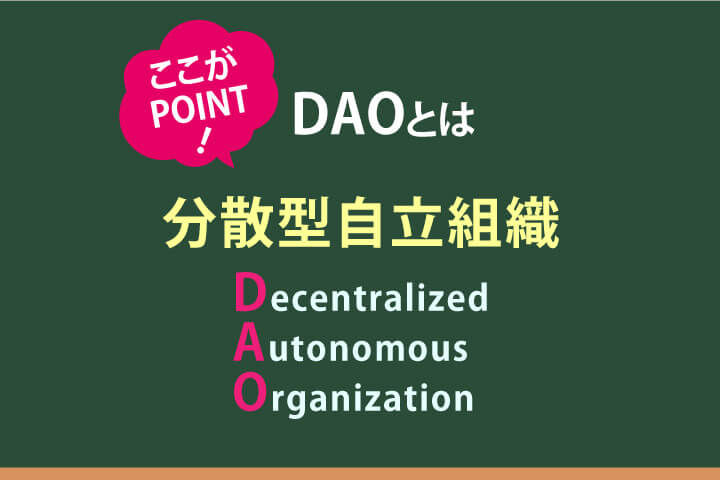
The emergence of Decentralized Autonomous Organizations, commonly referred to as DAOs, represents a fundamental shift in how human beings coordinate, collaborate, and allocate resources in the digital age. Unlike traditional corporate structures that rely on centralized management, hierarchical reporting, and top-down decision-making, a DAO operates through transparent, automated code executed on a blockchain. By leveraging smart contracts, these organizations allow participants to collectively govern projects without the need for intermediaries, potentially solving long-standing issues regarding transparency and trust in institutional management. As the Web3 ecosystem matures, DAOs are increasingly being recognized as a viable model for managing everything from investment funds and software development projects to charitable initiatives and social networks.

The conceptual origins of the DAO can be traced back to the early development of blockchain technology and the launch of Bitcoin. While Bitcoin functioned as a decentralized ledger for peer-to-peer transactions, it also introduced the idea of a system that could function autonomously without a central authority. The subsequent evolution of Ethereum, which introduced programmable smart contracts, provided the technical infrastructure necessary to build more complex governance structures. The first major project to carry the name "The DAO" was launched in 2016, aiming to be a decentralized venture capital fund. While the project faced significant security challenges and a subsequent hard fork of the Ethereum network, it served as a critical proof-of-concept that highlighted the immense potential—and the inherent risks—of automated, community-led governance.

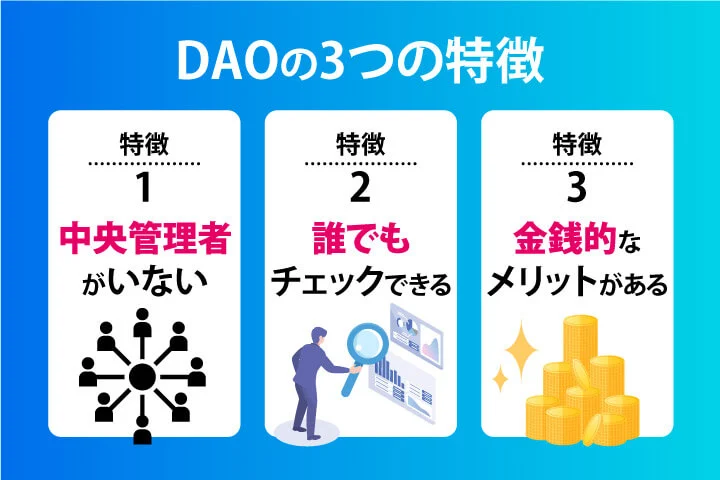
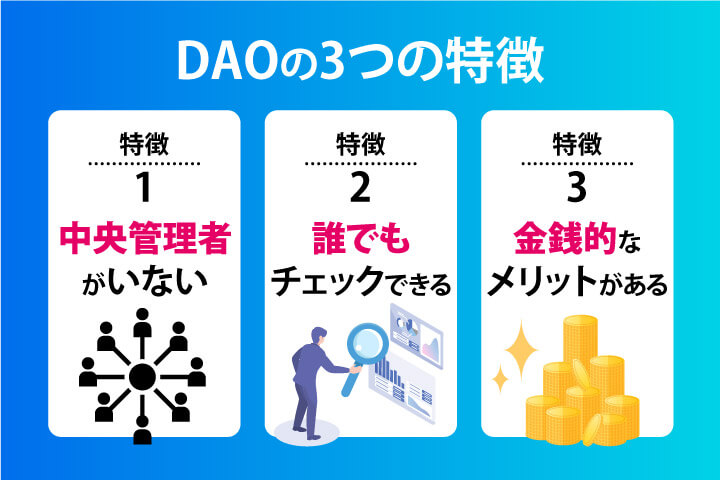
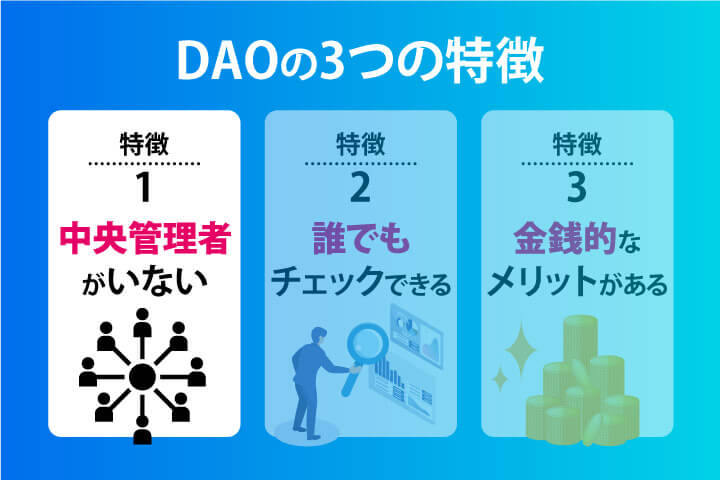
At its core, a DAO is defined by three primary characteristics: decentralization, autonomy, and code-based governance. Decentralization ensures that no single entity or group holds absolute control, effectively distributing decision-making power among token holders. Autonomy refers to the organization’s ability to function independently, with smart contracts automatically executing agreed-upon rules once specific conditions are met. Finally, governance is maintained through transparent, immutable protocols that ensure every participant can verify the state of the organization and the validity of its operations.
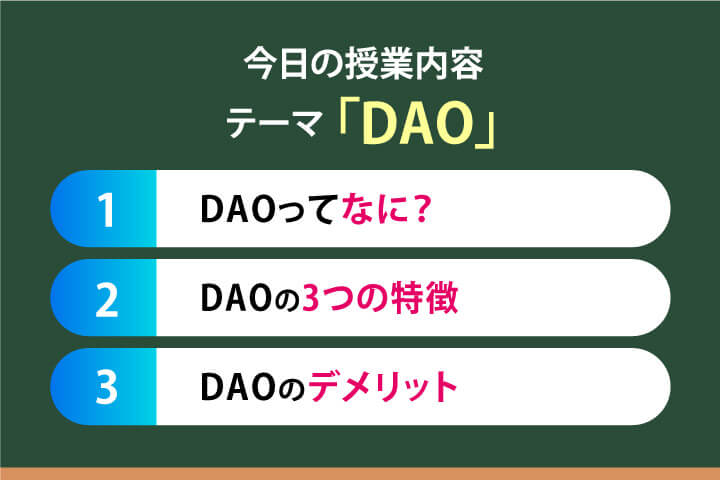
The mechanics of how DAOs function rely heavily on tokenization. Participants typically acquire governance tokens, which represent their stake in the organization and grant them the right to vote on proposals. This voting mechanism is the heartbeat of a DAO. When a proposal is submitted—whether it concerns treasury allocation, protocol updates, or strategic partnerships—token holders vote to approve or reject the action. The result is then automatically enforced by the underlying smart contract, removing the possibility of human interference or corruption in the execution phase. This system addresses the "principal-agent" problem prevalent in traditional corporations, where managers (agents) may act in their own interests rather than those of the shareholders (principals).
However, the transition from traditional management to decentralized governance is not without its hurdles. One of the most significant challenges is the efficiency of decision-making. In a traditional firm, a CEO or board of directors can make rapid strategic pivots. In a DAO, reaching a consensus among a global, often anonymous, body of stakeholders can be slow and cumbersome. Furthermore, the lack of a clear legal framework in many jurisdictions poses a risk to participants. Without formal recognition as a legal entity, DAO members may face personal liability for the organization’s actions, a legal gray area that regulators worldwide are currently struggling to navigate.

Data on the growth of the DAO ecosystem reveals a rapid expansion in both the number of active organizations and the capital under their management. As of late 2023, the total treasury value held by various DAOs has fluctuated in the billions of dollars, reflecting the sector’s growing influence in the digital economy. These organizations cover a wide spectrum of industries: protocol DAOs, which manage decentralized finance (DeFi) platforms; investment DAOs, which pool capital to invest in NFTs or early-stage startups; and social DAOs, which serve as community-driven hubs for creators and enthusiasts.

From a regulatory standpoint, the rise of DAOs has prompted significant scrutiny. Organizations like the Securities and Exchange Commission (SEC) in the United States and various European financial authorities have begun examining whether the governance tokens used by DAOs constitute securities. The argument centers on whether participants in a DAO expect profits primarily from the efforts of others, a key criterion in many legal definitions of an investment contract. The outcome of these regulatory discussions will likely define the operational parameters for DAOs moving forward. Proponents argue that over-regulation could stifle innovation, while regulators emphasize the need for investor protection and the prevention of illicit financial activity.

Despite these challenges, the broader implications of the DAO model are profound. By lowering the barriers to entry for international collaboration, DAOs allow for a global workforce to align around shared objectives without the overhead of physical offices or bureaucratic processes. This is particularly transformative for the open-source software movement, where developers from disparate geographic locations can be compensated directly for their contributions through automated treasury distributions. This shift from employment-based compensation to contribution-based rewards could redefine the future of work.

Moreover, the transparency provided by blockchain technology offers a level of accountability that is difficult to achieve in private corporations. Every financial transaction, voting record, and policy change is publicly viewable on the blockchain. For stakeholders, this creates a "trustless" environment, where the integrity of the system is guaranteed by mathematics and code rather than the reputation of a human executive. This is particularly relevant in sectors such as charity and non-profit work, where the provenance of funds and their ultimate destination are of paramount concern to donors.
Looking ahead, the evolution of DAO governance is likely to move toward more sophisticated mechanisms, such as liquid democracy, where participants can delegate their voting power to trusted experts on specific issues. This "delegated governance" attempts to balance the democratic ideals of decentralization with the need for specialized expertise in complex decision-making. As these technologies become more user-friendly, the threshold for participating in a DAO will continue to drop, potentially bringing decentralized governance to the mainstream.
The impact of DAOs extends beyond the financial and technical realms. They represent a cultural shift toward collective ownership and shared responsibility. Whether this model will eventually replace or merely complement traditional corporate structures remains an open question. What is certain, however, is that the experiment in decentralized governance has already succeeded in proving that global, digital communities can coordinate on a massive scale without a central commander. As the underlying protocols improve in security and efficiency, the influence of DAOs will likely expand, serving as a pillar of the decentralized web and a new paradigm for organizational design in the 21st century.

In conclusion, the journey of the DAO from a niche technological experiment to a burgeoning economic force is a testament to the power of decentralized systems. While the industry faces significant hurdles—ranging from legal ambiguity and security vulnerabilities to the inherent inefficiencies of large-scale voting—the potential benefits of a more transparent, equitable, and participatory governance model are too significant to ignore. As global society continues to navigate the complexities of digital transformation, DAOs offer a compelling vision of how we might organize ourselves to solve the challenges of the future. The next decade will be critical in determining how these organizations adapt to regulatory pressures and technological advancements, but the foundation for a new era of collaborative human endeavor has already been laid.