Cardano’s onchain governance system has officially approved a significant new round of treasury allocations, marking a pivotal moment in the network’s transition into the Voltaire era. This development represents more than a simple distribution of funds; it serves as a live, high-stakes stress test of the decentralized decision-making framework that Cardano developers have been constructing for years. By shifting the power of resource allocation from centralized entities to the broader community, the protocol is attempting to institutionalize a sustainable model for long-term development.
The Evolution of the Voltaire Era
The Voltaire era represents the final stage of Cardano’s long-term roadmap, following the foundational stages of Byron, Shelley, Goguen, and Basho. While previous eras focused on network decentralization, smart contract capabilities, and performance optimization, Voltaire is defined by the implementation of a comprehensive governance structure. The primary objective is to move the protocol toward a self-sustaining ecosystem where ADA holders have a direct voice in protocol upgrades, parameter changes, and, crucially, the deployment of the network’s treasury.
The treasury itself is funded by a percentage of transaction fees and block rewards, creating a perpetually replenishing pool of capital. Historically, the management of these funds was limited by the lack of formal onchain governance mechanisms. With the successful activation of the governance architecture, Cardano has transitioned from a development-led funding model—often directed by entities like IOG (Input Output Global) or the Cardano Foundation—to one managed by a global community of stake pool operators (SPOs) and delegated representatives (dReps).
Anatomy of the Current Funding Round
The recent vote authorized funding for several core infrastructure initiatives and developer-focused tools. Unlike early-stage venture capital models that often provide lump-sum payments, Cardano’s governance framework has implemented a milestone-based disbursement structure. Under this system, successful proposals are not granted unconditional access to the requested ADA. Instead, funding is released in tranches as the project reaches pre-agreed developmental milestones.
This mechanism acts as a critical safeguard against project failure and potential misappropriation of funds. By tying disbursements to measurable progress, the governance body maintains a level of oversight that is essential for a decentralized treasury. If a project fails to deliver on its stated objectives, the subsequent tranches of funding can be paused or redirected, effectively creating a feedback loop of accountability. This design transforms the treasury from a passive pool of capital into a strategic engine for growth, ensuring that resources are directed toward solutions that provide tangible utility to the base-layer ecosystem.
Governance Challenges and Operational Realities
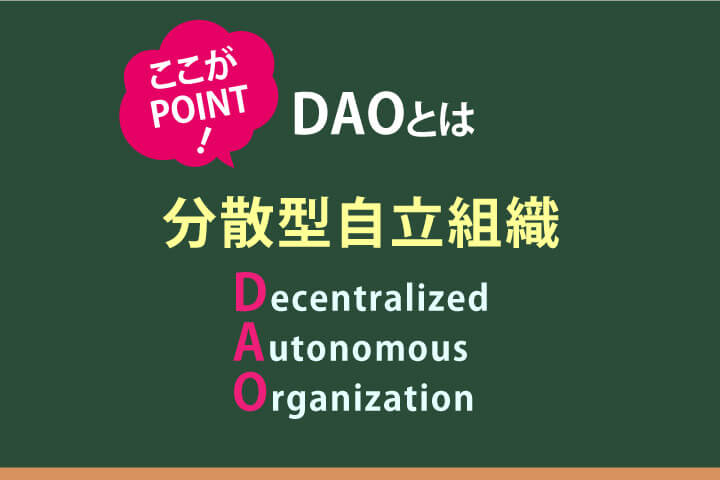
While the transition to onchain governance is a landmark achievement, it introduces a new set of challenges that are common among Decentralized Autonomous Organizations (DAOs). One of the primary obstacles is voter participation. Ensuring that a representative and informed segment of the community engages in the voting process is vital for the legitimacy of the system. If voter turnout remains low, the governance process risks being captured by a narrow, well-funded minority, undermining the decentralized ethos of the project.
Furthermore, the complexity of technical proposals requires a high level of expertise from those casting votes. To address this, the ecosystem has introduced the role of dReps—individuals or entities to whom ADA holders can delegate their voting power. This creates a representative democracy layer that aims to balance the need for mass participation with the need for informed technical decision-making.
Another significant challenge is the inherent risk of "governance fatigue" and the difficulty of evaluating project success objectively. As the number of proposals increases, the community must develop standardized auditing processes to verify that milestones have been met. Without robust, transparent reporting, the governance system could devolve into a bureaucratic process that favors political maneuvering over actual engineering excellence.
Comparative Analysis: Cardano vs. Traditional DAO Models
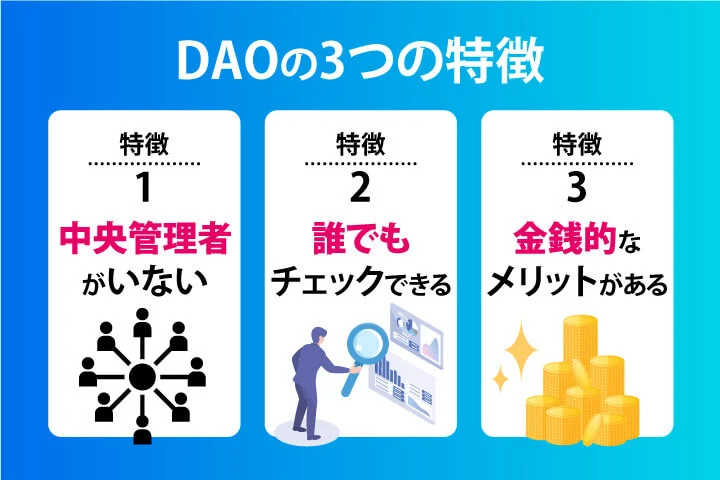
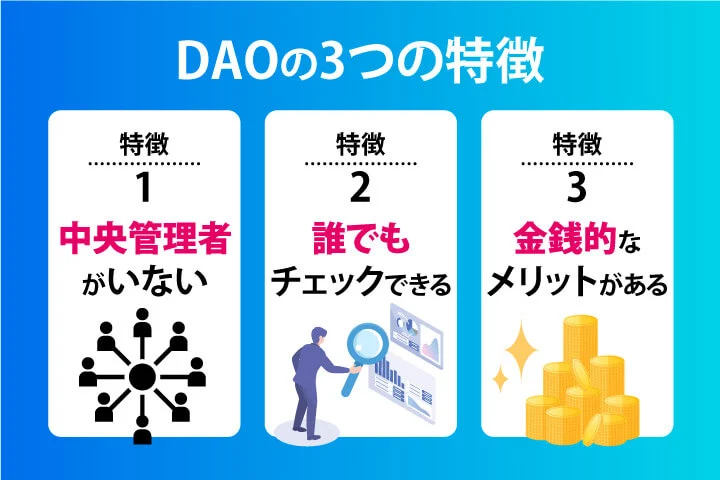
Cardano’s governance model is distinct from many existing DeFi-focused DAOs. Most protocol treasuries in the DeFi space are controlled by a relatively small group of large token holders, often resulting in "whale-dominated" governance where retail users have little to no impact. In contrast, Cardano is designed to support an entire layer-1 blockchain ecosystem. The sheer scale of the network requires a more robust, decentralized, and scalable approach to decision-making.
In many smaller DAOs, treasury management is often reactive and focused on short-term liquidity or marketing incentives. Cardano’s architecture, however, is being built as a permanent fixture of the protocol. This implies that the decisions made today will have long-term structural consequences for the network’s viability. The focus on infrastructure—such as interoperability bridges, developer SDKs, and network-level security tools—distinguishes the Cardano treasury from those that focus primarily on growth hacking or yield farming subsidies.
The Role of Accountability and Transparency
The integrity of the Cardano governance system rests on the transparency of the voting process and the auditability of the outcomes. All treasury allocations are recorded on the blockchain, providing a permanent and immutable audit trail. This level of transparency is a significant advantage over traditional, off-chain corporate funding structures. However, the technical transparency must be matched by operational accountability.
Industry experts have noted that the success of this governance model will depend on the community’s ability to impose consequences on underperforming projects. If a project is funded but fails to deliver, the mechanism for clawing back funds or blacklisting the developers from future rounds is just as important as the initial approval vote. The maturation of these "enforcement" mechanisms will be a defining feature of the next year of Cardano’s development.
Broader Implications for the Blockchain Industry
The eyes of the broader blockchain industry are currently fixed on Cardano’s progress. If the network can successfully manage a large-scale, decentralized treasury without succumbing to the common pitfalls of political friction or stagnant project execution, it could serve as a blueprint for other Layer-1 protocols.
The successful implementation of this governance cycle would signal that decentralized networks are capable of managing complex, long-term strategic initiatives without a centralized "head." This is a fundamental requirement for the maturation of decentralized finance and the broader Web3 ecosystem. Conversely, any significant failure in this process—such as a large-scale misallocation of funds or a governance deadlock—could invite skepticism regarding the viability of onchain governance for large, mature ecosystems.
Future Outlook and Next Steps
As the current round of funding proceeds, the ecosystem will transition into an observation phase. Stakeholders will be monitoring not only the technical delivery of the funded projects but also the internal discourse surrounding future proposal rounds. Discussions are already underway regarding the refinement of the voting process, the optimization of the dRep system, and the development of better analytical tools for voters.
The evolution of Cardano’s governance is not a singular event but a continuous process of iteration. As the network enters the latter part of the decade, the ability to manage the treasury effectively will become a primary competitive advantage. In a market where developers and users are increasingly wary of centralized, opaque funding structures, a transparent, community-governed protocol offers a compelling alternative.
Ultimately, the success of the Voltaire era will be measured by the quality of the applications and infrastructure that emerge from these treasury-funded initiatives. If the community can consistently identify and support high-impact development, the treasury will become the primary engine of Cardano’s long-term dominance in the blockchain space. If it fails to do so, it risks becoming a source of inefficiency and internal division. The current funding round serves as the first major step in determining which of these two paths the network will take.