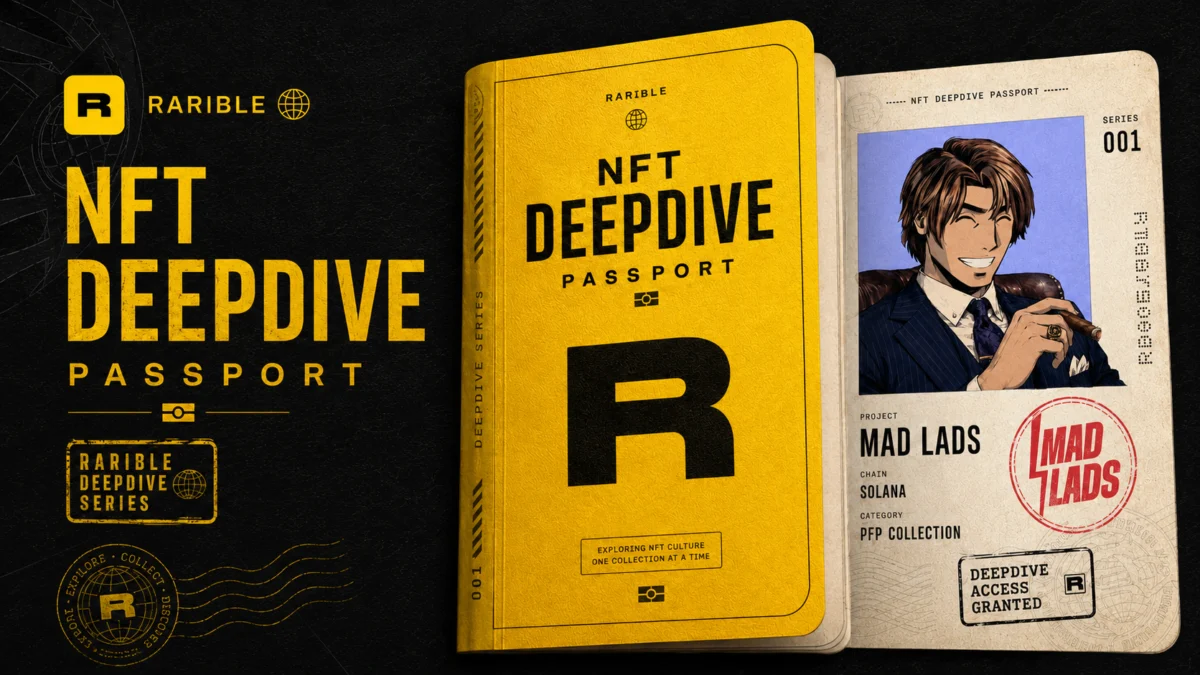
Mad Lads is more than one of the Solana ecosystem’s most recognizable NFT collections; it is a project that arrived at a defining moment of existential uncertainty for the network and grew into a robust cultural layer underpinning the Backpack ecosystem. Launched in April 2023, the collection emerged as a beacon of technical innovation and community resilience, effectively bridging the gap between static digital collectibles and functional, executable software. By integrating with the Backpack wallet—an ambitious suite of financial tools—Mad Lads has transitioned from a standard profile picture (PFP) project into a cornerstone of the Solana brand.
The Genesis of a Cultural Movement
To understand the trajectory of Mad Lads, one must first consider the climate of the Solana ecosystem in early 2023. Following the collapse of FTX, which had deep ties to the network, developer sentiment and public perception were at a nadir. High-profile NFT projects like DeGods and y00ts had signaled their intent to bridge away from Solana, creating a vacuum in the chain’s cultural output.
Into this void stepped the team behind Backpack—led by Armani Ferrante and Tristan Yver—with the launch of Mad Lads. The project was not marketed merely as an art collection, but as an “xNFT” (executable NFT) initiative. This was a paradigm shift: an xNFT allows the asset itself to contain code, enabling holders to interact with decentralized applications directly within the wallet interface. This utility-first philosophy served as a proof-of-concept for the Backpack wallet, demonstrating that Solana was still a hub for high-caliber, innovative development.
The minting process itself became a piece of folklore within the Solana community. Facing an overwhelming influx of bot traffic, the team implemented a sophisticated "honeypot" strategy—a fake mint designed to trap malicious actors. This tactical maneuver successfully diverted over $250,000 worth of SOL from bad actors, which was subsequently refunded to the community, establishing a reputation for the team as both technically astute and community-aligned.
A Chronology of Strategic Evolution
The lifecycle of Mad Lads has been defined by its symbiotic relationship with the broader Backpack product roadmap. Since its inception, the project has evolved through several key milestones:
- April 2023: The launch of the 10,000-piece collection on Solana. The mint price of 6.9 SOL signaled a high-conviction entry point, and the collection quickly established a high floor price due to its association with the Backpack team.
- Late 2023 – Early 2024: The project experienced massive market appreciation, reaching a USD all-time high floor price of approximately $34,459 by March 2024. This period solidified Mad Lads as a blue-chip asset on Solana.
- January – February 2026: Backpack formalized its token distribution, explicitly allocating 1% of the total BP token supply to Mad Lads holders. This decision retroactively validated the community’s role as early-stage investors in the Backpack ecosystem.
- March 2026: The launch of BP token trading on the Solana network, marking the project’s transition from a NFT-centric community to a participant in a broader, tokenized financial ecosystem.
- June 2026: The expansion of Backpack Securities. By introducing tokenized real-world assets (RWAs)—such as the $SPCX tokenized SpaceX equity—Backpack demonstrated a pivot toward institutional-grade financial infrastructure, pulling the Mad Lads brand into the orbit of mainstream finance.
Economic Implications and Asset Performance
As of late June 2026, the Mad Lads collection maintains a floor price of approximately 13.66 SOL, equivalent to roughly $1,012. While this represents a pullback from the record highs of early 2024, the collection has exhibited remarkable durability compared to the broader NFT market, which has seen significant volatility.
The primary economic driver for the collection is no longer its aesthetic value but its "utility-as-a-service" within the Backpack ecosystem. Holders are essentially stakeholders in a financial platform. When Backpack announces the integration of tokenized securities or exchange upgrades, the Mad Lads NFT serves as a digital pass, granting holders access to potential platform rewards and airdrops. This creates a feedback loop: as the Backpack exchange grows in volume and user base, the perceived value of holding a Mad Lads NFT increases, as it functions as a gateway to the platform’s financial products.

The Technological Architecture: Beyond the JPEG
The "xNFT" distinction remains the most significant technical differentiator for Mad Lads. By utilizing the Solana Program Library and the Backpack runtime, the team proved that NFTs could act as containers for executable code. In a practical sense, this means that a Mad Lads NFT can be used to trigger specific features within the Backpack wallet—such as specialized portfolio views, priority access to trading features, or gated entry to ecosystem events.
This architectural choice has protected the collection from the "boredom" that often plagues PFP projects. While other collections have relied solely on social clout to maintain interest, Mad Lads has relied on the engineering output of the Backpack development team. If a user holds a Mad Lads NFT, they are not just owning a piece of art; they are carrying a verified credential within the Backpack software ecosystem.
Strategic Outlook and Future Challenges
Looking toward the future, the primary challenge for the Mad Lads project is the dilution of its unique identity as it merges into the larger Backpack financial machine. As Backpack shifts focus toward becoming a fully licensed financial institution—incorporating securities trading and traditional financial instruments—the "Mad Lad" brand must strike a balance between its edgy, crypto-native origins and its new role as a participant in regulated, mainstream financial markets.
The roadmap suggests that the team intends to lean into this evolution rather than away from it. By tying BP token utility to platform growth metrics—such as regulatory milestones and product expansion—the team is aligning the interests of the NFT holders with the institutional success of the exchange.
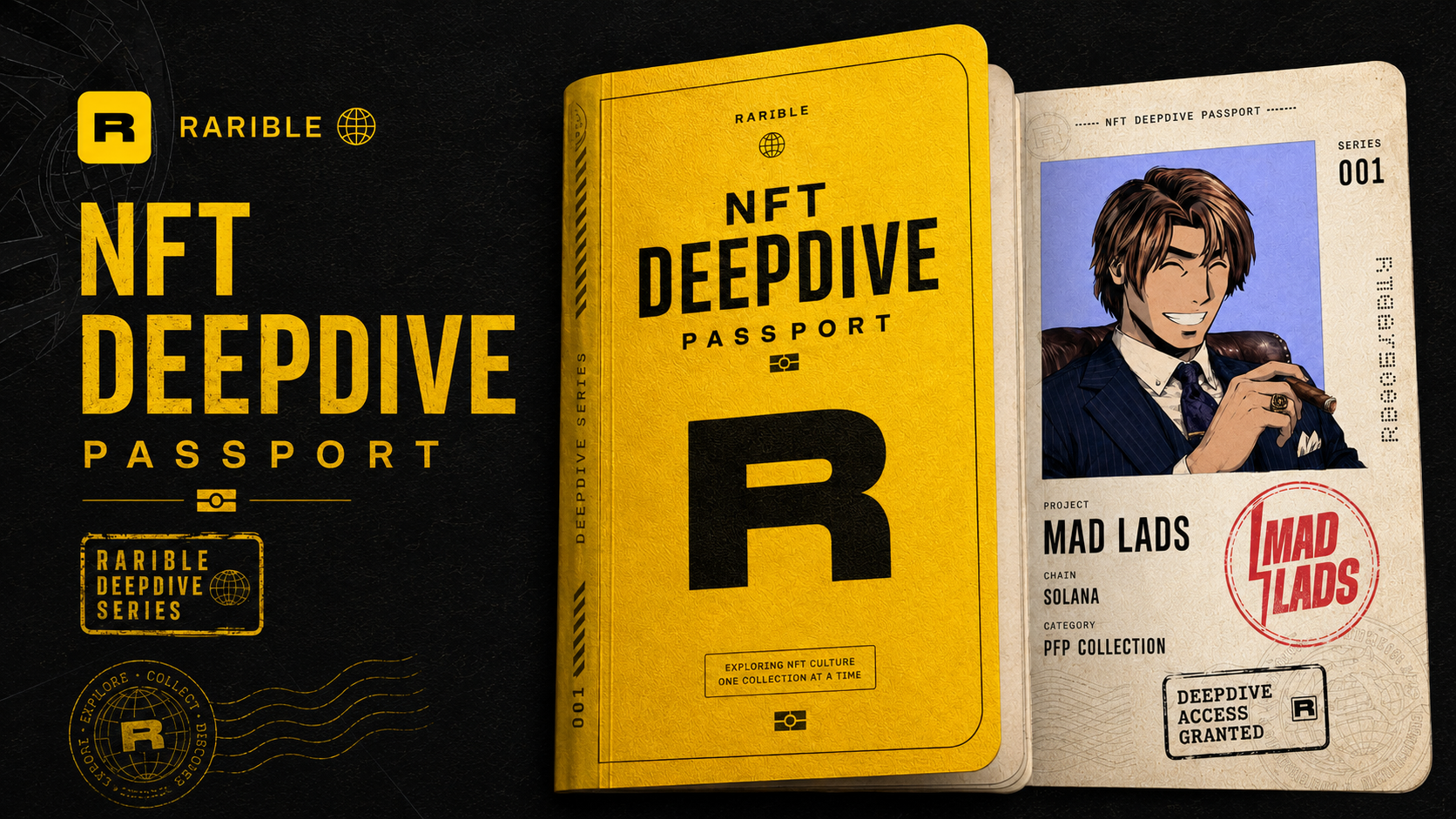
However, this transition introduces a new risk profile. The value of the collection is now tethered to the operational success of Backpack. Should the platform face regulatory headwinds or fail to capture significant market share against established exchanges, the value proposition of the Mad Lads NFT will inevitably decline. Conversely, if Backpack succeeds in becoming a primary venue for trading both crypto and tokenized real-world assets, the holders of Mad Lads will find themselves at the center of one of the most successful financial platforms in the Solana ecosystem.
Conclusion: A Case Study in Ecosystem Integration
Mad Lads stands as a critical case study in how to transition an NFT collection from a speculative asset into an enduring cultural and functional brand. By refusing to operate in a silo and instead choosing to act as the "cultural layer" for a high-performance financial infrastructure, the project has ensured its relevance well past the initial mint hype.
For observers of the Web3 space, the trajectory of Mad Lads illustrates a broader shift: the era of the standalone, community-only NFT is fading. In its place, we are seeing the rise of the "integrated asset"—a digital collectible that serves as a key to a wider, functional product ecosystem. Whether this model will sustain itself as Backpack continues its expansion into traditional finance remains to be seen, but as of mid-2026, the Mad Lads project remains a dominant force in the Solana ecosystem, serving as a testament to the power of technical integration and long-term, product-focused strategy.