In a landmark development for the burgeoning artificial intelligence infrastructure market, Luxor, Architect, and Hyperbolic have successfully executed the first-ever over-the-counter (OTC) option trade linked to GPU rental rates. This transaction, announced on November 17, 2026, marks a significant shift in how the industry manages the volatility inherent in high-performance computing (HPC) resources. By hedging approximately $5 million of future rental revenue for NVIDIA B200 units, the participants have demonstrated that GPU compute is increasingly transitioning from a bespoke technical service into a mature, commoditized asset class capable of sophisticated financial engineering.
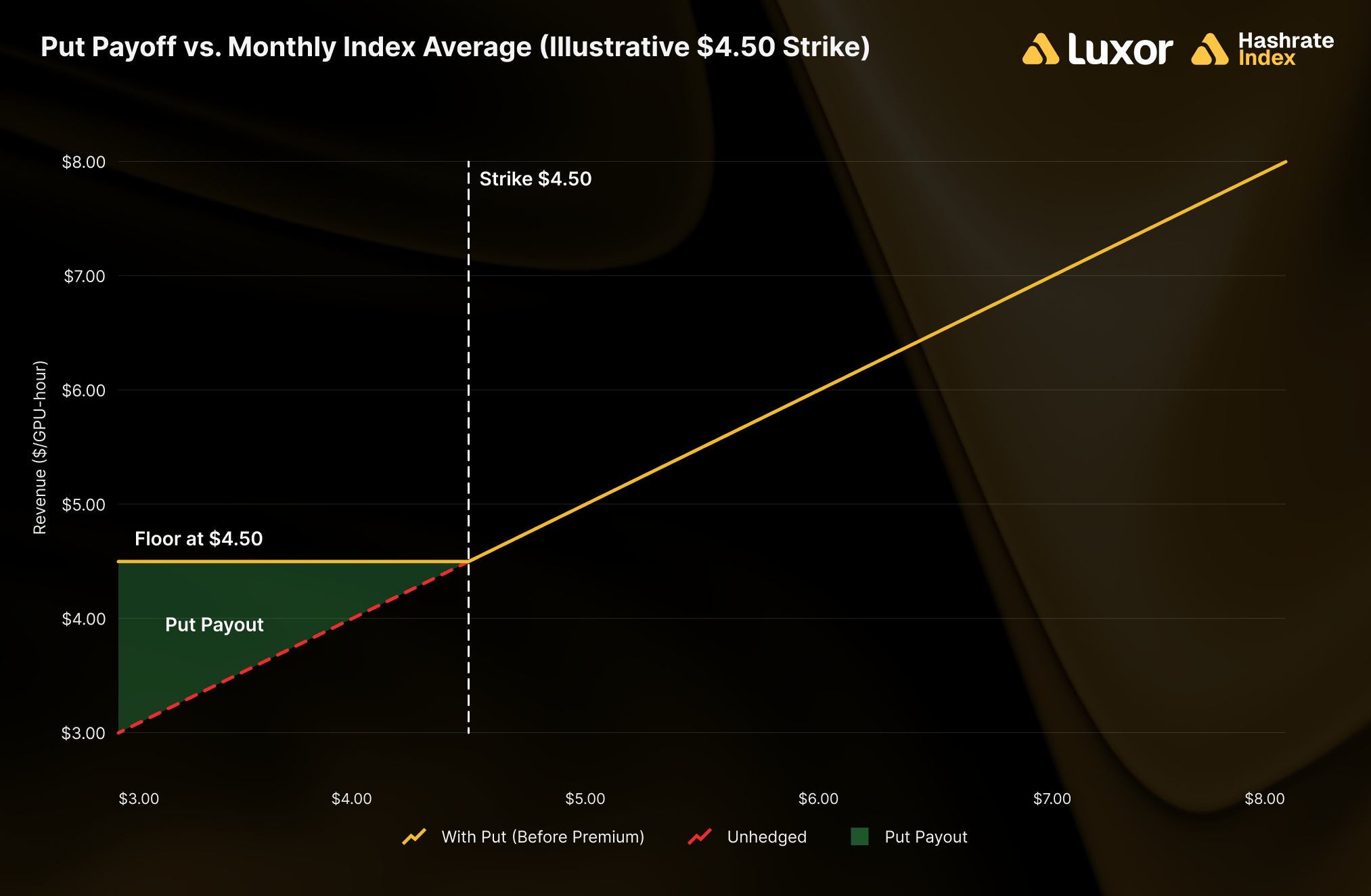
The trade is a one-year, cash-settled, non-deliverable put option. Under the terms of the agreement, no physical hardware changes hands. Instead, the contract functions as a financial safeguard for Hyperbolic, an AI infrastructure platform that provides GPU capacity to the market. The option pays out only if the rental price for NVIDIA B200 hardware falls below a pre-determined strike price, effectively providing a floor for the revenue that Hyperbolic expects to generate from its equipment.

The Mechanics of the Trade
The structure of the deal involved three primary entities. Hyperbolic served as the hedger, seeking to mitigate the downside risk of fluctuating rental prices. Architect, through its CFTC-registered introducing broker affiliate, provided the structural design of the hedge. Luxor, a firm known for its deep roots in cryptocurrency mining derivatives, acted as the swap counterparty, responsible for pricing and executing the transaction.
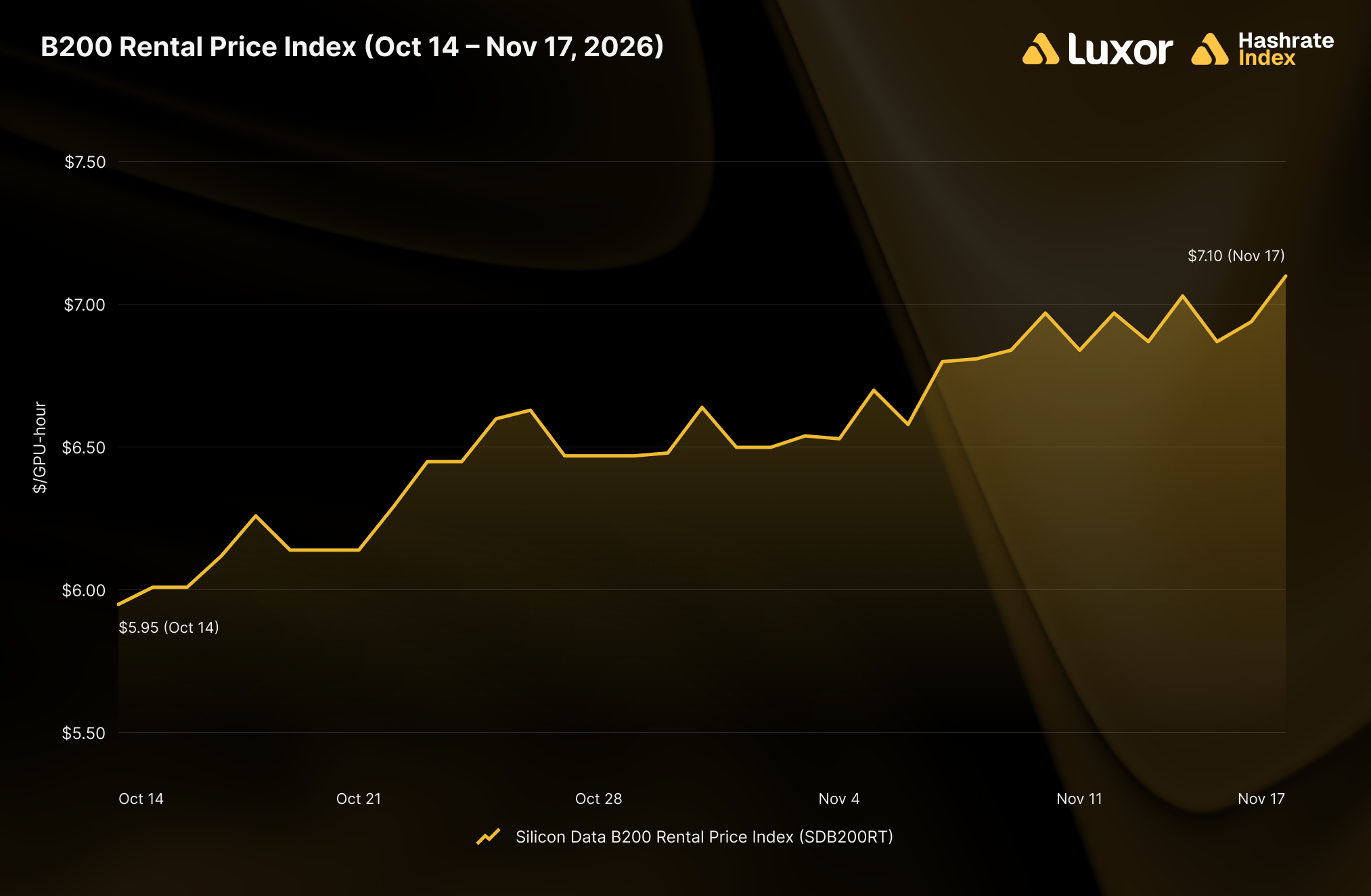
The underlying reference for the contract is the Silicon Data B200 Rental Price Index (SDB200RT). This index provides a daily benchmark for the market rates quoted by various "neocloud" providers for NVIDIA B200 chips, measured in dollars per GPU-hour. Because the contract settles monthly in cash, it allows the operator to align the hedge with their internal cash flow requirements.
Jasper Zhang, co-founder and CEO of Hyperbolic, noted that the move was essential for operational predictability. "With Architect and Luxor, we turned a year of B200 rental revenue into something we can plan around, and that’s what lets compute be run like the commodity it is becoming," Zhang stated.

Market Context: A Surge in GPU Demand
The necessity for such a hedge is underscored by the recent performance of the B200 market. The Silicon Data index, which serves as the benchmark for this trade, has seen significant volatility throughout 2026. Opening the year at $4.40 per GPU-hour, the index witnessed a steady climb, reaching $7.10 by mid-November. This represents a 61% increase year-to-date, with a notable 19% surge occurring within the final five weeks of the reporting period alone.
For an operator, the primary risk is that the market may soften as new supply enters the ecosystem or demand cycles shift. By purchasing a put option, Hyperbolic has secured a guaranteed minimum revenue per hour. If the index settles below the strike price, the seller of the option compensates Hyperbolic for the difference. Conversely, if the market remains robust and prices stay above the strike, the option expires worthless, but Hyperbolic retains the higher market-based revenue, thereby maintaining exposure to the upside.
Financial Engineering in the Compute Sector
This transaction draws clear inspiration from the Bitcoin mining industry, where financial derivatives have been a staple for years. Bitcoin miners, who face extreme revenue volatility due to changes in network difficulty and the price of BTC, have long utilized "hashprice" derivatives to lock in margins. Luxor, leveraging its experience in the mining sector, has essentially ported this model to the AI compute space.
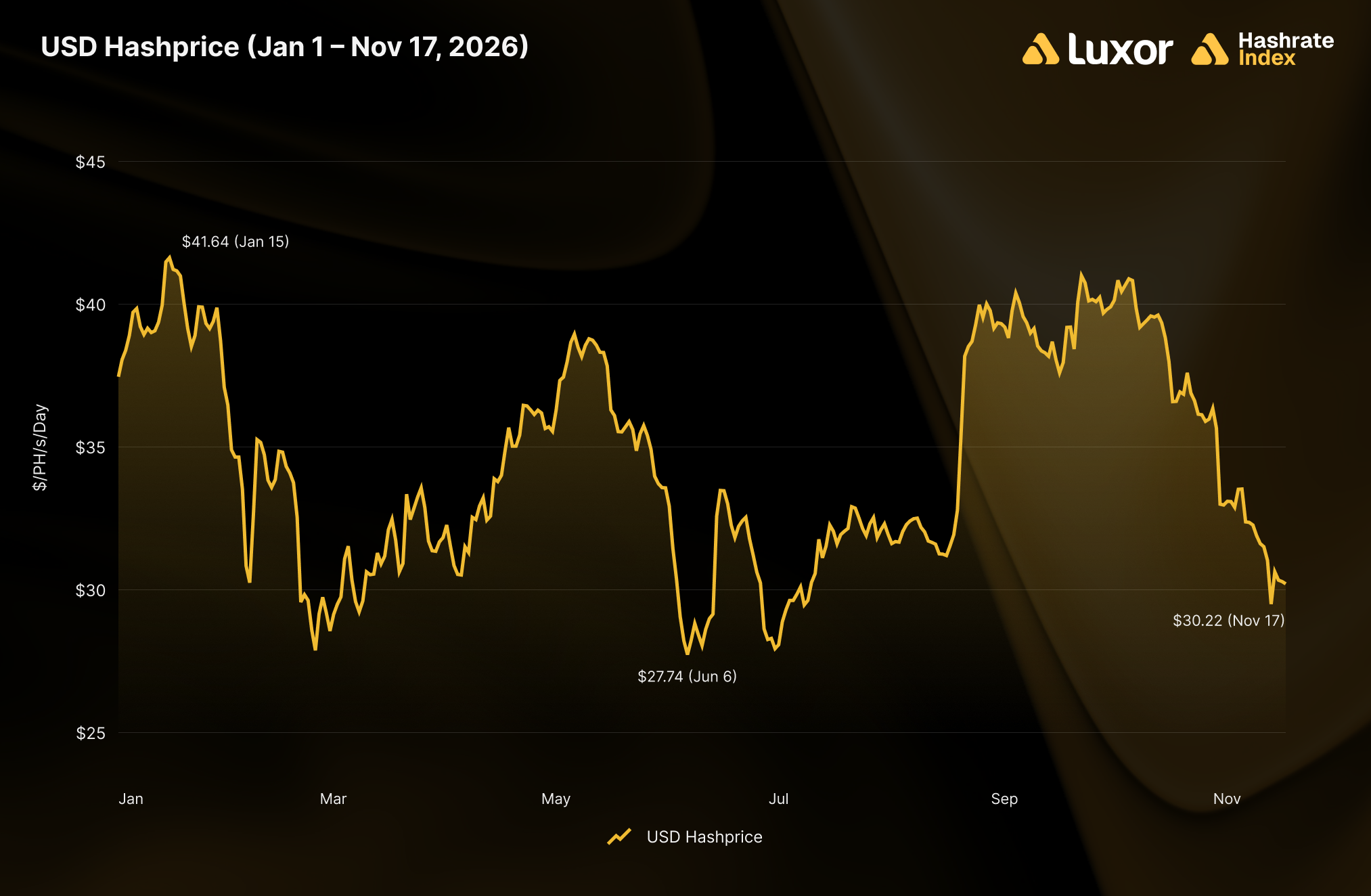
Hashprice—the daily revenue generated by 1 PH/s of computing power—has experienced wild swings in 2026, falling by 33% between January and June before recovering. Miners have responded by trading over $500 million in notional value through derivatives to ensure the survival of their operations. The application of this logic to GPU rentals represents a maturation of the AI infrastructure sector, which is increasingly viewing compute power as a financialized utility.
However, the transition is not without challenges. While the OTC market provides the flexibility for custom, tailormade contracts that match the specific hardware and tenors of an operator, it lacks the liquidity and transparency of exchange-traded products. Efforts are underway to bring compute futures to the public markets, with CME Group currently working through regulatory reviews with the Commodity Futures Trading Commission (CFTC) regarding futures contracts for H100 and B200 indices. These efforts have seen delays, with the review period recently extended into early 2027, highlighting the regulatory complexities of establishing standardized benchmarks for AI hardware.
Institutional Perspectives on Risk
Market participants emphasize that this trade is merely the starting point of a much larger ecosystem. For the market to reach equilibrium, it requires a diverse set of participants, including compute producers looking to hedge revenue and compute consumers—such as AI labs and inference platforms—seeking to hedge against rising costs.
Brett Harrison, founder and CEO of Architect, emphasized the universal nature of this risk: "Every company building on GPUs is exposed to the price of compute, and until now there has been no practical way to manage that risk."
From an institutional standpoint, the primary risk for hedgers remains "basis risk"—the discrepancy between the performance of the general market index and the specific rental prices an individual operator achieves. Furthermore, such contracts introduce counterparty credit risk and liquidity constraints, as these instruments are not as easily offloaded as public equities.
Broader Implications for the AI Economy
The successful execution of this option trade signals a paradigm shift in how AI-focused companies approach capital expenditure. Historically, the high cost of NVIDIA chips and the uncertainty of future rental yields made it difficult for infrastructure providers to secure traditional project financing. By providing a mechanism to floor revenue, firms like Luxor and Architect are lowering the barrier to entry for capital providers who might otherwise be wary of the volatility in the AI hardware market.
As the industry looks toward 2027, the growth of the compute derivatives desk at Luxor and similar initiatives across the financial services sector suggests that "compute-as-a-service" is entering its next phase. We are moving toward a world where compute capacity is not just bought and sold in spot markets, but is integrated into complex portfolio management strategies that involve forwards, options, and collars.
This development is likely to have several cascading effects:
- Capital Allocation: Infrastructure providers will be better positioned to justify large-scale purchases of GPUs by demonstrating that they have hedged their revenue streams, potentially lowering the cost of debt for data center expansion.
- Standardization: The continued reliance on indices like those from Silicon Data will drive the industry toward more standardized reporting and transparency, which is a prerequisite for broader institutional adoption.
- Consumer Stability: For large AI labs, the ability to hedge costs through call options or forward contracts will allow for more accurate budgeting of model training and inference, mitigating the risk of sudden spikes in infrastructure pricing that could derail project timelines.
Conclusion
The collaboration between Luxor, Architect, and Hyperbolic serves as a blueprint for the future of AI infrastructure. While the trade is limited in scope and represents a single data point in a nascent market, its significance cannot be overstated. By successfully applying the principles of commodity derivatives to GPU compute, the industry is providing the necessary financial infrastructure to support the next decade of AI growth. As these tools become more accessible and liquid, the "compute-as-a-commodity" thesis will continue to gain traction, ultimately fostering a more resilient and efficient ecosystem for AI developers and infrastructure providers alike. The upcoming year, with the potential introduction of exchange-listed futures, will likely determine the speed at which this sector evolves from a niche specialty into a cornerstone of global financial markets.