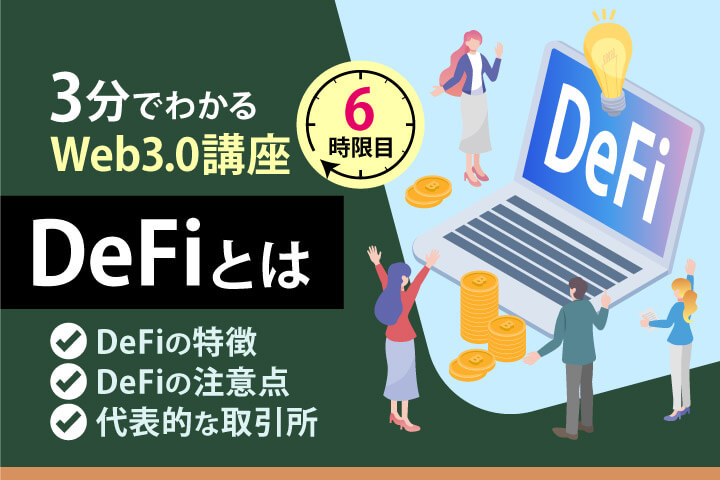
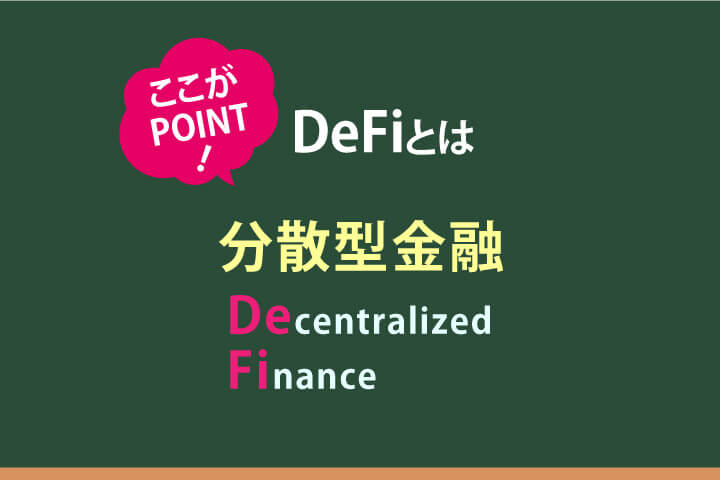
Decentralized Finance, commonly referred to as DeFi, represents a paradigm shift in the global financial architecture by leveraging blockchain technology to remove intermediaries from traditional banking processes. At its core, DeFi utilizes smart contracts—self-executing agreements with the terms of the contract directly written into code—to facilitate lending, borrowing, trading, and earning interest without the need for centralized institutions like banks or brokerage firms. This evolution is a cornerstone of the broader Web3 movement, which seeks to create a more transparent, permissionless, and accessible financial ecosystem for users worldwide.
The Evolution of Financial Systems: From CeFi to DeFi
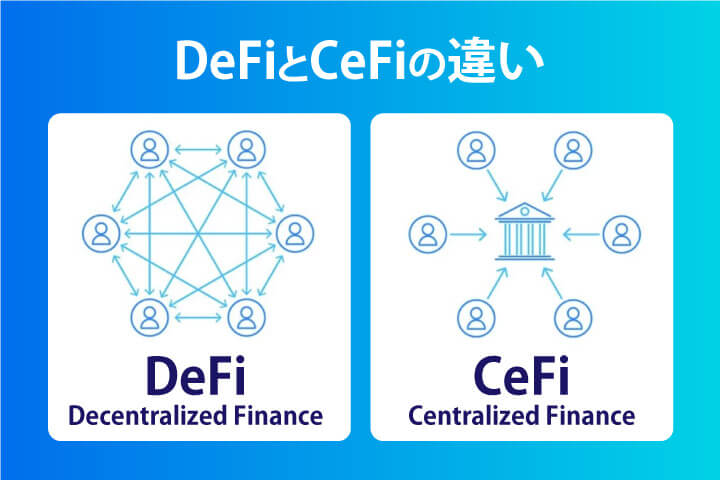
To understand the significance of DeFi, one must first recognize the structure of CeFi (Centralized Finance). Traditional financial systems rely on institutional intermediaries—such as commercial banks, investment firms, and payment processors—to act as trusted third parties. These entities manage ledger records, verify identities, and facilitate the movement of capital. While these institutions provide stability and regulatory oversight, they also introduce systemic risks, including single points of failure, censorship, high transaction costs, and geographical restrictions that exclude significant portions of the global population.
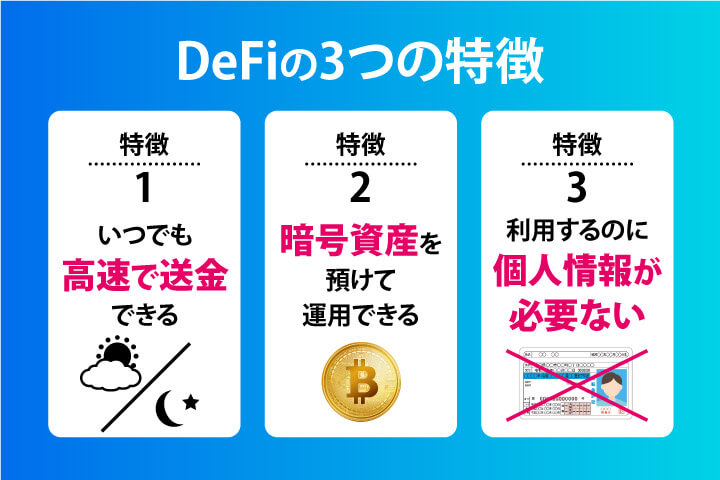
DeFi addresses these limitations by shifting the power dynamics from institutions to code. In a DeFi environment, an individual interacts directly with a protocol. Because these protocols operate on public blockchains like Ethereum, the transactions are transparent, immutable, and borderless. By removing the middleman, DeFi protocols can offer services 24/7, 365 days a year, without the typical delays associated with banking holidays or manual processing.

The Mechanics of Decentralized Finance
The architecture of DeFi is built upon three fundamental pillars: transparency, interoperability, and automation. Transparency is achieved through the use of open-source code; any user can audit the smart contract of a DeFi protocol to understand exactly how their funds are being handled. Interoperability, often referred to as "money legos," allows different DeFi protocols to be combined and integrated to create complex financial instruments. Automation is provided by smart contracts, which automatically execute transactions once predetermined conditions are met, eliminating the need for human intervention.
For instance, in a decentralized lending platform, a user might deposit crypto assets as collateral. A smart contract automatically calculates the loan-to-value ratio and issues the loan in a different asset. If the value of the collateral drops below a specific threshold, the smart contract triggers a liquidation process to protect the liquidity pool. This entire lifecycle occurs without a loan officer, credit check, or application approval process.
Comparative Analysis: DeFi vs. CeFi
The primary distinction between the two systems lies in the locus of control and the mechanism of trust. In CeFi, the user trusts the bank to maintain the integrity of their account balance. In DeFi, the user trusts the code. While the "code is law" philosophy offers efficiency, it also places the burden of security on the user. Smart contract bugs or vulnerabilities can lead to significant financial losses, as there is no central authority to reverse unauthorized transactions or provide consumer protection.
Furthermore, the barrier to entry in DeFi is significantly lower than in traditional finance. A user with an internet connection and a digital wallet can access sophisticated financial tools that were previously reserved for institutional investors. This democratization of finance is a major driver of the rapid adoption seen in decentralized ecosystems over the past several years.
Key DeFi Protocols and Market Dynamics
The DeFi market is dominated by several key categories of protocols, with Decentralized Exchanges (DEXs) leading the charge. Unlike centralized exchanges like Binance or Coinbase, which operate order books and manage user funds, a DEX facilitates peer-to-peer trading directly from users’ wallets.
- Uniswap: As a pioneer in the automated market maker (AMM) model, Uniswap allows users to swap tokens without an order book, relying instead on liquidity pools where users provide assets in exchange for trading fees.
- Curve Finance: Specialized in stablecoin trading, Curve offers low slippage and high efficiency for assets that are pegged to the same value, making it a critical infrastructure for the DeFi ecosystem.
- PancakeSwap: Operating primarily on the BNB Chain, PancakeSwap provides a user-friendly interface with lower transaction fees compared to Ethereum-based protocols, making it a gateway for many retail participants.
One of the most important metrics used to evaluate the health and adoption of a DeFi protocol is Total Value Locked (TVL). TVL represents the total dollar value of all assets currently deposited in a protocol’s smart contracts. A high TVL indicates that users have high confidence in the security and utility of the protocol. When a protocol experiences a sudden drop in TVL, it often serves as a warning sign of potential security risks or a loss of market interest.

Risks and Challenges in the DeFi Ecosystem
Despite its potential, DeFi is not without significant risks. The decentralized nature of the ecosystem means that there is no "undo" button for mistakes. If a user sends funds to the wrong address or interacts with a malicious smart contract, those assets are often unrecoverable.
Systemic risks also exist. Because many DeFi protocols are interconnected, a failure in one protocol can lead to a contagion effect, impacting the stability of others. For example, if a major lending platform becomes insolvent, the price of the assets used as collateral might crash, triggering liquidations across the entire ecosystem. This "flash crash" scenario is a constant concern for developers and risk managers.
Furthermore, the regulatory landscape remains a significant hurdle. Governments worldwide are currently grappling with how to classify and regulate DeFi. While some jurisdictions are moving toward strict compliance requirements that could undermine the "decentralized" nature of these platforms, others are exploring how to integrate blockchain technology into existing financial frameworks. The tension between regulatory oversight and the permissionless ethos of DeFi will likely define the sector’s growth in the coming decade.
The Role of Governance and Future Implications
Most successful DeFi protocols are managed through Decentralized Autonomous Organizations (DAOs). In a DAO, token holders have the right to vote on protocol upgrades, fee structures, and the allocation of treasury funds. This structure ensures that the protocol evolves based on the collective decision-making of its community rather than the whims of a corporate board.

Looking ahead, the integration of DeFi with GameFi and real-world assets (RWA) is expected to accelerate adoption. GameFi, which combines gaming with decentralized finance, creates new economies where players can earn and trade in-game assets with real-world value. Simultaneously, the tokenization of real-world assets—such as real estate, bonds, and commodities—on the blockchain could bridge the gap between traditional finance and the decentralized world, potentially unlocking trillions of dollars in liquidity.
Conclusion: Navigating the New Financial Frontier
DeFi is a nascent but rapidly maturing industry. It offers a glimpse into a future where financial services are global, transparent, and inclusive. However, for the ecosystem to achieve mainstream adoption, it must overcome challenges related to security, user experience, and regulatory compliance.
Participants in this space are advised to practice rigorous due diligence. Understanding the risks—ranging from smart contract vulnerabilities to market volatility—is essential for anyone engaging with decentralized protocols. As the technology continues to iterate, the line between traditional banking and decentralized finance may blur, leading to a hybrid financial system that leverages the best of both worlds: the security and trust of established institutions, and the efficiency and transparency of blockchain-based innovation.
For investors, developers, and regulators alike, the trajectory of DeFi serves as a critical indicator of the digital economy’s evolution. Whether this movement will fully displace traditional banking or force it to adapt and integrate remains to be seen, but the shift toward a more programmable, automated, and decentralized financial future is already well underway. The ongoing development of layer-2 scaling solutions and improved cross-chain interoperability suggests that the next phase of DeFi will focus on performance and accessibility, ensuring that the benefits of this financial revolution are available to a wider audience than ever before.