The Sandbox Continues to Expand Its

Virtual Real Estate Footprint Through Strategic Partnerships and Global Intellectual Property Collaborations
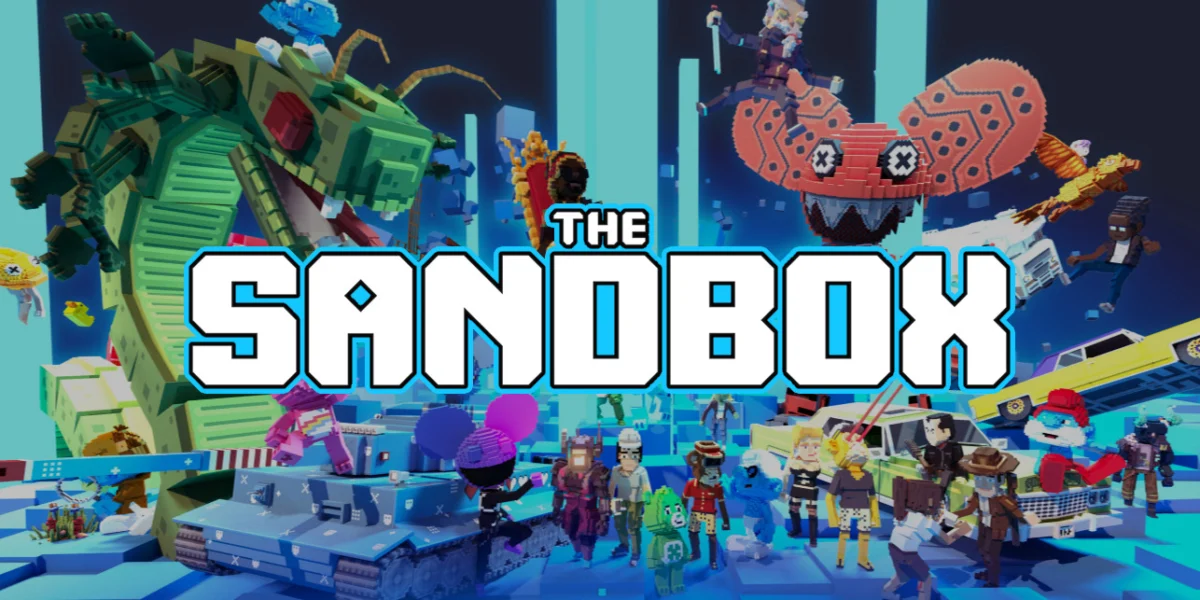
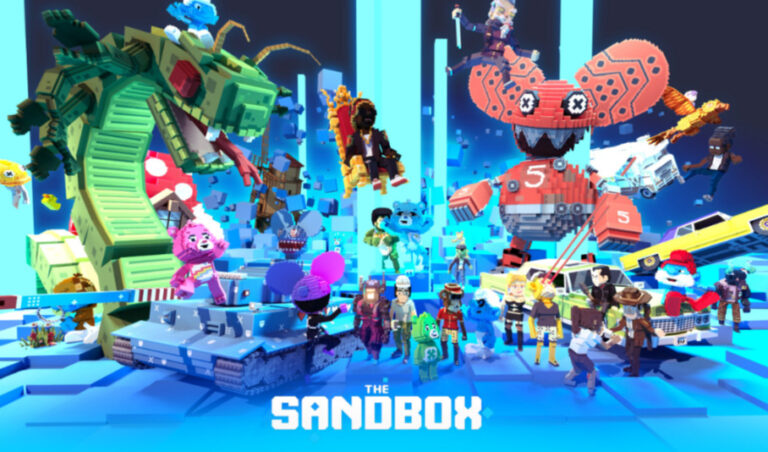
The landscape of virtual worlds and decentralized gaming has experienced a profound structural shift over the past several years, largely driven by platforms pioneering user-generated content and digital ownership. Among these, The Sandbox has solidified its position as a leading metaverse ecosystem, successfully bridging the gap between traditional entertainment giants and blockchain-based digital assets. By integrating globally recognized intellectual properties (IPs), expanding its land sales, and refining its native utility token, the platform continues to shape the trajectory of Web3 gaming and virtual real estate development.
Background and Ecosystem Architecture of The Sandbox
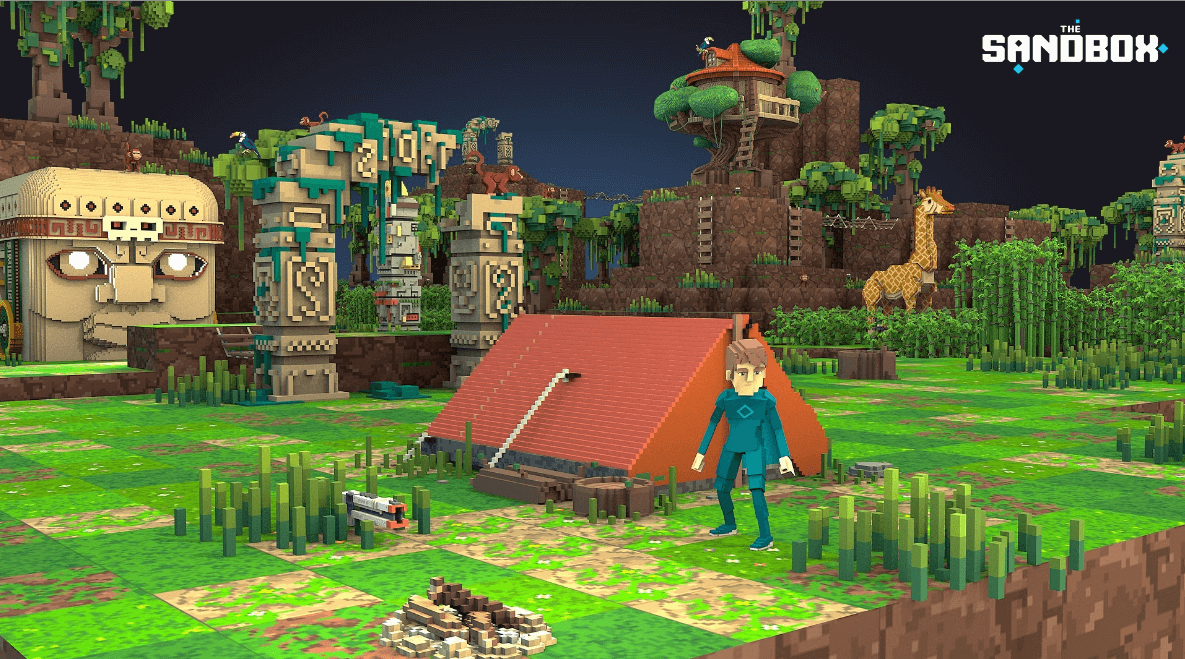
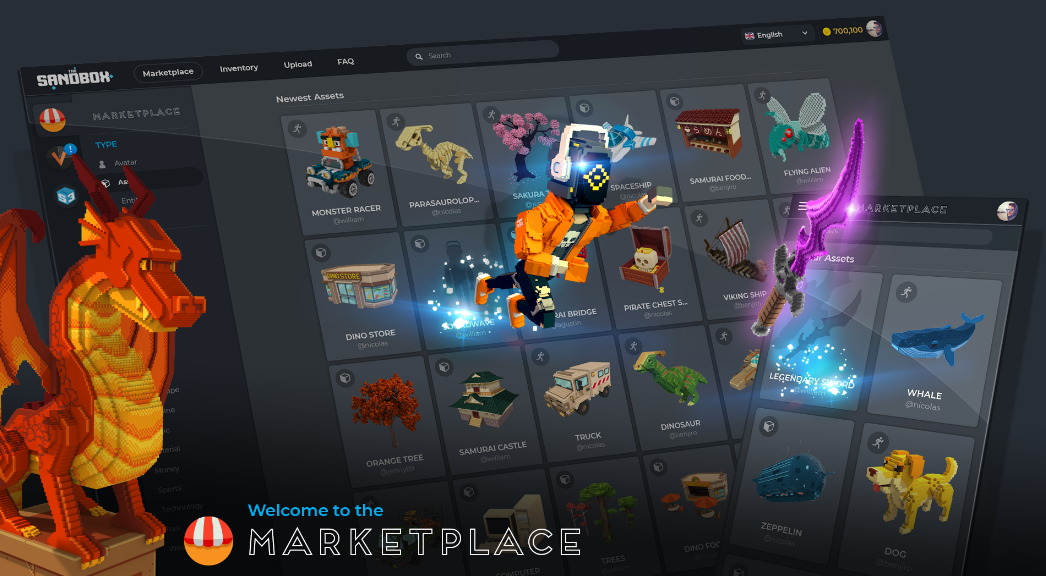
Originally launched as a mobile game before pivoting into a decentralized 3D metaverse, The Sandbox operates on a unique model that empowers players, creators, and brands to build, own, and monetize their gaming experiences on the Ethereum blockchain. The ecosystem is built upon three foundational pillars: VoxEdit, a 3D voxel modeling and animation package; the Game Maker, a tool enabling users to script, populate, and publish interactive gameplay without coding experience; and the Marketplace, where creators can trade their digital creations using non-fungible tokens (NFTs).
Virtual land within the metaverse is designated as LAND, a scarce digital real estate asset represented by ERC-721 tokens. Players purchase LAND to build interactive experiences, host virtual events, and monetize games. Since its inception, the platform has conducted numerous land sales, gradually distributing ownership to a decentralized community of players, investors, and international brands.
Strategic IP Integrations and Brand Partnerships
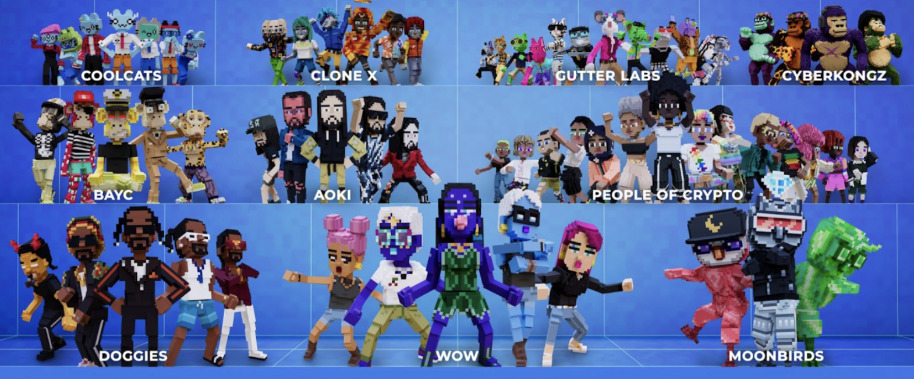
One of the defining growth catalysts for The Sandbox has been its aggressive acquisition of high-profile global intellectual properties. Rather than relying solely on organic user growth, the platform has partnered with major celebrities, sports franchises, lifestyle brands, and entertainment icons to construct themed virtual neighborhoods.
Collaborations span multiple industries, including music icons, film studios, fashion houses, and professional sports organizations. For instance, partnerships with Formula 1 representatives, major gaming institutions, and renowned artists have brought branded experiences directly into the virtual space. These integrations allow fans to interact with their favorite franchises in novel ways, driving user acquisition and increasing engagement metrics across the platform.
Leadership Vision and the Path to Decentralization
The strategic direction of The Sandbox is heavily shaped by its executive leadership, including Co-Founder Sebastien Borget, who has consistently championed the adoption of decentralized autonomous organization (DAO) governance. Leadership has outlined ambitious roadmaps focusing on transitioning the platform into a fully decentralized virtual world where community stakeholders hold voting power over ecosystem funds, parameter updates, and feature developments.
As the platform matures, executive commentary has emphasized moving beyond simple speculation toward utility-driven engagement. By incentivizing creators through grants, creator funds, and monetization tools, leadership aims to foster a self-sustaining digital economy where high-quality content generation directly correlates with token velocity and platform retention.
Economic Model of the SAND Token
At the core of the ecosystem lies SAND, the native utility token governing transactions and interactions within The Sandbox. SAND serves multiple functions, including facilitating the purchase and sale of LAND, enabling governance participation, and rewarding active creators and players.
The tokenomics of SAND are structured to encourage long-term holding and platform loyalty. As more brands establish virtual headquarters and more users participate in play-to-earn and create-to-earn mechanics, the demand for SAND experiences a natural correlation with platform adoption. Major cryptocurrency exchanges, including Coincheck and Bybit, have integrated SAND into their trading pairs, providing liquidity and global accessibility for retail and institutional participants alike.
Broader Market Implications and Future Outlook
The evolution of The Sandbox reflects broader trends within the digital asset economy, highlighting the growing intersection between virtual reality, digital identity, and intellectual property monetization. While the metaverse sector has faced macroeconomic headwinds and fluctuating market sentiment, platforms with robust institutional backing and active developer communities continue to capture market share.
The integration of advanced creation tools, combined with rigorous compliance and security measures, points toward a maturation phase for blockchain gaming. As regulatory frameworks evolve and user experience standards improve, ecosystems like The Sandbox are well-positioned to transition from speculative novelties into permanent fixtures of the digital entertainment landscape. Future developments will likely focus on cross-chain interoperability, enhanced graphical fidelity, and deeper integration with augmented and virtual reality hardware, ultimately defining the next generation of online interaction.