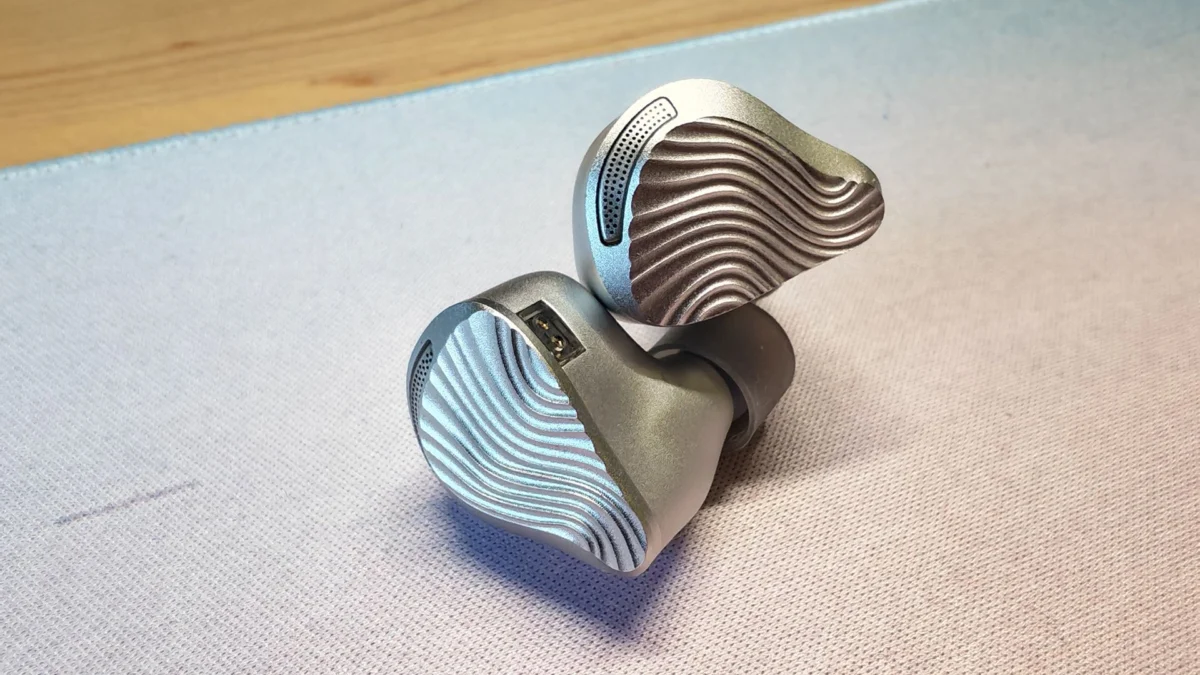
The portable audio market continues to expand at a relentless pace, with industry observers noting that the "Chi-fi" sector alone introduces upwards of two hundred in-ear monitor (IEM) models annually. Amid this dense landscape of audio hardware releases, distinguishing consumer-grade novelties from high-fidelity engineering requires rigorous evaluation. Entering the market in October 2026 at a retail price of $259, the ZiiGaat Seraphim IEMs arrive as a notable mid-tier contender. Combining a sophisticated hybrid driver architecture with striking CNC-machined aluminum aesthetics, the Seraphim targets audiophiles, electronic music enthusiasts, and gamers seeking flagship-tier acoustic performance without a prohibitive financial commitment.
Product Specifications and Engineering Architecture
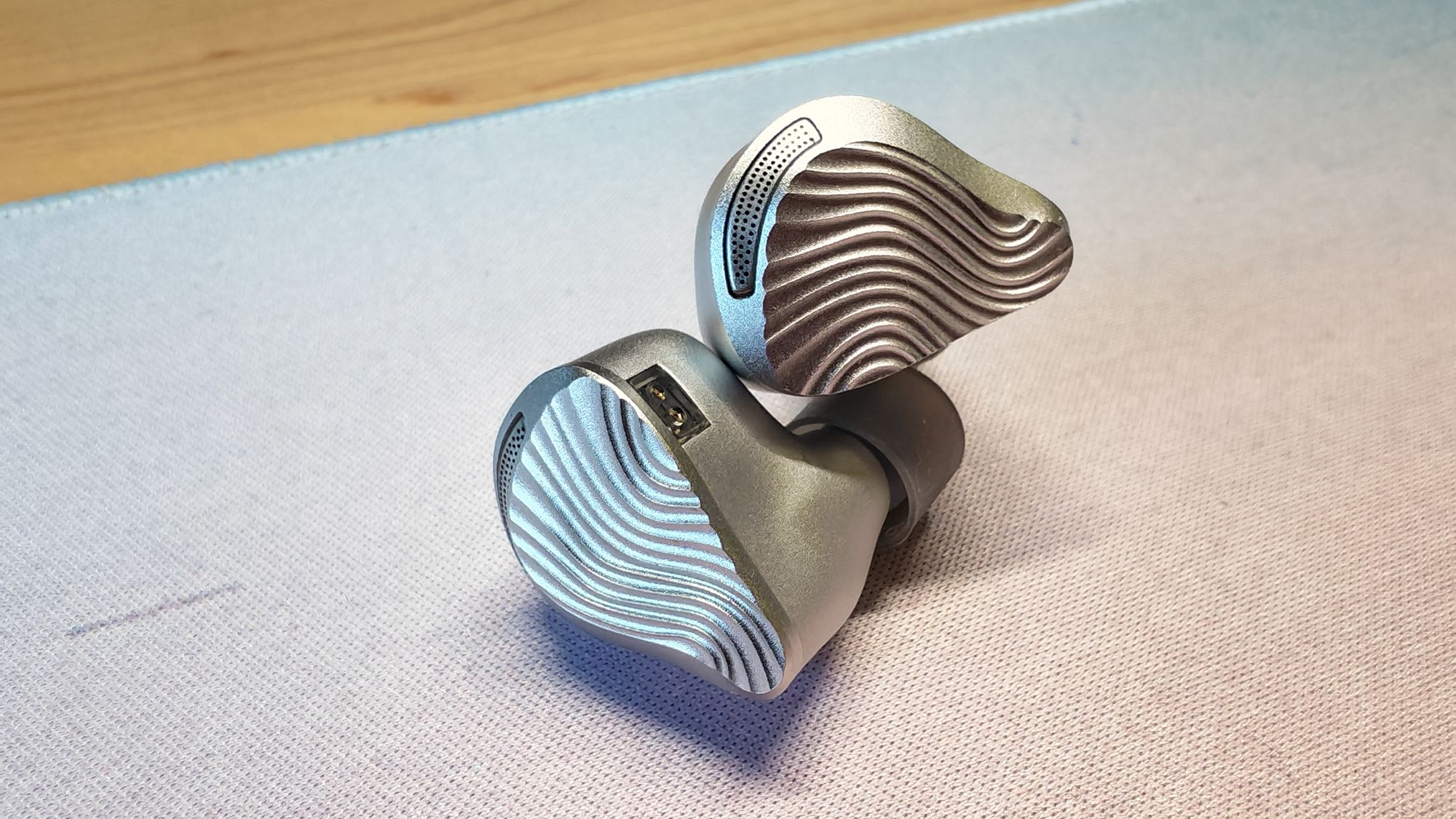
Priced competitively at $259, the ZiiGaat Seraphim utilizes a five-driver hybrid configuration per earpiece, comprising an isobaric dual dynamic driver (DD) setup paired with three Knowles balanced armature (BA) drivers. This hardware layout is housed within CNC-machined aluminum shells, faceplates, and nozzles, contributing to a lightweight physical profile of just five grams per earpiece.
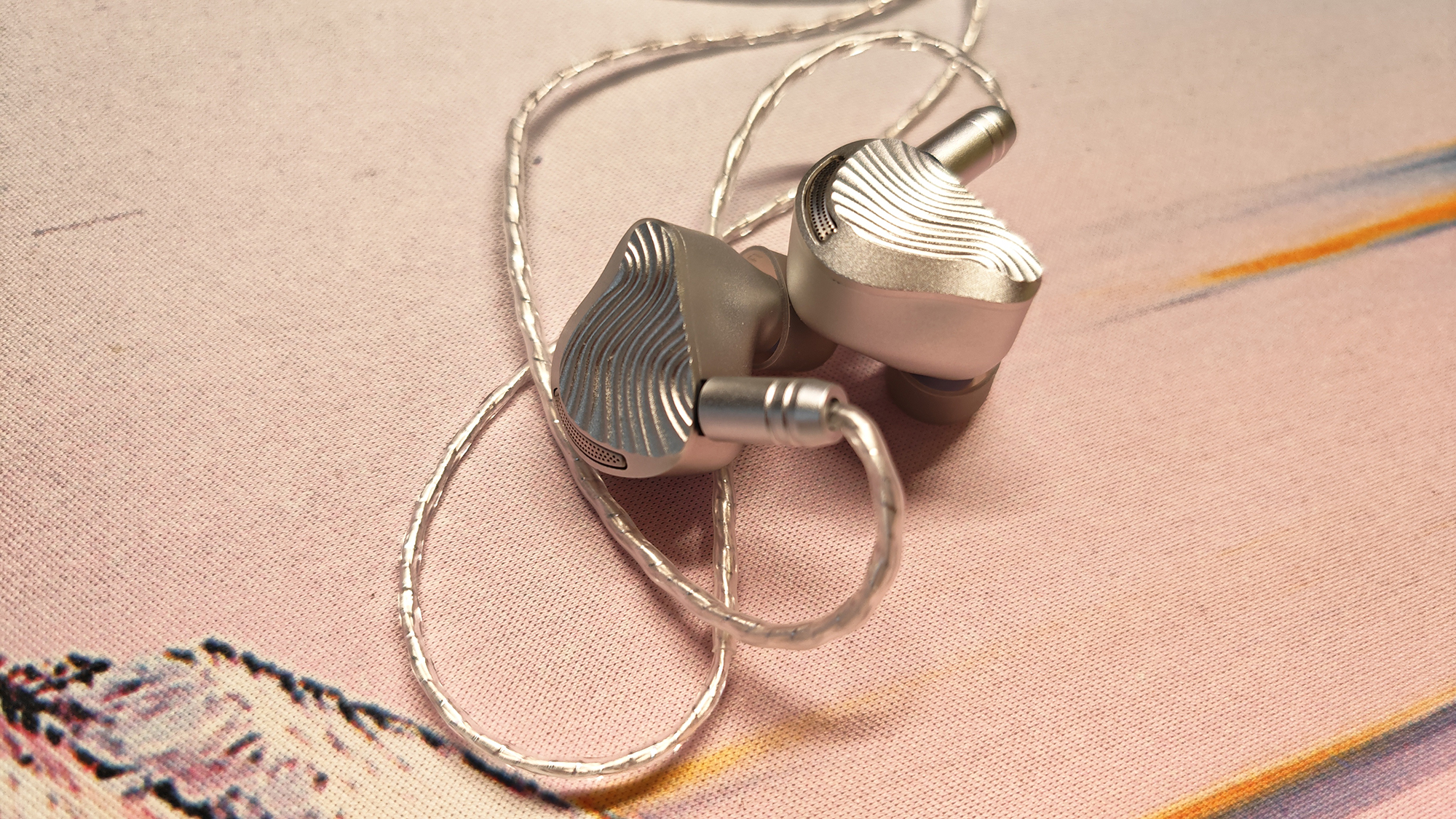
The acoustic system is paired with a 1.2-meter modular cable supporting both 3.5mm single-ended and 4.4mm balanced terminations, offering versatility across various source gear. Technical specifications list an impedance of 9 ohms at 1kHz, alongside a sensitivity rating of 125.5dB/Vrms at 1kHz. Tuned in collaboration with prominent audio reviewer Jay Audio, the Seraphim aims to bridge the gap between high-end analytical precision and engaging, dynamic musicality.
Sound Profile Analysis: Sub-Bass Impact and Treble Resolution
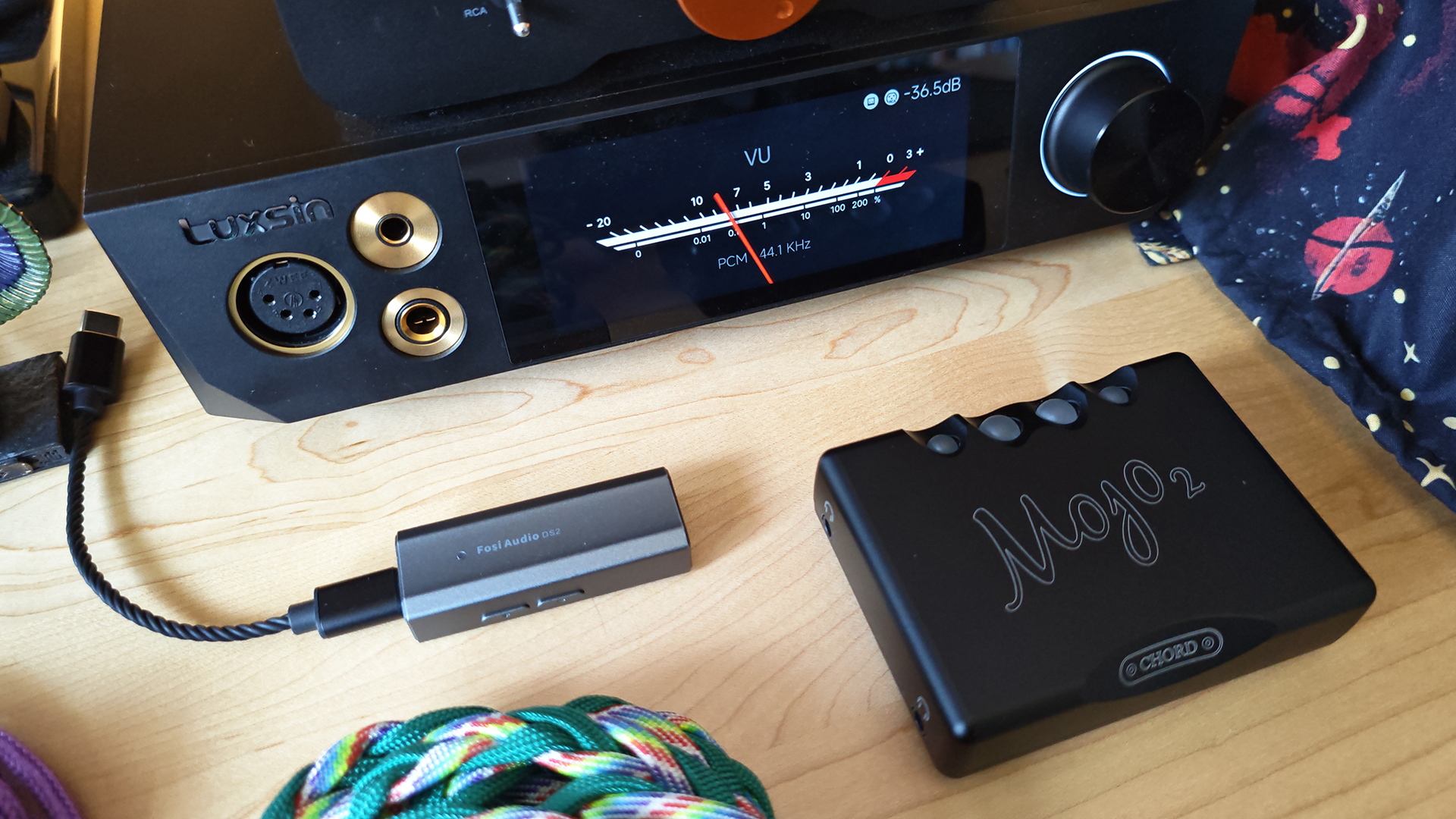
Evaluated across high-fidelity desktop digital-to-analog converters and amplifiers—including the Luxsin X8 and Chord Mojo 2—using lossless streaming sources and compact discs, the ZiiGaat Seraphim demonstrates a distinctly dynamic, high-contrast sound signature.
The low-frequency reproduction is anchored by the isobaric dual dynamic driver configuration, delivering substantial sub-bass extension that provides significant physical impact. Rather than bleeding into the lower register, the mid-bass is tightly controlled to prioritize texture and separation, ensuring that complex basslines and electronic synthesizers remain distinct.
In the midrange frequencies, the Knowles balanced armature drivers produce a clean, analytical profile that leans slightly toward the upper registers. Higher-register vocals and upper-midrange instruments project forward with notable clarity and instrument separation. However, this tuning choice results in a somewhat lean lower midrange, occasionally reducing the natural body and chest resonance of deeper vocal tracks.
The treble response represents a primary technical highlight of the Seraphim. It offers an extended, highly resolving presentation with sufficient air to highlight micro-details without introducing the listening fatigue commonly associated with brightly tuned IEMs. While tracks heavily mastered with high frequencies can occasionally push the treble into sharper territory, the overall presentation remains smooth and fatigue-free across the vast majority of standard music libraries.
Comparative Market Positioning
Within the $250 to $350 mid-tier segment, the ZiiGaat Seraphim faces stiff competition from established benchmarks that cater to different listening preferences.
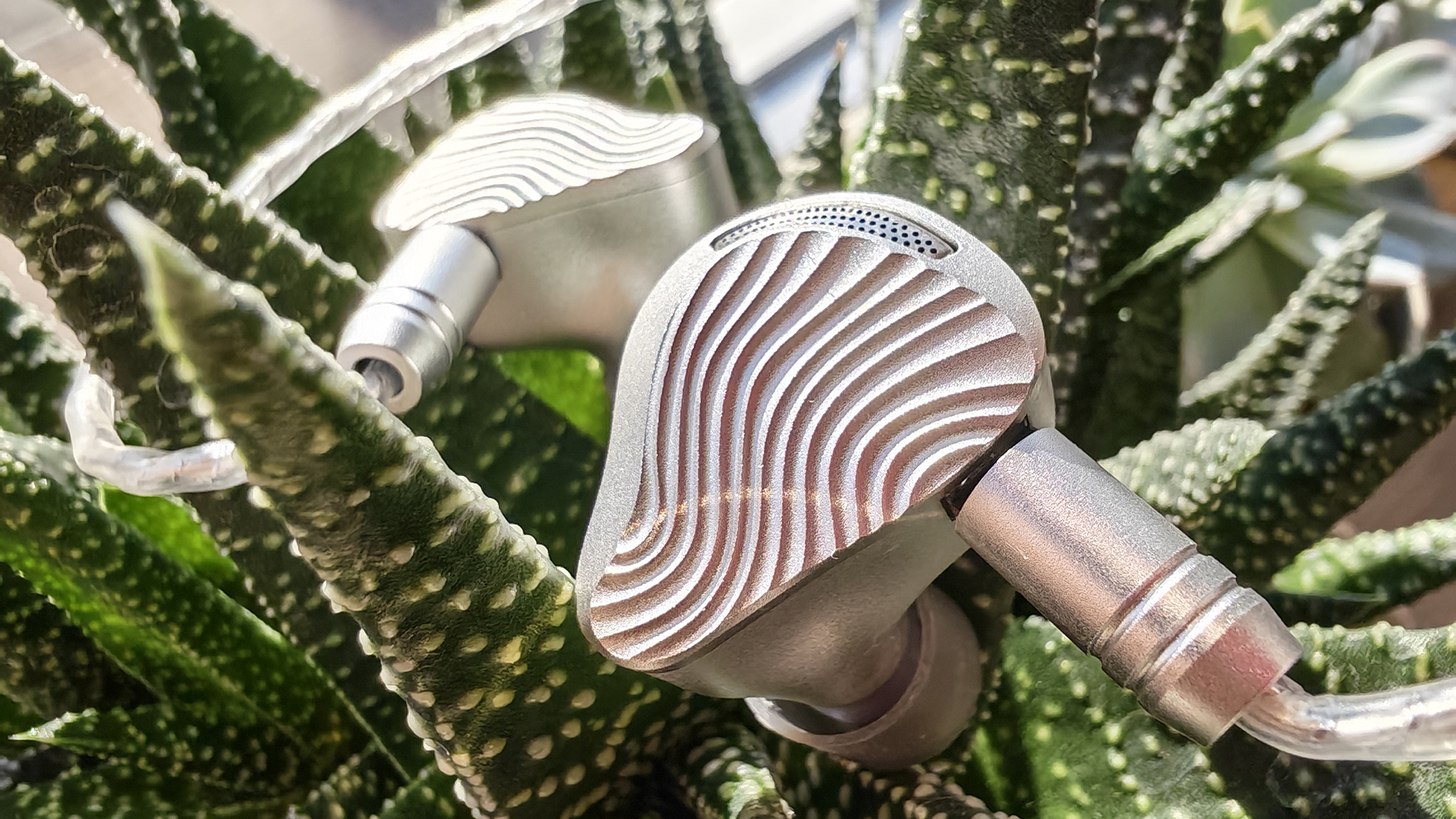
When compared to the CrinEar Reference—a strictly neutral $350 IEM—the Seraphim adopts a markedly different philosophy. While the CrinEar Reference prioritizes tonal neutrality, natural vocal timbre, and a full midrange, the Seraphim opts for a vibrant, V-shaped profile emphasizing sub-bass slam and treble sparkle. Aesthetically, however, the Seraphim’s sleek metallic faceplates and sculpted contours offer a more visually engaging presentation than the minimalist design of the Reference.
Pitted against the Binary EP321, which retails at $310, the comparison becomes closer. The EP321 incorporates advanced driver technology to achieve superior mid-bass texture and a fuller lower-midrange response, granting greater warmth to male vocals. While the Seraphim wins on visceral sub-bass impact, listeners prioritizing natural vocal body often lean toward alternatives like the EP321.
Ergonomics, Build Quality, and Accessories
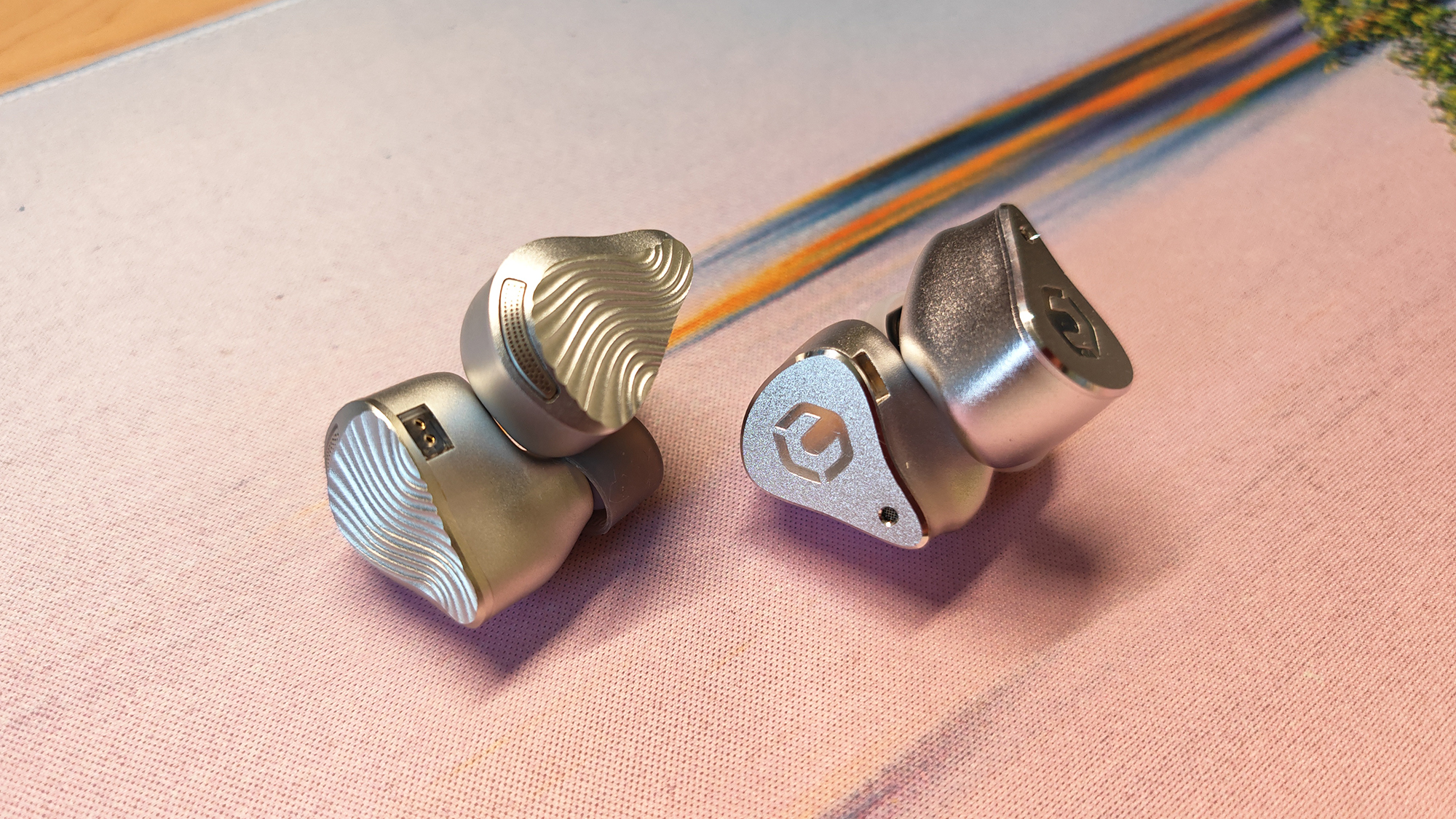
The physical construction of the ZiiGaat Seraphim utilizes robust metal shells designed for durability and daily use. The included modular cable avoids common issues such as microphonics, maintaining a flexible and manageable form factor during movement.
Ergonomically, the robust nozzles result in a relatively shallow insertion depth. Consequently, users may need to experiment with eartip selection—such as utilizing longer, rounded replacement tips—to secure an optimal acoustic seal. Once properly fitted, the mid-sized shells provide reliable comfort suitable for extended listening sessions or daily commutes.
Broader Implications for the Portable Audio Market
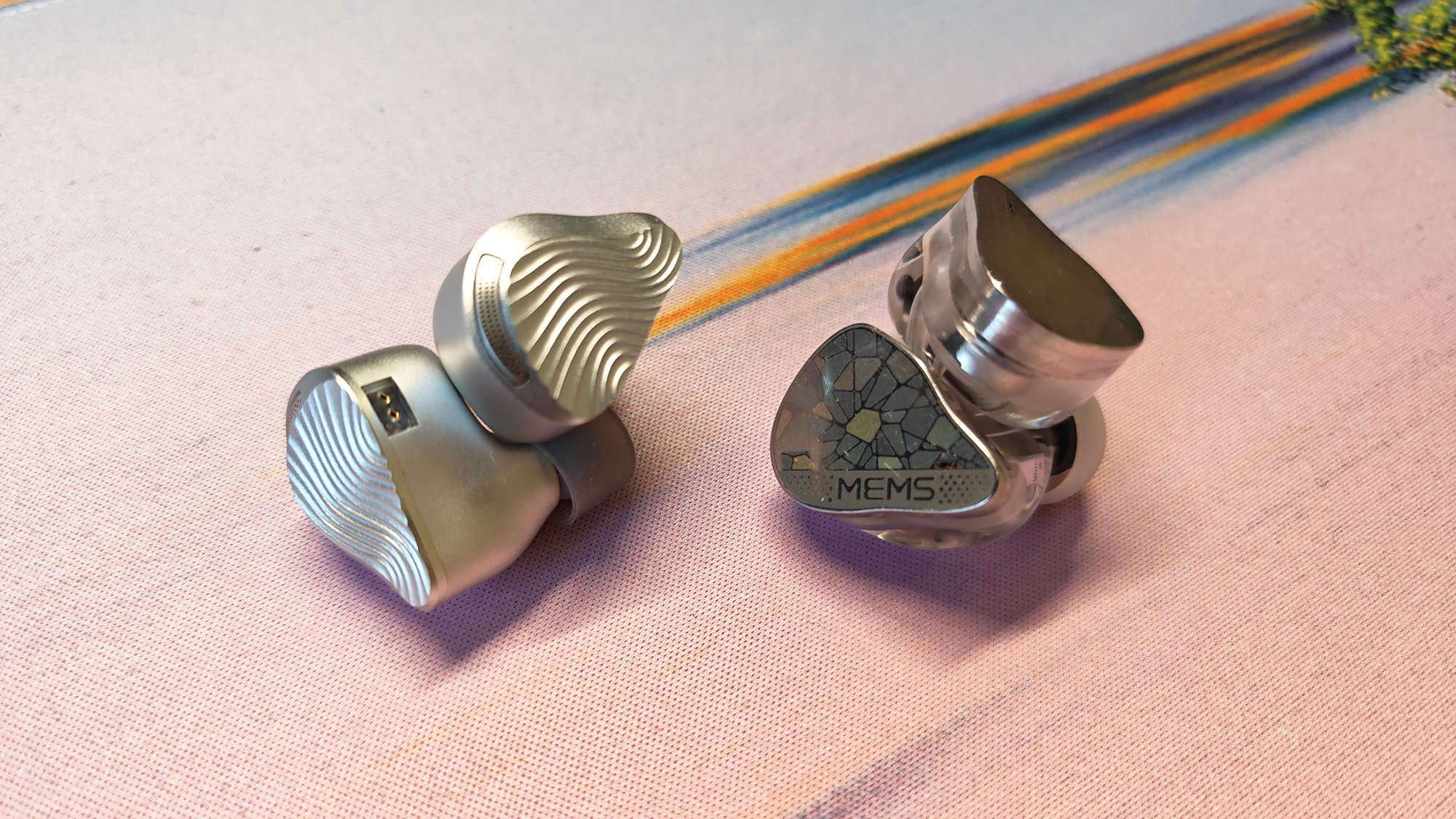
The release of the ZiiGaat Seraphim highlights ongoing design trends within the mid-tier IEM market, where manufacturers increasingly adopt premium materials—such as CNC-machined aluminum and modular cabling—traditionally reserved for flagship tiers exceeding $1,000. By partnering with prominent online audio personalities for acoustic tuning, brands are effectively tailoring products to meet the specific demands of enthusiast communities who favor engaging sub-bass performance and detailed imaging.
Ultimately, the ZiiGaat Seraphim offers a compelling option for consumers prioritizing aesthetic craftsmanship, dynamic bass response, and treble clarity. While its lean lower midrange may deter purists seeking vocal warmth, its technical competence cements its place as a notable release in the 2026 portable audio landscape.