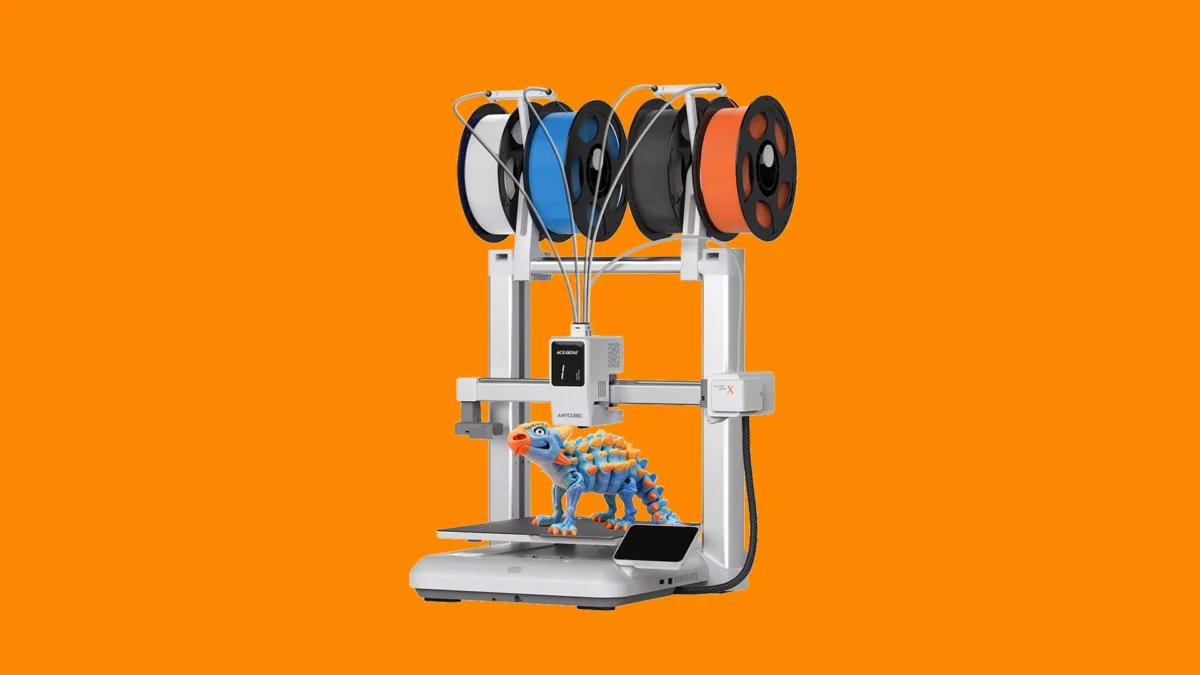
The global consumer 3D printing market has officially entered its peak seasonal discount period, marked by aggressive pricing strategies from major industry manufacturers. Anycubic, a prominent name in desktop manufacturing hardware, has inaugurated its early Black Friday promotional event by slashing the price of its popular mid-range Fused Deposition Modeling (FDM) device, the Kobra X. The company has implemented a $100 price reduction, dropping the retail cost from its standard $399 to an all-time low of $299. This early-bird markdown serves as an indicator of broader competitive trends within the additive manufacturing sector, where firms are increasingly utilizing multi-color capabilities and user-friendly automation to capture market share among both hobbyists and emerging professional creators.
Background Context of the Additive Manufacturing Market
Over the past half-decade, desktop 3D printing has transitioned from a niche hobby dominated by technical enthusiasts to an accessible tool utilized across various creative and engineering disciplines. Historically, entry-level FDM printers were plagued by manual calibration hurdles, single-material limitations, and restricted build volumes, which often resulted in high abandonment rates among newcomers. Furthermore, achieving multi-color outputs traditionally required expensive, third-party hardware modifications or high-end industrial systems.
In response to these market friction points, manufacturers have shifted their engineering focus toward consumer-friendly automation. Features such as automatic bed leveling, integrated artificial intelligence monitoring, and native multi-material handling systems have become standard expectations for modern desktop devices. Anycubic’s Kobra X was developed precisely to address this demand gap, positioning itself as a bridge between ultra-budget beginner machines and advanced, high-cost professional hardware. By introducing aggressive price cuts during the pre-holiday shopping window, Anycubic aims to incentivize fence-sitting consumers who have delayed adoption due to perceived hardware costs and technical complexity.
Evolution of the Kobra X: Chronology and Development
The introduction of the Kobra X reflects Anycubic’s iterative approach to product development within its broader Kobra hardware ecosystem. Earlier iterations of the company’s printers established a foundation in high-speed printing and basic auto-calibration. However, the demand for multi-color output—popularized heavily by rival firms such as Bambu Lab—prompted Anycubic to recalibrate its product roadmap.
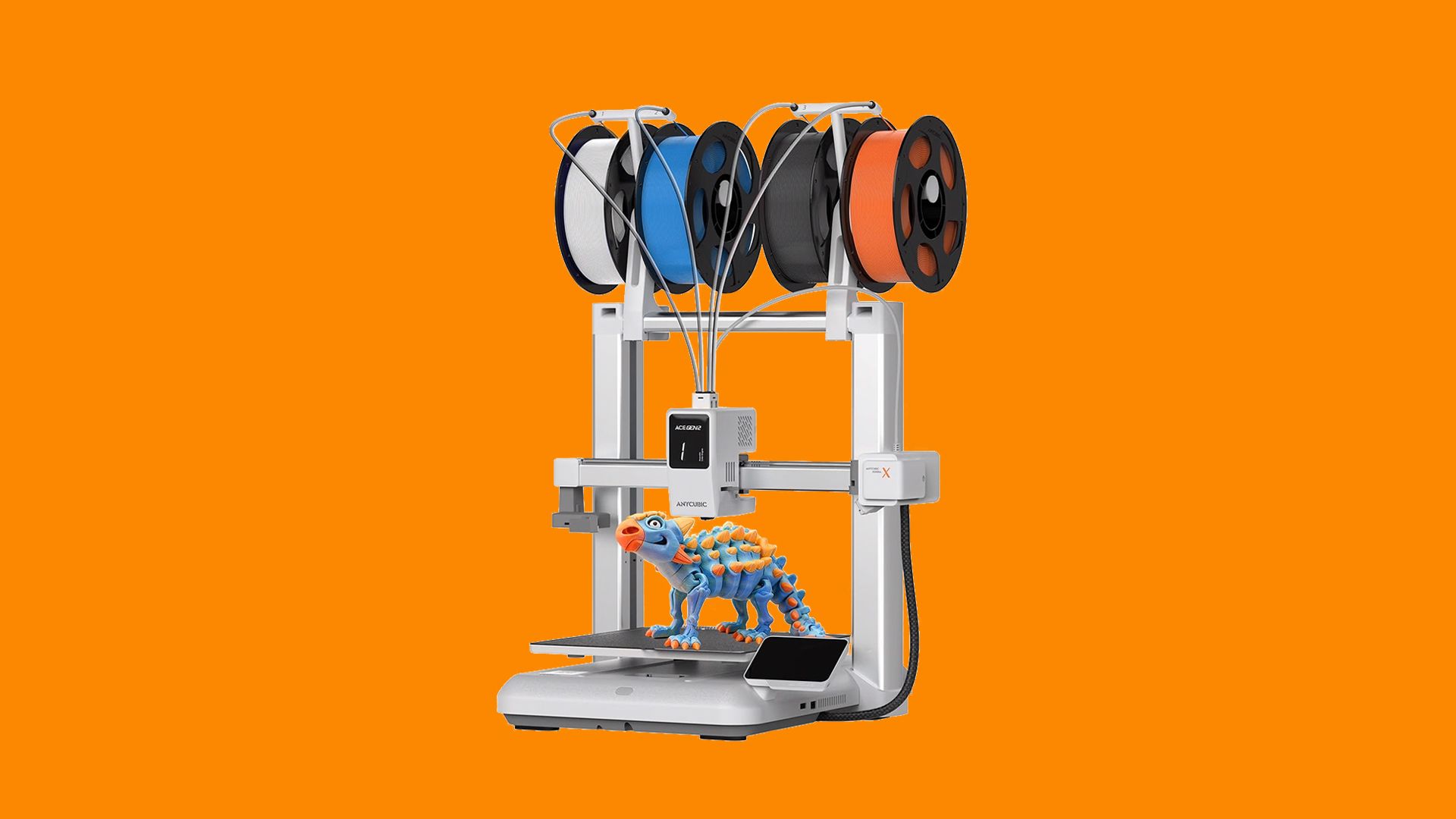
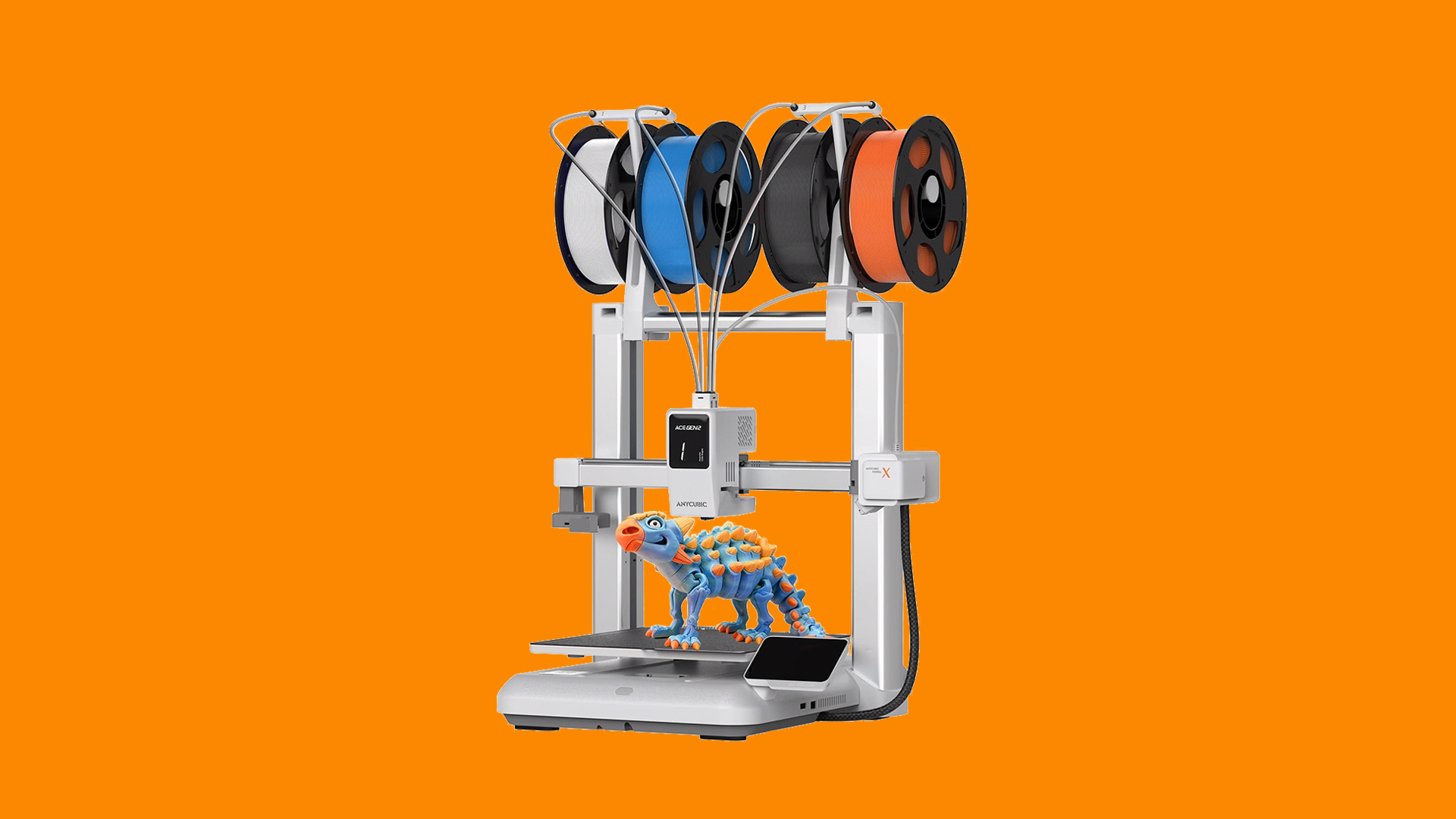
Throughout the conceptualization and release phases of the Kobra X, engineering priorities centered on scalability. While many entry-level devices limit users to a fixed single-spool configuration, the Kobra X was designed with native four-color printing capability, which can be expanded up to 19 distinct materials. This architectural flexibility allows users to experiment with complex, multi-material geometries without encountering the hardware dead-ends typical of traditional beginner printers. The rollout of this promotional price point marks the first major commercial test for the Kobra X in a high-volume retail environment, establishing a baseline valuation for the device heading into the critical fourth-quarter sales period.
Technical Specifications and Value Proposition
Analyzing the hardware merits of the Kobra X reveals why industry analysts view the $299 price point as a strategic inflection point. FDM printers generally fall into two broad consumer categories: resin-based stereolithography (SLA) and filament-based FDM. For the vast majority of consumer applications—including architectural prototyping, cosplay prop creation, and decorative household manufacturing—FDM remains the preferred methodology due to its lower operational costs, reduced safety equipment requirements, and simplified post-processing workflows.
While resin printers retain a distinct advantage in producing microscopic detail—making them ideal for tabletop gaming miniatures and intricate jewelry—they require extensive ventilation, hazardous chemical handling, and meticulous washing and curing steps. The Kobra X bypasses these operational hurdles while offering a substantially larger build volume than standard entry-level FDM competitors.
Key technical integration features of the Kobra X include:
- Automated Bed Leveling: Minimizes manual user intervention and reduces initial setup failure rates.
- AI-Powered Monitoring: Detects print anomalies in real-time, preventing wasted filament and potential hardware damage.
- Companion Application Control: Allows remote monitoring and management of print jobs via smart devices.
- Scalable Multi-Material Support: Ships with native four-color capability, expandable to accommodate up to 19 distinct spools.
Industry Implications and Competitive Landscape
The timing of Anycubic’s price drop is far from coincidental. It directly parallels concurrent discount campaigns launched by competitors, including Bambu Lab’s pre-Black Friday sales events, which feature percentage-based markdowns across their own device portfolios. This intense pricing rivalry indicates that the desktop 3D printing sector is experiencing compressed profit margins as manufacturers fight for consumer loyalty ahead of the year-end holidays.
Market observers note that promotions of this scale carry dual implications for the industry. For consumers, lower price barriers democratize access to advanced manufacturing tools, enabling smaller creative agencies, independent designers, and educational institutions to adopt rapid prototyping workflows at a fraction of historical costs. For manufacturers, however, sustaining these aggressive price points requires high-volume sales velocity and reliable supply chain execution to offset reduced per-unit margins.
Furthermore, the emphasis on future-proofing—exemplified by the Kobra X’s expandable multi-color architecture—signals a shift in consumer purchasing psychology. Buyers are increasingly reluctant to purchase "disposable" entry-level machines that they will inevitably outgrow within twelve months. By offering a mid-range device at an entry-level price, Anycubic is effectively redefining what consumers should expect from a first-time hardware investment.
Broader Impact on Creative Industries
The integration of accessible multi-color 3D printing into independent studios and home workspaces has a cascading effect on various micro-industries. In the realm of independent cosplay and costume design, the ability to print multi-part, multi-color props natively reduces the labor-intensive hand-painting phase that previously constituted the bulk of production time. Similarly, small-scale product designers utilize these mid-range devices to iterate through physical product concepts rapidly, bridging the gap between digital computer-aided design (CAD) models and tangible prototypes without relying on expensive external fabrication services.
As the Black Friday retail window progresses, consumer response to these early promotional discounts will likely dictate hardware pricing strategies well into the following fiscal year. Whether competitors will match Anycubic’s valuation or introduce even deeper hardware bundles remains to be seen. What is clear, however, is that the barrier to entry for advanced, multi-material desktop manufacturing has never been lower.