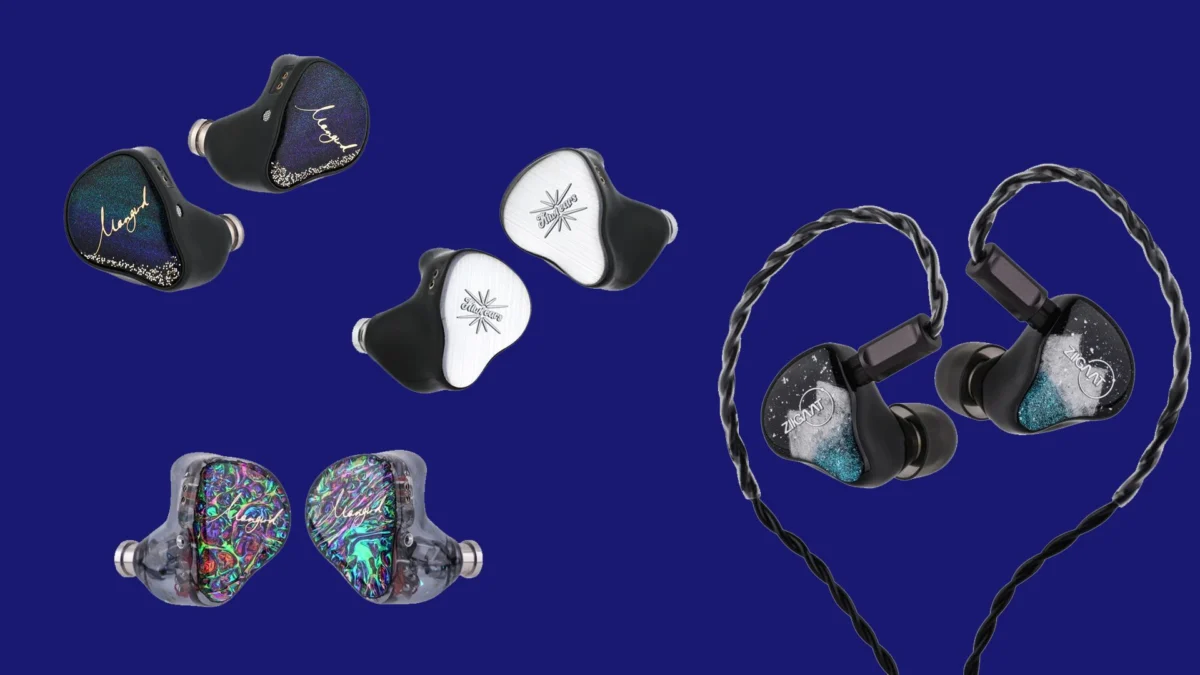
The global retail calendar’s unofficial holiday shopping season has officially commenced, highlighted by major promotional events such as the 11/11 shopping festival seamlessly bleeding into early Black Friday discounts. For audio enthusiasts and professionals seeking high-fidelity personal listening equipment, the market has seen a notable influx of price reductions, particularly within the wired in-ear monitor (IEM) sector. Curated distributors and specialized online retailers have rolled out extensive catalogs of discounted hardware, drawing attention to a market segment that has experienced unprecedented growth in quality and accessibility over recent years.
The Rise of Specialized IEM Distribution
At the center of the current promotional wave is Linsoul, a prominent curator, retailer, and distributor within the audiophile community. Over the past decade, the landscape of portable audio has shifted dramatically. Consumers are increasingly moving away from mass-market wireless earbuds in favor of wired IEMs, which often deliver superior acoustic resolution, lower distortion, and greater long-term durability at a fraction of the cost of traditional over-ear headphones.
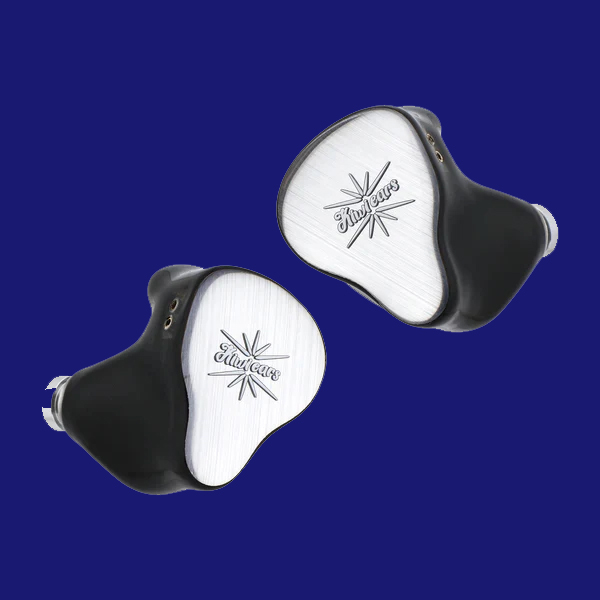
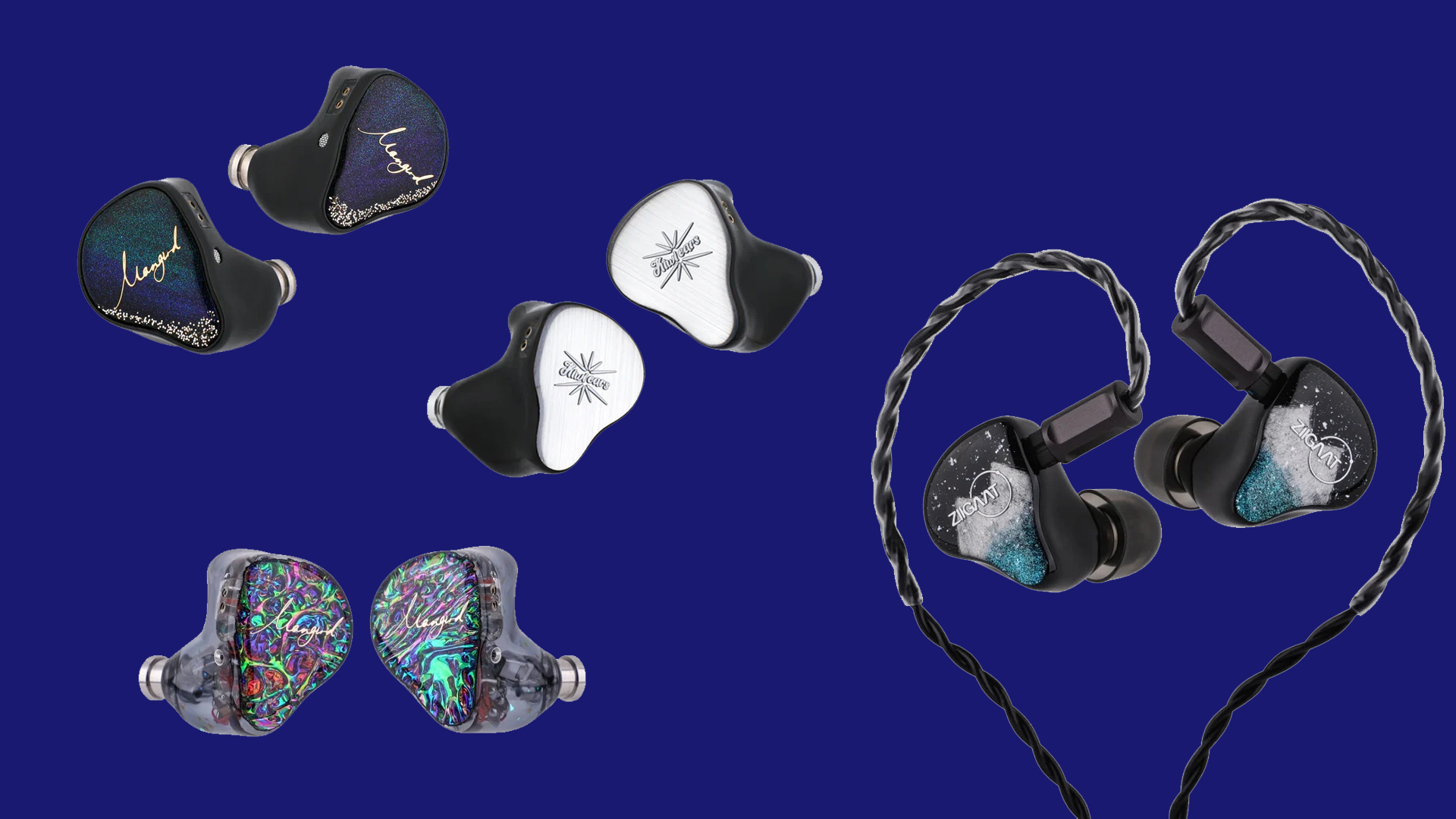
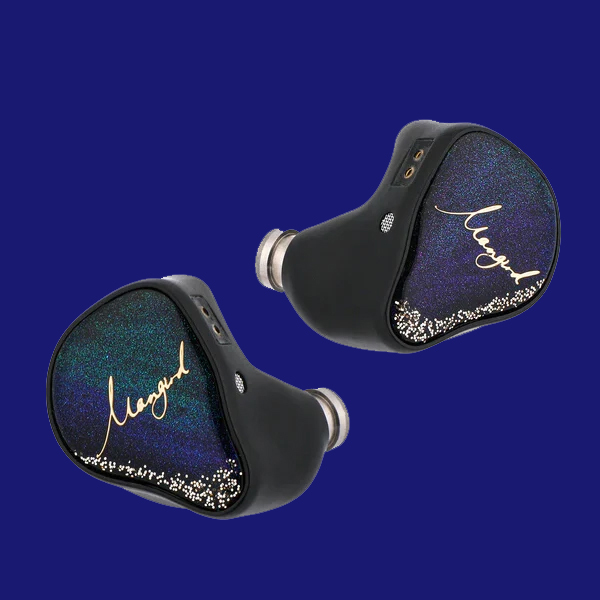
Distributors like Linsoul have played a pivotal role in this transition by partnering with emerging acoustic engineering brands—such as Kiwi Ears, Ziigaat, Xenns Mangird, and Thieaudio—to bring precision-tuned audio devices to an international audience. Industry analysts note that rigorous quality control standards implemented by these curators have fostered strong consumer trust, transforming niche hobbyist products into mainstream consumer electronics choices.

Key Hardware Highlights and Market Pricing
The current slate of promotional offers spans a wide price spectrum, catering to both budget-conscious listeners and high-end audiophiles. Among the standout reductions is the Kiwi Ears KE4, which has seen its price adjusted from $199 down to $169. Released in 2024, the KE4 has established itself as a benchmark in the mid-tier market, widely praised for its detailed midrange reproduction and controlled low-frequency extension.
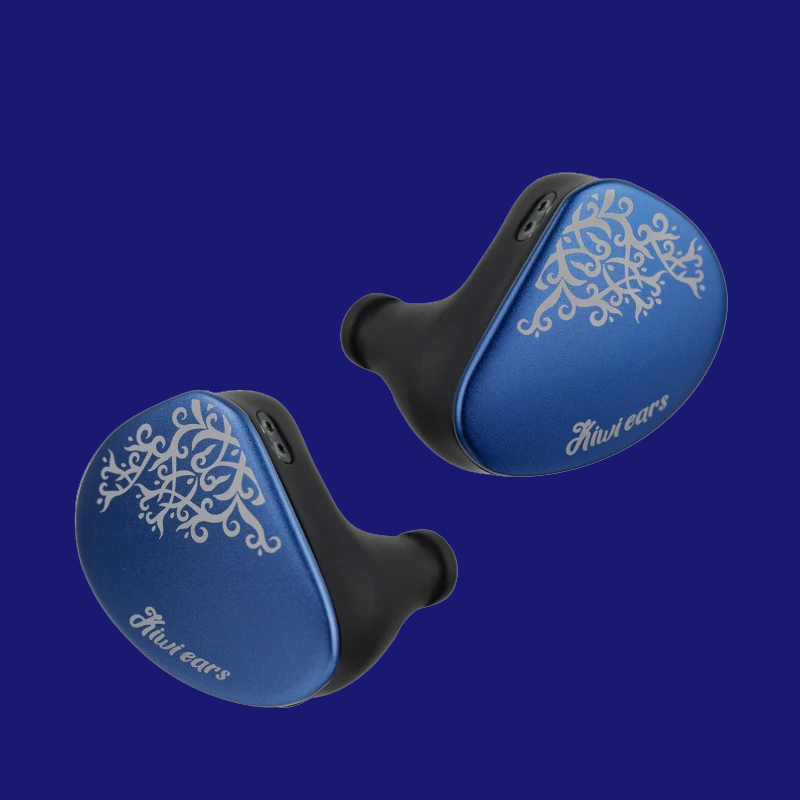
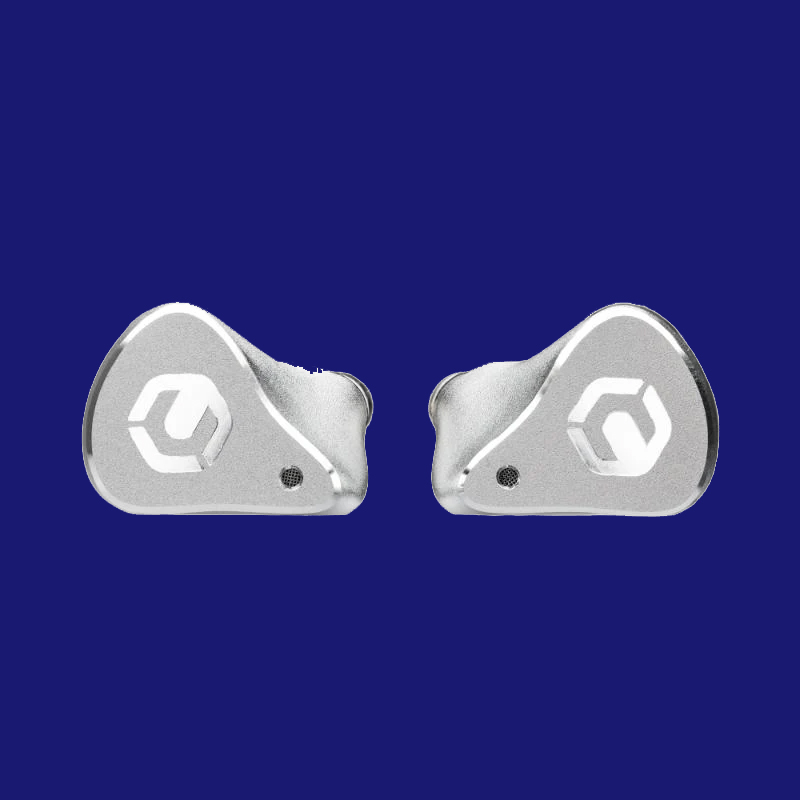
For entry-level consumers, products like the Kiwi Ears Cadenza II have been marked down to approximately $42. These models demonstrate how advanced acoustic dampening and multi-driver technology, once restricted to flagship devices, have successfully trickled down to accessible price points. Conversely, high-end reference models, such as the CrinEar Reference priced at $315 during the promotional window, target professional musicians and dedicated sound engineers requiring absolute tonal neutrality and flat frequency response curves.
Acoustic Profiles and Consumer Considerations
Choosing an in-ear monitor heavily depends on individual listening preferences and physiological fit. Reviewers and audio specialists categorize the discounted lineup into distinct acoustic signatures:
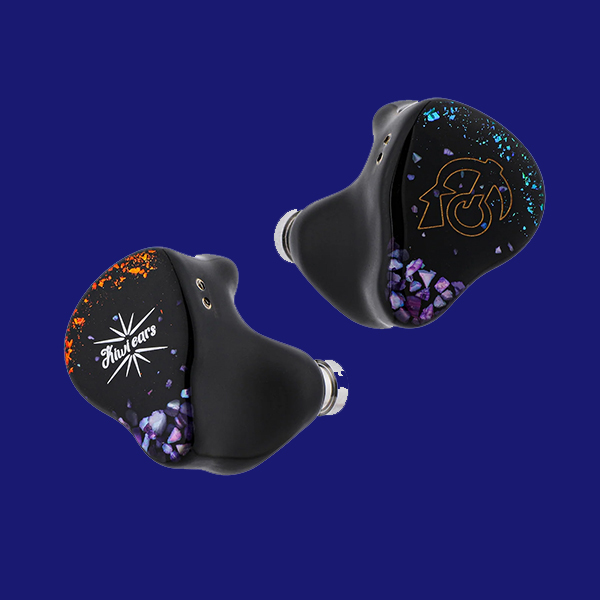
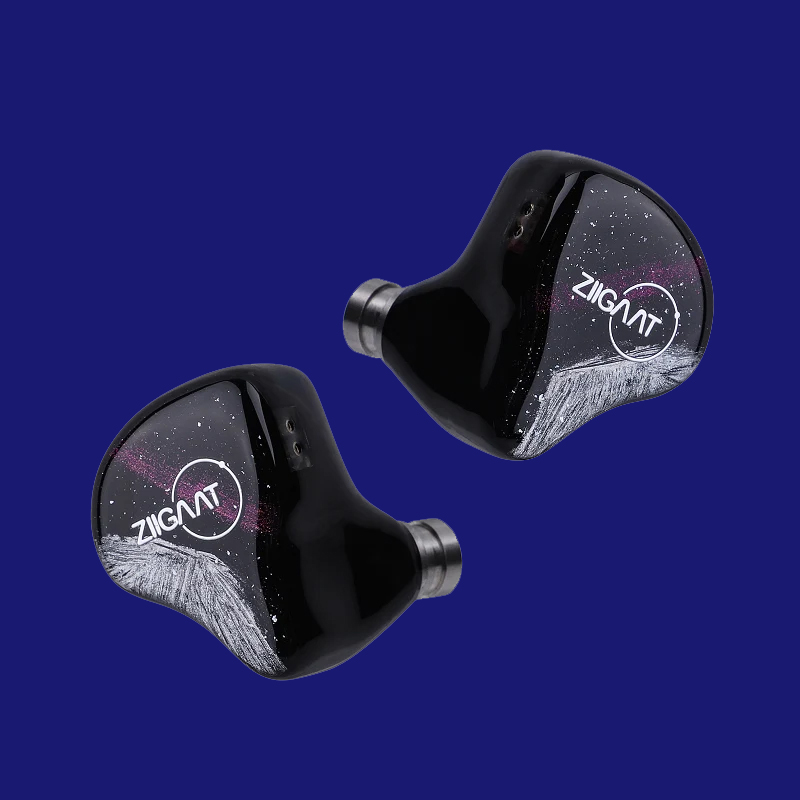
- V-Shaped Signatures: Models like the Ziigaat Crescent and Kiwi Ears Cadenza II emphasize elevated bass and treble responses, offering an energetic, engaging sound profile tailored for modern pop, electronic, and rock genres.
- Neutral and Balanced Tunings: Devices such as the Kiwi Ears KE4 and CrinEar Reference focus on a balanced presentation, ensuring that vocals and acoustic instruments are rendered with minimal coloration.
- Bass-Forward Configurations: Products developed in collaboration with prominent audio reviewers, including the Kiwi Ears HBB-tuned variations, cater specifically to enthusiasts seeking high-impact low-end response without sacrificing overall harmonic clarity.
In addition to sound tuning, physical ergonomics play a critical role in user adoption. Manufacturers have increasingly prioritized miniature shell designs—exemplified by products like the Kiwi Ears Halcyon—to accommodate smaller ear canals during extended listening sessions.
Broader Industry Implications and Future Outlook
The convergence of 11/11 promotions and early Black Friday markdowns reflects a broader strategic shift in the consumer electronics retail sector. Manufacturers are increasingly utilizing digital-first promotional windows to clear inventory and introduce new acoustic architectures ahead of the primary year-end shopping rush.
For the portable audio industry, these deep discounts lower the barrier to entry for high-resolution audio formats, encouraging mainstream consumers to experience studio-grade monitoring equipment. As competition among specialized curators intensifies, market observers anticipate continued innovation in driver technology—particularly in hybrid configurations combining dynamic drivers with balanced armatures and planar magnetic transducers—ultimately benefiting the consumer through higher performance standards at lower price points.