The modern digital landscape has fundamentally transformed how creative professionals operate, shifting the traditional studio environment into a fluid, borderless workspace. Today, graphic designers, digital illustrators, copywriters, and video editors can conceptualize, produce, and deliver campaigns from virtually anywhere on earth—whether from a bustling café in Berlin, a high-speed train cutting through the Japanese countryside, or a temporary workspace thousands of miles from home. Yet, this high degree of professional mobility introduces a unique set of operational vulnerabilities.
Chief among these challenges is the perpetual anxiety of power depletion. When a creative is deep in the execution phase of a high-stakes project out in the field, encountering a dead battery can spell disaster, risking unsaved progress and missed deadlines. Furthermore, navigating modern international transport hubs with a specialized kit containing sensitive hardware, charging peripherals, and drawing tablets remains a cumbersome and stressful ritual.
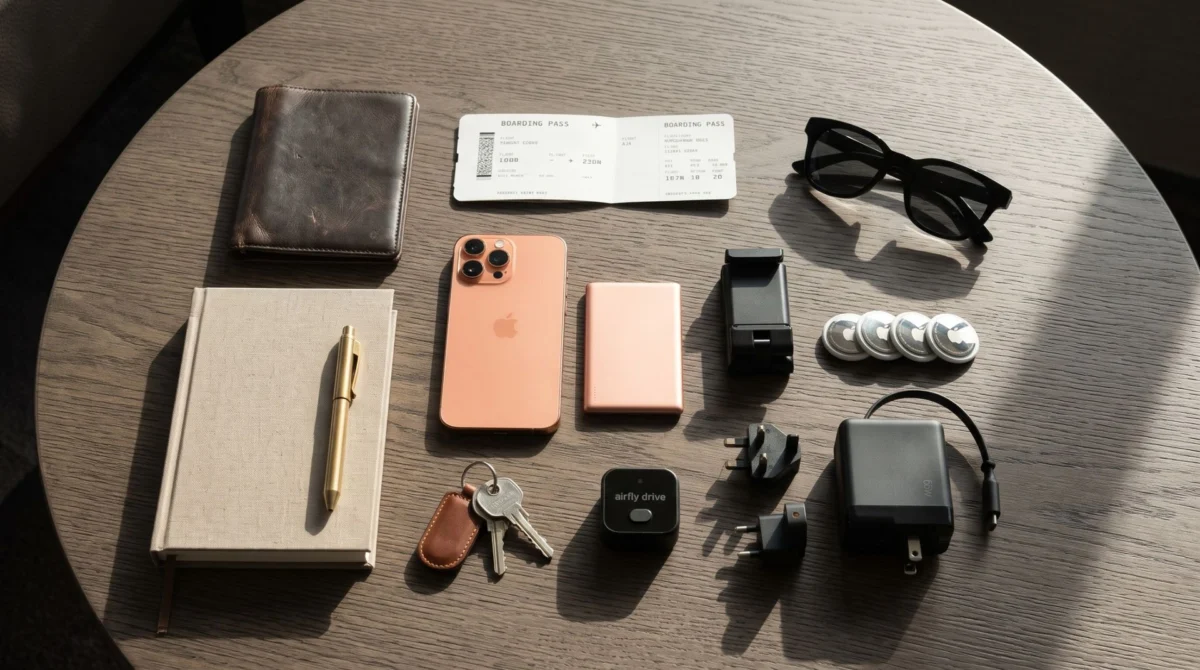
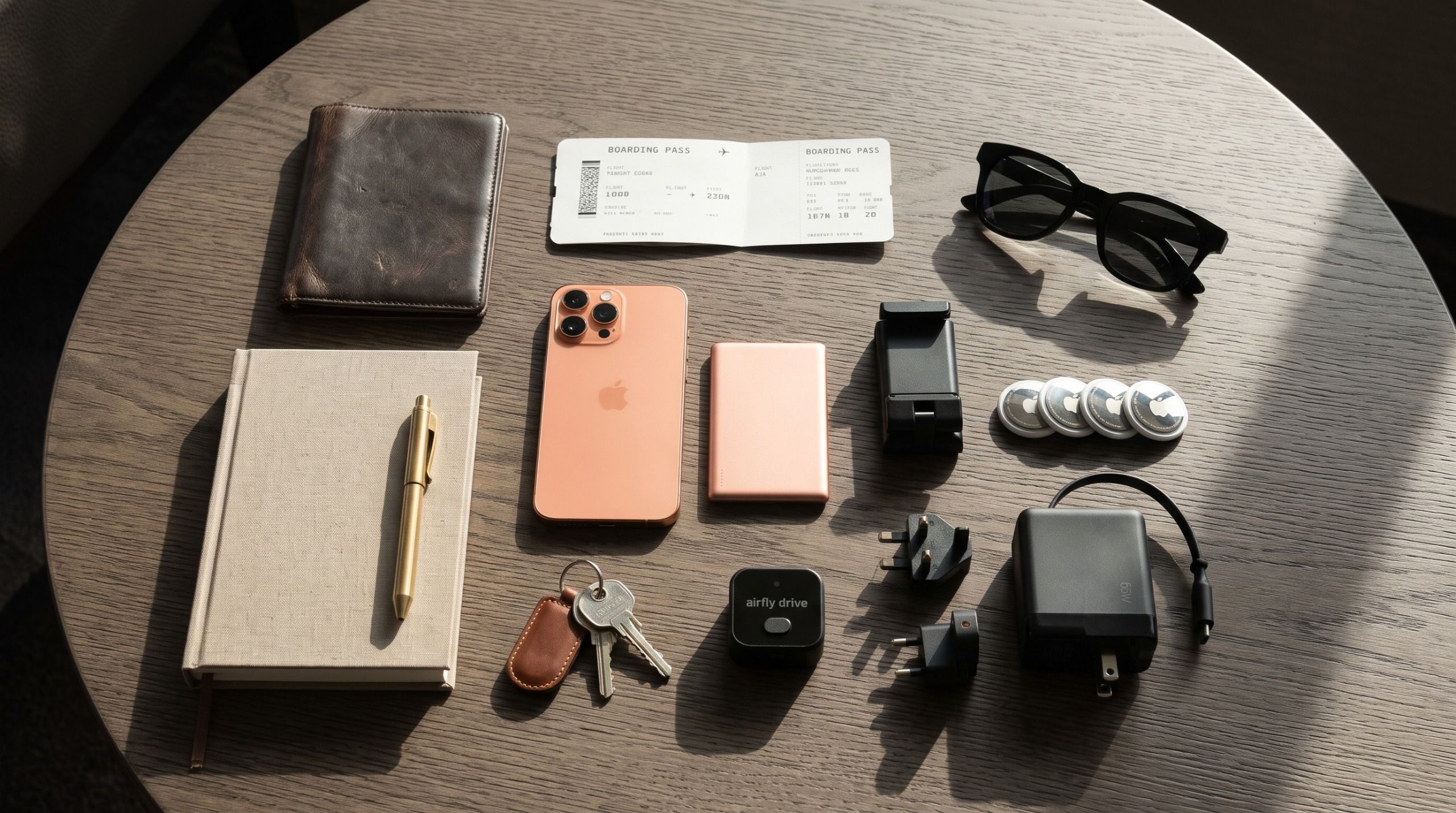
To bridge the gap between absolute mobility and practical reliability, industry experts have increasingly turned to specialized travel accessories designed specifically to mitigate the friction of mobile workflows. With the advent of major annual retail events such as Black Friday, demand for these productivity-enhancing gadgets has surged. Whether embarking on urgent client-facing journeys or traveling home for the holidays, equipping oneself with the right portable tech ecosystem can mean the difference between seamless productivity and catastrophic workflow failure.
The Evolution of the Mobile Creative Workforce
Over the past decade, the proliferation of cloud computing, high-speed 5G networks, and increasingly powerful lightweight silicon has driven an unprecedented boom in remote creative labor. According to recent workforce analytics from global employment platforms, the percentage of creative professionals operating on a freelance or fully remote hybrid model has increased by nearly 40% since 2020.
This structural shift has forced manufacturers of both hardware and peripherals to rethink product design. Bulky workstations have been replaced by high-performance portable CAD laptops and responsive drawing tablets that match the computing power of older desktop towers. However, while core processing units have successfully shed weight and gained efficiency, battery technology and auxiliary power management have not always kept pace with the sheer power draw of modern creative software suites like Adobe Creative Cloud, Blender, or AutoCAD.
Consequently, the accessory market has stepped in to fill the void. Portable power solutions, intelligent tracking devices, modular cable management systems, and ergonomic travel cases have transitioned from luxury convenience items to mission-critical infrastructure for the modern digital nomad.
Key Categories of Essential Travel Gear for Creatives
To maintain optimal efficiency on the road, professionals generally categorize their portable toolkit into four distinct operational pillars: power continuity, device security, ergonomic comfort, and digital entertainment.
Power Continuity and High-Capacity Charging
The foremost priority for any mobile creator is maintaining an uninterrupted power supply. Standard laptop batteries, under the heavy loads demanded by video rendering or 3D modeling, frequently plummet from 100% to zero in under two hours. To combat this, high-capacity power banks featuring Power Delivery (PD) protocols—capable of outputting 100W or more—have become standard issue. These heavy-duty batteries can safely and rapidly replenish a laptop multiple times over, allowing creators to work remotely without tethering themselves to public wall outlets. Accompanying these are compact, multi-port GaN (Gallium Nitride) chargers, which drastically reduce the physical footprint of carrying multiple power bricks for phones, tablets, and laptops.
Device Security and Global Tracking
Losing a backpack containing a high-end drawing tablet, professional camera gear, and proprietary client data represents more than just a financial loss; it constitutes a critical security breach and a potential violation of non-disclosure agreements. Modern travel accessories have addressed this vulnerability through Bluetooth and ultra-wideband tracking integration. Placing smart tracking cards or tags inside equipment cases allows creatives to monitor the exact location of their gear globally via smartphone networks, significantly reducing the incidence of permanent loss during airline transit or chaotic hotel transitions.
Ergonomics and On-Site Productivity Enhancements
Working from temporary spaces—such as airport terminal benches, hotel desks, or small coffee shop tables—often forces creatives into poor physical postures that strain the wrists, neck, and back. Travel-friendly folding laptop stands, compact ergonomic keyboards, and miniature wireless mice help bridge the gap between mobile convenience and studio-grade comfort. By elevating screens to eye level and maintaining natural wrist alignment, these accessories prevent repetitive strain injuries (RSIs) that can sideline a freelancer for weeks.
Digital Entertainment and Downtime Management
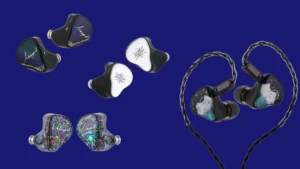
Long-haul flights and extended layovers demand robust downtime management solutions. Active noise-canceling headphones have become indispensable for creative professionals seeking to isolate themselves from ambient noise and focus on audio editing or deep-work writing. Furthermore, portable high-speed solid-state drives (SSDs) enable creators to offload massive media files instantly, ensuring their primary workstations remain unburdened while traveling.
The Impact of Seasonal Retail Events on Tech Procurement
The timing of portable tech upgrades is rarely accidental. Industry analysts note a direct correlation between the fourth-quarter holiday shopping calendar and the acquisition rates of professional travel gear. With the official commencement of Black Friday and Cyber Monday sales events, major manufacturers and third-party retailers routinely introduce deep discounts on essential tech accessories.
For independent contractors and small design agencies operating on tight profit margins, leveraging these seasonal price reductions is a vital strategy for maintaining a competitive edge. Equipping a studio team with high-grade travel infrastructure during promotional periods allows businesses to upgrade their operational capabilities without imposing heavy financial burdens on individual staff members or freelancers.
Industry Perspectives and Expert Recommendations
Leading voices in the design and production sectors emphasize that investing in quality travel accessories is an investment in professional reliability.
"The romantic notion of working from a hammock on a remote beach often clashes with the harsh reality of glare on a laptop screen, failing Wi-Fi, and a dying battery," notes industrial design analyst Marcus Vance. "The professionals who succeed in a mobile environment are those who treat their travel kit with the same rigorous logistical planning as a traditional studio setup. Every accessory must serve a defined, reliable purpose."
Project managers and creative directors working across international hubs like London, New York, and Buenos Aires echo these sentiments, highlighting that client trust is heavily anchored in consistency. When a remote creator can seamlessly join a video conference, review high-resolution proofs, and execute urgent revisions from a remote location without technical interruptions, it reinforces client confidence and project continuity.
Broader Economic Implications and Future Outlook
As the global workforce continues to decentralize, the market for specialized creative travel accessories is projected to experience robust, sustained growth over the next decade. Manufacturers are increasingly focusing on sustainability, utilizing recycled plastics, modular repairable components, and ultra-lightweight carbon-fiber composites to reduce the environmental footprint of travel tech.
Moreover, the integration of artificial intelligence into peripheral devices—such as smart power management systems that optimize energy draw based on active software demands—points toward a future where travel accessories actively participate in workflow efficiency rather than merely supporting it.
For now, the immediate focus for creatives on the move remains practical: safeguarding hardware, ensuring continuous power, and maintaining studio-level productivity regardless of geography. As global travel continues to rebound and expand, the careful curation of a portable tech toolkit will remain a defining characteristic of the modern creative professional.