The landscape of digital organization is undergoing a fundamental transformation with the rise of Decentralized Autonomous Organizations, commonly referred to as DAOs. At its core, a DAO represents a paradigm shift from traditional, hierarchical corporate structures to a model governed by code and community consensus. By leveraging blockchain technology—specifically smart contracts—DAOs enable participants to coordinate resources, make decisions, and execute actions without the need for centralized intermediaries. This article explores the mechanics, implications, and structural evolution of DAOs as they integrate into the broader Web3 ecosystem.
Defining the Decentralized Autonomous Organization
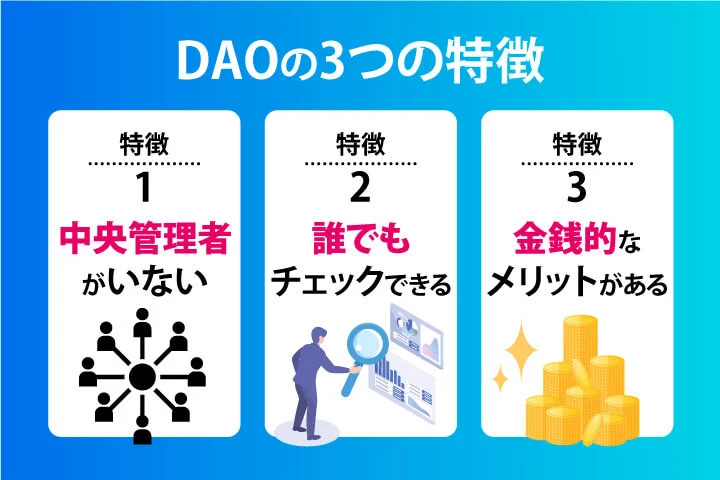
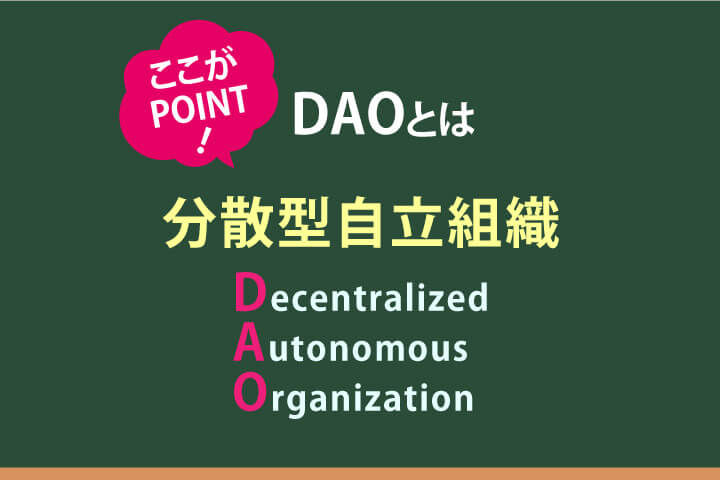
A Decentralized Autonomous Organization is an entity represented by rules encoded as a computer program that is transparent, controlled by the organization members, and not influenced by a central government. In practical terms, a DAO acts as a digital cooperative. Unlike a standard corporation, which relies on a board of directors and executive management to steer the ship, a DAO operates through the collective will of its token holders.

The "decentralized" component ensures that no single entity holds absolute control over the organization’s treasury or its strategic roadmap. The "autonomous" aspect refers to the execution of decisions; once a proposal is passed by the community, smart contracts automatically trigger the necessary actions—such as moving funds or updating protocol parameters—without human intervention. Finally, the "organization" aspect underscores its function as a group of individuals aligned around a shared goal, whether it be managing a decentralized finance protocol, curating digital art, or funding open-source development.
The Chronology of Governance Evolution

The emergence of DAOs can be traced back to the early days of Bitcoin. While Bitcoin itself is often described as the first successful DAO—governed by consensus rules rather than a CEO—the formalization of the term began with the 2016 launch of "The DAO" on the Ethereum network. Although that specific project faced a catastrophic security failure that led to a significant hack and subsequent network hard fork, it served as a foundational proof-of-concept that captured the imagination of developers and investors.
Following the lessons learned in 2016, the sector entered a period of rapid iteration. Between 2018 and 2020, the rise of DeFi (Decentralized Finance) acted as a catalyst for professional-grade DAO structures. Projects like MakerDAO and Compound began implementing governance tokens, allowing users to vote on interest rates, collateral types, and risk management parameters. Today, the sector has matured into a sophisticated ecosystem where DAOs manage billions of dollars in assets, influencing everything from global investment strategies to social community management.
Supporting Data and Economic Mechanics
The effectiveness of a DAO is largely determined by its governance tokenomics. In most instances, tokens serve dual purposes: they act as a utility within the protocol and as a voting share for the DAO. Data from current market analysis suggests that governance participation is a significant hurdle; while millions of dollars in tokens may be distributed, active voting participation often fluctuates between 5% and 15% of the total circulating supply. This "voter apathy" has led to the emergence of delegated governance, where smaller token holders entrust their voting power to recognized experts or community leaders.
Furthermore, the treasury management of these organizations has become a critical point of analysis. Large-scale DAOs, such as Uniswap or Aave, hold reserves in their native tokens and stablecoins, creating a self-sustaining economic loop. The transparency of these treasuries allows any participant to audit the organization’s health in real-time, a level of financial oversight rarely achievable in traditional legacy firms.
Implications of Decentralized Decision Making

The transition to decentralized governance is not without challenges. One of the most significant implications is the legal ambiguity surrounding DAO status. In many jurisdictions, a DAO can be treated as a general partnership, potentially exposing individual members to unlimited liability for the actions of the organization. Legal experts and policy advocates are currently working toward frameworks—such as the Wyoming DAO LLC law—that provide a "legal wrapper" for these organizations, bridging the gap between decentralized innovation and traditional regulatory compliance.
Beyond legal hurdles, DAOs are challenging the traditional concept of employment. In a DAO, a contributor is not an employee in the conventional sense but a participant who earns rewards based on the value they provide. This has given rise to the "Contributor Economy," where individuals can work for multiple DAOs simultaneously, choosing tasks based on their skills and personal interests rather than a predefined job description.

Strategic Benefits and Operational Risks
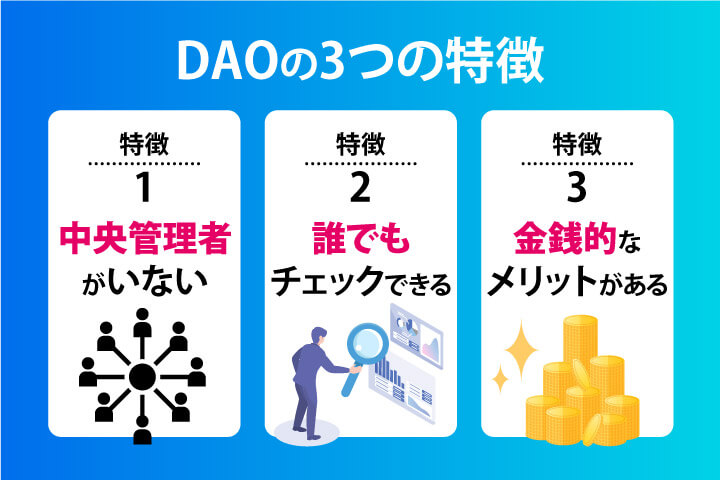
The primary benefit of a DAO is its ability to scale globally with minimal overhead. Because the rules are enforced by code, trust is placed in the protocol rather than in individuals. This eliminates the need for expensive legal contracts and middle-management hierarchies. However, this reliance on code also creates a high-stakes environment; if a smart contract contains a bug, it can lead to immediate and irreversible loss of funds.

The security of these organizations remains the top priority for developers. The "Code is Law" mantra has been tempered by the reality of cybersecurity threats, leading to the rise of third-party auditing firms that specialize in verifying the integrity of smart contracts before they are deployed to the mainnet.
Broader Impact on Web3 and Future Outlook

The rise of DAOs is intrinsically linked to the broader evolution of Web3. As the internet moves toward a more user-owned and user-governed model, the tools provided by DAOs will likely become the standard for digital coordination. We are currently witnessing a shift where traditional industries, such as venture capital and non-profit organizations, are beginning to experiment with DAO-like structures to improve transparency and community engagement.
Looking ahead, the success of the DAO model will depend on its ability to balance efficiency with inclusivity. If a DAO becomes too centralized, it loses its fundamental purpose; if it becomes too inefficient, it struggles to compete with centralized corporate counterparts. The ongoing development of governance tools, such as snapshot voting systems and improved treasury management dashboards, suggests that the sector is actively addressing these friction points.
Conclusion
The Decentralized Autonomous Organization represents a fundamental departure from the management styles that have dominated the last century. By decentralizing authority and automating the execution of collective decisions, DAOs are redefining the limits of what a group of strangers on the internet can achieve. While the journey from experimental code to global institutional standard is still in its early stages, the rapid pace of innovation within this space signals that decentralized governance will play a central role in the future of the digital economy. As regulatory frameworks catch up and security measures continue to improve, DAOs are poised to become the operating systems for the next generation of global collaboration.