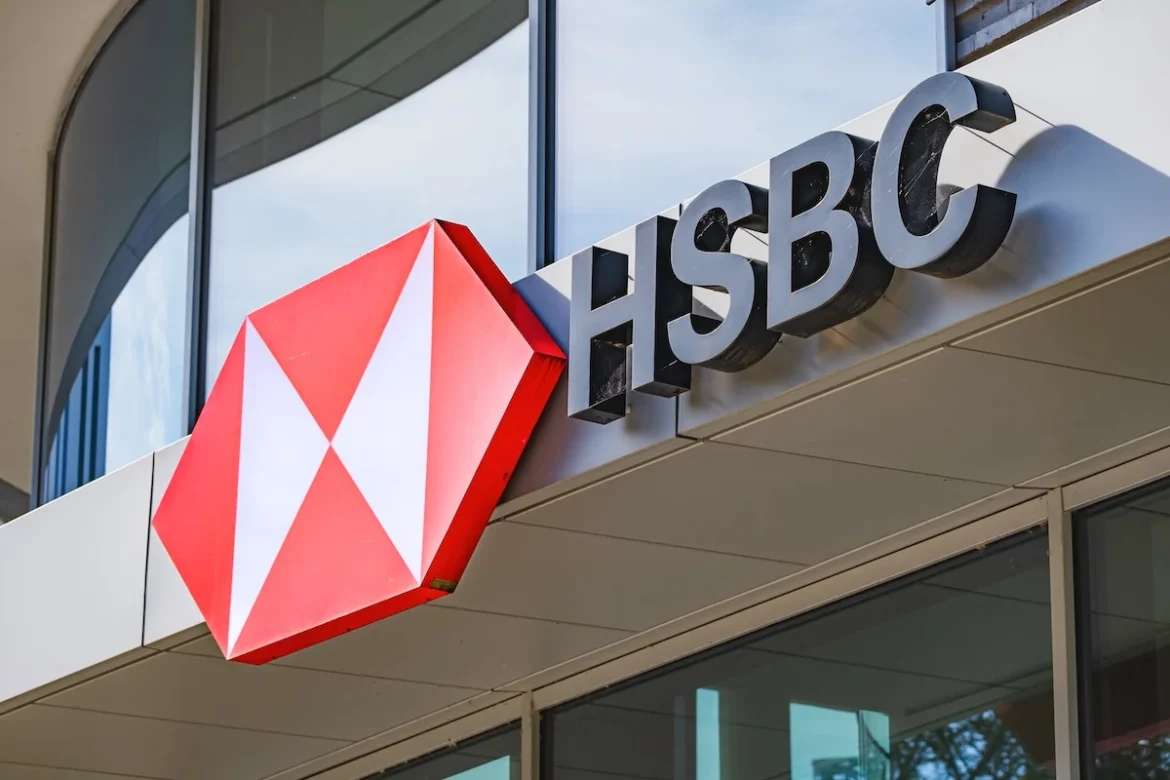
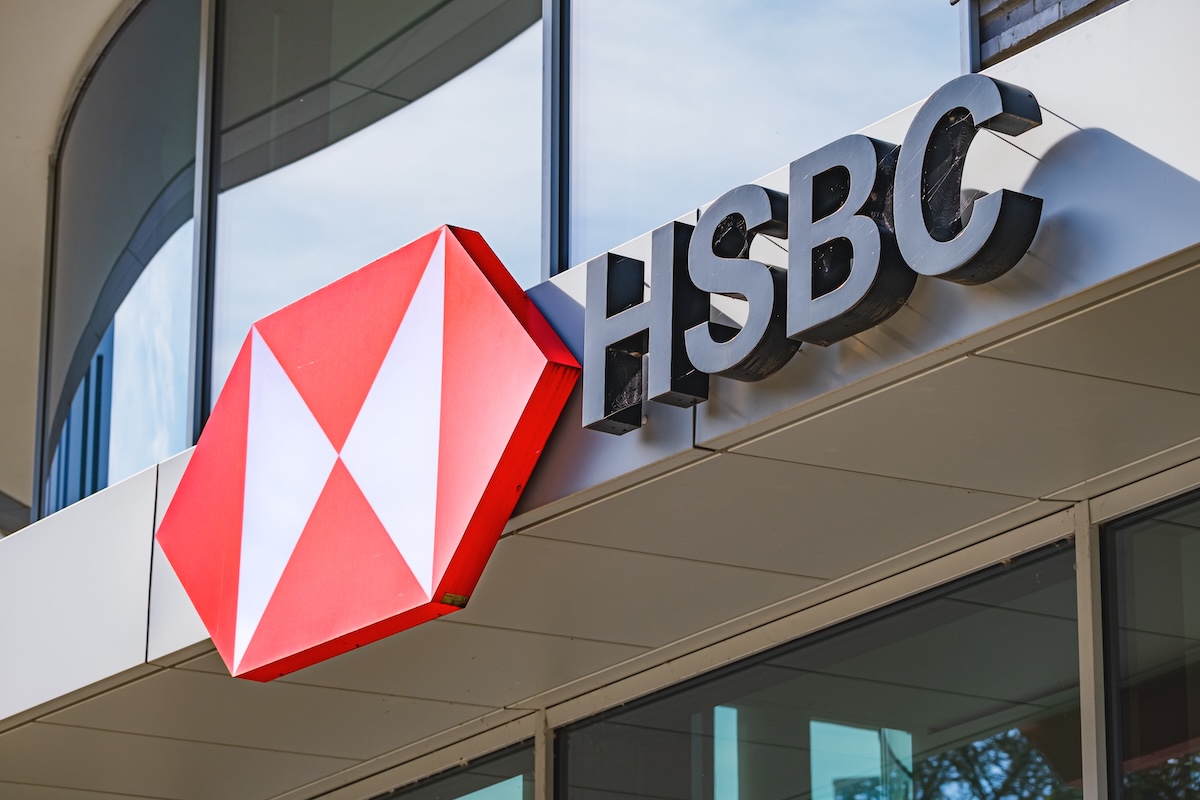
The global banking powerhouse HSBC has officially announced the launch of its proprietary stablecoin, designated as "HSBC RedCoin" (commonly referred to as RedCoin), marking a monumental milestone in the institution’s digital asset strategy. Unveiled publicly on September 30, the initiative signals a major step forward for traditional banking institutions seeking to bridge the gap between legacy financial infrastructure and the rapidly evolving ecosystem of decentralized finance and blockchain-based digital currencies.
This development arrives on the heels of significant regulatory movements within Hong Kong’s financial sector. Earlier in April 2026, HSBC actively engaged with the Hong Kong Monetary Authority (HKMA) stablecoin issuer sandbox, positioning RedCoin as a key participant in the regulatory testing phase. By entering the sandbox, HSBC aims to ensure that its stablecoin operates within a secure, compliant, and highly regulated framework before a broader commercial rollout. Initial deployment plans indicate that RedCoin will be seamlessly integrated into HSBC’s flagship digital offerings, including the popular mobile payment application PayMe and the comprehensive HSBC HK Mobile App, thereby facilitating immediate utility for both retail and merchant users.
Strategic Integration and Ecosystem Development
The introduction of HSBC RedCoin is designed to revolutionize everyday financial transactions by bridging peer-to-peer (P2P) transfers and merchant-to-merchant (P2M) payments. By leveraging blockchain technology, the stablecoin aims to reduce friction, lower transaction costs, and enhance settlement speeds for millions of customers across the region.
To gauge public and corporate sentiment regarding this technological leap, HSBC recently commissioned a comprehensive market research survey involving 1,060 respondents. The study provides critical insights into consumer readiness, institutional trust, and the perceived utility of stablecoins within everyday commerce.
According to the survey data, 74 percent of respondents expressed openness toward adopting stablecoin-based payment solutions for everyday transactions. Furthermore, familiarity with the underlying technology remains relatively high, with 57 percent of participants demonstrating a clear understanding of digital assets, including stablecoins. When segmented by use case, 53 percent of respondents indicated a willingness to utilize stablecoins for P2P transfers, while a comparable 52 percent expressed confidence in adopting the technology for commercial P2M transactions.
Consumer Insights, Trust, and Security Perceptions
Despite the overall enthusiasm, the survey highlights notable areas requiring targeted education and risk mitigation. Approximately 60 percent of respondents voiced concerns regarding the regulatory safety and consumer protection frameworks governing stablecoins. Addressing these anxieties will be paramount for HSBC as it seeks to build long-term trust, particularly regarding transaction security, fraud prevention, and asset custody.
Concerns surrounding data privacy and transactional security also emerged as significant themes. Among surveyed participants, 62 percent identified data privacy as a top priority when interacting with digital currencies, while 55 percent emphasized the importance of robust transaction traceability. Additionally, 53 percent highlighted the need for comprehensive dispute resolution mechanisms to safeguard users against erroneous or unauthorized transfers.
Broader Industry Implications and the Future of Digital Banking
HSBC’s entry into the stablecoin market is widely regarded by financial analysts as a watershed moment for the banking sector. As central banks worldwide continue to explore Central Bank Digital Currencies (CBDCs) and commercial banks race to modernize their digital infrastructure, initiatives like RedCoin highlight the blurring lines between traditional fiat banking and tokenized digital assets.
By utilizing the HKMA regulatory sandbox, HSBC is not only safeguarding its own operations against compliance risks but is also setting a benchmark for other traditional financial institutions looking to adopt blockchain technology. As the rollout progresses toward its full commercial phase, market observers will closely monitor user adoption rates, regulatory adjustments, and the potential impact of RedCoin on traditional payment rails in Hong Kong and the broader Asian financial landscape.