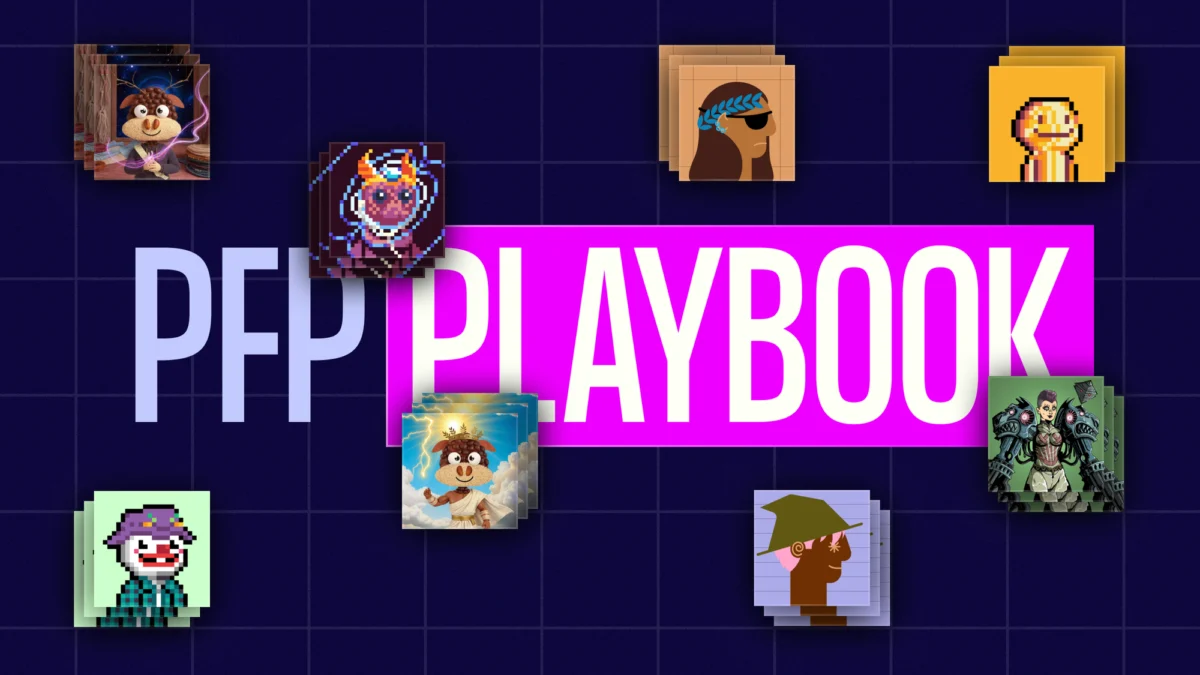
In the rapidly evolving landscape of decentralized technologies, the traditional go-to-market (GTM) playbook for blockchain infrastructure and decentralized applications has undergone a significant transformation. While early web3 projects relied heavily on technical whitepapers and developer-focused documentation to gain traction, modern projects are increasingly leveraging Profile Picture (PFP) non-fungible token (NFT) collections as a core piece of their GTM infrastructure. By moving beyond mere digital collectibles, these projects are utilizing NFTs as sophisticated, programmable tools to cultivate brand loyalty, incentivize early-stage user activity, and signal long-term market commitment.
The shift toward PFP-led GTM strategies represents a maturation of the crypto-native marketing sector. Rather than viewing NFTs as static assets, leading layer-1 (L1) and layer-2 (L2) networks are deploying them as functional keys to their ecosystems. This approach provides a concrete mechanism for user acquisition, allowing projects to identify and reward their most ardent early adopters while simultaneously stress-testing their on-chain infrastructure through high-frequency minting and transaction events.
The Historical Context and Evolution of the PFP Model
The evolution of the PFP from a social status symbol to a functional business asset did not happen overnight. Early iterations of the PFP market, exemplified by projects like CryptoPunks, were primarily driven by scarcity, aesthetic value, and community-driven social signaling. However, as the market matured, developers recognized that the underlying technology—the ability to verify ownership and grant access—could be weaponized for growth.
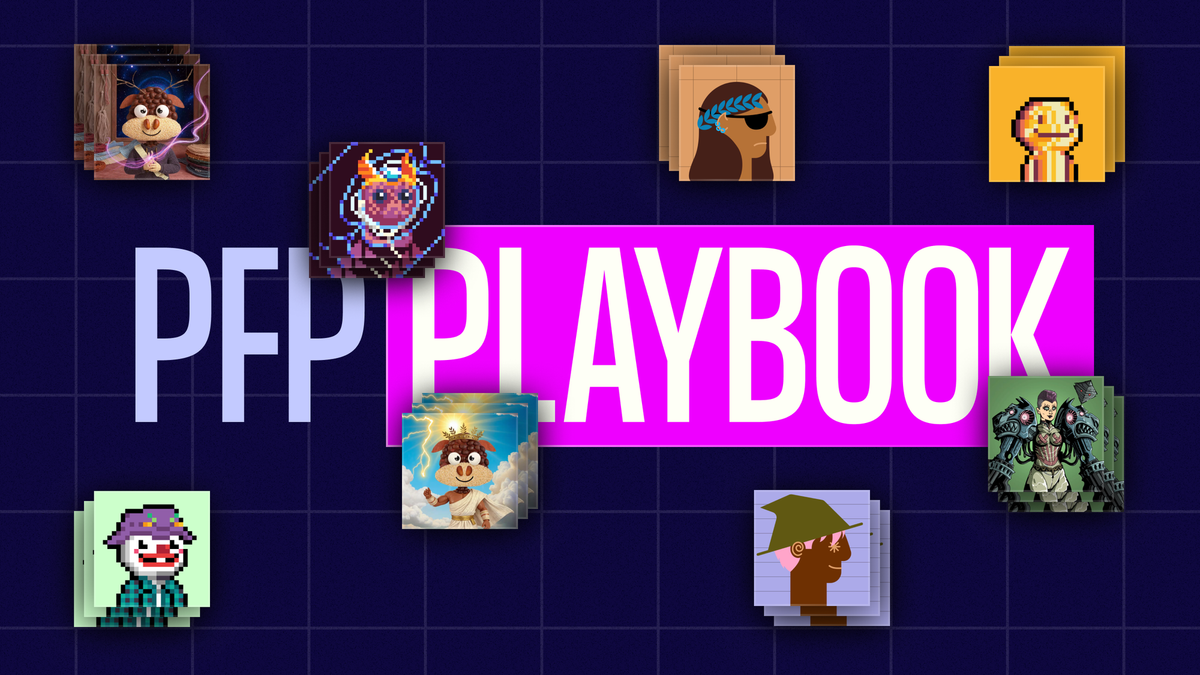
Projects like Pudgy Penguins serve as a seminal case study for this transition. By transcending the purely digital realm, Pudgy Penguins successfully converted their NFT intellectual property (IP) into a retail powerhouse, bridging the gap between blockchain-based community building and physical consumer goods through partnerships with major retail giants like Walmart. Similarly, the World of Women initiative demonstrated how an IP-centric platform could expand its reach through strategic entertainment and brand partnerships, while Doodles evolved from a 10,000-piece collection into a multifaceted entertainment brand, engaging audiences through music, animation, and high-profile collaborations with entities such as Pharrell Williams and Adidas. These milestones established a precedent: NFTs are no longer just "projects"; they are potent brand activation instruments with measurable commercial outcomes.
The GTM Framework: Strategic Levers of PFP Deployments
For emerging networks, the decision to launch a PFP collection is often tied to specific, measurable objectives. By analyzing recent market deployments, a standardized framework for utilizing PFP drops as GTM infrastructure has emerged. This framework relies on several key pillars:
- Cohort Acquisition: A PFP drop serves as a powerful magnet for early adopters, attracting users who are willing to invest both capital and reputation in a nascent ecosystem.
- On-Chain Activity Initialization: The process of minting, transacting, and managing these assets forces initial interaction with a network’s protocols, effectively kickstarting the "velocity of money" within a new chain.
- Momentum Signaling: A high-volume or high-interest mint provides visible proof of network health, signaling to venture capitalists, developers, and potential ecosystem partners that the project possesses a captive and engaged audience.
- Access and Utility Layers: By integrating the NFTs into the project’s technical stack, developers can create gated access to developer tools, rewards, or governance features, ensuring the community remains tethered to the product’s long-term roadmap.
- Retention Mechanics: By offering ongoing financial and social upside, projects can convert transient minters into long-term stakeholders.
Case Study: After School Club (ASC) on Scope
The After School Club (ASC) collection was designed with the specific objective of establishing a creator-focused marketplace on the Eclipse chain. The GTM strategy focused heavily on community trust, requiring a gestation period of over seven months. During this time, the team engaged in daily interactions via AMAs and direct community feedback loops.
Alucard, co-founder of ASC and Community Lead at the Eclipse Foundation, noted that this long-term engagement strategy was fundamental to the project’s success. By the time the collection launched, the community was not just a group of speculators, but a cohort of informed users who felt a sense of ownership over the platform’s trajectory. This bottom-up approach to community building provided the necessary foundation for the marketplace to gain immediate traction upon launch.

Case Study: TrailHeads by Camp Network
Camp Network utilized a narrative-driven approach with its TrailHeads collection to filter for values-aligned users during its testnet phase. The objective was not merely to sell assets, but to create a cohesive brand identity that would carry the network into its mainnet launch.
Usman, Head of Community at Camp, explained that the TrailHeads were pivotal in elevating the network’s brand presence. "The collection has helped bring new users into the ecosystem, sparked countless pieces of creative content, and has brought holders closer to the Camp community," he stated. By aligning the PFP narrative with the specific technical roadmap of the Camp network, the team successfully gamified the testnet experience, transforming technical onboarding into a community-centric journey.
Case Study: The Composables by Espresso Network
The Espresso Network’s launch of The Composables represents a more technical application of the PFP model. The project aimed to demonstrate the efficacy of their cross-chain infrastructure. Unlike traditional collections that are tethered to a single chain, The Composables were designed to be modular and interoperable.
Jill Gunter, Chief Strategy Officer at Espresso Network, highlighted the strategic necessity of this design: "Unlike most NFT collections—wherein the NFTs are difficult to migrate from one chain to another—the goal with The Composables is to leverage Espresso to get them moving seamlessly throughout the ecosystem." By using the NFTs as a functional demonstration of their interoperability tech, Espresso successfully engaged developers and power users who were interested in the underlying infrastructure, rather than just the aesthetic value of the collection.
Data-Driven Analysis of PFP Integration
A factual analysis of these deployments reveals that the "success" of a PFP-led GTM strategy is no longer measured solely by secondary market floor prices. Instead, modern metrics include:
- Wallet Retention Rates: The percentage of minters who continue to interact with the protocol 30, 60, and 90 days post-mint.
- Cross-Protocol Interaction: The volume of transactions initiated by NFT holders on other applications within the same ecosystem.
- Community Sentiment Analysis: Quantitative tracking of social sentiment and developer participation during the lead-up to the launch.
- Infrastructure Stress Testing: The ability of the network to handle peak minting load, which provides a live, public demonstration of performance.
When these metrics are prioritized, a PFP collection functions as a "canary in the coal mine" for a new network. If the infrastructure fails during a high-interest mint, it provides immediate, actionable feedback for the development team. Conversely, a successful, seamless mint serves as a powerful validation of the network’s scalability and reliability.
The Broader Implications for Web3 Infrastructure
The integration of PFP collections into GTM strategies suggests a permanent shift in how decentralized networks are built and marketed. The days of "build it and they will come" are largely over. Today, the creation of a blockchain ecosystem is as much a sociological experiment as it is a technical one.
By leveraging the inherent social dynamics of NFT communities, developers are able to compress the timeline for building critical mass. However, this strategy carries inherent risks. If a project fails to deliver on the utility promised after the initial mint, the "cultural capital" gained can quickly evaporate, leading to rapid community attrition. Therefore, the long-term viability of this model relies on a clear, sustainable roadmap that moves beyond the initial "hype cycle."
As the market continues to mature, it is likely that we will see increasingly complex implementations of this model. We may soon see dynamic NFTs that evolve based on a user’s contribution to a protocol, or collections that serve as literal "keys" to hardware and physical-world infrastructure.
Conclusion: A Strategic Imperative
For organizations launching new chains, decentralized products, or brand initiatives within the web3 ecosystem, PFP collections represent one of the most effective tools currently available in the GTM stack. When executed with precision—aligning the collection with the project’s core narrative, incentivizing ongoing on-chain behavior, and embedding real utility—these assets provide a pathway to rapid market penetration and long-term retention.
As demonstrated by the successes of projects on the Eclipse, Camp, and Espresso networks, the most effective strategy is to treat the PFP not as a terminal product, but as the first step in a larger, interconnected ecosystem experience. Organizations that can successfully bridge the gap between digital identity and functional utility will be the ones that define the next generation of decentralized infrastructure. The data confirms that when community engagement is gamified and tied directly to the success of the underlying technology, the results for the project and its stakeholders are significantly amplified.