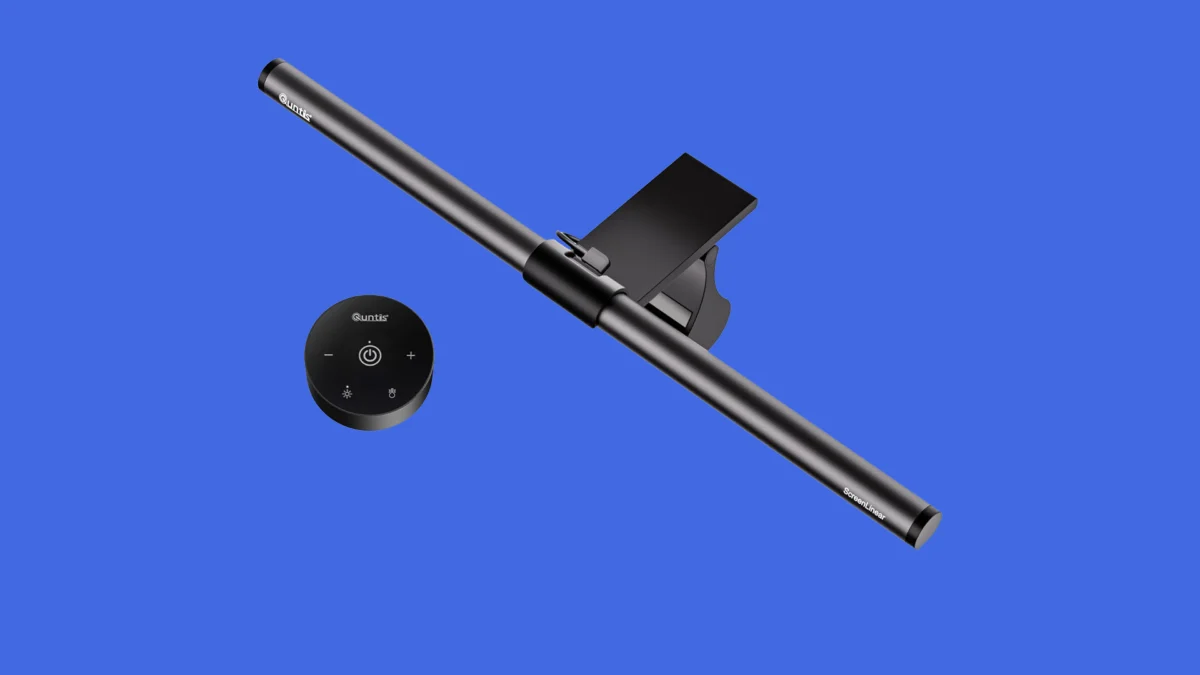
As the autumn and winter months settle in, remote workers and digital professionals across the globe face a familiar adversary: declining daylight hours that consistently impact mood, energy, and overall productivity. For individuals balancing hybrid or remote work schedules—particularly those navigating poorly lit home offices—the seasonal transition often manifests as lethargy, eye strain, and diminished focus. However, recent trends in ergonomic workspace optimization point to a surprisingly simple and cost-effective remedy gaining traction among professionals: the monitor light bar. Among the leading budget-friendly solutions currently capturing market attention is the Quntis Monitor Light, which has recently seen significant price reductions on major retail platforms, transforming it from a niche accessory into a mainstream productivity staple.
The Anatomy of Digital Eye Strain
To understand the rising popularity of screen-mounted lighting accessories, one must first examine the physiological impact of modern digital workspaces. According to occupational health studies, prolonged exposure to computer screens in inadequately lit environments is a primary catalyst for Computer Vision Syndrome (CVS), commonly referred to as digital eye strain. Symptoms include blurred vision, dry eyes, headaches, and neck or shoulder pain caused by compensatory posture adjustments.
When a computer monitor operates in a dark room, the stark contrast between the luminous display and the surrounding darkness forces the human eye to constantly adjust. The pupils dilate to take in ambient darkness and constrict when fixed on the bright screen, leading to rapid ocular fatigue. Traditional desk lamps, while helpful, frequently introduce unwanted glare, reflections on glass panels, or uneven lighting distributions that fail to illuminate the workspace uniformly.
Monitor light bars were engineered specifically to counteract this physical phenomenon. Mounted directly to the top bezel of a computer monitor, these linear LED fixtures cast a symmetrical, downward-facing beam of light onto the desk surface and keyboard. Critically, quality models are engineered with optical designs that prevent light from reflecting directly onto the screen, thereby eliminating glare while simultaneously establishing a comfortable ambient luminance behind and around the display.
The Evolution of Workspace Ergonomics
The integration of specialized lighting into computer setups represents a broader, ongoing evolution in remote work ergonomics. Over the past five years, as remote and hybrid employment models transitioned from temporary pandemic-era expedients to permanent global structures, employee and employer focus has shifted decisively toward long-term workspace wellness.
Historically, ergonomic interventions focused primarily on hardware components: adjustable-height standing desks, lumbar-supportive office chairs, mechanical keyboards designed to reduce repetitive strain injuries, and vertical mouse alternatives. Lighting, however, remained an overlooked variable, often relegated to overhead ceiling fixtures or decorative desk lamps.
The introduction of dedicated monitor lighting bridges the gap between hardware comfort and visual health. Industry analysts note a steady upward trajectory in the consumer tech accessory market for workspace illumination, with manufacturers competing to introduce features such as adjustable color temperature (ranging from warm, relaxing hues to cool, focus-enhancing daylight), auto-dimming ambient sensors, and wireless desktop remote controls.
Market Dynamics and Pricing Trends: The Quntis Phenomenon
Pricing strategies within the monitor light bar sector have historically ranged from premium tiers—typified by high-end brands like BenQ, whose flagship models routinely exceed $100—to highly competitive budget alternatives.
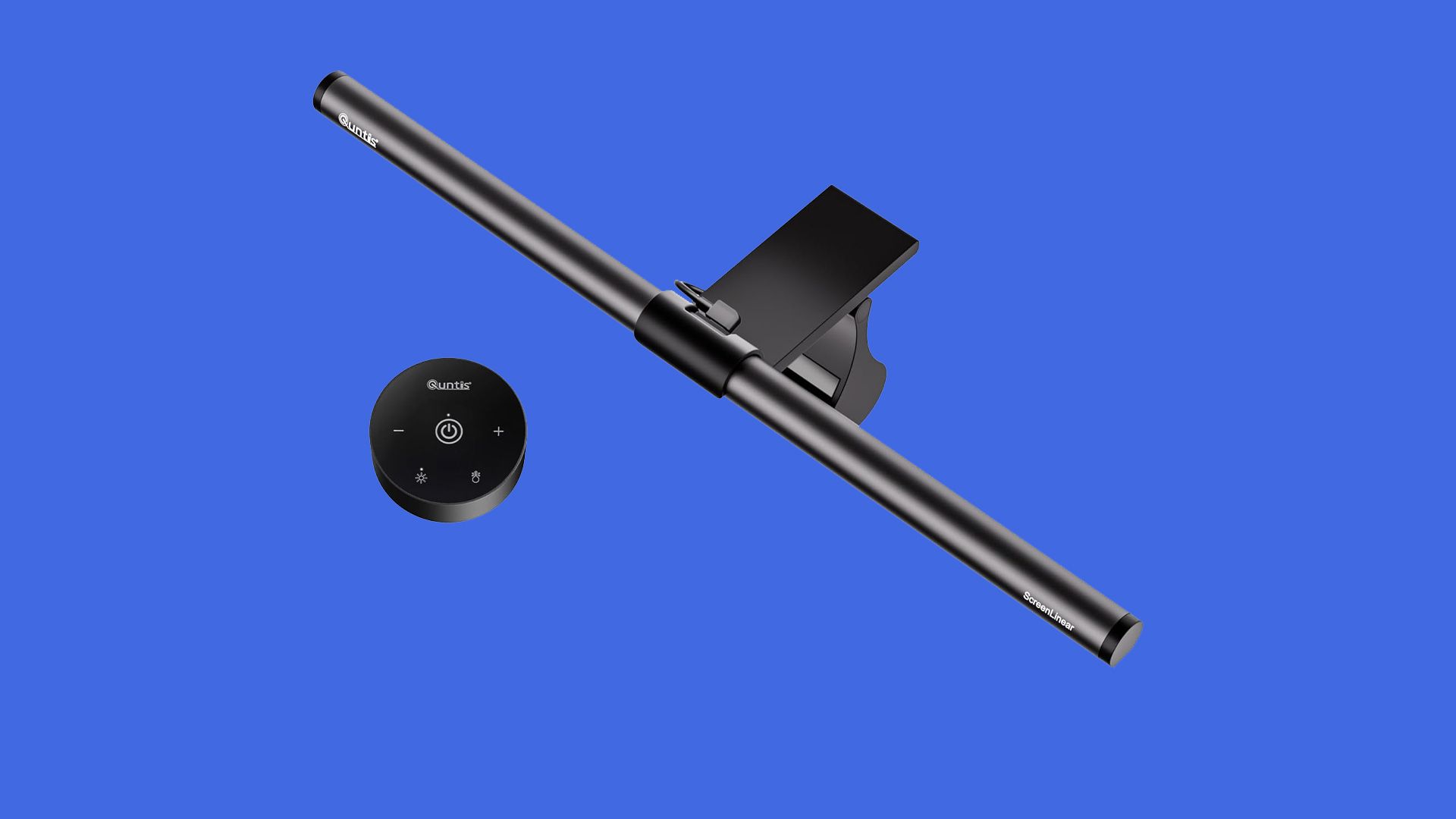
The Quntis Monitor Light has emerged as a dominant market force within the budget category, frequently cited by tech reviewers and ergonomic specialists as a benchmark for value. Originally retailed at approximately $60, recent retail promotions on platforms such as Amazon have slashed the price point to roughly $33. This substantial discount has catalyzed a surge in consumer demand, positioning the device as an accessible entry point for remote workers seeking to upgrade their home office infrastructure without incurring significant capital expenditure.
Industry observers attribute this pricing aggression to increased manufacturing efficiencies and heightened competition among direct-to-consumer tech accessory brands. As more manufacturers enter the screen-bar market, downward pressure on prices has democratized access to ergonomic tools that were previously viewed as luxury purchases.
User Reception and Psychological Implications
Beyond physiological relief from eye strain, psychological responses to improved workspace lighting have become a notable subject of discussion among remote professionals. Seasonal Affective Disorder (SAD) and general winter-related lethargy are well-documented psychological phenomena linked directly to reduced exposure to natural sunlight.
While monitor light bars are not medical-grade light therapy boxes designed to treat clinical SAD, users frequently report subjective improvements in mood and alertness during extended late-afternoon and evening work sessions. By mitigating the oppressive gloom of a dark winter office and providing targeted, high-CRI (Color Rendering Index) illumination, these devices help maintain a cognitive state associated with daytime productivity, effectively extending the psychological workday without inducing the exhaustion typically linked to harsh fluorescent lighting.
Expert Evaluation and Comparative Analysis
In comprehensive roundups conducted by technology and design publications, budget-tier monitor lights consistently rival their more expensive counterparts in core performance metrics. Key evaluation criteria typically include:
- Build Quality and Mounting Stability: Assessing the counterweight mechanism and rubberized padding to ensure the light attaches securely to various monitor thicknesses—including curved displays—without damaging the hardware.
- Illumination Uniformity: Measuring how evenly the light distributes across a standard keyboard and desk surface, ensuring the absence of hot spots or uneven fading.
- Control Interface: Evaluating the usability of touch controls integrated into the light bar versus external wireless control pucks, which allow users to adjust brightness and color temperature without reaching upward.
- Eye Safety Certifications: Verifying the absence of blue-light hazards and flicker-free electrical design, both of which are critical for preventing long-term ocular fatigue.
In these comparative analyses, models like the Quntis variant frequently secure top placement in the value category, scoring comparably to premium competitors in illuminance output and flicker-free stability while offering a fraction of the cost.
Broader Impact and Future Outlook for Remote Work Infrastructure
The mainstream adoption of specialized office accessories highlights a permanent shift in how individuals conceptualize productivity and workspace health. As organizations continue to embrace decentralized workforces, the responsibility for ergonomic workspace design has shifted, in large part, to the individual employee.
Consequently, affordable technological interventions that promise health benefits—such as reduced eye strain, enhanced focus, and improved winter-season morale—are likely to experience sustained market growth. Manufacturers are anticipated to further refine these devices, potentially integrating smart-home connectivity, automated circadian rhythm adjustments, and integrated webcam modules into future iterations of screen-mounted lighting.
For now, the accessibility of discounted ergonomic tools provides an immediate, tangible mechanism for remote workers to optimize their daily environments. As the winter months continue to challenge productivity levels across the northern hemisphere, simple technological adaptations underscore a vital reality: small, targeted investments in workspace infrastructure can yield disproportionately positive impacts on daily professional well-being.