
The rapidly evolving landscape of decentralized finance (DeFi) and blockchain-based asset distribution continues to present formidable security challenges for everyday investors and project developers alike. A recent wave of sophisticated fraudulent activities tied to emerging token campaigns has once again thrust the spotlight onto digital asset security, highlighting critical vulnerabilities in how users interact with smart contracts and promotional airdrops. As blockchain analytics firms and security researchers dissect the mechanics behind these illicit operations, the crypto community is reminded of the persistent threats posed by malicious actors exploiting automated scripts and unauthorized token transfers.
Anatomy of an Emerging Web3 Threat
The latest surge in fraudulent campaigns involves malicious actors deploying counterfeit smart contracts designed to mimic legitimate token distribution events. These schemes frequently leverage promotional tactics associated with high-profile Web3 projects, enticing unsuspecting users with the promise of lucrative airdrops or subsidized token offerings. By utilizing deceptive user interfaces and manipulating transaction parameters on block explorers like Etherscan, perpetrators create an illusion of authenticity that routinely catches retail investors off guard.
Security analysts note that these fraudulent operations rely heavily on social engineering and automated distribution channels. Victims are often directed to unauthorized phishing websites where they are prompted to connect their Web3 wallets—such as MetaMask or WalletConnect—to interact with what appears to be a legitimate claiming portal. Once the connection is established and transaction approvals are granted, the underlying smart contract executes malicious functions that drain the victim’s wallet of native assets and valuable tokens without explicit, informed consent.
Chronology of the Incident and Escalation
The timeline of the recent exploits reveals a meticulously planned operation orchestrated over several weeks. Monitoring by blockchain security firms indicated an initial uptick in suspicious smart contract deployments in early October, coinciding with a broader marketing push by various decentralized applications (dApps).
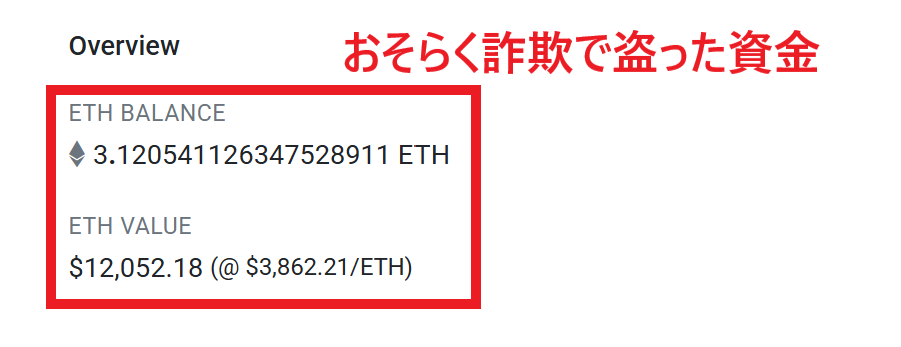
During a critical 48-hour window mid-month, on-chain investigators recorded a massive spike in unauthorized transactions targeting prominent cryptocurrency wallets. According to preliminary blockchain forensic reports, a single malicious vector successfully drained approximately 12,000 Ethereum (ETH) equivalent assets across multiple target accounts within a matter of hours. The speed and scale of the attack caught many independent security monitors off guard, prompting emergency advisories from major decentralized exchanges and wallet providers.
As the incidents unfolded, investigators tracked the movement of stolen funds through a series of complex obfuscation techniques, including the use of privacy-focused mixing services and decentralized cross-chain bridges. Despite these evasive maneuvers, blockchain analysis tools enabled researchers to map the primary outflow paths, providing crucial intelligence for law enforcement and centralized exchange compliance teams attempting to freeze illicit assets before liquidation.
Detailed Examination of On-Chain Evidence
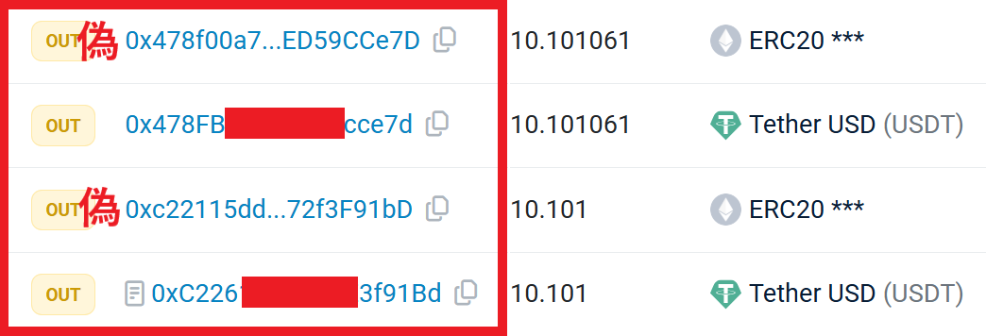
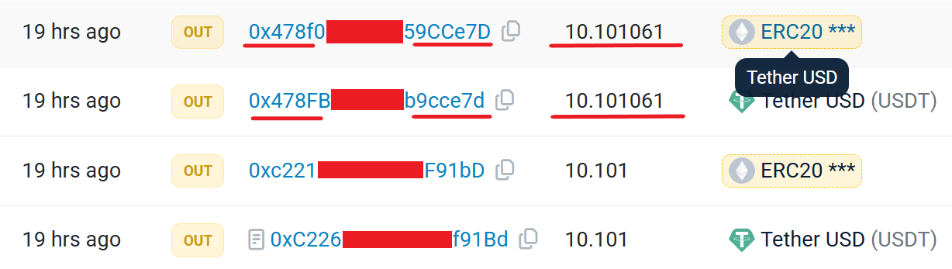
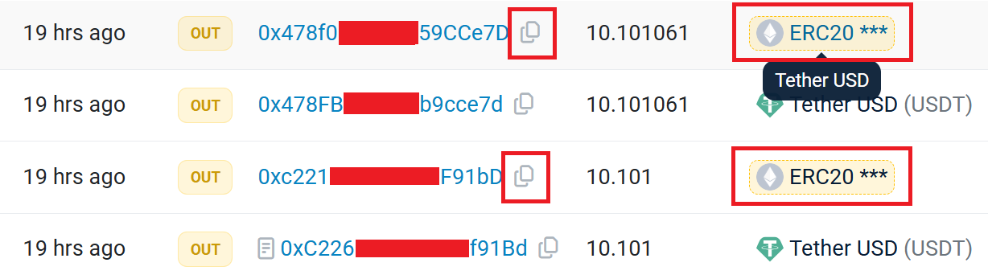
A granular review of the transaction logs extracted via Etherscan provides undeniable proof of the automated mechanics driving these exploits. Unlike traditional hacking methods that rely on exploiting coding errors or flash loan vulnerabilities, the perpetrators in this instance utilized fraudulent signature requests and misleading function calls.
When victims interacted with the phishing sites, the malicious smart contracts exploited standard token allowance functions, specifically leveraging Transfer and Transfer From methods to execute unauthorized withdrawals. In many cases, users believed they were merely signing a gasless off-chain message to verify eligibility for a rewards program. Instead, these signatures granted the malicious contract permanent spending rights over the user’s token holdings. Consequently, the perpetrators could systematically sweep balances from compromised wallets at their discretion, bypassing secondary authentication checks entirely.
Blockchain forensics experts emphasize that this method of exploitation underscores a fundamental misunderstanding among retail investors regarding how token allowances function. Many users remain unaware that granting unlimited approval to an unverified smart contract is equivalent to handing a blank check to an unknown third party.
Industry Response and Preventive Measures
In the wake of these coordinated attacks, responses from across the cryptocurrency sector have been swift and multifaceted. Major wallet providers have updated their threat-detection databases to flag known phishing domains and malicious contract addresses automatically. Furthermore, decentralized exchange aggregators have issued urgent warnings to their user bases, advising heightened caution when interacting with newly launched token pools or unsolicited airdrop announcements.
Security firms have intensified educational campaigns aimed at teaching users how to revoke unnecessary token allowances using tools like Etherscan’s Approval Checker. By routinely auditing connected applications and revoking permissions for inactive or suspicious smart contracts, users can significantly mitigate their exposure to similar threats.
Industry leaders are also advocating for stricter user-interface safeguards within popular wallet applications. Proposals include implementing mandatory multi-step verification for high-risk approvals, introducing clear text translations of complex smart contract bytecode, and delaying transaction execution for unverified contracts to allow automated security systems time to flag potential anomalies.
Broader Market Implications and Future Outlook
The recurrence of these sophisticated scams carries profound implications for the broader cryptocurrency ecosystem. While technological innovations continue to drive mainstream adoption, incidents of this magnitude threaten to erode public trust and invite stricter regulatory scrutiny from global financial watchdogs.

Market analysts point out that as long as high-yield airdrops and token distribution campaigns remain lucrative, malicious actors will continue to innovate their attack vectors. Therefore, self-regulation, proactive community education, and the development of robust, AI-driven security tools are paramount for the sustainable growth of decentralized finance.
Moving forward, stakeholders across the Web3 space must collaborate to establish standardized security protocols that protect retail investors without compromising the permissionless nature of blockchain technology. Until such comprehensive safeguards become the industry baseline, vigilance, skepticism, and continuous education remain the most effective defenses against the ever-evolving threat landscape of digital asset management.