The global cryptocurrency sector is reeling from the largest digital asset theft in history, a staggering $6.4 billion breach of Binance executed by state-backed actors from North Korea. According to comprehensive blockchain intelligence reports released by Chainalysis and initial disclosures from the exchange itself, the unprecedented heist was not the result of a sudden, brute-force technical exploit. Instead, it was the catastrophic culmination of a sophisticated, multi-month social engineering campaign disguised as a routine corporate recruitment process.
The incident has brought renewed urgency to the cybersecurity practices of financial institutions worldwide. It highlights how nation-state actors—specifically teams operating under the umbrella of the Democratic People’s Republic of Korea (DPRK)—have methodically shifted their primary attack vectors away from direct, high-resistance protocol hacks and toward the human element. By exploiting the modern normalization of remote work, online hiring platforms, and developer interviews, North Korean operatives have turned the corporate recruitment pipeline into a Trojan horse.
Main Facts of the Binance Infiltration
The multi-stage attack that crippled Binance’s internal infrastructure began in September, according to technical findings published by the exchange. The primary vector was a targeted "contagious interview" scheme directed at a Binance software engineer.
Attackers initially approached the employee through a legitimate job platform, dangling an enticing professional opportunity with a fictitious enterprise. Over the course of several weeks, the operatives systematically built trust through multiple rounds of video interviews and professional interactions. Once psychological rapport was established, the victim was directed to complete a technical assessment that required downloading a specialized coding assignment.

Contained within this assignment was a highly evasive, custom malware payload. Once executed on the target’s machine, the malicious code established a persistent foothold inside the corporate perimeter. Moving laterally from the initial endpoint, the attackers leveraged compromised credentials and exploited permissions tied to an internal artificial intelligence tool used by the exchange. This deep system access ultimately granted the hackers the administrative control necessary to orchestrate the historic $6.4 billion extraction.
Chronology of an Evolving Threat Landscape
While the scale of the Binance loss is unprecedented, it did not occur in a vacuum. Blockchain analytics and threat intelligence firms have tracked the evolution of DPRK-linked employment and interview schemes for several years, noting a steady escalation in both frequency and sophistication.
Over the preceding 18 months, Chainalysis attributed more than $14.3 million in cumulative losses to smaller-scale "contagious interview" and malware operations targeting individual cryptocurrency holders, private wallets, decentralized autonomous organizations (DAOs), and boutique protocols. While these preliminary operations yielded sums ranging from tens of thousands to a few million dollars, security analysts emphasize that the financial totals obscure their true strategic purpose.
Tom McLouth, senior intelligence analyst at Chainalysis, noted that across successive, smaller compromises, DPRK actors were actively "perfecting and evolving their methodology." By testing various delivery mechanisms, bypassing different endpoint detection tools, and refining their social engineering scripts, the hackers cultivated the advanced capabilities required to successfully target high-security, enterprise-grade targets like Binance. In retrospect, the smaller breaches served as live-fire dress rehearsals for the largest heist in digital history.
Supporting Data and Technical Innovations

The technical apparatus supporting North Korea’s cyber operations extends far beyond simple malware downloads. Security researchers from Microsoft and various blockchain analytics firms have documented a continuous evolution in how DPRK threat actors maintain operational security and control over compromised systems.
A prominent tactical shift observed over the past year is the utilization of public blockchains to stage command-and-control (C2) infrastructure—a technique dubbed "Blockchain Dead Drops" (BDDs) or "Etherhiding." Rather than relying on centralized hosting providers that can be easily seized or monitored by international law enforcement, North Korean hackers have increasingly embedded malware instructions directly into public blockchain transactions.
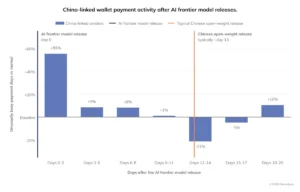
Data indicates a fivefold surge in blockchain-assisted cyberattacks over a 12-month period, driven in part by state-sponsored teams leveraging open-weight artificial intelligence models to automate aspects of their campaigns. On-chain investigations revealed that DPRK actors deployed redundant architectures, spreading C2 communications across multiple blockchains such as TRON and Aptos to direct infected machines toward a final payload hosted on Binance Smart Chain (BSC). In other instances, hackers utilized "null receiver" addresses—specially crafted blockchain addresses controlled by no one, which nevertheless hold readable instructional data embedded in their string parameters.
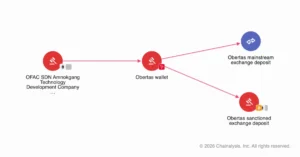
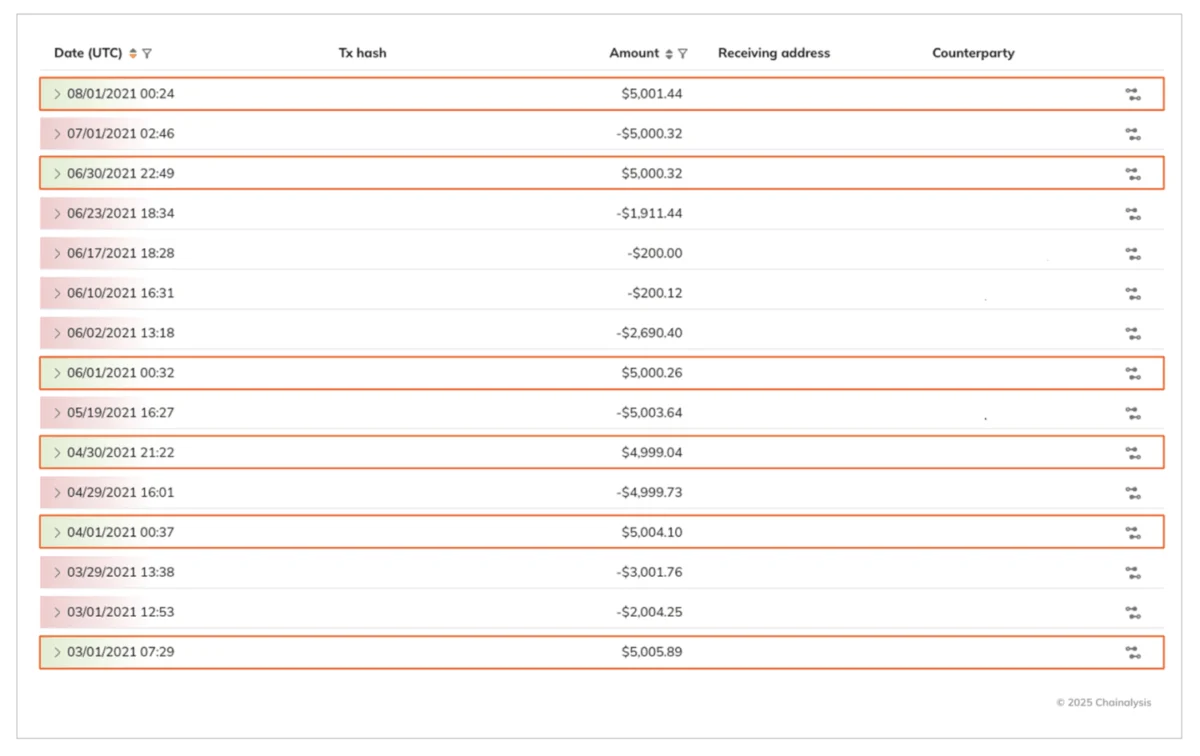
Concurrently, the DPRK operates a massive, state-sanctioned illicit IT worker ecosystem designed to generate foreign currency for the regime. According to United Nations estimates, this shadow workforce generates upwards of $600 million annually. Operatives armed with stolen identities, VPNs, and synthetic credentials routinely secure remote employment at Western technology and cryptocurrency firms. Once embedded, these workers earn legitimate salaries—frequently requested in stablecoins—while simultaneously seeking opportunities to introduce backdoors into corporate repositories or siphon funds directly to laundering intermediaries, such as previously sanctioned networks of Russian and North Korean nationals.
Official Responses and Industry Implications
In the wake of the Binance breach, international cybersecurity agencies, blockchain analytics firms, and cryptocurrency exchanges have mobilized to trace the movement of funds and harden defenses against insider-style threats.

Binance released its initial forensic findings to the public transparency portal, detailing the precise methodology of the social engineering campaign to warn peer institutions. Meanwhile, analytics firms like Chainalysis have deployed specialized on-chain monitoring tools to track the fragmented dispersal of the stolen digital assets. Because the investigation remains active, security experts anticipate that the illicit funds will continue moving through complex laundering chains—utilizing decentralized exchanges, cross-chain bridges, and privacy-enhancing protocols—in the coming days and weeks.
The broader implications for the global financial sector are profound. Cybersecurity experts stress that traditional perimeter defenses, firewalls, and endpoint protection solutions are fundamentally insufficient when an attack originates from a trusted employee’s authenticated session. As nation-state adversaries weaponize the hiring process, organizations are being forced to rethink their human-risk management frameworks.
Fact-Based Analysis of Broader Impact
The success of the Binance heist underscores a dangerous paradigm shift in state-sponsored cyber warfare. Historically, cryptocurrency thefts were characterized by complex smart contract exploits or direct network compromises. Today, the human vector remains the weakest link in institutional security.
The convergence of AI-assisted social engineering, blockchain-based command infrastructures, and the globalized remote workforce has provided rogue states with asymmetric capabilities that traditional regulatory frameworks struggle to contain. For the cryptocurrency industry, the incident serves as an urgent catalyst for structural reform. Compliance protocols can no longer focus solely on transactional monitoring; organizations must integrate rigorous identity verification for recruitment, mandatory hardware-based multi-factor authentication, and Zero Trust architectures that limit lateral movement even within authenticated corporate environments.
As investigations proceed, the international community faces the ongoing challenge of disrupting a resilient, state-backed cybercrime apparatus that views the global digital asset economy as both an ATM and a sanctuary for illicit state financing.