The rapid ascent of Web3 technology has fundamentally transformed the concept of digital ownership, shifting the paradigm from centralized platform control to individual asset sovereignty. Central to this digital revolution is the process of tokenization, which utilizes blockchain technology to represent real-world or virtual assets as digital tokens. As the landscape matures, understanding the distinction between Fungible Tokens (FTs) and Non-Fungible Tokens (NFTs) has become essential for investors, developers, and casual users alike. This guide explores the mechanics, implications, and future trajectory of tokenization as it continues to integrate into the global financial and creative ecosystems.
The Core Mechanics of Tokenization
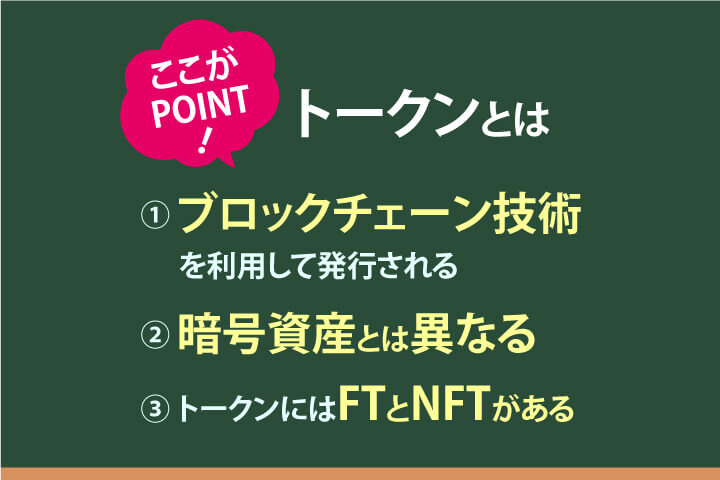
At its most fundamental level, tokenization is the process of converting the rights to an asset into a digital token on a blockchain. This process ensures transparency, security, and immutability. When an asset is tokenized, it can be traded, tracked, and managed with unprecedented efficiency.
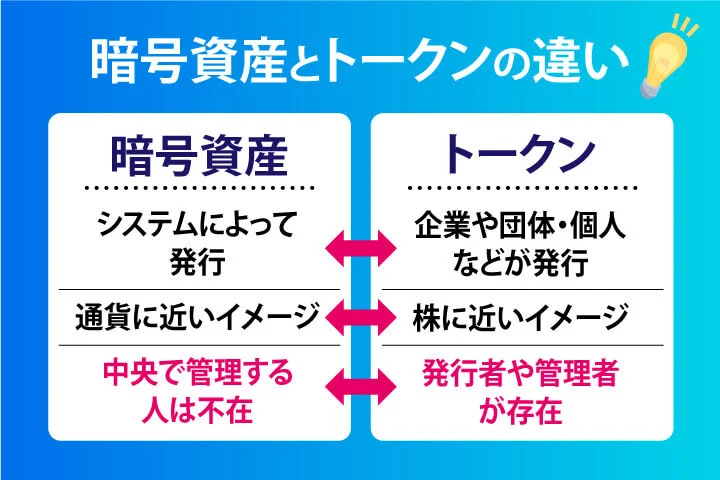
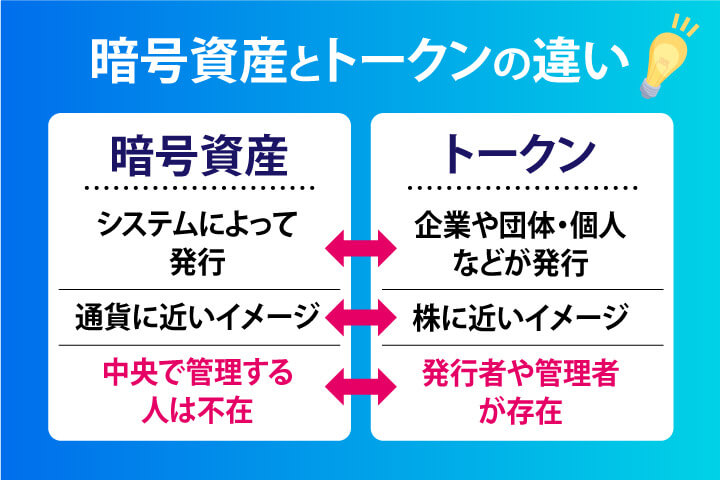
The two primary categories of these digital assets are Fungible Tokens and Non-Fungible Tokens. Fungible Tokens, such as Bitcoin (BTC) or Ethereum (ETH), are identical in value and interchangeable. One unit of a specific fungible token is indistinguishable from another, much like traditional fiat currencies. Conversely, Non-Fungible Tokens represent unique, one-of-a-kind assets. Because each NFT carries a distinct digital signature and metadata, it cannot be replaced or exchanged on a one-to-one basis with another token. This uniqueness is what has driven the adoption of NFTs in sectors ranging from digital art and collectibles to real estate and intellectual property rights.

Chronology and Evolution of the Token Economy
The journey toward modern tokenization began in 2009 with the launch of Bitcoin, which introduced the concept of a decentralized, fungible digital currency. However, the true expansion of the token ecosystem occurred with the advent of the Ethereum blockchain in 2015. Ethereum introduced "smart contracts," self-executing contracts with the terms of the agreement directly written into code.
In 2017, the landscape shifted dramatically with the emergence of the ERC-721 standard, which provided a formal framework for creating unique tokens on the Ethereum network. This led to the viral success of projects like CryptoKitties, which demonstrated the potential for NFTs to act as digital collectibles. By 2021, the market experienced a massive influx of institutional interest and mainstream adoption, as major auction houses, sports leagues, and gaming companies began to explore tokenization as a means of engaging audiences and monetizing digital content.

Comparative Analysis: FTs vs. NFTs
The distinction between FTs and NFTs is often misunderstood by newcomers to the space. The primary differentiator lies in the utility of the token.
Fungible Tokens function as a medium of exchange or a store of value. Their primary strength is liquidity; because they are interchangeable, they can be easily traded on decentralized exchanges (DEXs) or centralized platforms. They are the backbone of Decentralized Finance (DeFi), enabling lending, borrowing, and staking protocols that mimic traditional banking systems but operate without intermediaries.
Non-Fungible Tokens, by contrast, function as a record of provenance and ownership. The utility of an NFT is not necessarily in its liquidity, but in its ability to prove that a specific individual owns a specific asset. This has profound implications for digital identity, supply chain tracking, and gaming. In a blockchain-based game, for example, a player’s sword or armor is typically represented as an NFT. This means the player truly owns that item and can sell it on secondary markets outside the game’s own ecosystem, a stark departure from traditional gaming models where all assets remain under the ownership of the developer.
Economic Implications and Market Impact
The shift toward tokenized assets has introduced new economic models, most notably the "Creator Economy" and "Play-to-Earn" (P2E) frameworks. By eliminating middlemen—such as banks, auction houses, or centralized game studios—tokenization allows creators and users to capture a larger share of the value generated by their activities.
Data from the past three years indicates that while the market for NFTs has faced volatility, the underlying technology continues to see robust development. Institutional players are increasingly utilizing tokenization to represent real-world assets (RWAs), such as corporate bonds, carbon credits, and luxury real estate. This transition suggests that the next phase of tokenization will be defined by institutional adoption, where the transparency of the blockchain is leveraged to improve the efficiency of legacy financial systems.
Addressing Challenges: Security and Regulation
Despite the promise of tokenization, the ecosystem faces significant challenges. Security remains a primary concern; as tokens are stored in digital wallets, the loss of private keys or exposure to phishing attacks can result in the permanent loss of assets. The irreversibility of blockchain transactions, while a feature of the system, means that there is little recourse for victims of fraud or theft.

Furthermore, the regulatory landscape remains fragmented. Different jurisdictions have adopted varying stances on whether certain tokens should be classified as securities, commodities, or utility tokens. The lack of a global regulatory framework creates uncertainty for companies attempting to integrate tokenization into their business models. Organizations like the Financial Action Task Force (FATF) have begun to issue guidelines to mitigate money laundering risks, and governments worldwide are currently drafting legislation to balance innovation with consumer protection.
The Role of Decentralized Autonomous Organizations (DAOs)
The rise of tokens has been inextricably linked to the emergence of Decentralized Autonomous Organizations (DAOs). DAOs represent a new way of organizing human activity, where governance is managed through tokens rather than a traditional corporate board. Members of a DAO hold governance tokens that grant them voting rights on proposals, such as how to allocate treasury funds or which development paths to prioritize.

This structure creates a high degree of transparency and participation. However, it also introduces complexities in decision-making and accountability. As the technology matures, DAOs are evolving to include more sophisticated legal structures, often known as "hybrid" models, which allow them to interface with the traditional legal system while maintaining the core ethos of decentralization.
Future Outlook and Strategic Implications
Looking ahead, the integration of tokenization into the broader internet infrastructure seems inevitable. As "Web3" becomes more user-friendly, the technical complexities of managing wallets and interacting with blockchains will likely be abstracted away, allowing for seamless user experiences.

For businesses, the strategic implication is clear: tokenization is not merely a trend, but a fundamental shift in how value is transferred and recorded. Companies that fail to understand the utility of tokens risk being sidelined as competitors adopt blockchain-based solutions to improve supply chain transparency, customer loyalty programs, and digital asset management.
Moreover, the environmental impact of tokenization—historically a point of criticism—has been largely addressed by the industry’s shift toward "Proof-of-Stake" consensus mechanisms. These energy-efficient alternatives have reduced the carbon footprint of major blockchains by over 99%, making tokenization a viable and sustainable strategy for a wide range of industries.
Conclusion
The evolution of tokenization represents a critical milestone in the digital age. By providing a secure, transparent, and decentralized method for managing ownership, FTs and NFTs have laid the groundwork for a more inclusive and efficient global economy. While challenges regarding security and regulation persist, the trajectory of the industry points toward a future where tokenization is as common and essential as the digital payment systems of today. As the technology continues to stabilize and integrate with traditional financial systems, it will undoubtedly remain at the forefront of the technological innovation that defines our era.