The cryptocurrency exchange landscape has undergone a profound transformation, evolving from a niche ecosystem of experimental digital asset trading into a heavily regulated, institutional-grade financial infrastructure. As global adoption accelerates and traditional finance (TradFi) deeply intertwines with decentralized finance (DeFi), choosing the right cryptocurrency exchange is more critical than ever for both retail participants and institutional investors. Selecting a platform requires a careful evaluation of security protocols, liquidity depth, fee structures, regulatory compliance, and the availability of advanced derivatives tools.
The Evolution of Cryptocurrency Exchanges
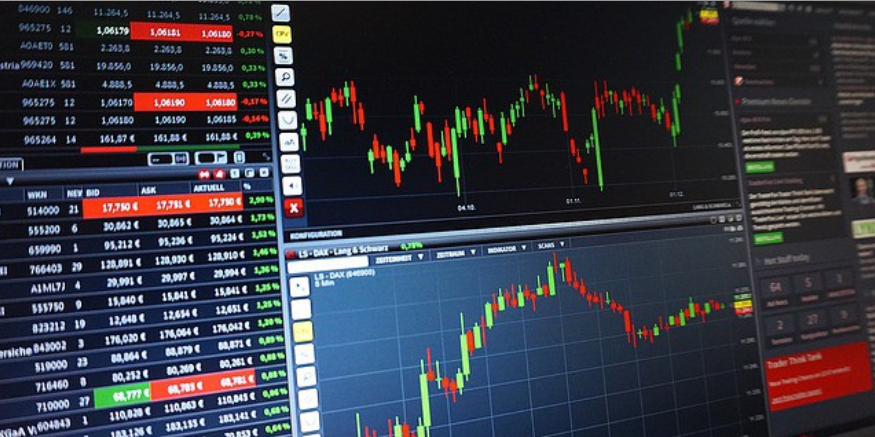
In the early days of Bitcoin and alternative digital assets, cryptocurrency exchanges operated with minimal oversight, serving primarily as rudimentary marketplaces where early adopters could swap tokens. These platforms frequently faced severe security vulnerabilities, regulatory scrutiny, and liquidity shortages. Over the past decade, however, the industry has matured dramatically. Modern exchanges now rival traditional Wall Street brokerages in technological sophistication, offering lightning-fast trade execution engines, deep liquidity pools, and sophisticated risk management tools.
Today’s crypto exchanges are generally divided into two primary categories: Centralized Exchanges (CEXs) and Decentralized Exchanges (DEXs). While CEXs offer user-friendly interfaces, high fiat gateways, and customer support, DEXs provide self-custody, censorship resistance, and privacy. Modern traders frequently utilize a hybrid approach, leveraging the speed and fiat ramps of centralized platforms while capitalizing on the yield opportunities and unique asset availability found within decentralized protocols.
Top-Tier Cryptocurrency Exchanges in 2026
To navigate this complex market successfully, traders must understand the unique offerings, strengths, and regulatory stances of the industry’s leading platforms. Below is a detailed analysis of the top cryptocurrency exchanges currently dominating the global market.
Hyperliquid: The Pinnacle of Decentralized Derivatives
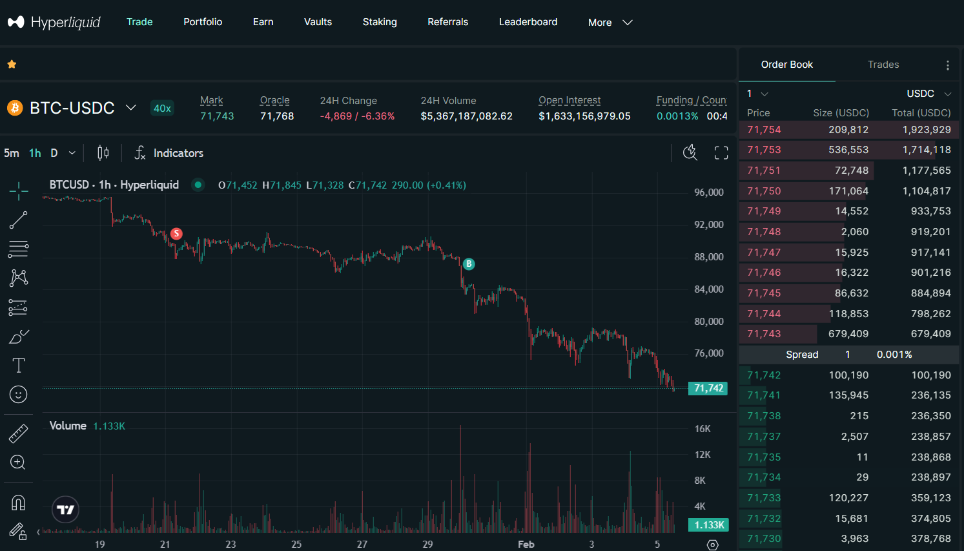
Hyperliquid has rapidly emerged as one of the most prominent decentralized perpetual exchanges in the cryptocurrency industry. Unlike traditional DEXs that suffer from high latency and thin order books, Hyperliquid offers deep liquidity matching traditional centralized competitors, combined with the transparency and self-custody guarantees of blockchain technology.

The platform’s architecture is specifically designed for high-frequency traders and advanced market participants. By operating its own specialized layer-1 app-chain, Hyperliquid eliminates the gas fee bottlenecks common on general-purpose blockchains like Ethereum, allowing for near-instantaneous trade execution. Furthermore, Hyperliquid’s open-book model has attracted institutional market makers, narrowing spreads and driving massive daily trading volumes. For users seeking decentralized perpetual trading without compromising on execution speed, Hyperliquid represents a gold standard in the current market cycle.
BTCC: Institutional-Grade Security and High Leverage
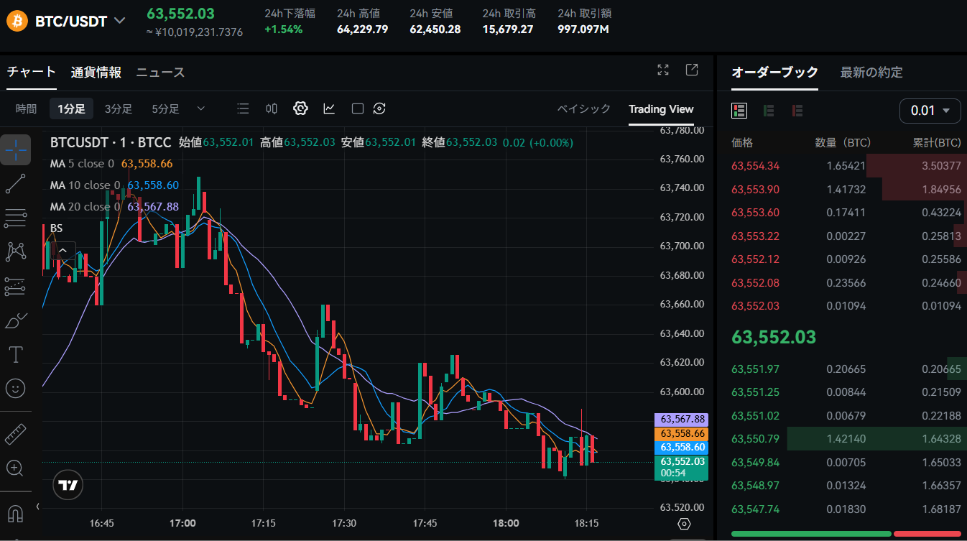
BTCC stands out as one of the longest-running and most trusted cryptocurrency derivatives exchanges in the world. Established with a core philosophy of operational security and risk management, BTCC has maintained an impeccable safety record throughout its operational history, shielding user funds from major industry hacks and systemic failures.
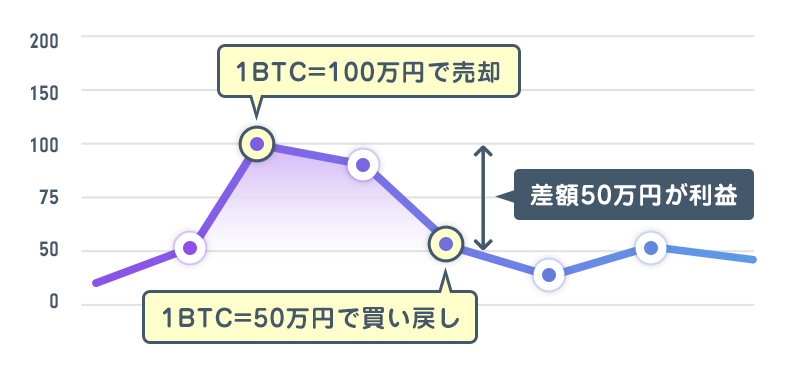
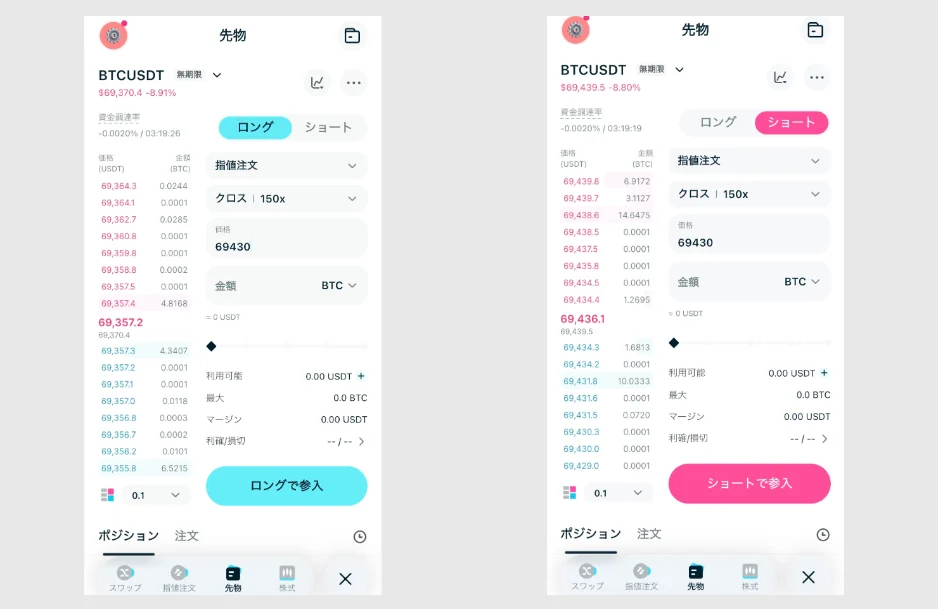
The platform specializes in high-leverage perpetual contracts, offering up to 500x leverage on major cryptocurrency pairs. While such high leverage requires advanced risk management and is primarily suited for experienced traders, BTCC provides robust educational resources and demo accounts to help participants hone their strategies. Additionally, BTCC bridges the gap between traditional finance and digital assets, offering a seamless interface for macroeconomic hedging and diversified portfolio management.
MEXC: Altcoin Diversity and High-Yield Opportunities
For traders seeking exposure to early-stage tokens and high-yield financial products, MEXC has established itself as a premier destination. The exchange is globally renowned for its aggressive listing strategy, frequently being the first major platform to list emerging altcoins, meme coins, and breakthrough DeFi protocols.
MEXC implements competitive fee structures, including zero-fee spot trading promotions for select trading pairs, which significantly reduces overhead costs for active day traders. Beyond spot and derivatives trading, MEXC offers comprehensive Earn programs, allowing users to stake stablecoins like USDT and various native tokens to generate passive income. While trading high-volatility altcoins carries inherent risks, MEXC provides the tools and liquidity necessary for traders to capitalize on emerging market trends ahead of the broader public.
Bitget Wallet: The Ultimate Web3 Companion
As the cryptocurrency ecosystem shifts increasingly toward self-custody and multi-chain interaction, non-custodial wallets with integrated trading features have become essential tools for modern participants. Bitget Wallet has positioned itself as a leading Web3 portal, bridging the gap between decentralized applications and traditional exchange liquidity.
Bitget Wallet allows users to manage digital assets across dozens of blockchains, execute cross-chain swaps, and interact directly with decentralized exchanges like Hyperliquid and various automated market makers (AMMs). By combining a secure multi-chain wallet with integrated derivative trading and portfolio management tools, Bitget Wallet offers a comprehensive solution for users who want complete control over their private keys without sacrificing the trading capabilities of a centralized platform.
Market Implications and Future Outlook
The maturation of cryptocurrency exchanges reflects the broader legitimization of digital assets as an asset class. Regulatory frameworks across major global economies—including the European Union’s Markets in Crypto-Assets (MiCA) regulation, developments in Asian financial hubs, and evolving guidelines in the United States—are providing greater legal clarity for both exchanges and users.

This regulatory shift has accelerated institutional participation. Traditional asset managers, hedge funds, and corporate treasuries are increasingly utilizing regulated exchanges and institutional custodians to gain exposure to Bitcoin, Ethereum, and digital asset derivatives. Consequently, exchanges that prioritize compliance, robust proof-of-reserves audits, and advanced cybersecurity measures are capturing the lion’s share of market volume.
Summary and Strategic Recommendations
Choosing the right cryptocurrency exchange depends heavily on an individual trader’s goals, risk tolerance, and familiarity with blockchain technology. While centralized platforms like BTCC and MEXC offer superior fiat gateways, high leverage, and extensive altcoin selection, decentralized protocols like Hyperliquid provide unmatched self-custody and transparency.

Traders are strongly advised to practice prudent risk management, diversify their assets across multiple platforms, and utilize hardware wallets or advanced Web3 applications like Bitget Wallet to secure long-term holdings. As the digital asset economy continues to expand, staying informed about platform updates, fee structures, and regulatory developments will remain the cornerstone of successful crypto trading.