The rapid evolution of the digital economy has brought the concept of virtual currency into the mainstream, transforming how individuals and institutions approach finance, ownership, and value exchange. At the heart of this transformation is the technology that makes digital scarcity possible: blockchain. While often associated with the high volatility of crypto-asset markets, virtual currency represents a significant technological leap in how we verify, transfer, and secure data without the need for traditional intermediaries.

The Genesis of Digital Value: From Satoshi Nakamoto to Decentralization
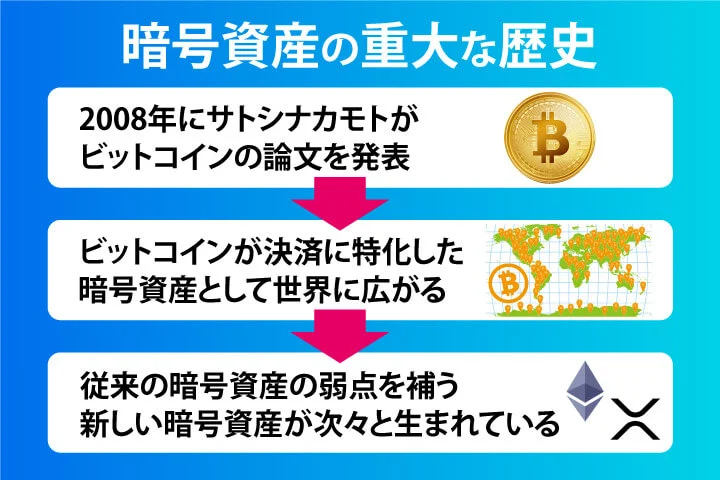
The modern era of virtual currency began in 2008 with the publication of a seminal white paper by an individual or group using the pseudonym Satoshi Nakamoto. Titled "Bitcoin: A Peer-to-Peer Electronic Cash System," the document outlined a solution to the "double-spending" problem—a major hurdle in creating digital money that could not be easily duplicated or forged. Nakamoto’s solution was the blockchain, a distributed ledger technology that relies on a network of computers to validate transactions through consensus rather than a central bank or financial institution.
The core innovation of virtual currency lies in its ability to facilitate trust in a trustless environment. By utilizing cryptographic techniques, every transaction is recorded on a permanent, immutable ledger. This transparency ensures that all participants can verify the integrity of the system. Since the launch of the Bitcoin network in 2009, the ecosystem has expanded to include thousands of digital assets, each serving different purposes, from smart contract platforms like Ethereum to stablecoins designed to maintain price parity with fiat currencies.

Market Dynamics and the Mechanics of Exchange
To understand virtual currency, one must differentiate between the underlying technology and the assets themselves. Virtual currencies, often categorized as digital assets, function as a medium of exchange, a store of value, or a unit of account. Their value is primarily driven by supply and demand, technological utility, and broader market sentiment.
Unlike traditional currencies issued by sovereign governments, most virtual currencies are governed by algorithmic protocols. Bitcoin, for instance, has a hard-coded supply limit of 21 million units, creating a deflationary pressure that contrasts sharply with the inflationary nature of many fiat currencies. This scarcity, combined with the increasing adoption by institutional investors and corporations, has solidified its position as a "digital gold" in the portfolios of many global entities.

The exchange of these assets typically occurs on digital asset platforms. These platforms serve as the bridge between traditional banking systems and the blockchain. Users can trade virtual currencies, convert them into fiat currency, or store them in digital wallets. However, the rise of Web3—the decentralized iteration of the internet—has introduced decentralized exchanges (DEXs) that allow for peer-to-peer trading without the need for a centralized intermediary, further emphasizing the shift toward user-sovereignty.
Supporting Data: The Growth of the Crypto Economy
Data from the past decade indicates that the adoption of virtual currency is not a fleeting trend but a structural shift in global finance. In 2020, the market capitalization of the entire cryptocurrency sector stood at approximately $200 billion. By the peak of the bull market in late 2021, that figure surged beyond $3 trillion, reflecting massive retail and institutional inflows.

Even during periods of market correction, the daily trading volume of major assets like Bitcoin and Ethereum consistently reaches billions of dollars. Furthermore, the rise of the decentralized finance (DeFi) sector has seen billions of dollars in "Total Value Locked" (TVL), representing capital that is being deployed into lending, borrowing, and yield-farming protocols. This movement of capital away from traditional savings accounts toward automated, code-based financial services underscores the demand for more transparent and efficient financial tools.
Regulatory Landscapes and Global Implications
As virtual currencies gain prominence, regulatory bodies worldwide are working to establish frameworks that balance innovation with consumer protection. The challenge for policymakers lies in the borderless nature of blockchain technology. Organizations like the Consumer Affairs Agency in various jurisdictions have issued numerous advisories regarding the risks associated with virtual currency investments, highlighting concerns such as market manipulation, cybersecurity threats, and the potential for fraud.

The consensus among major financial regulators, including the U.S. Securities and Exchange Commission (SEC) and the European Securities and Markets Authority (ESMA), is that the lack of centralized oversight requires investors to exercise extreme caution. Key regulatory focus areas include:
- Anti-Money Laundering (AML) Compliance: Ensuring that virtual currency exchanges follow the same Know Your Customer (KYC) standards as traditional banks.
- Taxation: Clarifying the status of digital assets as property, income, or capital assets for tax reporting purposes.
- Investor Protection: Developing safeguards to prevent the loss of assets through hacking or the collapse of poorly managed platforms.
The Role of Web3 in the Future of Finance
Web3 is the architectural foundation that allows virtual currency to move beyond simple transactions and into the realm of complex applications. Through "smart contracts"—self-executing code that runs when predetermined conditions are met—Web3 enables decentralized applications (dApps) to replace centralized business models.

For instance, in traditional banking, a loan requires a bank to verify credit history and collateral. In the Web3 ecosystem, a smart contract can manage the entire process, holding collateral in escrow and releasing funds automatically upon verification of asset security. This automation reduces costs, eliminates human error, and ensures that financial services are available to anyone with an internet connection, regardless of their location or socioeconomic status.
Security and Best Practices for Digital Asset Management
Despite the technological robustness of blockchain, the weakest link in the chain is often the human element. The security of a virtual currency portfolio depends entirely on the management of private keys. A private key acts as a digital signature; anyone who possesses it has full control over the associated assets.

To mitigate risk, security experts recommend the following practices:
- Cold Storage: Moving significant holdings to hardware wallets that are not connected to the internet, protecting them from online phishing and malware.
- Two-Factor Authentication (2FA): Using app-based authentication rather than SMS to secure exchange accounts.
- Due Diligence: Conducting thorough research on projects, including reviewing white papers, understanding the tokenomics, and checking the reputation of the development team.
Broader Impact: Towards a Digitized Economy
The integration of virtual currency into the global economy is poised to have long-term implications. Central banks are currently exploring Central Bank Digital Currencies (CBDCs)—government-backed digital versions of fiat currency that utilize blockchain technology. This represents a hybrid model where the efficiency of distributed ledger technology is combined with the stability and oversight of sovereign monetary policy.

Furthermore, the rise of tokenization—the process of converting rights to an asset (such as real estate, art, or commodities) into a digital token on a blockchain—could unlock trillions of dollars in liquidity. By fractionalizing ownership, investors can gain exposure to assets that were previously inaccessible, democratizing investment opportunities on a global scale.
In conclusion, while the sector faces ongoing volatility and regulatory hurdles, the fundamental utility of virtual currency as a trust-minimized ledger system is undeniable. As infrastructure matures and institutional adoption continues to grow, the distinction between "traditional" and "digital" finance is expected to blur, ultimately leading to a more inclusive, efficient, and transparent global economic landscape. Investors and enthusiasts alike must maintain a focus on security, education, and long-term utility to navigate this evolving frontier successfully.