The rapid expansion of decentralized finance (DeFi) and the non-fungible token (NFT) marketplace has unlocked unprecedented economic opportunities for digital asset holders worldwide. However, this decentralized revolution has simultaneously introduced complex security vulnerabilities that threaten user funds. Among the most pervasive yet misunderstood security risks in the Web3 ecosystem are token approvals—commonly referred to as "Approve" functions—and the vital importance of managing and revoking them using tools like Revoke.cash.
As blockchain technology matures, security analysts continuously emphasize that convenience often comes at the expense of safety. In the fast-paced world of cryptocurrency trading, decentralized exchanges (DEXs), and NFT marketplaces, users are frequently required to grant smart contracts permission to interact with and transfer their assets. While these permissions are standard operating procedures for executing trades, failing to manage them properly can lead to devastating, irreversible losses. Understanding how these approvals operate, how malicious actors exploit them, and how to safely revoke them is essential for anyone navigating the blockchain landscape.
The Anatomy of Token Approvals: Convenience Versus Risk
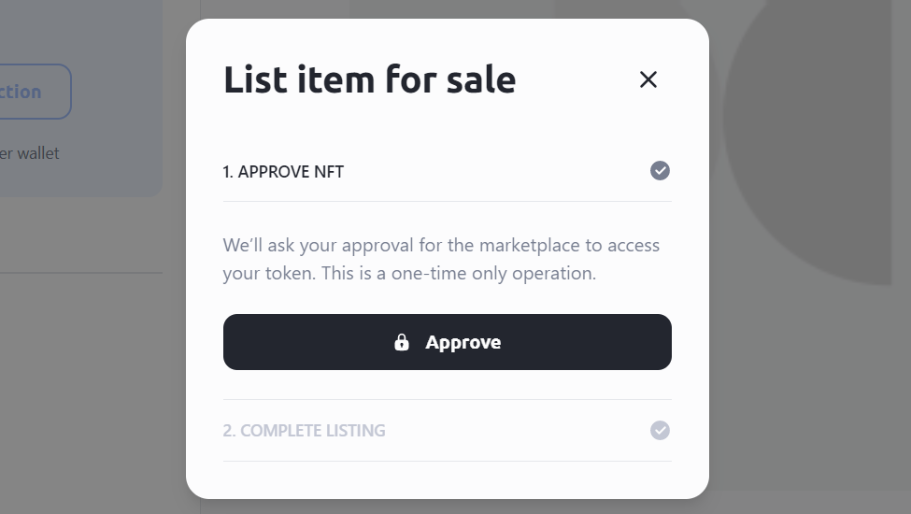
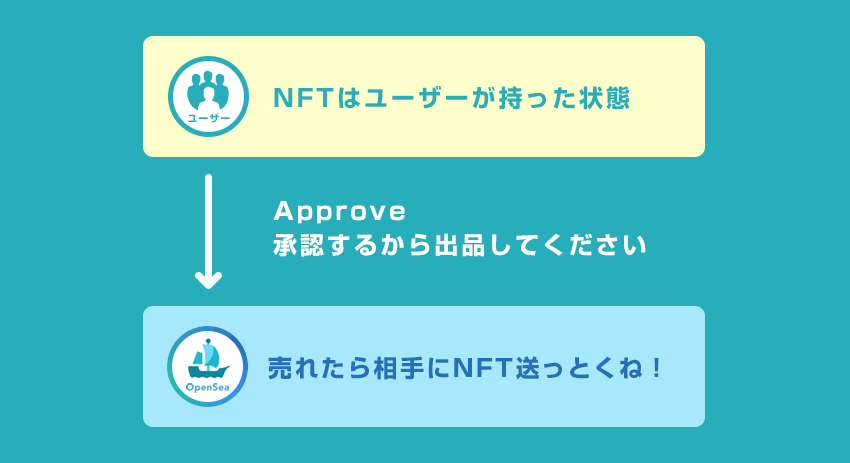
To understand why token approvals represent such a significant security risk, one must first examine how decentralized applications (dApps) interact with user wallets. When a user wishes to trade an NFT on a marketplace like OpenSea or swap tokens on a decentralized exchange such as Uniswap, the underlying smart contract requires permission to move the specified assets on the user’s behalf. This action is executed via an "Approve" transaction.

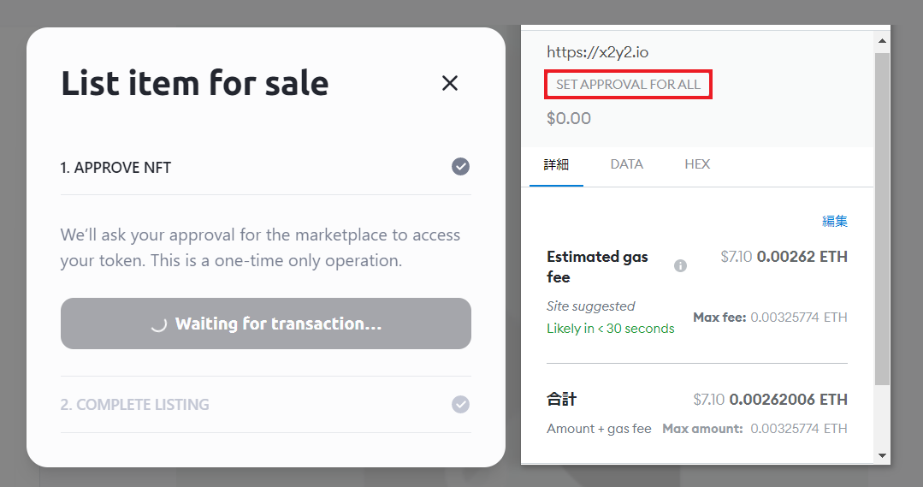
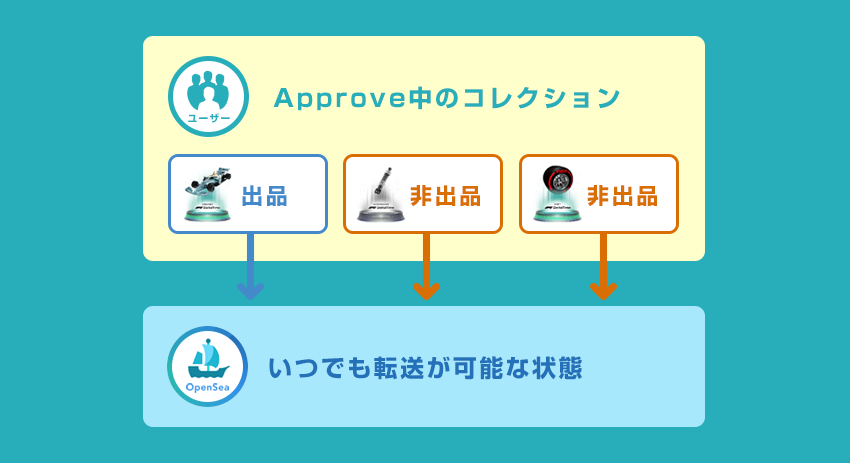
In many instances, to streamline the user experience and eliminate the need for repetitive transaction fees, dApps prompt users to approve unlimited spending or token transfers. While this design choice reduces friction during active trading sessions, it leaves a permanent authorization active on the blockchain. If the smart contract associated with that dApp is ever compromised, exploited, or revealed to be a malicious front, the attackers can instantly drain all approved assets from the user’s wallet without requiring additional signatures or authorization.
Security researchers note that many victims of high-profile phishing attacks and wallet drainers are entirely unaware that a dangerous approval granted months prior remains active. Because blockchain transactions are immutable, simply disconnecting a wallet from a malicious website does not revoke the underlying smart contract permissions. Consequently, proactive security management requires users to regularly audit and revoke outdated approvals.
The Rise of NFT Phishing and Social Engineering Tactics
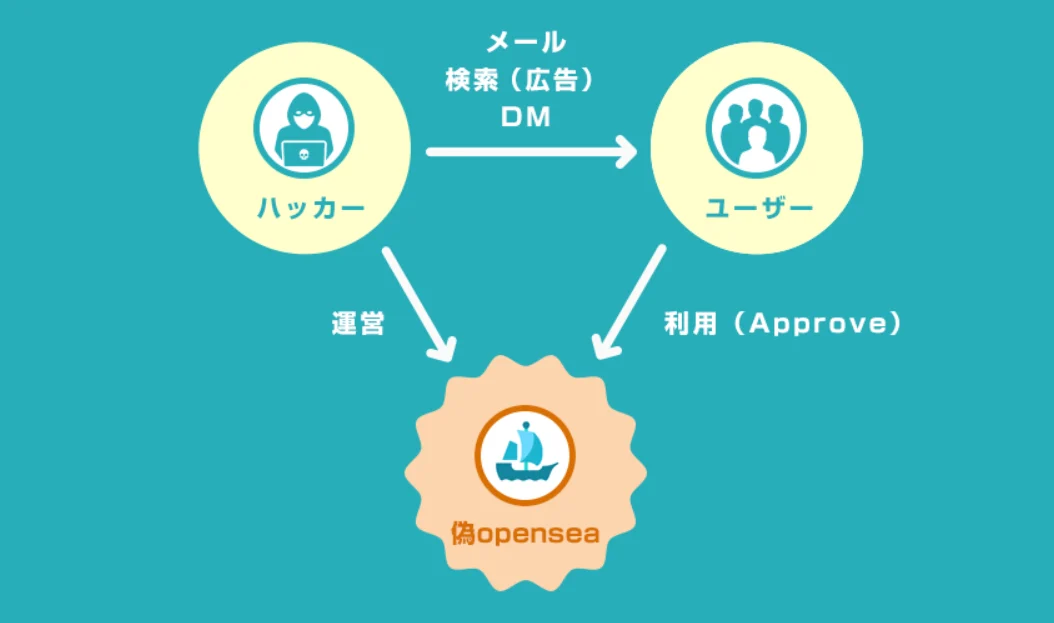
The vulnerability of token approvals has been aggressively exploited by cybercriminals through increasingly sophisticated social engineering campaigns. Phishing attacks targeting prominent NFT marketplaces, such as OpenSea, have frequently demonstrated how attackers manipulate user trust to drain valuable digital collections.
A classic vector for these attacks involves malicious actors impersonating customer support representatives on platforms like Discord or Telegram, or utilizing search engine optimization (SEO) poisoning to place fraudulent dApp links at the top of search engine results. When unsuspecting users click these links, they are directed to meticulously crafted phishing websites that mimic legitimate trading platforms.
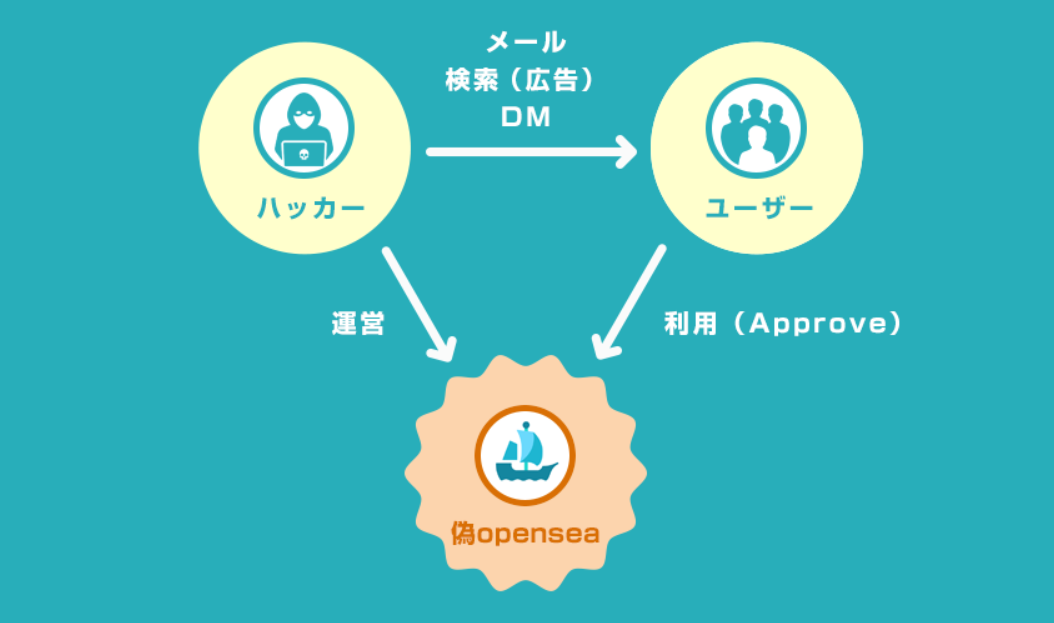
On these fraudulent sites, victims are tricked into signing malicious "Approve" transactions under the guise of claiming airdrops, verifying wallet ownership, or resolving account errors. Once the approval is executed, the scammer’s smart contract gains perpetual rights to transfer the victim’s NFTs or tokens. Security experts point out that these attacks are particularly insidious because the victim may not notice anything amiss immediately; the theft often occurs hours or even days later, long after the user has left the fraudulent website.
Chronology of Major Incidents and the Need for Proactive Defense
The history of Web3 security is punctuated by numerous incidents where compromised approvals resulted in catastrophic losses. Major exploits involving cross-chain bridges, decentralized exchanges, and NFT marketplaces routinely highlight the danger of leaving token allowances unchecked. For instance, high-profile bridge exploits and phishing waves have repeatedly demonstrated that no sector of the decentralized economy is immune to authorization abuse.
When an exploit occurs within a popular protocol, users who have interacted with the platform historically are often at immediate risk, even if they were not actively using the service at the exact moment of the attack. This reality underscores the necessity of utilizing allowance-checking tools. Cybersecurity frameworks now strongly recommend treating wallet security as an ongoing maintenance task rather than a one-time setup.
Industry analyses consistently show that prompt revocation significantly mitigates systemic risk. By systematically cutting off unauthorized smart contracts from accessing wallet funds, users erect a crucial defensive barrier against automated wallet-draining scripts.
Revoke.cash and Etherscan: Essential Tools for Wallet Hygiene
Fortunately, the blockchain community has developed robust tools to help users audit and reclaim control over their wallet permissions. Among the most widely adopted solutions for this purpose is Revoke.cash, a specialized utility designed to help users identify and cancel active token approvals across multiple blockchain networks.
While blockchain explorers like Etherscan allow advanced users to inspect and revoke allowances manually through contract write functions, dedicated tools like Revoke.cash provide a user-friendly interface that simplifies the process significantly. By connecting a Web3 wallet to the platform, users are presented with a comprehensive dashboard listing every smart contract that currently holds spending or transfer permissions over their assets.
The utility categorizes these approvals by token type, displaying the spender address, the allowed amount, and the date of the last interaction. If an allowance appears suspicious, unverified, or is simply no longer needed, the user can initiate a revocation transaction directly through the interface. While executing a revocation requires a nominal network gas fee, this minor cost is an invaluable investment compared to the potential loss of an entire digital asset portfolio.
Step-by-Step Guide to Using Revoke.cash
Securing a cryptocurrency wallet using Revoke.cash involves a straightforward sequence of steps designed for both novice and experienced blockchain users:

- Navigate to the official website by entering the verified URL into your browser, ensuring you avoid phishing domains by bookmarking the correct address.
- Connect your Web3 wallet (such as MetaMask, Coinbase Wallet, or WalletConnect-compatible providers) to the platform.
- Review the dashboard listing all active approvals associated with your wallet address across supported blockchains, including Ethereum, Polygon, Arbitrum, and others.
- Locate the specific smart contracts, tokens, or NFT collections that you no longer interact with or do not recognize.
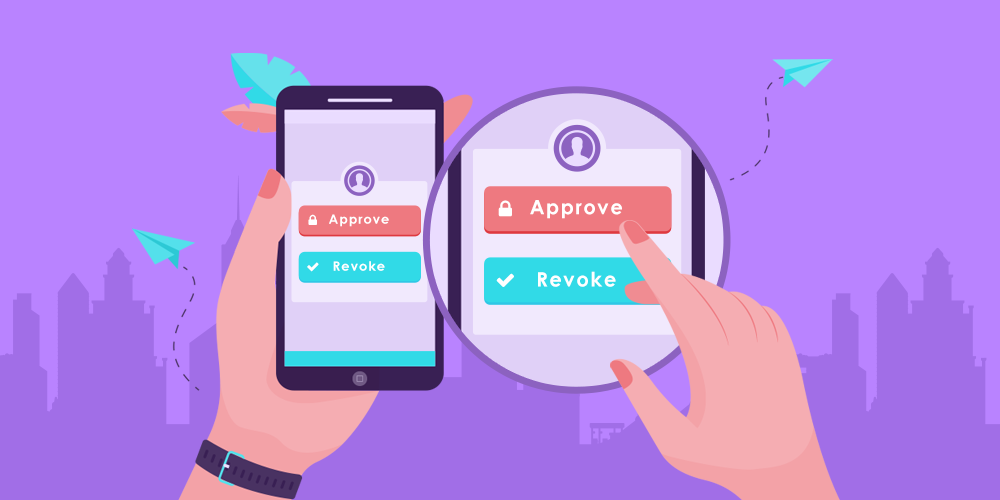
- Click the "Revoke" button next to the targeted permission.
- Confirm the transaction in your wallet popup and pay the required gas fee to finalize the cancellation on-chain.
Security professionals recommend performing this audit on a monthly basis, or immediately following any period of heavy trading and interaction with newly launched decentralized applications.
Preventing Phishing and Safeguarding Digital Assets
Beyond managing token approvals, maintaining robust digital hygiene requires constant vigilance against emerging cyber threats. Because scammers frequently employ search engine advertising fraud and direct message phishing to distribute malicious URLs, users must adopt strict verification habits.

Never click on unsolicited links sent via direct messages on social media platforms or messaging applications. When accessing popular DeFi protocols or NFT marketplaces, always verify the URL against official community channels and avoid clicking sponsored search results that may lead to fraudulent replica sites.
Furthermore, hardware wallets provide an additional layer of security by requiring physical confirmation for every transaction, ensuring that malicious scripts cannot autonomously drain funds even if a software interface is compromised. By combining hardware-level security practices with regular allowance revocations via tools like Revoke.cash, digital asset holders can significantly minimize their exposure to evolving blockchain threats.