The rapid evolution of the Web3 ecosystem, while driving innovation in decentralized finance (DeFi) and digital ownership, has simultaneously introduced sophisticated security risks that threaten both institutional and individual assets. As blockchain technology gains broader adoption, malicious actors have refined their methodologies, shifting from simple phishing attempts to complex social engineering and smart contract manipulation. Understanding the mechanics of these threats—specifically regarding token approvals and unauthorized wallet access—is now a fundamental requirement for any participant in the digital asset space.

The landscape of Web3 security is defined by the tension between user autonomy and the permanence of blockchain transactions. Unlike traditional banking, where centralized authorities can reverse fraudulent charges, transactions on public ledgers like Ethereum or BNB Chain are irreversible. This structural reality makes prevention the primary line of defense.
The Anatomy of Modern Web3 Scams
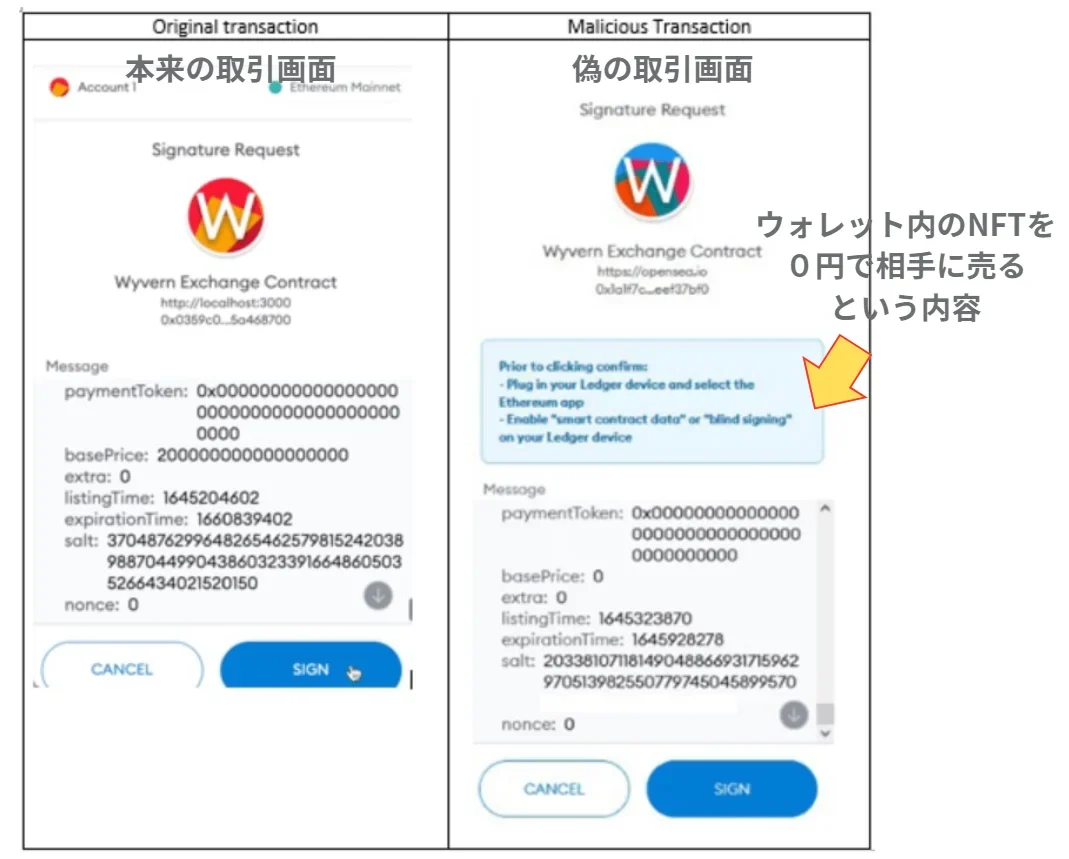
Modern digital asset theft rarely relies on a single point of failure. Instead, attackers utilize a multi-layered approach often involving social engineering, such as fraudulent Discord direct messages or compromised social media accounts. A common strategy involves the "permit" or "token approval" exploit. In these scenarios, a user is enticed to connect their wallet to a malicious decentralized application (dApp). Once connected, the site prompts the user to "approve" a token spend. If the user inadvertently grants unlimited or excessive spending permissions to a malicious contract, the attacker gains the authority to drain the wallet’s assets at will.

Data from blockchain security firms consistently highlights that these "approval phishing" attacks remain one of the most significant causes of loss in the ecosystem. These attacks are particularly insidious because they do not require the user to share their private keys or seed phrases. The user is often tricked into believing they are signing a legitimate transaction, such as claiming an airdrop or registering for a whitelist.
Chronology and Operational Patterns
The lifecycle of an asset-draining attack typically follows a predictable sequence. First, the threat actor establishes a presence on a platform frequented by the target demographic, such as a project-specific Discord server. By impersonating legitimate team members or moderators, the attacker initiates direct communication with potential victims.

During these interactions, the attacker shares a link to a "mirror" site—a fraudulent portal designed to look identical to a legitimate project’s website. Once the victim lands on this page, the site initiates a connection request for their wallet, such as MetaMask or Trust Wallet. After the connection is established, the interface presents a transaction prompt. If the user proceeds, they are effectively granting the attacker the ability to move their tokens, such as ETH, USDT, or various NFTs, to an external address controlled by the adversary.
Quantitative Data and Security Trends
According to industry reports, the scale of losses attributed to phishing and malicious dApp approvals has reached hundreds of millions of dollars annually. While the total number of incidents fluctuates, the average value per theft has increased as attackers target high-net-worth wallets and institutional treasury holdings.

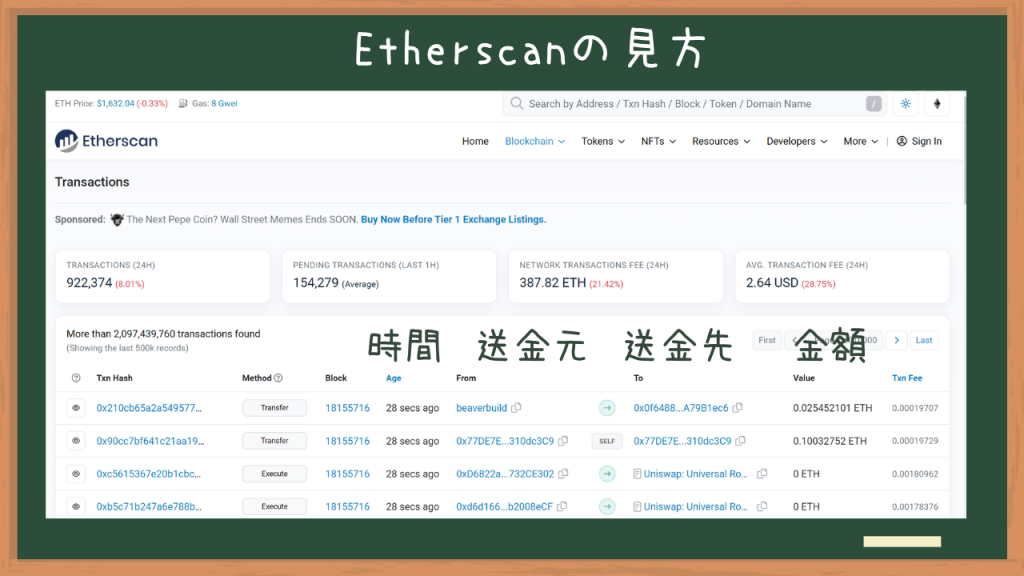
The reliance on Etherscan and BscScan for transaction verification has become a critical skill for users. By monitoring their transaction history, users can identify suspicious approvals. However, the complexity of these logs often obscures the true nature of the risk for the average user, as malicious contracts are frequently obfuscated to bypass automated detection tools.
Defensive Measures and Strategic Mitigation
To combat these threats, the industry has shifted toward a "zero-trust" model for wallet interactions. The primary recommendation for users is to utilize "Revoke" tools. Services like Revoke.cash or specialized browser extensions like Kekkai provide a mechanism for users to audit their existing token approvals and unilaterally terminate them.

The process of revoking permissions is straightforward but essential:
- Accessing the Block Explorer: Users should navigate to Etherscan (for Ethereum-based assets) or BscScan (for BNB Chain) to review their token approvals.
- Reviewing Permissions: Under the "More" or "Token Approval" tabs, users can see which contracts have been granted the right to move their tokens.
- Connection Management: Users must proactively disconnect their wallets from any untrusted or unfamiliar dApps.
- Revocation: By selecting the "Revoke" option on an approved contract, the user effectively cancels the permission previously granted, preventing further unauthorized movement of assets.
Institutional and Community Response
Major projects and platforms have increased their focus on community education, emphasizing that legitimate support teams will never initiate direct messages (DMs) to request wallet connections or private information. The consensus among security experts is that the "human element" remains the weakest link in the Web3 security chain.
Furthermore, developers are increasingly integrating "security-by-design" principles into their dApps. This includes the implementation of clearer transaction simulations, which allow users to see exactly what will happen to their assets before they click "confirm." These simulations can warn users if a transaction involves an unusually high allowance or if it interacts with a known malicious address.
The Broader Implications for Web3 Adoption
The persistence of these scams presents a significant barrier to the mainstream adoption of blockchain technology. For the industry to mature, the responsibility for security cannot lie solely with the user. It requires a collaborative effort involving wallet developers, centralized exchanges, and blockchain infrastructure providers.

The shift toward safer user interfaces is gaining momentum. Modern hardware wallets, for instance, now provide more granular data on the transactions being signed, reducing the likelihood of a user being deceived by a malicious interface. Similarly, browser-based security extensions that flag known malicious domains have proven effective in preventing users from even landing on the phishing sites.
Conclusion: A Proactive Future
The path forward for Web3 security involves a combination of technological sophistication and individual vigilance. While the blockchain provides unparalleled transparency, that same transparency allows for the rapid tracing of stolen assets, albeit often after the fact.

For the individual user, the mantra remains simple: verify every link, scrutinize every approval request, and maintain a hygiene-focused approach to wallet management. By regularly auditing token approvals and staying informed about the evolving tactics of malicious actors, participants can significantly mitigate their exposure to the risks inherent in the digital asset landscape. As the ecosystem continues to grow, the ability to protect one’s assets will remain the hallmark of an experienced and resilient participant in the decentralized economy. The tools for protection are readily available; the challenge lies in ensuring their consistent and informed application across the global user base.