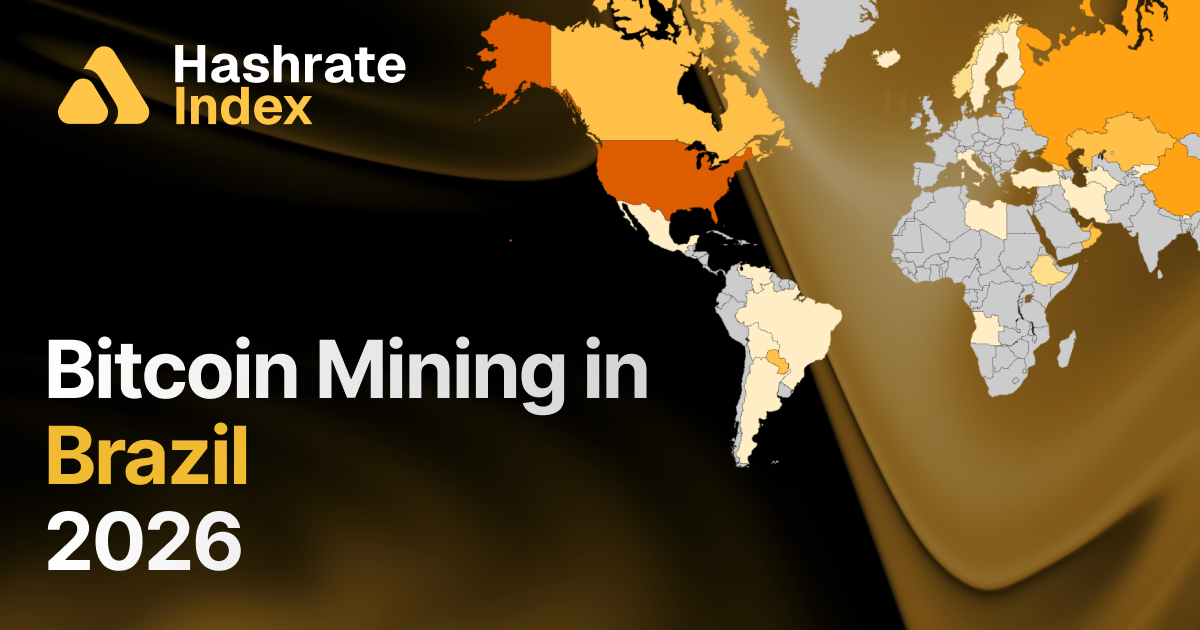
Brazil’s emergence as a significant contender in the global Bitcoin mining landscape has transitioned from a peripheral narrative to a central development in the digital asset infrastructure sector. Historically characterized by a complex tax code and a sprawling, often difficult-to-navigate energy grid, the nation has recently demonstrated a remarkable level of resiliency. Between the third quarter of 2025 and the third quarter of 2026, Brazil’s estimated hashrate contribution grew from 2.5 exahashes per second (EH/s) to 3.5 EH/s, marking a 40% year-over-year increase. While the explosive growth of 2024 has moderated, the most significant data point lies in Brazil’s relative performance: during a period when the global network hashrate contracted by 6.4%—dropping from approximately 1,004 EH/s to 940 EH/s—Brazil’s output remained stable at 3.5 EH/s. This stability has effectively increased Brazil’s global market share to approximately 0.37%, signaling a deep institutional conviction that persists even when major jurisdictions like the United States, China, and Russia have seen temporary contractions.
The Brazilian Power Grid: A Renewable Energy Powerhouse
The backbone of Brazil’s mining appeal is the Sistema Interconectado Nacional (SIN), one of the world’s most robust and greenest energy networks. In 2023, the SIN generated 708.1 TWh of electricity, with an installed capacity reaching 232 GW in 2024. Projections from the Brazilian energy ministry suggest this capacity will expand to 268 GW by 2029. What distinguishes Brazil from other mining hubs is its renewable composition, which consistently fluctuates between 88% and 90%.
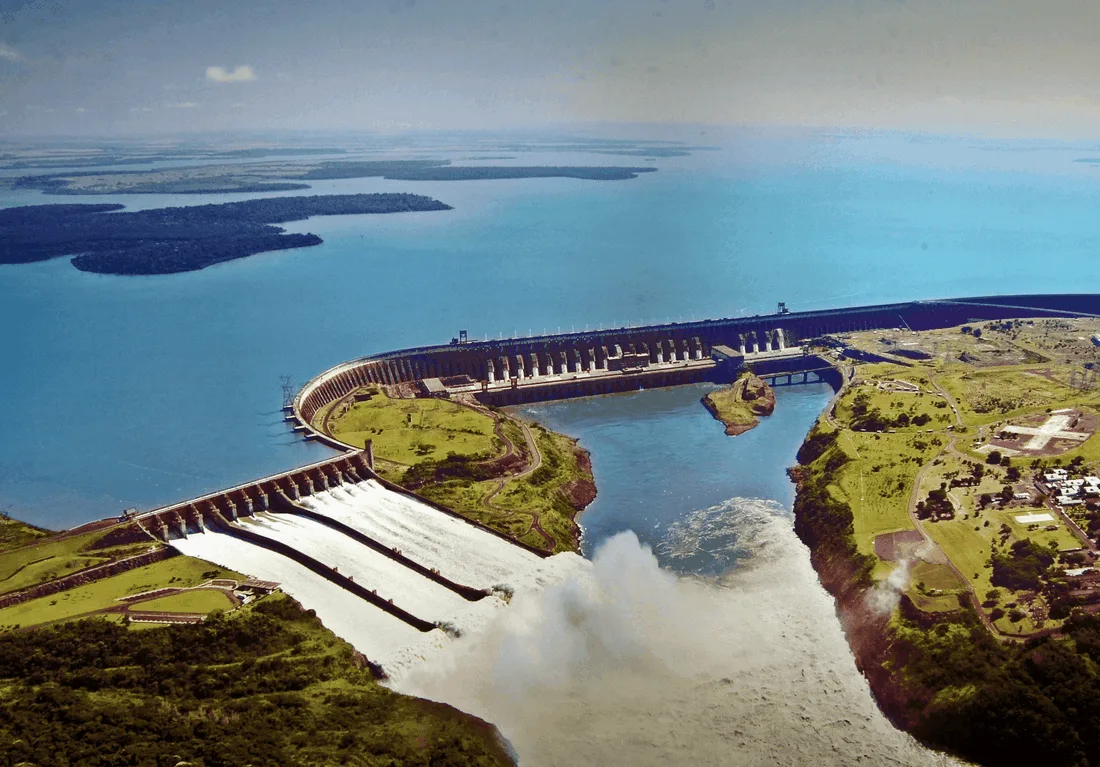
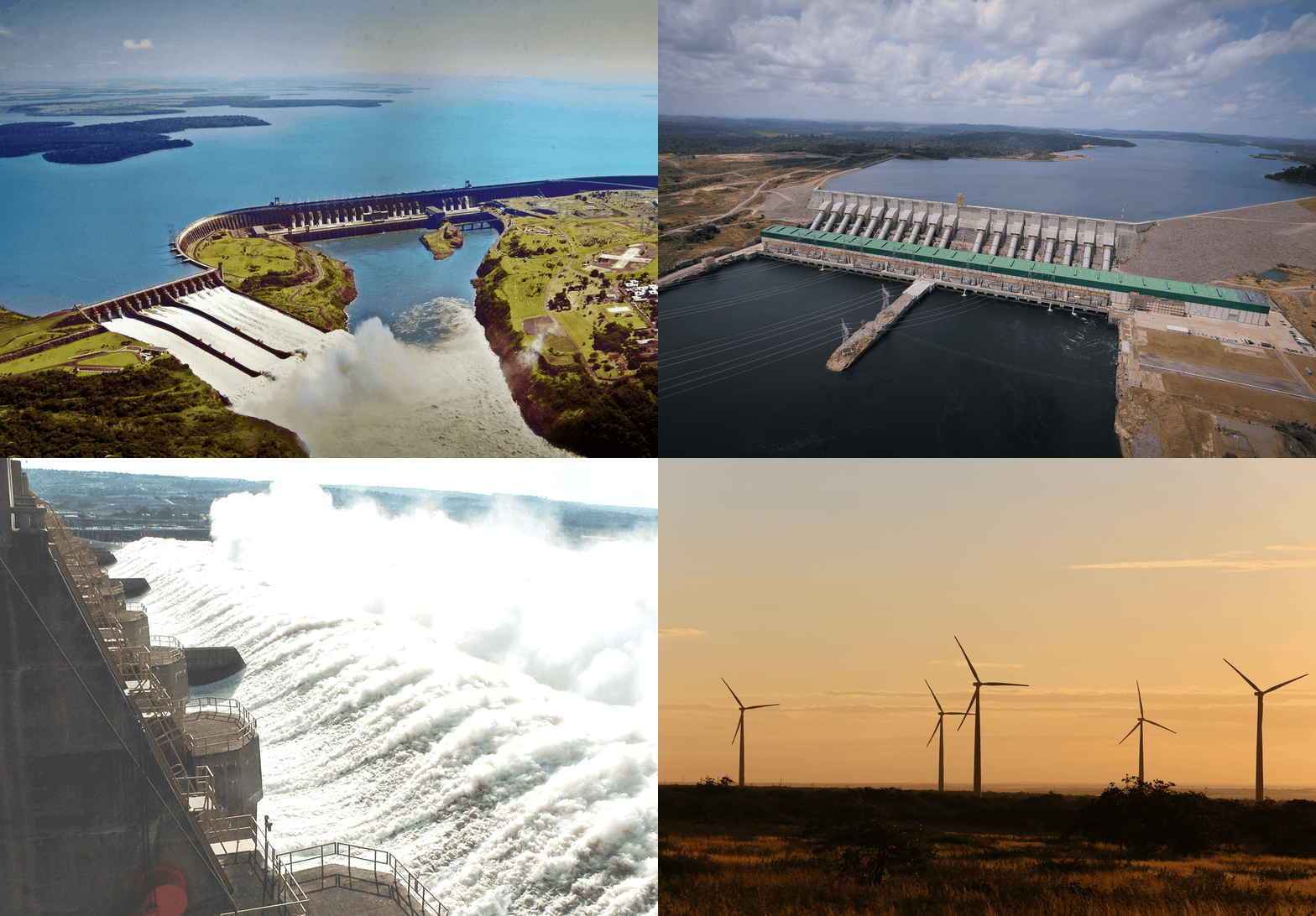
The country utilizes several "mega-dams" to anchor its energy supply, including Itaipu (14,000 MW, shared with Paraguay), Belo Monte (11,233 MW), and Tucuruí (8,370 MW). Furthermore, the Northeast region has become a global leader in wind energy, boasting 19.6 GW of capacity across nearly 700 plants. For Bitcoin miners, this translates into some of the cleanest grid power available globally. However, the cost of this energy is highly dependent on the consumer’s regulatory status.
While captive industrial consumers pay average tariffs ranging from $0.126/kWh in the South to $0.159/kWh in the Central-West, these figures are not the relevant benchmark for industrial mining. The true opportunity lies in the Ambiente de Contratação Livre (ACL), or the Free Contracting Environment. Under Portaria 50/2022, which reached full implementation in 2024, high-tension consumers can bypass traditional distributors to negotiate directly with power generators. This allows for bilateral contracts with wind or hydro producers, securing fixed prices and shielding operators from the "Bandeira Tarifária" system—a real-time surcharge mechanism triggered during periods of low hydrology.
The Strategic Importance of Energy Curtailment
The most significant operational frontier in Brazil is the Northeast wind belt. Despite its productivity, the region suffers from severe transmission bottlenecks. In 2024 alone, 1,445 renewable plants faced curtailment, resulting in approximately 400,000 hours of forced interruptions where energy was generated but could not be transmitted to the grid.
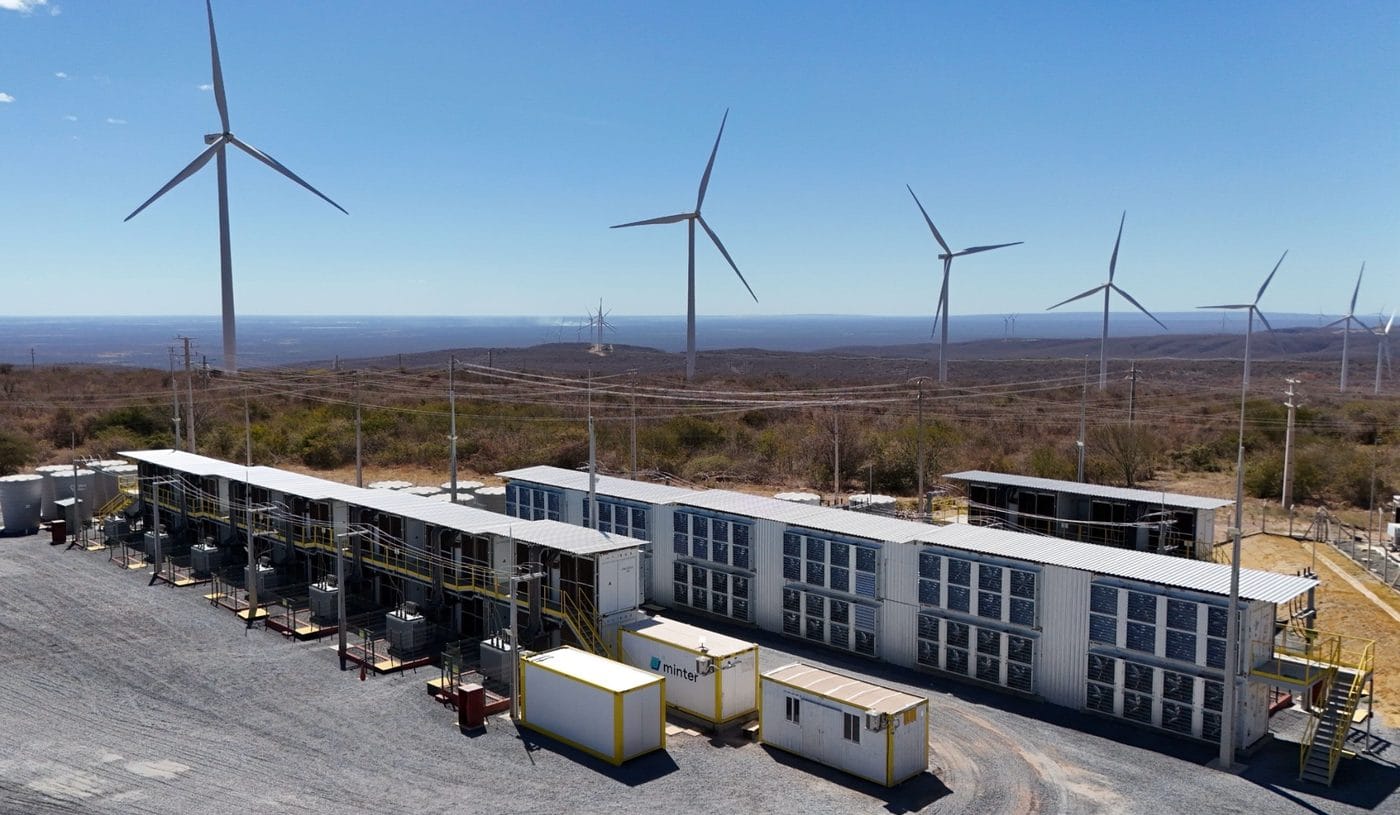
Bitcoin miners have positioned themselves as the "buyer of last resort" for this stranded energy. By co-locating modular data centers directly at the generation source, miners absorb structural waste, providing a revenue floor for energy producers. This symbiotic relationship is the primary driver behind the current wave of institutional investment in the Brazilian mining sector.
Institutional Profiles: The Vanguard of Brazilian Mining
The landscape of 2026 is defined by four primary operators, each representing a different facet of the market’s maturity and strategic direction.
Minter Digital: The Institutional Pioneer
Minter Digital represents the most operationally mature entity in the Brazilian market. With a founding team tracing its lineage to CleanSpark (NASDAQ: CLSK) and the launch of the first regulated crypto ETF via Hashdex, the company focuses on "financializing" mining. Minter recently secured a Series A investment from Itaú Ventures, the venture capital arm of Itaú Unibanco, Latin America’s largest private-sector bank. This partnership is viewed as a landmark moment for the industry, signaling that traditional financial titans now view mining as a legitimate energy infrastructure asset. Minter operates on a "Greenabler" model, utilizing profit-sharing agreements with generators to monetize intermittent wind and solar energy that would otherwise be lost to dispatch constraints.
Arthur Mining: The Proven Blueprint
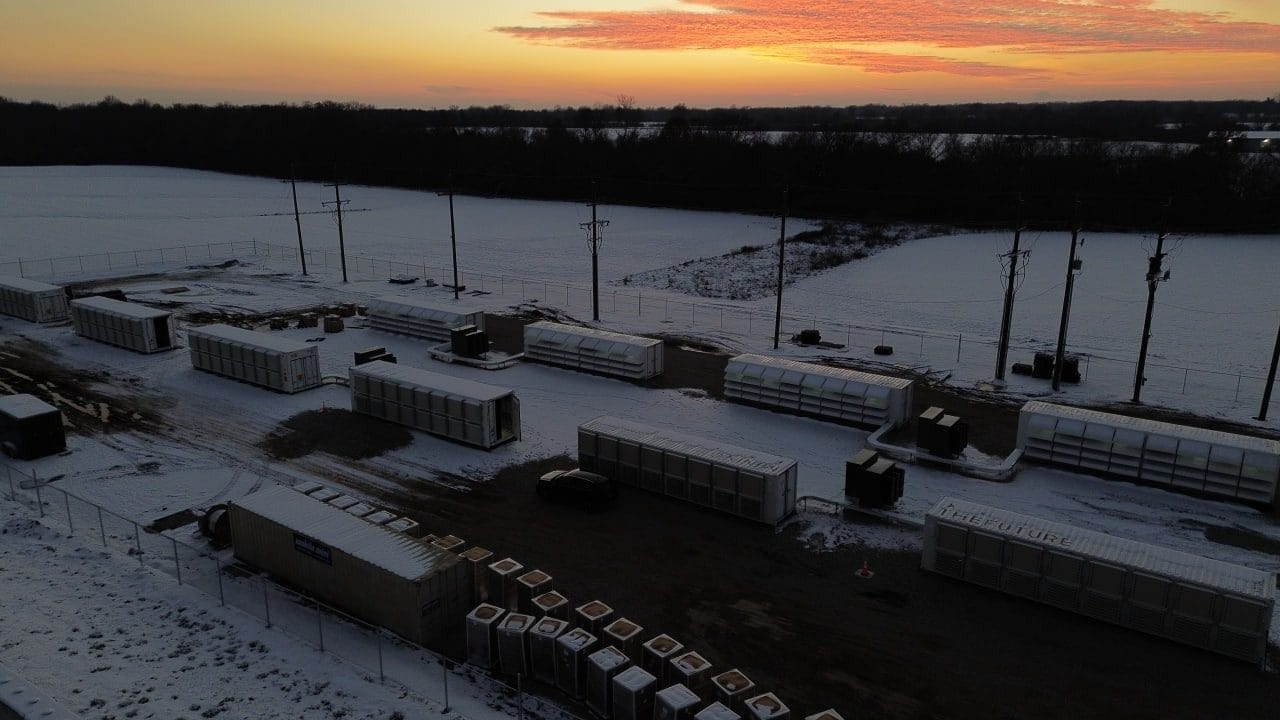
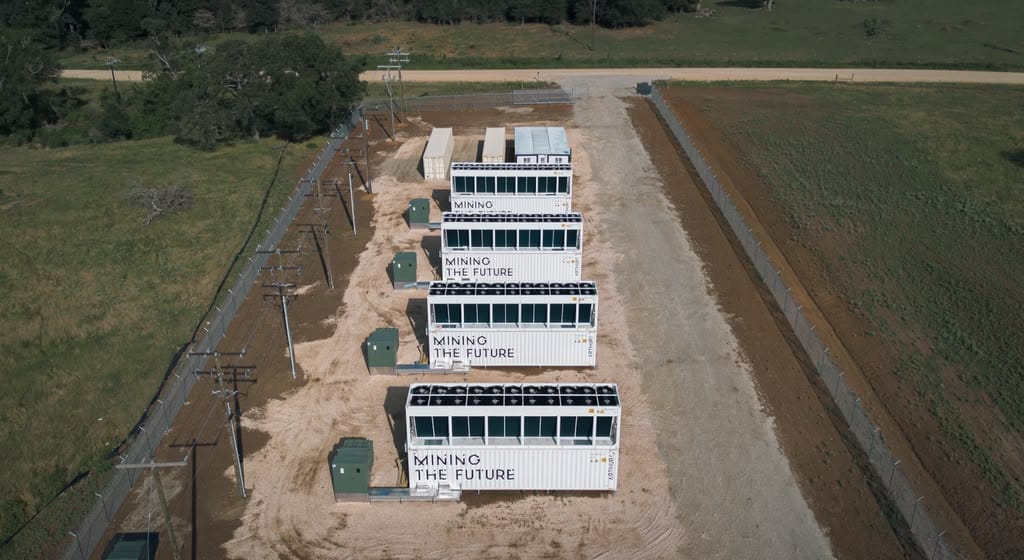
Founded by Rudá Pellini, Arthur Mining (Arthur Inc.) spent years proving its containerized, energy-first model in the United States before expanding back into Brazil. With a development pipeline of 117 MW across North America, the company uses its Brazilian arm to identify undervalued energy sources. Arthur Mining also serves as a regional distributor for FBOX, providing the "Container-as-a-Service" (CaaS) model that allows smaller players to deploy institutional-grade infrastructure without the heavy R&D costs.
Radius Mining: Targeting the Northeast
Led by former Credit Suisse banker Flávio Hernandez, Radius Mining is specifically designed to solve the curtailment problem in the Northeast. The company recently signed a landmark Operations and Maintenance (O&M) contract with Axia, the successor to the privatized state utility Eletrobras. This relationship provides Radius with the credibility to negotiate with major energy generators who were previously skeptical of the mining sector. Radius is currently building toward a target of 50 MW of installed capacity by the end of 2026, backed by seed capital from major Brazilian energy entrepreneurs and directors from XP Investimentos.
Vextron Technologies: The Industrial Innovator
Vextron Technologies, based in the technological hub of Florianópolis, focuses on the electromechanical supply chain. By manufacturing proprietary mining modules within Brazil using components from global giants like WEG and Schneider, Vextron sidesteps many of the logistical hurdles associated with importing hardware. Their "MINERA" software platform integrates directly with power plant dispatch centers, allowing the mining load to function as a responsive, controllable element of the grid.
The Logistical and Regulatory Maze
While energy is abundant, the importation of hardware remains a significant hurdle. Brazil’s customs environment is notoriously complex, requiring a "non-automatic" import license from DECEX for any used equipment. This process can take between 15 and 60 days and must be completed before the hardware leaves its country of origin.
Furthermore, the tax implications of hardware classification are severe. Miners must be classified under NCM 8473.30.49 (parts for data processing) to qualify for 0% import duties. An incorrect classification under "general electrical apparatus" (NCM 8543.70.99) can result in a tax burden exceeding 50% of the hardware’s value. Success in the Brazilian market, therefore, requires a sophisticated understanding of the "RADAR" registration system and the "Receita Federal" vetting process.
Financial Sophistication and Market Outlook
The arrival of institutional financial products is a key indicator of Brazil’s maturation. Hashrate forward financing—where operators receive upfront capital in exchange for future production—is now being utilized to fund capital expenditures (CapEx). This reduces the reliance on equity diluting rounds and allows miners to scale more efficiently.
Industry analysts observe that Brazil’s current hashrate of 3.5 EH/s is not merely a number, but a "floor" established by operators who have survived a global downturn. The conviction displayed by Brazilian miners during the Q3 2026 network contraction suggests that the infrastructure being built is designed for long-term sustainability rather than short-term speculation.
Chronology of Key Developments
- 2017-2020: Early pioneers like Arthur Mining establish the first operational proofs of concept, largely focusing on US markets while scouting Brazilian energy.
- September 2022: The Brazilian government issues Portaria 50/2022, setting the stage for the full opening of the Free Contracting Environment (ACL).
- January 2024: The ACL becomes fully accessible to all high-tension consumers, enabling Bitcoin miners to negotiate directly with renewable energy generators.
- Early 2025: Brazil’s hashrate begins a steep climb from 1.5 EH/s as the first wave of large-scale containerized deployments goes live.
- June 2025: Vextron Technologies commences operations, highlighting a shift toward domestic manufacturing of mining infrastructure.
- Q3 2026: Brazil maintains 3.5 EH/s of hashrate despite a 6.4% global network contraction, proving the resilience of the domestic sector.
Broader Impact and Implications
Brazil’s trajectory offers a blueprint for other developing nations with abundant renewable energy and transmission challenges. By integrating Bitcoin mining into the national grid as a flexible, dispatchable load, Brazil is not only securing a piece of the global digital economy but also underwriting the financial viability of its renewable energy expansion.
The entry of Itaú Ventures and directors from XP Investimentos suggests that the "stigma" of Bitcoin mining is fading in the eyes of traditional Brazilian finance. As the Leilão 001/2024 transmission expansion begins to alleviate bottlenecks in the Northeast through 2026 and 2027, the potential for Brazil to break into the top five global mining jurisdictions becomes increasingly plausible. The current 3.5 EH/s represents a hardened base of operations; the next phase of growth will likely be driven by the integration of these mines into the broader demand-response mechanisms of the Brazilian power grid.