• Home
Crypto Gohan
keep your memories alive
Crypto Trading & Analysis

Operation Atlantic: International Law Enforcement Alliance Freezes Over $12 Million in Crypto Fraud Proceeds, Safeguarding Thousands of Victims

by Sagoh October 17, 2025
written by Sagoh

An expansive international law enforcement initiative, codenamed "Operation Atlantic," has successfully disrupted a significant wave of cryptocurrency-related fraud schemes, resulting in the freezing of over $12 million in suspected illicit proceeds. The operation, a collaborative effort involving key agencies from the United Kingdom, the United States, and Canada, also identified more than $45 million in fraudulent activities and flagged over 20,000 victims across these three nations. This multifaceted crackdown highlights the growing sophistication of crypto scams and the imperative for global cooperation in combating them.

The success of Operation Atlantic was bolstered by the crucial involvement of TRM Labs, a prominent blockchain intelligence platform. TRM Labs served as a vital private sector partner, leveraging its advanced analytical tools and expertise to aid law enforcement in tracing illicit funds and identifying fraudulent networks. Their contribution was instrumental in pinpointing the scale of the criminal enterprise and the extent of its reach.

The Modus Operandi: Approval Phishing and its Devastating Impact

Operation Atlantic specifically targeted "approval phishing" scams, a particularly insidious form of cryptocurrency fraud. Unlike traditional phishing, which typically aims to steal login credentials, approval phishing manipulates victims into granting scammers direct access to their digital wallets. This is achieved by tricking users into signing blockchain transactions that authorize the transfer of funds to the perpetrators’ control.

This sophisticated scam often forms the backbone of more elaborate schemes such as "pig butchering" and investment fraud. In these scenarios, criminals invest considerable time and effort in grooming their victims. Over weeks or even months, they cultivate trust and build a facade of legitimate investment opportunities, often through dating apps or social media. Once a strong rapport is established, victims are then directed to malicious websites or platforms designed to harvest their cryptocurrency. The approval phishing mechanism is then employed to drain their accounts once they believe they are making a genuine investment or transfer.

The sheer number of identified victims – over 20,000 – underscores the widespread impact of these schemes. These individuals, ranging from novice cryptocurrency users to those with some experience, were lured into believing they were engaging in legitimate financial activities, only to have their hard-earned assets stolen. The financial losses incurred by these victims can be devastating, often representing life savings or crucial funds for personal and family needs.

A Chronology of Collaboration and Action

While specific dates for the initiation and culmination of Operation Atlantic have not been publicly detailed, the statement from TRM Labs and the NCA Deputy Director of Investigations suggests a significant period of coordinated effort. The process likely began with intelligence gathering and analysis, where TRM Labs’ blockchain analytics played a pivotal role in mapping out the complex transaction flows of the illicit operations. This would have been followed by an intensive phase of intelligence sharing between the participating law enforcement agencies.

The "freezing" of funds indicates a critical juncture where law enforcement was able to interdict the movement of stolen cryptocurrency, likely through seizure orders and collaboration with cryptocurrency exchanges and custodians. Victim outreach would have been a concurrent or subsequent phase, aiming to identify individuals affected by the scams, provide support, and gather further evidence. The scale of the operation suggests that this was not a swift, isolated event, but rather a sustained campaign against a well-established criminal network.

The geographical spread of the victims – the UK, Canada, and the US – points to the transnational nature of the criminal operations. This necessitates a high degree of international cooperation, including mutual legal assistance treaties and seamless information exchange protocols, to effectively dismantle such global networks.

Supporting Data and Global Context

The $12 million in frozen proceeds represents a significant success in recovering assets that would have otherwise fueled further criminal activity. However, the identified $45 million in fraud schemes suggests that this operation has merely scratched the surface of the problem. The global cryptocurrency market, while offering innovative financial opportunities, also presents a fertile ground for illicit activities due to its borderless nature, pseudonymity, and evolving regulatory landscape.

According to various industry reports, cryptocurrency scams and fraud continue to be a persistent threat. For instance, reports from blockchain analytics firms have consistently highlighted the substantial financial losses attributed to various forms of crypto fraud, including rug pulls, Ponzi schemes, and phishing attacks. The Financial Conduct Authority (FCA) in the UK, for example, has issued numerous warnings about investment scams in the cryptocurrency space. Similarly, the U.S. Securities and Exchange Commission (SEC) has been actively pursuing enforcement actions against fraudulent crypto offerings.

The increasing adoption of cryptocurrencies, coupled with the relative novelty of the technology for many, creates vulnerabilities. Scammers exploit this by presenting complex schemes in a seemingly simple and lucrative manner, preying on the desire for quick financial gains. The success of Operation Atlantic underscores that law enforcement agencies are increasingly equipped with the tools and collaborative frameworks to combat these evolving threats.

Official Responses and the Power of Partnership

The statement from Miles Bonfield, NCA Deputy Director of Investigations, provides a clear endorsement of the operation’s effectiveness and the collaborative approach. "Operational Atlantic is a powerful example of what is possible when international agencies and private industry work side by side," Bonfield stated. This sentiment highlights a crucial shift in modern law enforcement, where the specialized expertise and technological capabilities of private entities are recognized as indispensable in tackling complex, technologically driven crimes.

Bonfield further emphasized the tangible outcomes: "This intensive action has led to the safeguarding of thousands of victims in the UK and overseas, stopped criminals in their tracks and helped save others from losing their funds." This statement underscores not only the punitive aspect of the operation (stopping criminals) but also its preventative and protective dimensions (safeguarding victims and preventing future losses).

The involvement of the US Secret Service and the Ontario Provincial Police and Ontario Securities Commission signifies the deep commitment of these agencies to protecting their citizens from financial crime. The US Secret Service, with its mandate to protect financial infrastructure and investigate financial crimes, plays a critical role in cross-border operations. The involvement of the Ontario Securities Commission indicates a focus on investment-related fraud within Canada, aligning with the broader goals of Operation Atlantic.

Broader Impact and Future Implications

Operation Atlantic’s success has several significant implications for the cryptocurrency ecosystem and the broader fight against financial crime:

  • Enhanced Deterrence: The substantial freezing of assets and the identification of thousands of victims send a strong message to criminals that crypto fraud will not go unchecked. This increased risk of apprehension and asset seizure can act as a powerful deterrent.
  • Strengthened Public Trust: By demonstrating effective action against scammers, such operations can help to rebuild public trust in the cryptocurrency space, which has been marred by numerous high-profile fraud cases. This is crucial for the continued mainstream adoption of legitimate blockchain technologies.
  • Advancement of Public-Private Partnerships: The successful collaboration between law enforcement agencies and TRM Labs exemplifies the growing importance of public-private partnerships in combating cybercrime. Such collaborations leverage specialized skills and resources that are often beyond the capacity of individual government agencies.
  • Evolving Regulatory Landscape: The continued prevalence of crypto fraud will likely accelerate discussions and actions around further regulation of the digital asset space. Governments and international bodies are increasingly focused on developing robust frameworks to protect consumers and prevent illicit activities.
  • Technological Advancement in Enforcement: The reliance on blockchain analytics underscores the critical role of technology in modern law enforcement. As criminals adopt new technologies, law enforcement must similarly innovate to stay ahead. This operation suggests a growing proficiency in utilizing these advanced tools.

Looking ahead, Operation Atlantic serves as a blueprint for future international collaborations. The ability to effectively track, freeze, and recover illicit cryptocurrency assets requires continuous adaptation to emerging threats and a commitment to shared intelligence and coordinated action. As the cryptocurrency market matures, the focus will likely shift towards proactive measures, including enhanced consumer education and more stringent regulatory oversight, to complement the ongoing enforcement efforts. The fight against crypto fraud is a dynamic and ongoing battle, and Operation Atlantic marks a significant victory for law enforcement and a crucial step towards a safer digital financial landscape.

October 17, 2025 0 comment
0 FacebookTwitterPinterestEmail
Blockchain Technology & Development

Revolutionizing Global Finance: How Blockchain and Chainlink are Reshaping Cross-Border Payments

by Asep Darmawan October 15, 2025
written by Asep Darmawan

The world of global finance is on the cusp of a profound transformation, driven by the disruptive power of blockchain technology. This distributed ledger innovation is poised to dismantle the long-standing inefficiencies plaguing cross-border payments, heralding an era of faster, more cost-effective, and significantly more transparent transactions. At an estimated $1 quadrillion market value, cross-border payments are the lifeblood of global commerce, financial markets, and remittances. However, traditional systems, riddled with multiple intermediaries and batch-based settlement processes, have historically imposed delays, exorbitant fees, and inherent risks. Blockchain offers a compelling alternative: a shared, programmable settlement layer operating around the clock, capable of finalizing transactions in mere seconds. This article delves into how blockchain technology is revolutionizing cross-border payments and explores the pivotal role of Chainlink’s comprehensive standards in enabling reliable, transparent, and secure cross-border, cross-chain transactions.

The inherent complexities and inefficiencies of traditional cross-border payment systems have long been a source of frustration for individuals and businesses alike. Historically, sending money across international borders has been a multi-step, often opaque process. A typical transaction would involve a sender’s bank initiating a transfer, which would then be routed through one or more correspondent banks, each taking a cut and adding to the processing time. These intermediaries often operate on different payment networks and may have varying operational hours, leading to significant delays. For instance, a payment initiated on a Friday evening in one country might not be credited to the recipient’s account until the following Tuesday due to weekend closures and batch processing schedules.

Furthermore, the sheer number of intermediaries translates directly into higher costs. Each institution involved in the payment chain incurs operational expenses and often charges fees for its services. These fees, when aggregated, can represent a substantial percentage of the transaction amount, disproportionately impacting smaller remittances and businesses operating on tighter margins. The lack of real-time visibility into the payment’s journey also creates uncertainty and increases the potential for errors or fraud. When a transaction fails or gets delayed, tracing its whereabouts and resolving the issue can be a laborious and time-consuming endeavor, further exacerbating costs and undermining trust. The global payment market, estimated to be worth approximately $1 quadrillion, highlights the immense economic significance of these flows, making the inefficiencies within the existing framework a substantial drag on global economic activity.

Blockchain technology emerges as a potent solution to these entrenched challenges. At its core, a blockchain is a highly secure and reliable distributed ledger network where participants can immutably record transaction activity, store data, and exchange value. For payment applications, this architecture unlocks unprecedented levels of reliability, enabling near-instantaneous transaction finality, continuous 24/7/365 operations, and automated value transfer workflows. This paradigm shift fundamentally alters the economics and mechanics of moving money across borders.

The Pillars of Blockchain’s Advantage in Cross-Border Payments

The transformative potential of blockchain in cross-border payments can be understood through several key advantages:

Unprecedented Speed and Efficiency

One of the most significant benefits of blockchain networks is their capacity for near-instantaneous settlement. Transactions on robust blockchain networks can achieve finality within seconds, drastically reducing the counterparty and settlement risks inherent in traditional systems. Unlike conventional financial infrastructures that are tethered to business hours, cutoff times, and national holidays, blockchains operate continuously. This "always-on" capability ensures that payments can be processed at any time, irrespective of geographical location or time zone, without any artificial delays. This relentless operational capacity is a game-changer for businesses requiring rapid liquidity and for individuals needing to send or receive funds urgently. For example, a company needing to pay an overseas supplier on short notice can do so instantly, avoiding potential production stoppages or penalties for late payment, a scenario that would be highly problematic under traditional banking systems.

Significant Cost Reduction

The architecture of blockchain inherently lends itself to cost reduction by streamlining the payment process. By replacing multiple layers of intermediaries with a single, shared, and decentralized infrastructure, blockchains dramatically lower the all-in cost of cross-border payments. Onchain transfers eliminate the need for numerous clearing entities, each with its own associated fees and operational overhead. This disintermediation translates into lower fees for both businesses making large commercial payments and individuals sending remittances to family and friends. The savings, particularly for high-volume, low-value transactions, can be substantial, making financial services more accessible and affordable globally. For instance, a migrant worker sending a portion of their earnings home can do so with significantly less of their hard-earned money being siphoned off by intermediary fees.

Enhanced Transparency and Security

Blockchain networks offer a level of transparency and security that is unparalleled in traditional payment systems. Every transaction recorded on a blockchain is verifiable in real-time by all network participants. This provides all parties involved with clear visibility into the transaction’s status, including associated fees and the time of settlement. The use of advanced cryptography and the immutable nature of distributed ledgers ensure the integrity of the data, making it exceptionally difficult to tamper with or commit fraud. Furthermore, the onchain records create a clear, accessible, and auditable trail of transaction history, simplifying compliance, reporting, and dispute resolution processes. This inherent transparency builds trust and accountability, fostering a more secure financial ecosystem. Imagine a scenario where a company can instantly audit its international payment flows, confirming every transaction, fee, and settlement time without manual reconciliation, thereby saving significant accounting resources.

The Pivotal Role of Chainlink in Empowering Blockchain-Based Cross-Border Payments

While blockchain technology provides the foundational infrastructure, realizing its full potential for complex financial applications like cross-border payments requires robust external data, secure interoperability, regulatory compliance, and privacy solutions. This is where Chainlink, the industry-standard decentralized oracle network, plays a critical role. Chainlink provides the essential standards and services needed to bridge the gap between blockchains and the real world, enabling advanced blockchain use cases for tokenized assets and cross-border transactions.

Delivering Accurate and Tamper-Resistant Price Data

Cross-border payments often involve currency conversions. Chainlink Data Feeds provide reliable and tamper-resistant market data, including foreign exchange (FX) rates. This ensures that payments are executed at accurate, real-time prices, mitigating risks associated with volatile exchange rates. For instance, a payment application can leverage Chainlink’s FX rate data to lock in an exchange rate at the time of payment initiation, guaranteeing the recipient receives a precise amount regardless of market fluctuations between initiation and settlement. This accuracy is crucial for both financial institutions and individual users, ensuring predictable outcomes. The data feeds are aggregated from numerous high-quality sources, ensuring robustness and resistance to single points of failure or manipulation.

Verifying the Integrity of Stablecoins and Reserves

Many cross-border payment solutions utilize stablecoins, which are cryptocurrencies pegged to a stable asset, such as a fiat currency. The reliability of these stablecoins is paramount. Chainlink Proof of Reserve (PoR) provides smart contracts with verifiable onchain data regarding the collateralization of any digital asset backed by offchain or cross-chain reserves. This process ensures that the stablecoins used in payments are transparently backed by actual, verifiable reserves, instilling confidence in the stability and legitimacy of the digital assets being transferred. For example, before a large cross-border payment is processed using a USD-backed stablecoin, a smart contract could query Chainlink PoR to confirm that the issuer holds the equivalent amount of USD in reserve, thus preventing the use of potentially devalued or under-backed assets.

Enabling Seamless and Secure Cross-Chain Communication

In the increasingly multi-chain world, the ability for different blockchains to communicate and transfer value securely is essential for cross-border payments. Chainlink’s Cross-Chain Interoperability Protocol (CCIP) is designed to facilitate secure data and value transfers across any public or private blockchain. Applications can leverage CCIP to trigger token transfers or status updates across different blockchains, enabling cross-border and cross-chain payments with a high degree of security. This is particularly important for institutional adoption, where systems may be distributed across various blockchain networks. For instance, a payment initiated on a European blockchain could be seamlessly settled on an Asian blockchain using CCIP, with full assurance of security and integrity.

Integrating Real-World Data for Enhanced Functionality

Chainlink SmartData offers a suite of onchain data solutions designed to unlock the utility and accessibility of tokenized real-world assets (RWAs). In the context of cross-border payments, SmartData enables applications to enforce settlement limits, validate collateralization, and provide accurate asset valuations across different jurisdictions. This integration of real-world data into blockchain applications allows for more sophisticated and compliant payment processes, akin to traditional financial operations but with the benefits of blockchain. For example, a payment might be contingent on specific market conditions or asset valuations being met, data that can be reliably provided by Chainlink SmartData.

Ensuring Compliant Cross-Border Transactions

Regulatory compliance is a critical hurdle for the widespread adoption of blockchain in finance. Chainlink’s Automated Compliance Engine (ACE) is a groundbreaking innovation that enables users to build, manage, and execute complex financial transactions across multiple jurisdictions, counterparties, digital assets, and environments in a privacy-preserving and compliance-focused manner. For cross-border payments, Chainlink ACE can enforce jurisdiction-specific Know Your Customer (KYC), Anti-Money Laundering (AML), sanctions screening, and other regulatory policies directly onchain. By evaluating identity and compliance data before a payment is executed, ACE ensures that all transactions adhere to the legal and regulatory frameworks of the relevant jurisdictions, thereby facilitating institutional adoption. This engine acts as a digital gatekeeper, ensuring that only compliant transactions proceed, thus mitigating legal and reputational risks for financial institutions.

Orchestrating Complex Payment Flows Across Systems

The Chainlink Runtime Environment (CRE) is an advanced orchestration layer designed to unlock institutional-grade smart contracts for onchain finance. CRE coordinates the entire transaction lifecycle, encompassing compliance checks, FX data retrieval, settlement execution, and reporting to offchain enterprise systems. By connecting blockchains, data sources, and enterprise systems within a single execution environment, CRE automates compliance and privacy, delivering fast, verifiable, and enterprise-grade cross-chain operations. A typical flow might involve a payment app collecting funds on Chain A, using CCIP to initiate a token transfer to Chain B, where the payment settles in a stablecoin. Throughout this process, Chainlink Data Feeds provide FX rates, Proof of Reserve verifies collateral, and CRE orchestrates the entire event, ensuring speed, transparency, and built-in verification.

Enabling Privacy for Sensitive Transactions

While transparency is a key benefit of blockchain, certain cross-border transactions, particularly those involving institutional finance or sensitive commercial data, require a higher degree of privacy. Chainlink’s Confidential Compute capabilities allow sensitive logic and data to be processed offchain in secure, trusted execution environments, with only verifiable outcomes recorded onchain. As part of Chainlink’s broader privacy standard, this architecture supports private cross-border payments, selective disclosure for compliance purposes, and confidential cross-chain execution. This enables institutions to leverage the efficiency and security of public blockchains for cross-border settlement without exposing proprietary or sensitive information, a critical factor for widespread institutional adoption.

The Future of Global Payments: A Blockchain-Driven Evolution

The current global payment infrastructure, characterized by its slowness, high costs, and opacity, is ripe for disruption. The proliferation of intermediaries, coupled with outdated settlement mechanisms, creates friction and inefficiency that impacts everyone from individual consumers to multinational corporations. Blockchain technology, empowered by robust solutions like Chainlink, offers a fundamentally better way to move money across borders.

The implications of this technological shift are far-reaching. As institutions and governments worldwide increasingly recognize the need for more efficient, transparent, and compliant financial infrastructure, blockchain-based cross-border payments are poised to become a cornerstone of the next evolution of global finance. The ability to conduct near-instantaneous, low-cost, and verifiable transactions across international borders not only enhances economic activity but also promotes financial inclusion, particularly for underserved populations and developing economies. The ongoing development and adoption of these technologies signal a significant step towards a more interconnected and equitable global financial system. The journey from traditional, cumbersome payment methods to a streamlined, blockchain-powered future is not just an incremental improvement; it represents a fundamental reimagining of how value flows across the globe.

October 15, 2025 0 comment
0 FacebookTwitterPinterestEmail
Blockchain Technology & Development

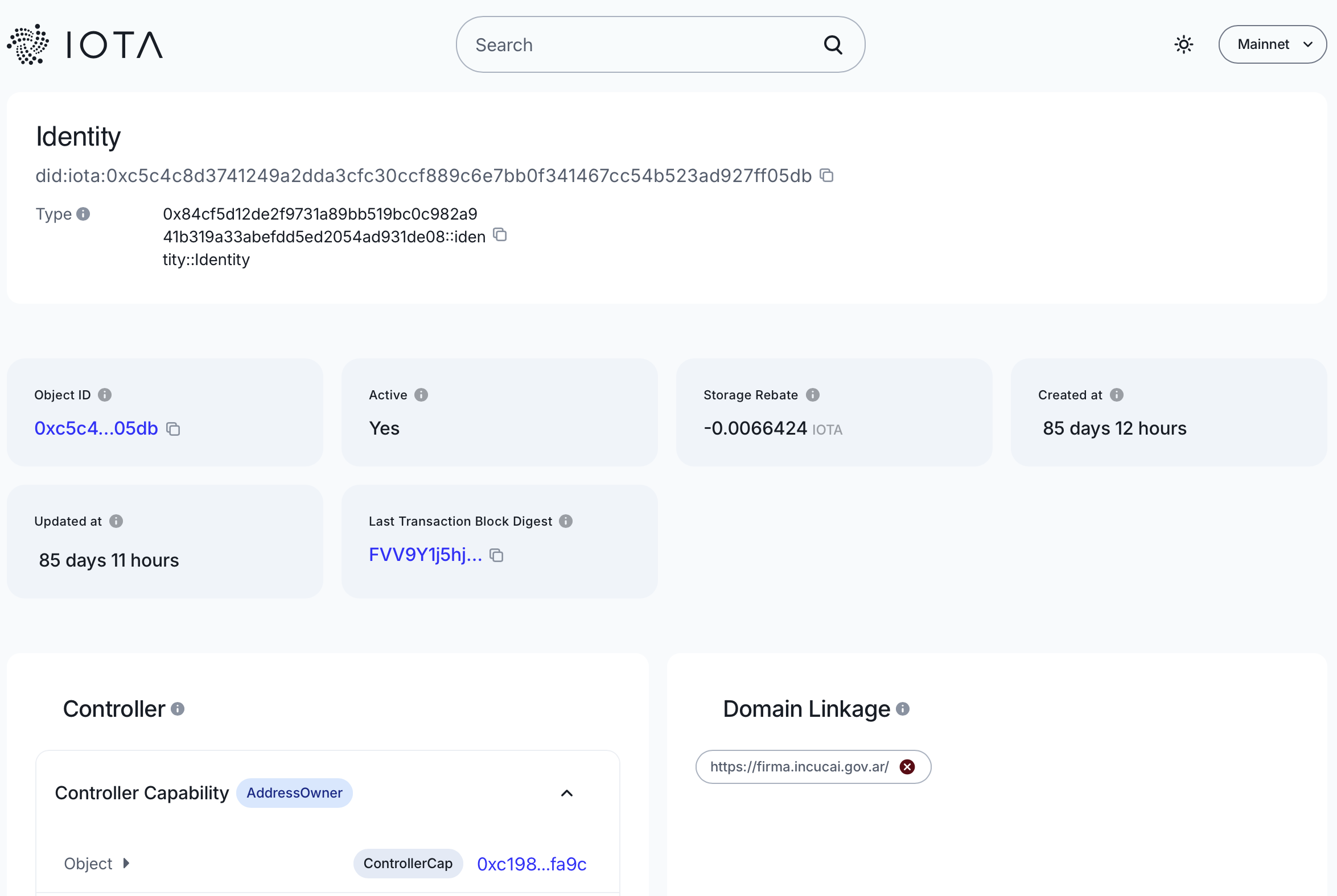
IOTA Foundation Establishes Expert Advisory Board to Accelerate Development of TWIN, a Transformative Global Trade Infrastructure

by Sagoh October 14, 2025
written by Sagoh

The IOTA Foundation today announced a significant stride in its mission to revolutionize global trade with the formation of an Expert Advisory Board. This strategic move integrates unparalleled real-world expertise in trade, customs, and logistics directly into the development of TWIN (Trade Worldwide Information Network), a groundbreaking public digital infrastructure designed to enhance the accessibility, transparency, and efficiency of international commerce. The initiative underscores IOTA’s commitment to ensuring that its technological innovations are deeply aligned with the practical realities and regulatory complexities of global trade operations.

Bridging the Gap Between Technology and Trade Realities

At its core, TWIN aims to create a more interconnected and streamlined global trade ecosystem. While IOTA Foundation provides the technological architecture, the organization acknowledges that sophisticated technology alone cannot dismantle the intricate barriers that often impede the smooth flow of goods across borders. The success of TWIN hinges on understanding the nuanced challenges faced by those who navigate international trade daily – from customs officials and logistics providers to businesses engaged in cross-border transactions. The newly formed Expert Advisory Board is poised to fill this critical knowledge gap, offering invaluable practical guidance derived from decades of hands-on experience.

The board is comprised of independent, distinguished industry leaders who possess extensive backgrounds in trade, customs, and logistics. Their collective mandate is to provide actionable insights and critical perspectives that will shape the TWIN platform, ensuring it not only meets current industry needs but also anticipates future market demands and regulatory shifts. The focus will be particularly pronounced on the application and integration of TWIN within the United Kingdom’s trade landscape, a region that has undergone significant transformations in its trade policies and procedures in recent years.

A Deep Dive into the Expertise of the TWIN Expert Advisory Board

The IOTA Expert Advisory Board is meticulously curated to represent a diverse yet complementary set of skills and experiences essential for TWIN’s success. Each member brings a unique perspective, forged through years of direct engagement with the complexities of international trade.

  • Mark Johnson, a seasoned customs and trade specialist, brings over four decades of experience in the logistics sector, including a prominent senior role at Kuehne+Nagel. His deep understanding of customs procedures and trade flows was instrumental during and after Brexit, where he served as a trusted advisor to the UK government. His ongoing engagement with the UK’s Department for Environment, Food and Rural Affairs (DEFRA) and active participation in industry forums solidify his position as a leading authority on trade policy and its practical implementation. Johnson’s insights will be crucial in ensuring TWIN’s compliance with evolving regulatory landscapes and its alignment with governmental trade objectives.

  • John Lucy, a luminary in the transport and logistics arena, boasts four decades of international experience spanning the UK, Europe, Africa, and the Middle East. As the founder of John Lucy International and a board member of esteemed organizations like the Road Haulage Association and the World Free Zones Organisation, Lucy is uniquely positioned to advise on cross-border transport, customs reform, digitalization, and decarbonization initiatives. His comprehensive view of global supply chains and his expertise in facilitating seamless international movement will be invaluable in shaping TWIN’s logistical functionalities.

  • Dr. Anna Jerzewska, Managing Director and Founder of Trade & Borders, is a highly respected figure in the customs and trade policy domain. Her extensive experience, spanning over 20 years, includes advising governments, international organizations, and private sector clients across major global hubs like London, Brussels, and Geneva. As the customs rapporteur for EuroCommerce and a member of the Windsor Framework Independent Monitoring Panel, Dr. Jerzewska offers a profound understanding of the policy-making processes and the intricate dynamics of international trade agreements. Her recognized public commentary on trade and customs issues will provide TWIN with a crucial policy-centric perspective.

  • Sangeeta Khorana, an accomplished economist and data analyst, brings more than 25 years of experience from academia, government, management consulting, and business advisory roles. Her expertise in trade negotiations, free trade agreements, and market access strategies, coupled with her deep knowledge of impact assessment and evidence-based policymaking, will be vital in ensuring TWIN’s economic viability and its ability to support data-driven trade decisions. Khorana’s analytical rigor will help in quantifying the benefits of TWIN and in identifying opportunities for optimizing trade flows.

  • Daniel Shelcot, Head of Business Solutions and Border Compliance at Maritime Cargo Processing (Destin8), offers over 17 years of practical experience in port and border systems. His role provides a critical ground-level perspective on how digital platforms interact with the complexities of real-world supply chains and government border control mechanisms. Shelcot’s insights will be instrumental in ensuring that TWIN is not only technologically sound but also seamlessly integrable with existing operational systems and compliant with border control requirements.

  • Gavin Johnson, Managing Director at Mobius Technology, possesses a wealth of leadership experience across diverse sectors including food, manufacturing, and IT. He is renowned for designing the Signal system, a sophisticated solution for tracking controlled-temperature logistics. His expertise in digital solutions for intricate supply chains, coupled with his acumen in business development and international operations, will be pivotal in embedding advanced technological capabilities within TWIN, particularly for specialized logistics needs.

The Strategic Imperative of the Advisory Board

The establishment of this Expert Advisory Board is not merely a procedural step; it is a strategic imperative for the IOTA Foundation and the TWIN project. In the complex and often fragmented world of international trade, successful digital infrastructure must be built on a foundation of deep, practical understanding. The advisory board’s role will extend beyond offering advice; they are expected to actively challenge assumptions, validate designs, and champion the adoption of TWIN by ensuring its functionalities directly address the pain points and opportunities within the trade ecosystem.

This proactive integration of industry wisdom aims to mitigate the common pitfalls of technological development in established sectors. Without such input, digital solutions risk being overly theoretical, failing to account for legacy systems, bureaucratic hurdles, or the human element in trade operations. The board’s guidance will help ensure TWIN is designed for interoperability, user-friendliness, and pragmatic implementation, thereby accelerating its adoption and impact.

Background and Context: The Evolving Landscape of Global Trade

The impetus for TWIN’s development arises from a global trade environment characterized by increasing complexity, rising trade volumes, and a growing demand for digital solutions. For decades, international trade has been hampered by paper-based processes, fragmented data systems, and a lack of real-time visibility, leading to inefficiencies, delays, and increased costs. The World Trade Organization (WTO) has consistently highlighted the need for trade facilitation, with digitalization being a key enabler. Studies by organizations like the International Chamber of Commerce (ICC) have quantified the potential economic benefits of digitizing trade processes, estimating trillions of dollars in savings and increased global GDP.

Recent years have seen a heightened focus on supply chain resilience, particularly in the wake of global disruptions such as the COVID-19 pandemic and geopolitical events. This has underscored the critical need for transparent, agile, and efficient trade infrastructure that can adapt to unforeseen circumstances. Furthermore, regulatory bodies worldwide are increasingly pushing for digital solutions to enhance compliance, combat illicit trade, and improve border security. The UK, in particular, has been actively exploring and implementing digital strategies to optimize its post-Brexit trade relationships and enhance its competitiveness on the global stage.

The formation of TWIN and its Expert Advisory Board can be seen as a direct response to these evolving dynamics. By bringing together technological innovation with seasoned trade expertise, the IOTA Foundation is positioning TWIN as a solution that is both forward-looking and grounded in the practical necessities of international commerce.

Timeline and Chronology of Development

While specific timelines for TWIN’s development are proprietary, the establishment of the Expert Advisory Board signifies a crucial phase in its maturation.

  • Initial Conceptualization and Technological Development: IOTA Foundation has been engaged in developing the underlying distributed ledger technology and exploring its applications in various sectors, including supply chain and trade.
  • Vision for TWIN: The concept of TWIN emerged as a public good infrastructure aimed at democratizing access to efficient trade processes.
  • Foundation Building: Early stages likely involved designing the core architecture and exploring potential use cases and partnerships.
  • Expert Engagement: The formation of the Expert Advisory Board marks a pivotal moment, transitioning from foundational development to practical validation and refinement. This phase is critical for ensuring the platform’s real-world applicability.
  • Future Development and Pilot Programs: The board’s insights will directly inform the next stages of development, likely leading to the testing and implementation of TWIN in targeted pilot programs with industry partners.

Potential Reactions and Broader Implications

The establishment of the IOTA Expert Advisory Board is likely to be met with positive reception from various stakeholders within the global trade community.

  • Industry Professionals: Logistics providers, customs brokers, and businesses involved in international trade will likely view this development with optimism, seeing it as a sign that TWIN is being developed with a genuine understanding of their operational challenges. The presence of respected industry veterans on the board lends credibility to the project.

  • Governments and Regulatory Bodies: Policymakers and customs authorities will be keen to observe TWIN’s development. A public digital infrastructure that enhances transparency, efficiency, and compliance aligns with their objectives of facilitating trade and strengthening border management. The board’s expertise, particularly members with government advisory experience, will be instrumental in ensuring TWIN meets regulatory expectations.

  • Technology and Blockchain Enthusiasts: The IOTA Foundation’s use of distributed ledger technology for a public good infrastructure like TWIN is noteworthy. This initiative demonstrates the practical application of DLT beyond speculative financial use cases, potentially inspiring further adoption in other critical sectors.

Analysis of Implications:

The implications of a successful TWIN platform, guided by this expert board, are far-reaching:

  • Increased Efficiency and Reduced Costs: By digitizing and streamlining trade processes, TWIN has the potential to significantly reduce administrative burdens, transit times, and associated costs for businesses. This can lead to more competitive pricing for goods and improved profit margins.
  • Enhanced Transparency and Trust: A public, shared ledger can provide unprecedented visibility into the movement of goods, reducing opportunities for fraud and increasing trust among trading partners and authorities.
  • Greater Accessibility for SMEs: Complex trade procedures often disproportionately affect small and medium-sized enterprises (SMEs). TWIN aims to democratize access to efficient trade, enabling SMEs to participate more effectively in global markets.
  • Improved Regulatory Compliance: By providing a clear and verifiable record of transactions and movements, TWIN can simplify customs procedures and enhance compliance with international regulations.
  • Data-Driven Trade Policy: The data generated by TWIN can offer valuable insights for policymakers, enabling them to make more informed decisions regarding trade agreements, infrastructure development, and economic strategy.
  • Resilience of Supply Chains: In an era of increasing global volatility, a robust and transparent digital trade infrastructure like TWIN can contribute to building more resilient supply chains capable of adapting to disruptions.

The IOTA Foundation’s proactive approach in assembling such a distinguished Expert Advisory Board underscores its commitment to building a practical, impactful, and widely adopted solution for the future of global trade. The collective wisdom and real-world experience of these individuals will be instrumental in transforming the vision of TWIN into a tangible reality that benefits businesses, governments, and consumers worldwide.

October 14, 2025 0 comment
0 FacebookTwitterPinterestEmail
Altcoins & Token Projects

John Deaton and Ripple CEO Issue Urgent Warning on U.S. Crypto Policy and the Necessity of Legislative Safeguards

by Layla Zulfa October 13, 2025
written by Layla Zulfa

The landscape of digital asset regulation in the United States has reached a critical juncture, as prominent industry advocates warn that administrative guidance alone is insufficient to protect the future of American financial innovation. John Deaton, the attorney known for his role as amicus counsel for thousands of XRP holders, recently amplified a warning issued by Ripple CEO Brad Garlinghouse, asserting that the U.S. cannot afford a "Gensler 2.0" era. The core of their argument rests on the premise that without formal legislation passed by Congress, any progress made toward regulatory clarity remains vulnerable to the whims of changing political administrations. This dialogue, sparked by Garlinghouse’s interview with Maria Bartiromo on Fox Business, highlights a deep-seated anxiety within the sector regarding the "weaponization" of policy and the potential for a surveillance-oriented Central Bank Digital Currency (CBDC).

The Call for Statutory Clarity Over Administrative Discretion

The primary concern shared by Deaton and Garlinghouse is the fragility of current regulatory improvements. While the industry has seen a shift in tone under newer leadership and guidance from figures such as Paul Atkins at the Securities and Exchange Commission (SEC) and Michael Selig, Deaton argues that these gains are temporary. In his view, administrative guidance is a "house of cards" that can be dismantled by a successor who chooses to return to a strategy of "regulation by enforcement."

Garlinghouse’s "Gensler 2.0" comment refers to the tenure of former SEC Chair Gary Gensler, which was characterized by a series of high-profile lawsuits against major industry players, including Ripple, Coinbase, and LBRY. Under this approach, the SEC sought to classify the majority of digital tokens as securities through litigation rather than providing a clear, proactive rulebook. Deaton contends that the only way to "tie the hands" of future regulators and prevent a return to this aggressive posture is through an explicit act of Congress. Hard legislation would provide a permanent legal framework that survives administrative transitions, offering the "durable" clarity that institutional investors and developers require to remain in the U.S. market.

Historical Context: The SEC vs. Ripple Legacy

The urgency of this message is rooted in the protracted legal battle between the SEC and Ripple Labs, which began in December 2020. The SEC’s lawsuit alleged that Ripple had raised over $1.3 billion through the sale of XRP in an unregistered securities offering. This case became a bellwether for the entire industry, representing the first major challenge to the SEC’s authority to govern digital assets under the decades-old Howey Test.

In July 2023, Judge Analisa Torres issued a landmark summary judgment, ruling that XRP is not, in and of itself, a security. She distinguished between institutional sales, which were found to violate securities laws, and "programmatic" sales on public exchanges, which did not. This distinction provided the first major victory for the crypto industry against the SEC’s overreach. However, the years of litigation cost Ripple hundreds of millions of dollars in legal fees and, more importantly, created a "policy vacuum" that hindered the growth of the XRP ecosystem within the United States. Deaton, representing over 75,000 XRP holders, saw firsthand how the lack of legislative clarity directly impacted retail investors, many of whom saw their holdings devalued or frozen during the heat of the legal conflict.

XRP Advocate John Deaton Says The Real Risk Isn’t A CBDC — It’s A Future SEC Chair | Bitcoinist.com

The Political Divide and the "Anti-Crypto Army"

The debate over crypto policy is inextricably linked to the shifting political tides in Washington. Deaton specifically pointed to Senator Elizabeth Warren, who is slated to chair the Senate Banking Committee, as a primary reason for the industry’s concern. Senator Warren has long been a vocal critic of the digital asset space, famously stating her intention to build an "anti-crypto army."

Warren’s legislative efforts, such as the Digital Asset Anti-Money Laundering Act, have been criticized by industry proponents as being overly restrictive. Critics argue that her proposed policies would effectively force digital asset service providers to comply with banking regulations that are technically impossible for decentralized protocols to meet. This "bank-favored" approach is seen by Deaton and others as a deliberate attempt to stifle innovation in favor of traditional financial institutions. The prospect of a Senate Banking Committee led by Warren suggests that the legislative path forward will be fraught with resistance, making the push for industry-friendly, balanced legislation even more vital for the sector’s survival.

The CBDC Debate and Privacy Concerns

A significant portion of the current policy discourse focuses on the potential implementation of a U.S. Central Bank Digital Currency. Deaton argues that the only way to prevent the creation of a "surveillance-style" CBDC is through Congressional intervention. The concern among privacy advocates is that a government-issued digital currency could allow for unprecedented monitoring of individual financial transactions, potentially leading to a social credit-style system or the ability for the state to "turn off" access to funds.

While some policymakers view a CBDC as a necessary step to maintain the U.S. dollar’s dominance in a digital age, the crypto industry largely views it as an antithesis to the decentralized and private nature of blockchain technology. The debate has become a central pillar of the "crypto fight" in Washington, with legislative proposals emerging to ban the Federal Reserve from issuing a retail CBDC without explicit authorization from Congress. Deaton’s insistence on legislation is aimed at ensuring that any future digital dollar is subject to strict privacy protections and democratic oversight, rather than being implemented through executive or administrative fiat.

Global Competitiveness and Capital Flight

The warning from Garlinghouse and Deaton extends beyond legal technicalities to the broader economic health of the United States. Both leaders emphasized that regulatory uncertainty is driving "talent, liquidity, and innovation" to offshore jurisdictions. Regions such as the European Union, with its Markets in Crypto-Assets (MiCA) regulation, and financial hubs in Singapore, Dubai, and Hong Kong, have moved quickly to establish clear legal frameworks for digital assets.

The "bleeding out" of American capital markets is a growing concern for Fox Business and other market observers. Maria Bartiromo’s coverage has consistently highlighted the narrative that the U.S. is "losing the race" to define the next generation of financial infrastructure. If the U.S. continues to rely on enforcement-led policy, there is a risk that the "financial plumbing" of the future—including stablecoins, tokenized assets, and cross-border payment rails—will be built and controlled outside of American jurisdiction. This could have long-term implications for the U.S. dollar’s role as the global reserve currency and for the ability of the U.S. to enforce international financial standards.

XRP Advocate John Deaton Says The Real Risk Isn’t A CBDC — It’s A Future SEC Chair | Bitcoinist.com

Market Reaction: XRP’s Valuation and Investor Sentiment

Despite the regulatory hurdles, the market has shown significant resilience. As of late March 2026, XRP has reached a valuation of $1,300, a figure that reflects a massive shift in institutional adoption and market confidence. This price action suggests that investors are increasingly pricing in the "clarity" provided by previous legal victories and the anticipation of a more stable legislative environment.

The rotation of capital into assets like XRP, which are seen as having a clearer legal status following the Torres ruling, indicates that the market rewards regulatory certainty. Analysts suggest that if Congress were to pass a comprehensive digital asset bill, it could trigger a further "capital rotation" from traditional markets into the digital asset space. Such a bill would likely define the jurisdictions of the SEC and the Commodity Futures Trading Commission (CFTC), provide a pathway for legal token offerings, and establish consumer protection standards—all of which would reduce the "risk premium" currently associated with U.S.-based crypto firms.

Conclusion: The Stakes for the Future

The warnings from John Deaton and Brad Garlinghouse serve as a call to action for both the industry and policymakers. The message is clear: the U.S. cannot rely on the "goodwill" of current regulators to sustain its position in the global digital economy. Without a legislative foundation, the progress made toward integrating blockchain technology into the financial system remains reversible.

The coming months will be pivotal as the Senate Banking Committee, under new leadership, begins to shape the legislative agenda. The industry’s ability to move past the "Gensler 2.0" threat depends on whether Congress can find a bipartisan path to regulation that balances innovation with consumer protection. For advocates like Deaton, the fight is no longer just about a single token or a single court case; it is about ensuring that the United States remains a hospitable environment for the future of money and technology. If Washington fails to act, the risk is not just a loss of market share, but a fundamental shift in the global financial balance of power toward more proactive and welcoming jurisdictions.

October 13, 2025 0 comment
0 FacebookTwitterPinterestEmail
Altcoins & Token Projects

Insurance Giant Aon Partners with Coinbase and Paxos to Pilot Stablecoin Payments for Insurance Premiums

by Siti Muinah October 11, 2025
written by Siti Muinah

Aon plc, the world’s second-largest insurance broker, has officially signaled a transformative shift in the traditional insurance landscape by successfully completing a proof of concept for the settlement of insurance premiums via dollar-backed stablecoins. This initiative, conducted in strategic partnership with the leading U.S. cryptocurrency exchange Coinbase and the regulated blockchain infrastructure platform Paxos, marks a significant milestone in the institutional adoption of digital assets. By utilizing stablecoins to facilitate the movement of capital within the insurance value chain, Aon aims to address long-standing inefficiencies in global payment systems, including delayed settlement times, high transactional costs, and the limitations of traditional banking hours.

The pilot program focused on the execution of premium payments for the respective insurance programs of Coinbase and Paxos. By serving as both the clients and the technical facilitators in this trial, the companies demonstrated the practical utility of blockchain-based finance in a highly regulated corporate environment. The transactions were settled across two of the most prominent blockchain networks in the industry: Ethereum, utilizing the USD Coin (USDC), and Solana, utilizing the PayPal USD (PYUSD) stablecoin. This multi-chain approach underscores the industry’s movement toward interoperability and the selection of specific blockchain protocols based on their unique performance characteristics, such as security, decentralization, and throughput.

The Strategic Framework of the Partnership

Aon’s foray into stablecoin payments is not merely a technical experiment but a calculated move to modernize the financial infrastructure of the insurance brokerage industry. As a global leader in risk management and insurance brokerage, Aon manages billions of dollars in premium flow annually. Traditionally, these funds move through a complex web of correspondent banks, clearinghouses, and internal accounting systems, a process that can take several days to finalize, particularly in cross-border transactions.

By integrating stablecoins, Aon is exploring a "T+0" settlement environment, where the transfer of value occurs almost instantaneously upon the initiation of the transaction. The involvement of Coinbase and Paxos provides the necessary institutional-grade rails for this transition. Coinbase, as a publicly traded company and a primary partner for Circle (the issuer of USDC), provides the liquidity and exchange infrastructure required for large-scale corporate transactions. Paxos, known for its strict adherence to regulatory standards and its role as the issuer of PayPal’s stablecoin, ensures that the digital assets used in the pilot are fully reserved and subject to rigorous oversight.

Tim Fletcher, the CEO of Aon’s financial services group, emphasized that the firm is positioning itself as a first mover in this space. Fletcher noted that as tokenized instruments become a more common feature of the global financial system, institutional clients require the assurance that innovation does not compromise security or regulatory compliance. He stated that by building a "real-world understanding" of stablecoins at this stage, Aon is better equipped to advise its global clientele on risk, governance, and resilience as the digital finance ecosystem continues to mature.

Technical Execution and Blockchain Infrastructure

The choice of Ethereum and Solana for this proof of concept highlights the diverging but complementary roles of these networks in the institutional space. Ethereum, the most widely used blockchain for decentralized finance (DeFi) and tokenized assets, served as the host for USDC transactions. Known for its robust security and extensive developer ecosystem, Ethereum remains the primary choice for institutions seeking a high level of decentralization and a proven track record of uptime.

Conversely, the use of the Solana network for PYUSD payments reflects a growing interest in high-speed, low-cost alternatives. Solana’s architecture allows for thousands of transactions per second with minimal fees, making it an attractive option for high-frequency payment processing. By testing both networks, Aon demonstrated that its payment architecture is "chain-agnostic," meaning it can adapt to the evolving technological preferences of its clients while maintaining a consistent standard of operational control.

The stablecoins utilized—USDC and PYUSD—are both "fiat-backed" digital assets. This means that for every token in circulation, a corresponding dollar (or dollar-equivalent asset, such as U.S. Treasuries) is held in reserve by the issuer. This peg to the U.S. dollar mitigates the volatility typically associated with cryptocurrencies like Bitcoin or Ethereum, making stablecoins a viable medium of exchange for corporate treasury operations and insurance premium settlements.

Regulatory Context and the GENIUS Act

A critical driver for this pilot program was the evolving regulatory landscape in the United States. Aon specifically cited the passage and implementation of the GENIUS Act as a foundational element that supported the trial. While the broader cryptocurrency market has often faced regulatory uncertainty, recent legislative efforts have sought to provide a clearer framework for the issuance and use of stablecoins as payment instruments.

The GENIUS Act, along with other emerging federal and state-level guidelines, aims to ensure that stablecoin issuers maintain 1:1 reserves, undergo regular audits, and adhere to strict Anti-Money Laundering (AML) and Know Your Customer (KYC) protocols. For a global entity like Aon, which operates in highly regulated jurisdictions, these legal frameworks are essential. They provide the "rules of the road" that allow corporate boards and compliance departments to authorize the use of digital assets in daily operations.

This regulatory alignment is crucial for the broader insurance industry, which is inherently risk-averse. By operating within the bounds of newly established legal frameworks, Aon is signaling to the rest of the market that stablecoins are no longer a "fringe" technology but are becoming a legitimate component of the global financial toolkit.

Broader Implications for the Insurance and Finance Sectors

The successful demonstration of stablecoin premium payments has far-reaching implications for the insurance sector. One of the primary benefits is the potential for improved capital efficiency. In the traditional model, capital is often "trapped" in transit between the insured, the broker, and the underwriter. By enabling near-instantaneous movement of funds, insurance companies can more effectively manage their liquidity, potentially leading to better pricing for consumers and higher returns on invested capital for insurers.

Furthermore, the integration of blockchain technology opens the door for the future use of "smart contracts." These are self-executing contracts with the terms of the agreement directly written into code. In the context of insurance, a smart contract could automatically trigger a claim payout the moment a specific condition is met (such as a flight delay or a weather event), with the payment delivered via stablecoin. While the current Aon pilot focuses on premiums, the infrastructure being built today provides the foundation for fully automated, transparent, and trustless insurance products in the future.

The move also reflects a broader trend known as the "Tokenization of Real-World Assets" (RWA). Financial institutions are increasingly looking for ways to move traditional assets—such as bonds, real estate, and insurance contracts—onto the blockchain to take advantage of 24/7 markets and reduced administrative overhead. Aon’s pilot is a tangible example of this trend moving from theoretical whitepapers to practical corporate application.

Industry Reactions and Future Outlook

While the initial trial involved Coinbase and Paxos, the broader financial community is watching closely. Competitors in the insurance brokerage space, such as Marsh McLennan and Willis Towers Watson, are also exploring blockchain applications, though Aon’s public demonstration of a completed stablecoin transaction sets a new benchmark for the industry.

Analysts suggest that the next phase of this evolution will involve the scaling of these payment systems to include a wider array of clients and insurance products. As more regulated providers enter the space and infrastructure continues to mature, the alignment between "risk transfer" and the "movement of capital" will become increasingly seamless. Aon has indicated that its approach is designed to support client choice, allowing businesses to select from various regulated digital asset providers as they navigate the complexities of modern finance.

In conclusion, the collaboration between Aon, Coinbase, and Paxos represents a significant leap forward in the integration of decentralized finance and traditional corporate risk management. By successfully navigating the technical, regulatory, and operational challenges of stablecoin payments, Aon has not only modernized its own processes but has also provided a blueprint for the future of global insurance settlements. As the digital finance ecosystem evolves, the "speed and innovation" mentioned by Tim Fletcher may soon become the standard, rather than the exception, in the multi-trillion-dollar insurance industry.

October 11, 2025 0 comment
0 FacebookTwitterPinterestEmail
Altcoins & Token Projects

Altcoin Market Signals Major Rotation Ahead of 2026 as Analysts Forecast 2025 Inflection Point

by Asro October 10, 2025
written by Asro

The global cryptocurrency market is currently navigating a complex transitional phase, with technical indicators and macroeconomic models suggesting that a significant capital rotation from Bitcoin into alternative digital assets—commonly referred to as altcoins—could be on the horizon. While Bitcoin has maintained a firm grip on market dominance throughout much of 2024 and the latter half of 2025, market analysts are increasingly pointing toward the first quarter of 2026 as a definitive inflection point for the broader digital asset ecosystem. This anticipated shift is supported by emerging bullish divergences in dominance charts and a macro environment that appears to be mirroring the structural setup observed during the late 2020 market expansion.

As the industry looks toward the coming years, the narrative surrounding the traditional four-year halving cycle is being challenged by new liquidity models and extended debt maturities. These factors suggest that the current market cycle may be lengthening, potentially peaking in mid-2026 rather than following the historical four-year cadence. For investors and institutional players, this shift represents both a challenge in timing and an opportunity to capitalize on what many believe will be a massive redistribution of wealth within the crypto-economy.

Technical Indicators and the Anatomy of Altcoin Dominance

Central to the argument for an upcoming altcoin surge is the behavior of the Bitcoin Dominance (BTC.D) index. For the uninitiated, Bitcoin dominance measures Bitcoin’s market capitalization as a percentage of the total cryptocurrency market cap. Historically, a sustained decline in BTC.D signals the start of an "Altcoin Season," where capital flows out of the primary asset and into higher-beta assets like Ethereum (ETH), Solana (SOL), and Cardano (ADA).

Recent technical analysis of these charts reveals multiple bullish divergences. A bullish divergence occurs when the price of an asset or its market share hits a new low, but a technical indicator (such as the Relative Strength Index or RSI) begins to trend upward. In the current context, while many altcoins have struggled to keep pace with Bitcoin’s price appreciation over the last several months, their underlying technical structures are showing signs of exhaustion in selling pressure. This pattern has historically preceded major upside reversals, suggesting that the "bottom" for altcoin performance relative to Bitcoin may be forming in late 2025.

Analysts tracking these metrics argue that a specific group of assets is positioned to lead this reclamation of market share. This group includes established players like Ether, XRP, and Cardano, as well as high-performance networks like Solana and popular ecosystem tokens such as Shiba Inu. Each of these assets has spent the better part of the last year in a consolidation or relative underperformance phase, building the necessary base for a potential breakout as the market enters the 2025-2026 window.

The Macro Ratio Model: A Historical Template

To understand the timing of this potential rotation, analysts often look beyond the crypto market to traditional financial indicators. A widely shared macro ratio model compares altcoin performance against a basket of traditional metrics: Bitcoin dominance, the price of gold, the U.S. Dollar Index (DXY), and the 10-year Treasury yield.

The historical correlation is striking. Sustained and explosive altcoin rallies typically emerge when four specific conditions are met:

  1. The U.S. Dollar Index (DXY) begins to weaken, indicating a "risk-on" sentiment in global markets.
  2. Treasury yields ease, reducing the opportunity cost of holding non-yielding assets.
  3. Bitcoin’s dominance reaches a local peak and begins to plateau or decline.
  4. Gold prices stabilize, suggesting that capital is moving out of "safe haven" assets and into more speculative ventures.

According to this macro model, the current market structure closely resembles the period of late 2020. During that era, Bitcoin led the initial charge, followed by a brief period of consolidation that allowed altcoins to skyrocket in early 2021. If the current mirroring of November and December 2025 holds true to the 2020 structure, the market is currently in the "pre-expansion" phase. Even if Bitcoin dominance experiences a temporary spike in the short term, the broader structural integrity of the altcoin market remains intact, suggesting that the expected cycle is merely delayed rather than broken.

The Five-Year Cycle Theory and the Role of Liquidity

One of the most prominent voices in the space advocating for a shift in cycle expectations is Raoul Pal, CEO of Real Vision and a former Goldman Sachs executive. Pal has long argued that the traditional four-year crypto cycle—dictated by the Bitcoin halving—is evolving into a five-year structure. This evolution is attributed to the "Everything Code," a theory suggesting that digital asset prices are primarily driven by global liquidity cycles rather than internal crypto mechanics.

Pal points to extended debt maturities and the delays in central bank liquidity injections as the primary reasons for this cycle extension. In his view, the traditional four-year cycle is being stretched by the sheer scale of the global financial system’s debt refinancing needs. This liquidity-driven perspective shifts the focus from the Bitcoin halving to the ISM Manufacturing Index.

Ether, XRP, Solana, Cardano, Shiba Inu Bulls Set the Stage for a Massive Price Pump in Q1‬ of 2026

The ISM Index is a critical economic indicator that measures the health of the U.S. manufacturing sector. Historically, crypto market rallies have coincided with ISM readings rising above 50, which signals economic expansion. When liquidity enters the system and the ISM trends upward, Bitcoin typically reacts first, followed by Ethereum and then the broader altcoin market. Pal estimates that the current liquidity cycle could reach its zenith around the second quarter of 2026. This aligns with the expectation that quantitative tightening (QT) measures by the Federal Reserve will have fully concluded by then, giving way to a more accommodative monetary environment that fosters high-risk appetite.

Selective Strength Amidst a "Bitcoin Season"

Despite the optimistic long-term outlook, current market data serves as a sobering reminder that Bitcoin remains the undisputed king for the time being. The CoinMarketCap (CMC) Altcoin Season Index currently sits at a reading of 18 out of 100. For context, a reading above 75 is generally required to declare a true "Altcoin Season," while a reading below 25 indicates "Bitcoin Season."

The index has seen a significant decline from its yearly high of 78, which was recorded in September 2025. This volatility highlights the "fake-out" moves that often occur before a true trend reversal. However, even within this Bitcoin-dominant environment, selective strength has emerged. A handful of altcoins have managed to post triple- and even quadruple-digit gains over the past 90 days, often driven by specific ecosystem developments or narrative shifts, such as the rise of Artificial Intelligence (AI) tokens or decentralized physical infrastructure networks (DePIN).

This divergence within the altcoin market itself suggests that the next "season" may not be a rising tide that lifts all boats equally. Instead, it may be a "picker’s market," where assets with clear utility, institutional backing, and robust developer activity outperform the general field.

Implications for Major Assets: ETH, SOL, XRP, and ADA

As the market approaches the Q1 2026 inflection point, the "Big Four" altcoins are under intense scrutiny.

Ethereum (ETH): Often seen as the benchmark for altcoins, Ethereum has faced criticism for its perceived sluggishness compared to Bitcoin. However, the upcoming "Pectra" upgrade and the continued growth of Layer-2 scaling solutions are expected to solidify its position as the foundational layer of decentralized finance (DeFi). If the rotation occurs as predicted, Ethereum is likely to be the first major beneficiary of capital flowing out of Bitcoin.

Solana (SOL): Solana has emerged as the primary challenger to Ethereum’s dominance, particularly in the retail and NFT sectors. Its high throughput and low fees have made it a favorite for new users. Analysts believe that if the liquidity cycle peaks in 2026, Solana’s ecosystem could see an explosion of activity that rivals the 2021 bull run.

XRP and Cardano (ADA): These two assets represent the "old guard" of the 2017 era, but both have maintained significant communities and are undergoing fundamental shifts. XRP’s legal clarity in the United States has positioned it as a key player in the institutional cross-border payment space. Meanwhile, Cardano’s transition into the "Voltaire" era of decentralized governance aims to make it one of the most resilient and community-led networks in existence. Both assets are viewed as "coiled springs" that could react violently to a shift in market dominance.

Conclusion: Preparing for the 2026 Peak

The consensus among macro analysts and technical researchers is that the cryptocurrency market is currently in a period of "re-accumulation" and structural preparation. While the dominance of Bitcoin has been the defining theme of the past year, the underlying plumbing of the financial system—liquidity, bond yields, and currency strength—is shifting in a way that favors a major altcoin rotation.

The transition from a four-year to a five-year cycle, as suggested by Raoul Pal, provides a logical explanation for the current delay in altcoin performance. By aligning the peak of the market with the second quarter of 2026, investors are given a longer runway to position themselves. However, the road to 2026 is unlikely to be linear. Volatility remains the hallmark of the digital asset class, and the current "Bitcoin Season" could persist longer than many anticipate if macroeconomic conditions remain restrictive.

Ultimately, the technical signals of bullish divergence and the macro models of liquidity expansion point toward a significant revaluation of the altcoin market. As the ISM Manufacturing Index stabilizes and global liquidity begins to flow more freely, the transition from Bitcoin to altcoins may not just be a market rotation, but a fundamental expansion of the digital asset landscape into its next phase of maturity. For those watching the charts, Q1 2025 remains the date to watch for the first signs of this historic shift.

October 10, 2025 0 comment
0 FacebookTwitterPinterestEmail
Crypto Regulations & Policy

Senate Banking Committee Advances Comprehensive Crypto Market Structure Bill with New Protections for Software Developers and Decentralized Finance

by Azzam Bilal Chamdy October 7, 2025
written by Azzam Bilal Chamdy

The United States Senate Banking Committee is moving toward a pivotal committee vote on a comprehensive market structure bill designed to establish a formal regulatory framework for the digital asset industry. This legislative push represents a significant milestone in the multi-year effort to reconcile the rapidly evolving cryptocurrency ecosystem with existing federal securities, commodities, and banking laws. Central to the current proposal are two primary objectives championed by policy advocates: the integration of the Blockchain Regulatory Certainty Act (BRCA) to protect non-custodial developers from "abusive" money transmission prosecutions, and the establishment of clear boundaries to prevent decentralized protocols from being misclassified under the jurisdiction of the Securities and Exchange Commission (SEC) or the Commodity Futures Trading Commission (CFTC).

The emergence of this legislation follows years of jurisdictional friction between federal regulators and the digital asset sector. While the House of Representatives previously passed the Financial Innovation and Technology for the 21st Century Act (FIT21), the Senate Banking Committee’s proposal seeks to refine these concepts, focusing heavily on the distinction between centralized intermediaries and decentralized software. According to Coin Center, a leading non-profit research and advocacy group, the draft currently under consideration reflects "tremendous progress," though specific technical provisions regarding the definition of "control" and software "distribution" remain subjects of intense negotiation.

A Chronology of Legislative and Regulatory Tension

The path to this committee vote has been defined by a series of high-profile enforcement actions and legislative attempts to provide clarity. For much of the last decade, the digital asset industry operated in a "gray zone" where the SEC applied the 1946 Howey Test to determine if tokens were investment contracts, while the CFTC asserted authority over digital commodities like Bitcoin.

In 2022 and 2023, the collapse of major centralized platforms such as FTX and Celsius highlighted the urgent need for customer protection and bankruptcy clarity, leading to the provisions now found in Title VII of the current bill. Simultaneously, the Department of Justice’s use of 18 U.S.C. § 1960 to prosecute entities for unlicensed money transmission created a climate of uncertainty for software developers who do not hold user funds. The inclusion of the BRCA in the current Senate proposal is a direct response to these concerns, aiming to codify the principle that writing or publishing code is not the same as moving money.

The current timeline suggests that if the Senate Banking Committee successfully passes this version, it must then be reconciled with the Senate Agriculture Committee’s work—which oversees the CFTC—before moving to a full Senate vote and eventual reconciliation with the House.

Detailed Title-by-Title Breakdown

The proposed legislation is organized into nine distinct titles, each addressing a specific facet of the digital economy.

Title I: Securities Innovation and Asset Classification

Title I aims to resolve the "security vs. commodity" debate by clarifying that a digital asset is not a security by default. It separates the underlying asset from the fundraising activity. The bill introduces the concept of "ancillary assets," which may require limited disclosures if sold in reliance on an issuer’s efforts, but recognizes that "network tokens" used on decentralized networks do not fit the traditional definition of a security. A critical component here is Section 104, which mandates the SEC to define "common control," a term used to distinguish between centralized companies and decentralized participants.

Title II: Strengthening Anti-Money Laundering (AML) Standards

This title updates the Bank Secrecy Act (BSA) to include new categories of digital commodity intermediaries. By bringing CFTC-regulated brokers and exchanges under the BSA umbrella, the bill seeks to close perceived gaps in the U.S. financial monitoring system. Crucially, this title focuses on centralized businesses rather than peer-to-peer software.

Title III: The Framework for Decentralized Finance (DeFi)

Title III introduces a formal framework for distinguishing between "decentralized" and "non-decentralized" protocols. Under Section 301, regulatory obligations only attach to protocols where a specific person or group has the authority to materially alter the software or restrict its use. This section is designed to prevent "decentralization theater," where a company claims to be decentralized while maintaining total control over user assets.

Title IV and V: Banking and Regulatory Coordination

Title IV focuses on "Responsible Banking Innovation," allowing traditional banks to engage in digital asset activities provided they meet updated capital and risk requirements. Title V directs agencies to study tokenization and emerging technologies, fostering coordination between the SEC and CFTC through pilot programs.

Title VI: Protecting the Architecture of Software

Title VI is the cornerstone of the bill for developers. It provides statutory protections for those who build, publish, or maintain blockchain software. It includes the "Keep Your Coins Act," which safeguards the right of individuals to hold their own assets in self-custody wallets without being forced to use a centralized intermediary.

Title VII and VIII: Consumer Protection and Bankruptcy

In a direct response to the 2022 market contagion, Title VII amends the Bankruptcy Code to ensure that customer assets held by an exchange are treated as "customer property" rather than the exchange’s own assets during insolvency. Title VIII adds mandatory risk disclosures and educational requirements for intermediaries to protect retail investors.

The "Control" Loophole: A Point of Contention

Despite the overall positive reception of the bill, legal experts and advocacy groups have raised alarms regarding the definitions of "control" and "common control" in Section 301 and Section 104. The current draft allows the SEC to define these terms through the rulemaking process.

The concern is that a future, more aggressive Commission could define "common control" so broadly that it encompasses independent developers working on the same open-source project. If the SEC interprets "coordinated activity" as "control," it could theoretically reclassify a decentralized protocol as a "non-decentralized" entity. This would trigger a cascade of regulatory requirements, including broker-dealer registration and BSA compliance, effectively stifling open-source development.

Furthermore, Section 601, which is intended to protect software developers, contains a potential contradiction. While it excludes software "development" from securities laws, it places software "distribution" into a category that requires SEC clarification. Since distribution—sharing code on platforms like GitHub—is an inherent part of development, critics argue this creates a backdoor for the SEC to regulate the dissemination of code as an intermediary function.

Sanctions Compliance and the Application Layer

Section 302 of the bill addresses the "application layer" of decentralized networks—specifically the web-hosted interfaces (front-ends) that users interact with. The Treasury Department is directed to issue guidance on how these interfaces must comply with U.S. sanctions.

Importantly, this section excludes the underlying protocols, nodes, and wallets from these specific requirements. While the bill does not grant the Treasury new enforcement powers, it encourages the use of blockchain analytics tools to manage risk. Advocacy groups remain cautious, noting that while the language is currently limited to "applicable" laws, the prescriptive tone regarding technical controls could set a precedent for future oversight of non-custodial software.

Supporting Data and Market Implications

The stakes for this legislation are underscored by the scale of the digital asset market. As of mid-2024, the total market capitalization of digital assets fluctuates between $2 trillion and $2.5 trillion. DeFi protocols alone account for over $100 billion in Total Value Locked (TVL).

Proponents of the bill argue that the lack of a federal framework has led to "regulation by enforcement," which has pushed innovation outside of the United States. Data from venture capital firms suggest that the U.S. share of global crypto developers has declined by nearly 10% over the last five years due to regulatory uncertainty. By codifying the BRCA and providing a path for legal self-custody, the Senate Banking Committee aims to reverse this trend and provide a stable environment for domestic technological growth.

Official Responses and Political Outlook

While the Senate Banking Committee, led by Chairman Sherrod Brown and Ranking Member Tim Scott, has made significant strides, the bill faces a complex political landscape. The SEC, under Chair Gary Gensler, has historically maintained that most digital assets are securities and that existing laws are sufficient. Conversely, CFTC leadership has expressed a readiness to take on expanded roles in oversight of digital commodities.

Legislative observers note that the inclusion of strong AML provisions (Title II) and consumer protections (Title VII) is likely a strategic move to garner support from lawmakers concerned about illicit finance and retail protection. The "Keep Your Coins" provision is expected to be a major talking point for civil liberties advocates, who view self-custody as a fundamental privacy right in the digital age.

Conclusion: The Path to Enactment

The Senate Banking Committee’s market structure proposal represents the most comprehensive attempt to date to balance the needs of the crypto industry with the mandates of federal oversight. If enacted, it would provide the first federal statutory definition of a decentralized protocol and offer a "safe harbor" for the developers who build them.

However, the "handful of technical issues" identified in Sections 301 and 601 remain the final hurdles. The industry’s focus is now on ensuring that the definitions of "control" and "distribution" are sufficiently narrow to protect the core principles of open-source software. As the bill moves toward a formal vote, it stands as a potential turning point that could define the relationship between the U.S. government and the decentralized internet for decades to come.

October 7, 2025 0 comment
0 FacebookTwitterPinterestEmail
Crypto Regulations & Policy

SEC Issues Conditional No-Action Framework for Crypto Trading Interfaces and Advances Comprehensive Reg Crypto Initiative

by Layla Zulfa October 6, 2025
written by Layla Zulfa

The United States Securities and Exchange Commission (SEC) has taken a significant step toward providing regulatory clarity for the digital asset industry by outlining specific conditions under which crypto asset trading interfaces—including decentralized finance (DeFi) front-ends, wallet applications, and crypto aggregators—can operate without registering as broker-dealers. This development, issued through a staff statement from the Division of Trading and Markets on April 13, represents a pivotal shift in the agency’s approach to financial technology intermediaries. By establishing a conditional "no-action" framework, the SEC staff has indicated they will not recommend enforcement actions against certain providers that adhere to a strict set of requirements designed to ensure they function as neutral tools rather than traditional financial intermediaries. This move comes as the commission, now under the leadership of Chair Paul Atkins, simultaneously advances a broader "Reg Crypto" framework currently under review by the Office of Information and Regulatory Affairs (OIRA), signaling a comprehensive effort to modernize US securities law for the blockchain era.

The Evolution of Broker-Dealer Definitions in the Digital Age

Under long-standing US securities laws, specifically the Securities Exchange Act of 1934, any entity that facilitates or arranges transactions in securities for the account of others must generally register as a broker-dealer. Historically, the SEC has interpreted these requirements broadly, often capturing any platform that provides a marketplace for trading or plays a "significant role" in the execution of a trade. In the context of the rapidly evolving cryptocurrency market, this definition has created a legal gray area for software developers who create user interfaces (UIs) that interact with decentralized protocols.

For years, the industry has grappled with whether a website that simply displays data from a blockchain—such as Uniswap’s front-end or a mobile wallet like MetaMask—should be classified as a broker. The previous regulatory stance often leaned toward an enforcement-first approach, leading to high-profile legal battles and "Wells notices" issued to various DeFi participants. However, the April 13 statement marks a departure from this tension, offering a five-year "sunset" period during which the SEC staff will observe how these "Covered User Interface Providers" (CUIPs) operate under specific guidelines. This interim guidance provides a bridge toward permanent rulemaking while allowing innovation to continue within a defined safety zone.

Defining the Boundaries: Conditions for Registration Exemptions

The SEC’s Division of Trading and Markets has laid out a rigorous set of criteria that a trading interface must meet to avoid the broker-dealer registration requirement. The core philosophy behind these conditions is the concept of "technological neutrality." To qualify for the exemption, a provider must demonstrate that its interface is a passive tool that provides information and connectivity rather than an active participant in the trade.

First and foremost, Covered User Interface Providers are prohibited from providing investment advice or soliciting specific trades. The interface must remain agnostic to the assets being traded. If a platform displays multiple execution paths—such as different liquidity pools or decentralized exchanges—it must utilize strictly objective sorting criteria. These criteria might include the best price for the user, the lowest slippage, or the fastest execution speed. The SEC explicitly forbids the use of subjective labels like "recommended" or "best option" if those labels are influenced by anything other than verifiable, quantitative data.

Furthermore, the fee structure of these apps must be transparent and "un-conflicted." This means that the fees charged by the interface provider cannot vary based on the specific asset being traded or the route the trade takes. If a provider were to receive a higher commission for directing a user toward a specific liquidity pool, that would trigger the definition of a broker. Additionally, any affiliations between the interface provider and the underlying trading venues must be clearly disclosed to the user, and the interface must treat those affiliated venues no differently than third-party venues in its sorting algorithms.

Extensive Disclosure and Operational Safeguards

The no-action framework is not a free pass; it imposes heavy disclosure obligations on software developers. Providers must ensure that users are fully aware of the nature of the service they are using. This includes prominent disclosures stating that the provider is not a registered broker-dealer and that the interface is merely a tool to access independent protocols.

The SEC also requires detailed transparency regarding:

  • Fee Structures: Users must know exactly what they are paying and to whom.
  • Conflicts of Interest: Any financial relationships that could potentially color the presentation of information must be made public.
  • System Mechanics: Documentation on how the interface functions and how it interacts with smart contracts.
  • Cybersecurity Controls: Providers must maintain robust security measures to protect users from front-end vulnerabilities or "man-in-the-middle" attacks.
  • Limitations: Clear communication regarding what the interface can and cannot do, specifically noting that it does not execute trades or hold assets.

Crucially, the statement carves out activities that remain strictly within the broker-dealer domain. Any entity that handles customer funds, holds private keys (custody), negotiates transaction terms on behalf of a user, or provides "trade matching" services will still be required to register. The goal is to separate the "software layer" from the "financial service layer."

Chronology of the Shift Toward Reg Crypto

The path to this April 13 announcement has been marked by a series of administrative and political shifts within the US regulatory landscape.

  • 2021–2023: The SEC focused heavily on "regulation by enforcement," targeting major exchanges and DeFi protocols under the premise that almost all digital assets are securities. This period saw a lack of formal guidance for software developers, leading to significant industry pushback and litigation.
  • Late 2024: Following a change in administrative priorities and the appointment of Paul Atkins as SEC Chair, the commission began pivoting toward a "disclosure-based" and "safe harbor" model. Chair Atkins, known for his pro-innovation stance, emphasized the need for clear rules of the road.
  • Early 2025: The SEC began drafting the "Reg Crypto" framework, a comprehensive package designed to integrate digital assets into the existing legal structure of the 1933 and 1934 Acts.
  • April 13: The Division of Trading and Markets issued the staff statement regarding user interfaces, providing immediate, albeit temporary, relief for the DeFi and wallet sector.
  • Current Status: The broader Reg Crypto package is under review by OIRA, the final stage before a proposed rule is opened for public comment and eventual implementation.

The Broader "Reg Crypto" Vision: Fundraising and Decentralization

The conditional no-action relief for trading interfaces is only one piece of a much larger regulatory puzzle. The SEC is currently advancing the "Reg Crypto" framework, which seeks to solve the fundamental "catch-22" of crypto fundraising: how a project can raise money to build a decentralized network when the very act of raising money often classifies the token as a security.

The proposed framework introduces several key innovations. First, it provides exemptions for early-stage crypto startups, allowing them to conduct structured token fundraising under the Securities Act of 1933 without the full burden of a traditional IPO. This is expected to be a modernized version of Regulation A+ or Regulation D, tailored for the digital asset ecosystem.

Second, Reg Crypto introduces a "safe harbor" mechanism. This allows a project a period of time to transition from a centralized venture (where the token is clearly a security) to a decentralized network (where the token may no longer meet the criteria of the Howey Test). This "on-ramp/off-ramp" for securities status has been a long-standing request from the industry, originally popularized by former Commissioner Hester Peirce’s "Safe Harbor 2.0" proposal.

The framework also emphasizes inter-agency coordination. By working with the Commodity Futures Trading Commission (CFTC), the SEC aims to create a unified oversight model where tokens can be clearly classified as either securities or commodities based on their level of decentralization and utility, reducing the jurisdictional "turf wars" that have plagued US crypto regulation for years.

Market Implications and Industry Reactions

The initial reaction from the crypto industry has been one of cautious optimism. Major wallet providers and DeFi aggregators have signaled that the five-year window provides much-needed breathing room to refine their business models and compliance engines.

Analysts suggest that this framework will lead to a professionalization of the DeFi "front-end" market. We are likely to see a surge in third-party auditing firms specializing in "algorithmic neutrality" to certify that aggregators are truly using objective sorting methods. While the compliance costs for disclosure and cybersecurity will rise, the reduction in legal risk is expected to attract more institutional capital into the DeFi space.

However, some critics argue that the requirements remain too stringent. Small, open-source projects may struggle with the "extensive disclosure obligations" and the need for rigorous cybersecurity controls. There is also the concern that the five-year sunset period creates a "ticking clock," leaving businesses in a state of uncertainty regarding what happens after the guidance expires.

Fact-Based Analysis: A Transition from Enforcement to Rulemaking

The SEC’s recent actions represent a strategic shift from a litigious posture to a bureaucratic one. By issuing a staff statement rather than a formal rule, the Division of Trading and Markets has provided an immediate "stop-gap" solution that does not require the lengthy notice-and-comment period of formal rulemaking. This allows the agency to observe market behavior and gather data that will inform the final "Reg Crypto" laws.

This approach acknowledges the reality that software-based intermediaries do not fit neatly into the 1934 Act’s definition of a broker-dealer. A broker-dealer typically acts as a fiduciary, whereas a DeFi front-end is often just a window into a decentralized protocol. By focusing on "neutrality" and "disclosures," the SEC is attempting to protect investors from hidden conflicts of interest without stifling the underlying technology that enables self-custody and peer-to-peer trading.

As the OIRA review of Reg Crypto concludes, the industry will be watching closely for the specific metrics the SEC will use to determine when a token has become "sufficiently decentralized." In the meantime, the April 13 statement provides a clear, if demanding, roadmap for the developers building the gateways to the future of decentralized finance. The move signals that while the SEC is willing to be flexible on the "how" of regulation, it remains steadfast on the "what"—insisting on transparency, fairness, and the protection of the American investor.

October 6, 2025 0 comment
0 FacebookTwitterPinterestEmail
Japanese & Asian Crypto Markets

X Launches Cashtags Feature for Real Time Stock and Cryptocurrency Data Integration for iPhone Users in North America

by Raul Delapena Setiawan October 4, 2025
written by Raul Delapena Setiawan

The social media platform X, formerly known as Twitter, has officially announced the rollout of a significant new financial integration feature dubbed "Cashtags," aimed at transforming the platform into a more robust hub for real-time financial data and trading. Nikita Bier, the Product Lead at X, confirmed on April 15 that the feature is now live for iPhone users residing in the United States and Canada. This development marks a pivotal step in the company’s broader strategy to evolve into an "everything app," integrating social media with commerce, finance, and real-time utility.

The Cashtags feature allows users to access live price charts and market data for stocks and various digital assets directly within their timeline. By simply searching for or clicking on a ticker symbol preceded by a dollar sign—such as $BTC for Bitcoin or $TSLA for Tesla—users are presented with a visual representation of the asset’s current performance. This integration eliminates the need for users to exit the app to check market fluctuations on external financial news sites or brokerage applications, thereby increasing user retention and engagement within the X ecosystem.

The Mechanics of Cashtags and User Experience

The functionality of the Cashtags feature is designed to be intuitive and seamless. When a user enters a cashtag or a specific cryptocurrency contract address into the search bar or includes it in a post, X’s internal algorithm automatically recognizes the financial instrument. This triggers the display of a "mini-graph" or a detailed price chart.

Beyond just ticker symbols, the inclusion of "contract addresses" is a strategic move aimed at the decentralized finance (DeFi) and broader cryptocurrency community. In the crypto space, many tokens share similar names, leading to potential confusion or fraudulent activity. By supporting direct contract addresses, X provides a layer of verification, ensuring that traders and enthusiasts are tracking the correct asset on the blockchain.

Once a user taps on a Cashtag, they are not only shown the price data but also a curated feed of posts mentioning that specific asset. This allows for a "social trading" experience where market sentiment and technical data are presented side-by-side. According to Bier, this is merely the "first step" in a broader vision to make X the "strongest platform for the financial and cryptocurrency communities."

Strategic Partnership with Wealthsimple

A cornerstone of this launch is X’s collaboration with Wealthsimple, one of Canada’s leading online investment platforms. This partnership introduces a direct "Trade" button within the Cashtag interface for Canadian users. When a user views a price chart for a supported stock or cryptocurrency, they can tap the "Trade" button, which redirects them seamlessly to the Wealthsimple app to execute a buy or sell order.

X、暗号資産・株式の価格データをタイムライン上で閲覧できる機能を導入 | NADA NEWS(ナダ・ニュース)

Wealthsimple, which manages billions in assets and serves millions of Canadians, provides the backend infrastructure necessary for actual financial transactions. This integration highlights X’s ambition to move beyond being a mere information provider and toward becoming a lead-generation engine for financial services. For Wealthsimple, the partnership offers a direct pipeline to "FinTwit"—the highly active financial community on X—which is known for driving market trends and retail trading volume.

While the current trading integration is focused on Canada via Wealthsimple, industry analysts expect similar partnerships to be announced for the U.S. market. Previously, X had explored a partnership with eToro to provide similar services, and the current rollout suggests a more refined, native-feeling approach to these integrations.

Historical Context and the "Everything App" Vision

The introduction of enhanced Cashtags is deeply rooted in Elon Musk’s long-term vision for X. Since his acquisition of the platform in late 2022, Musk has frequently referenced his desire to replicate the success of "super-apps" like China’s WeChat. These platforms serve as a single gateway for social messaging, payments, banking, and shopping.

Historically, Twitter has always been the primary source of breaking news for the financial sector. The term "FinTwit" refers to a global community of traders, analysts, and economists who use the platform to share real-time insights. However, the platform previously lacked the tools to monetize this activity directly or to provide the professional-grade data that these users required.

The timeline of X’s financial evolution has been rapid:

  • December 2022: X introduced basic Cashtags for a limited number of stocks and ETFs.
  • April 2023: A partnership with eToro was announced to expand the range of viewable assets.
  • April 2024: The current launch introduces a more sophisticated UI, contract address support, and direct trading buttons via Wealthsimple.

By integrating these features, X is positioning itself to compete with specialized retail trading platforms and financial news terminals.

Supporting Data and Market Impact

The decision to target iPhone users in North America first is backed by significant demographic data. North America remains the most lucrative market for retail trading, with the highest concentration of both traditional equity investors and cryptocurrency holders. According to recent market reports, mobile trading app usage has seen a 30% year-over-year increase, with a significant portion of that growth coming from Gen Z and Millennial investors who prioritize social-media-driven insights.

X、暗号資産・株式の価格データをタイムライン上で閲覧できる機能を導入 | NADA NEWS(ナダ・ニュース)

Furthermore, the cryptocurrency market’s volatility makes real-time data essential. By providing price charts for thousands of tokens, X is tapping into a user base that checks prices dozens of times per day. If X can capture even a fraction of the "time-on-app" currently lost to dedicated finance apps, it could significantly boost its advertising and data-subscription revenue.

Industry Reactions and Regulatory Considerations

The reaction from the financial community has been largely positive, though some analysts express caution regarding the regulatory implications. Providing financial data and "Trade" buttons brings X into a closer orbit with financial regulators such as the Securities and Exchange Commission (SEC) in the U.S. and the Financial Services Regulatory Authority (FSRA) in Canada.

While X is not acting as a broker itself—instead acting as an interface that redirects to licensed entities like Wealthsimple—it must ensure that the data provided is accurate and that the "Trade" buttons do not constitute "investment advice" under current laws.

Market observers note that X has been aggressively acquiring money transmitter licenses across various U.S. states over the past year. This suggests that while the current Cashtags feature relies on third-party brokers, the company may eventually seek to process payments or facilitate internal asset transfers directly, further consolidating its role in the financial lives of its users.

Future Outlook: Android, Web, and Global Expansion

During the announcement, Nikita Bier emphasized that the current iOS-only launch in North America is a precursor to a much larger rollout. Plans are already in motion to bring the enhanced Cashtags and trading integrations to Android devices and the Web version of the platform in the near future.

Global expansion is also on the horizon. Markets in Europe and Asia, where social media-based commerce is already more mature, represent the next logical step. However, each region will likely require its own set of local brokerage partnerships to facilitate the "Trade" functionality, given the varying financial regulations across borders.

In conclusion, the launch of the enhanced Cashtags feature is more than just a technical update; it is a strategic maneuver to cement X’s position as the indispensable tool for the modern investor. By blending social discourse with real-time data and actionable trading tools, X is attempting to bridge the gap between information and execution. As the platform continues to iterate on these features, the boundary between social media and financial technology will likely continue to blur, ushering in a new era of socialized finance.

October 4, 2025 0 comment
0 FacebookTwitterPinterestEmail
Japanese & Asian Crypto Markets

Ripple CEO Brad Garlinghouse Urges Immediate Legislative Action as CLARITY Act Reaches Critical Senate Milestone

by Nana Muazin October 3, 2025
written by Nana Muazin

The landscape of digital asset regulation in the United States has reached a pivotal juncture as Ripple CEO Brad Garlinghouse issued a high-profile call for legislative action following a series of strategic meetings with key congressional leaders in Washington, D.C. Speaking on April 15, 2026, Garlinghouse emphasized that the window for passing the Comprehensive Ledger and Responsible Information Transparency (CLARITY) Act is currently open, marking what he describes as a once-in-a-generation opportunity to establish a definitive regulatory framework for the American cryptocurrency industry. This push comes as the Senate Banking Committee prepares for a critical two-week markup period in late April, a phase that will determine the final language of the bill and its viability for a full floor vote before the political calendar shifts toward the 2026 midterm elections.

During his visit to the nation’s capital, Garlinghouse engaged in a marathon of diplomatic efforts, meeting with a bipartisan group of influential lawmakers who hold the keys to the future of financial innovation. Among those listed in his discussions were Senators Bill Hagerty, Cynthia Lummis, Tim Scott, and John Boozman, alongside Representative Patrick McHenry. These individuals represent the vanguard of digital asset policy in Congress, with Senator Lummis and Representative McHenry having long championed the need for clear rules that distinguish between securities and commodities. Garlinghouse also took the stage at the Semafor Economic Summit, where he articulated the industry’s frustrations with the current "regulation by enforcement" model and argued that the U.S. risks losing its competitive edge to more progressive jurisdictions if the CLARITY Act is not codified into law.

The urgency of Garlinghouse’s message is rooted in the legislative timeline. The CLARITY Act, which successfully passed the House of Representatives in July 2025, has been under intense scrutiny within the Senate Banking Committee for the past nine months. Legislative analysts suggest that if the bill does not clear the committee phase and move toward a final vote by May 2026, the impending election cycle will likely stall any further progress until 2027. Senator Cynthia Lummis has previously signaled that the coming weeks represent a "make-or-break" moment for the bill, noting that a failure to act now could leave the industry in a state of legal limbo for another two years.

A Decade of Legal Conflict and the Quest for Certainty

For Ripple, the push for the CLARITY Act is not merely a matter of policy but the culmination of an eleven-year struggle to define its place within the U.S. financial system. Garlinghouse, who took the helm as CEO in April 2015, reflected on this journey, noting that when he first joined the company, he could not have imagined the protracted legal battles that would follow. The most significant of these was the 2020 lawsuit filed by the Securities and Exchange Commission (SEC), which alleged that the sale of XRP constituted an unregistered securities offering.

The legal tide began to turn in 2023 when a landmark summary judgment determined that XRP, in the context of programmatic sales on public exchanges, did not meet the criteria of a security. While this provided a temporary reprieve for Ripple and the broader market, it did not solve the systemic lack of clarity regarding how various tokens are classified. Garlinghouse’s current advocacy is focused on ensuring that such determinations are made through transparent legislation rather than inconsistent court rulings. He maintains that while Ripple has spent years fighting for clarity in the judiciary, the final resolution must come from the halls of Congress.

The historical context of the Ripple-SEC case serves as a cautionary tale for the broader fintech sector. The lack of a cohesive federal policy has led to millions of dollars in legal fees and a migration of talent and capital to offshore markets. By advocating for the CLARITY Act, Garlinghouse is positioning Ripple as a leader in a movement that seeks to bring the "Wild West" era of crypto to a close through responsible oversight.

Technical Hurdles: The Debate Over Stablecoin Yields

One of the primary friction points remaining in the CLARITY Act involves the regulation of stablecoins, specifically concerning the issuance of yields or rewards to holders. The latest drafts of the bill have seen intense negotiation over how to distinguish between passive interest-bearing accounts and activity-based rewards. This distinction is vital for the survival of decentralized finance (DeFi) protocols and the utility of stablecoins as a medium of exchange.

Current reports from the Senate Banking Committee suggest a growing consensus around a model that would limit "passive" yield—which functions similarly to a traditional bank deposit and thus falls under banking or securities law—while allowing for "activity-based" rewards. The latter would include incentives for users who provide liquidity to a network or participate in governance, acknowledging that these actions contribute to the functional stability of the ecosystem. Establishing a clear legal boundary here is essential for companies like Ripple, which are exploring the integration of stablecoins into global payment rails.

Furthermore, the bill seeks to address the jurisdictional overlap between the SEC and the Commodity Futures Trading Commission (CFTC). For years, the two agencies have sparred over which body has the authority to oversee specific digital assets. The CLARITY Act aims to provide a "bright-line" test that would categorize assets based on their decentralization and utility, potentially moving a significant portion of the market under the more industry-friendly oversight of the CFTC. Garlinghouse noted at the Semafor summit that while increased cooperation between the SEC and CFTC is a positive sign, it remains a temporary solution that can be reversed by a change in administration. Only permanent legislation, he argued, can mitigate "policy risk."

Industry Alignment and the Unified Front

Garlinghouse is not alone in his call for immediate action. The crypto industry has shown a rare level of unity in its support for the CLARITY Act. Brian Armstrong, CEO of Coinbase, recently voiced his public support for the bill, highlighting that the U.S. is currently an outlier among G20 nations in its lack of a comprehensive digital asset framework. This unified front among industry leaders is intended to signal to Congress that the private sector is willing to comply with strict regulations, provided those regulations are clear and consistently applied.

The lobbying efforts have also seen a shift in strategy. Rather than fighting against regulation, companies are now actively drafting proposals and providing technical expertise to lawmakers. This proactive engagement is designed to ensure that the final version of the CLARITY Act is technologically neutral and does not inadvertently stifle innovation. The involvement of major players like Ripple and Coinbase in the legislative process has lent the bill a degree of credibility that previous attempts at crypto regulation lacked.

Analysis of Broader Economic and Political Implications

The passage of the CLARITY Act would represent a seismic shift in the global financial landscape. For the United States, it would mean the formal integration of blockchain technology into the regulated economy. Proponents argue that this would pave the way for institutional investors—who have largely remained on the sidelines due to regulatory uncertainty—to enter the market with confidence. This influx of capital could catalyze a new era of growth in the American fintech sector, potentially leading to the development of more efficient cross-border payment systems and a more inclusive financial infrastructure.

Conversely, the failure of the bill could have dire consequences for U.S. interests. Countries in Europe, through the Markets in Crypto-Assets (MiCA) regulation, and jurisdictions like Hong Kong and Singapore, have already established clear rules of the road. If the U.S. remains stagnant, it faces the risk of a "digital brain drain," where the most promising startups and developers relocate to regions where they can operate without the threat of arbitrary enforcement actions.

From a political standpoint, the CLARITY Act is a rare example of a domestic policy issue that does not strictly follow party lines. While some Democrats remain skeptical of the industry’s environmental impact and potential for consumer harm, others see it as a tool for financial empowerment. Similarly, while many Republicans view crypto through the lens of free-market innovation and limited government interference, others are concerned about its implications for the supremacy of the U.S. dollar. The bipartisan nature of the support Garlinghouse encountered in D.C. suggests that there is a path forward, but it requires a delicate balancing of these competing interests.

Conclusion: The Countdown to the Markup

As the Senate Banking Committee prepares for the markup sessions in late April 2026, the eyes of the global financial community are on Washington. Brad Garlinghouse’s recent "blitz" of the capital has underscored the high stakes of the coming weeks. By framing the current moment as the "ultimate opportunity," the Ripple CEO is putting pressure on lawmakers to deliver on their promises of regulatory clarity.

The narrative of the next two weeks will likely be defined by the ability of the Senate to reconcile the remaining technical disagreements regarding stablecoins and agency jurisdiction. If successful, the CLARITY Act could become the most significant piece of financial legislation in a decade, providing the foundation for the next generation of the internet and global finance. If the opportunity is missed, the industry will be forced to continue its battle in the courts, a path that Garlinghouse and many others believe is unsustainable for the long-term health of the American economy. The message from the industry is clear: the time for debate has passed, and the time for legislation has arrived.

October 3, 2025 0 comment
0 FacebookTwitterPinterestEmail
Newer Posts
Older Posts

Recent Posts

  • Ripple Treasury Network Expansion Triggers Speculative 625 Dollar XRP Valuation Analysis Amidst 13000 Bank Integration
  • Analyst Says Bitcoin Is Set To Close This Month In The Red, Here’s Why
  • XRP, Solana, Cardano, BNB, DOGE Primed For Huge Expansion If Ethereum Attains This Milestone
  • Justin Sun Files Federal Lawsuit Against World Liberty Financial Over Token Freeze and Governance Disputes
  • Ripple Collaborates with Crypto ISAC to Combat North Korean Cyber Threats Using AI-Powered Intelligence Sharing

Recent Comments

No comments to show.
  • Facebook
  • Twitter

@2021 - All Right Reserved. Designed and Developed by PenciDesign


Back To Top
Crypto Gohan
  • Home

We are using cookies to give you the best experience on our website.

You can find out more about which cookies we are using or switch them off in .

Crypto Gohan
Powered by  GDPR Cookie Compliance
Privacy Overview

This website uses cookies so that we can provide you with the best user experience possible. Cookie information is stored in your browser and performs functions such as recognising you when you return to our website and helping our team to understand which sections of the website you find most interesting and useful.

Strictly Necessary Cookies

Strictly Necessary Cookie should be enabled at all times so that we can save your preferences for cookie settings.