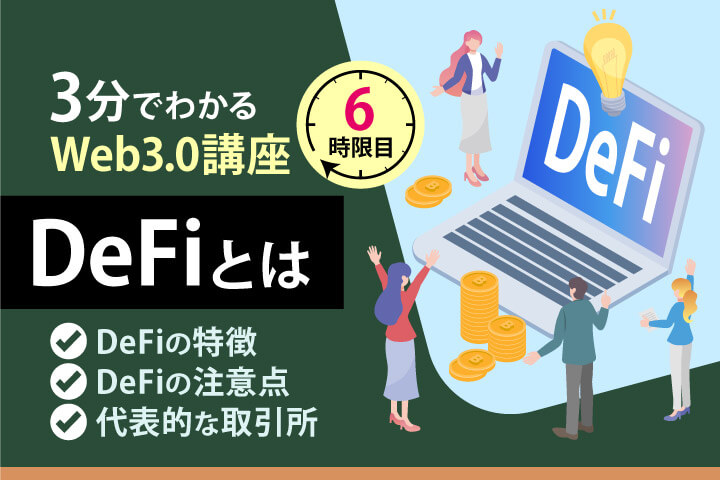
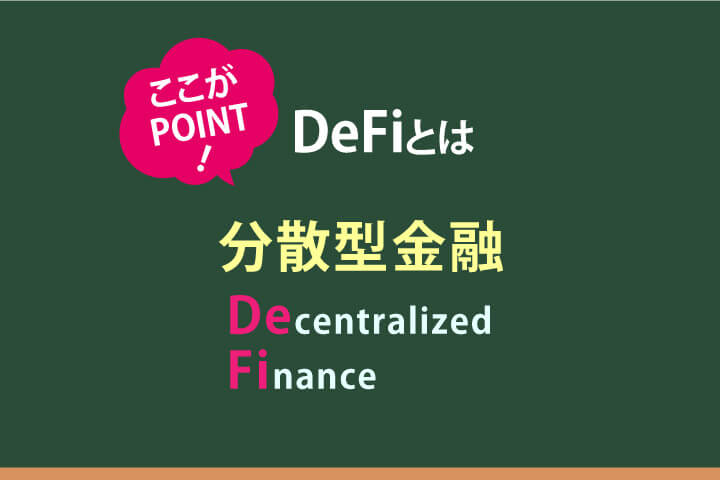
The global financial landscape is currently undergoing a paradigm shift as Decentralized Finance, commonly referred to as DeFi, transitions from a niche experiment for blockchain enthusiasts into a cornerstone of the emerging Web3 economy. Often described as the "Web3 version of a bank," DeFi represents a collection of financial services—including lending, borrowing, and trading—that operate entirely on blockchain technology without the oversight of traditional intermediaries such as commercial banks, brokerage firms, or centralized clearinghouses. This evolution marks a departure from the centuries-old centralized finance (CeFi) model, promising a future where financial autonomy is granted to any individual with an internet connection and a digital wallet.
The Architectural Foundation of Decentralized Finance
At its core, DeFi is built upon the pillars of transparency, interoperability, and permissionless access. Unlike traditional banking, where a central authority validates transactions and manages ledgers, DeFi utilizes smart contracts—self-executing code stored on a blockchain, primarily Ethereum—to automate financial agreements. These contracts eliminate the need for a "middleman," thereby reducing operational costs and removing the potential for human error or centralized censorship.
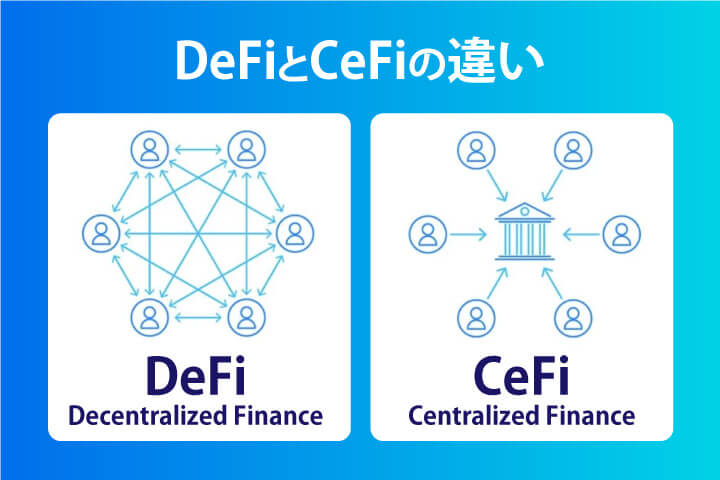
The distinction between CeFi and DeFi is most visible in the management of trust. In a CeFi environment, users must trust a central institution to safeguard their assets and execute trades fairly. In the DeFi ecosystem, trust is shifted from institutions to code. This "trustless" environment allows for the creation of Decentralized Exchanges (DEXs), where users trade assets directly from their wallets, and liquidity protocols, where users can earn interest by providing capital to global pools.

A Chronological Overview of the DeFi Evolution
To understand the current state of DeFi, one must look at the timeline of its development, which is inextricably linked to the evolution of the broader blockchain industry:
- 2009–2014: The Genesis Period. Following the launch of Bitcoin, the concept of decentralized value transfer was established. However, the Bitcoin script was limited in its ability to handle complex financial logic.
- 2015: The Ethereum Catalyst. The launch of the Ethereum blockchain introduced Turing-complete smart contracts, providing the necessary infrastructure for developers to build decentralized applications (dApps).
- 2017–2018: The Infrastructure Phase. Projects like MakerDAO (the creator of the DAI stablecoin) and Uniswap began to emerge, laying the groundwork for decentralized lending and automated market making (AMM).
- 2020: The DeFi Summer. This period saw an explosion in total value locked (TVL) as protocols like Compound and Yearn Finance introduced "yield farming." This incentivized users to provide liquidity in exchange for governance tokens, leading to a massive influx of capital.
- 2021–Present: Multichain Expansion and Institutional Interest. DeFi moved beyond Ethereum to other networks like Binance Smart Chain (now BNB Chain), Solana, and Polygon. Simultaneously, institutional players began exploring DeFi for its efficiency in cross-border settlements and asset tokenization.
Core Characteristics and Competitive Advantages
The rapid adoption of DeFi is driven by several transformative features that traditional financial systems struggle to replicate.
24/7 Global Accessibility and High-Speed Remittance
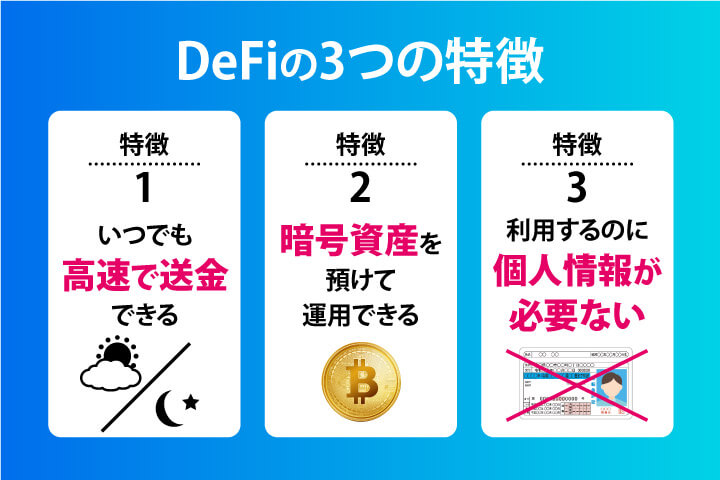
Traditional banking systems are often bound by business hours and regional holidays, which can delay international transfers for several days. Furthermore, the World Bank reports that the global average cost of sending remittances remains high, often exceeding 6% of the transaction value. DeFi protocols operate 24 hours a day, 365 days a year. Cross-border payments can be settled in minutes, or even seconds, depending on the underlying blockchain’s throughput. For users in developing nations, this represents a vital tool for economic survival, allowing for the near-instantaneous movement of capital across borders with minimal fees.
Asset Management and Yield Generation
In an era of fluctuating interest rates in traditional savings accounts, DeFi offers alternative avenues for asset appreciation. Through a process known as "staking" or "liquidity providing," users can deposit their digital assets into a protocol to facilitate trading or lending. In return, they receive a portion of the transaction fees or interest paid by borrowers. Some DEXs, such as SushiSwap or Uniswap, allow users to see real-time yields, which can significantly outperform traditional fixed-deposit rates, though they come with a different set of risks.
Permissionless Participation and Financial Inclusion
One of the most profound impacts of DeFi is its ability to serve the "unbanked" population. According to the World Bank, approximately 1.4 billion adults worldwide lack access to a formal bank account. Traditional banks require extensive documentation, credit checks, and physical presence. DeFi requires only a digital wallet, such as MetaMask. This allows individuals in regions with unstable banking infrastructure to access sophisticated financial tools, including stablecoins pegged to the U.S. dollar, which protect their wealth from local currency hyperinflation.
Navigating the Risks and Security Considerations
Despite its potential, the DeFi sector is not without significant hazards. The absence of a central authority means there is no "safety net" for users who make mistakes or fall victim to malicious actors.

The Prevalence of Scams and Volatility
The permissionless nature of DeFi means that anyone can launch a project. This has led to the rise of "rug pulls," where developers abandon a project and flee with investors’ funds. Additionally, the market is characterized by extreme price volatility. High-yield products often involve "tokens" with low liquidity; while a project might offer a 1,000% Annual Percentage Yield (APY), the underlying token’s value may drop by 99% in the same period, resulting in a net loss for the investor.
Technical Vulnerabilities and Smart Contract Risks
Since DeFi relies on code, any bug in the smart contract can be exploited by hackers. According to blockchain security firms, billions of dollars have been lost to DeFi exploits over the last three years. Unlike a credit card transaction, which can be disputed and reversed, a blockchain transaction is immutable. If a user sends funds to the wrong address or interacts with a compromised contract, those assets are typically unrecoverable.
Regulatory Scrutiny and Future Oversight
Global regulators, including the SEC in the United States and the European Union through its MiCA (Markets in Crypto-Assets) regulation, are increasingly focusing on DeFi. The challenge for regulators lies in the "decentralized" nature of these protocols; without a central company to sue or regulate, authorities are exploring ways to regulate the developers, the front-end websites, or the "on-ramps" where users convert fiat currency into crypto.
Leading DeFi Ecosystems and Selection Criteria
For those entering the space, industry experts emphasize the importance of using established protocols with high Total Value Locked (TVL). TVL serves as a metric for the total amount of assets currently being held or staked in a protocol, acting as a proxy for market trust and liquidity.

- Uniswap: As the pioneer of the Automated Market Maker (AMM) model on Ethereum, Uniswap remains the most widely used DEX. Its longevity and massive liquidity pools make it a primary choice for traders.
- Curve Finance: This protocol specializes in stablecoin trading, offering low slippage and high efficiency for users looking to swap between different dollar-pegged assets.
- PancakeSwap: Operating primarily on the BNB Chain, PancakeSwap offers a lower-fee alternative to Ethereum-based protocols, making it popular for retail users.
Analysts suggest that a protocol’s "age" is a critical factor. Projects that have survived multiple market cycles and successfully defended against hacking attempts are generally considered more "battle-tested" than new, high-yield startups.
The Broader Impact: DeFi, GameFi, and Beyond
The implications of DeFi extend far beyond simple trading. The technology is already being integrated into other sectors, most notably "GameFi" (Gaming Finance). In GameFi projects, DeFi mechanics allow players to earn real-world value through in-game activities, creating decentralized economies within virtual worlds.
Furthermore, the rise of "Real World Assets" (RWA) in DeFi is bridging the gap between traditional and decentralized systems. Protocols are now being developed to tokenize real estate, gold, and government bonds, allowing these assets to be traded and used as collateral within the DeFi ecosystem. This fusion could potentially unlock trillions of dollars in liquidity, making global markets more efficient and transparent.
In conclusion, while Decentralized Finance presents a steep learning curve and inherent risks, its role as a fundamental pillar of Web3 is undeniable. By removing barriers to entry and automating complex financial processes, DeFi is democratizing access to capital and redefining the meaning of financial sovereignty in the digital age. As the technology matures and security standards improve, the "Web3 bank" may eventually move from a revolutionary alternative to a global standard.