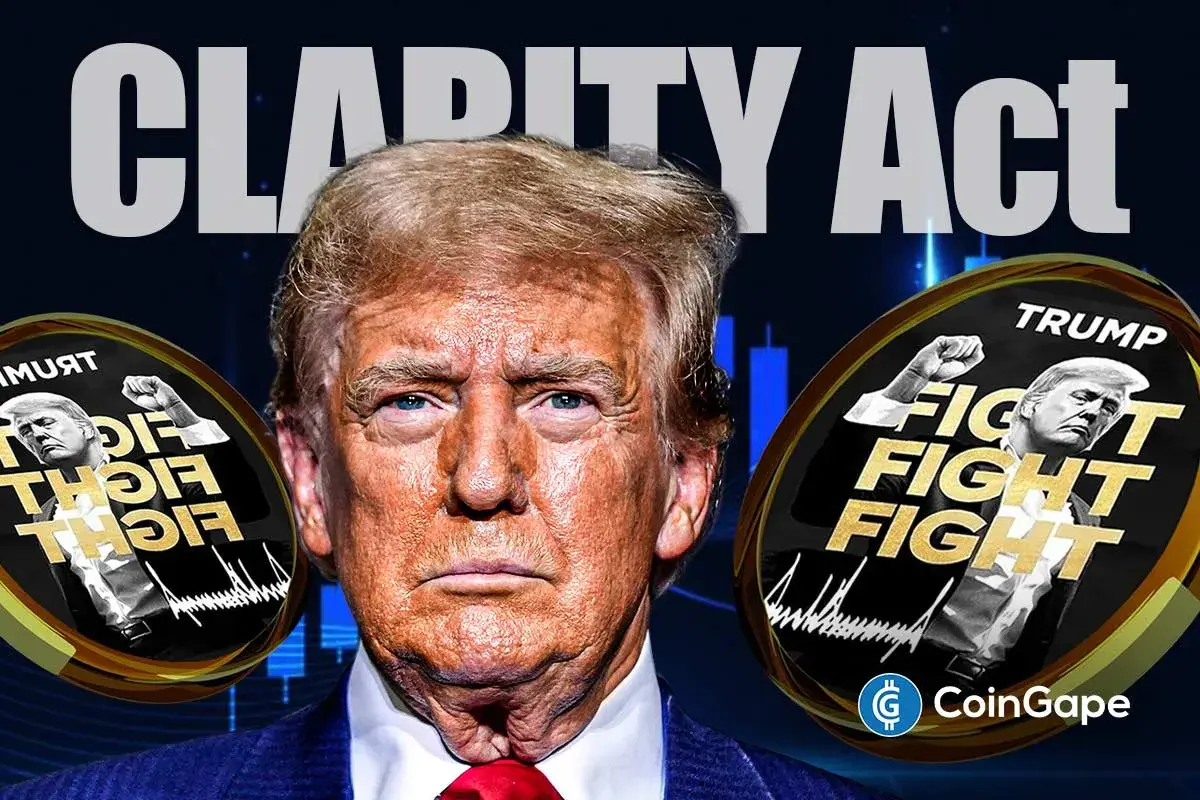
The official development team behind the Donald Trump-backed memecoin, known by the ticker TRUMP, has executed a series of significant on-chain transfers totaling approximately $16.91 million, a move that has sent ripples through the cryptocurrency market and the halls of Washington D.C. This substantial movement of 16.84 million tokens comes at a critical juncture, as the legislative calendar in the United States Senate approaches a pivotal deadline for the CLARITY Act, a comprehensive digital asset bill that could have profound implications for the intersection of political figures and decentralized finance. According to real-time data provided by blockchain analytics firm Arkham Intelligence, the transfers were meticulously distributed across three distinct custody wallets managed by Fireblocks, sparking intense debate among analysts regarding whether these moves represent a standard operational unlock or a strategic repositioning ahead of impending regulatory shifts.
Technical Breakdown of the On-Chain Transfers
The activity, which took place on July 25, 2026, involved the systematic distribution of the TRUMP tokens from the project’s primary treasury to three specific addresses. Arkham Intelligence reported that the team first moved approximately 3.555 million TRUMP tokens, valued at roughly $5.5 million, to a Fireblocks custody address. This was followed shortly by a second transfer of 3.596 million tokens to another distinct address within the same custodial ecosystem. The final leg of the transaction saw 3.686 million tokens shifted to a third address. In total, the execution accounted for $16.91 million in market value at the time of the transfer.
Market observers have noted that these destination addresses are not new to the TRUMP ecosystem. Historical data indicates that these specific wallets have received TRUMP tokens in the past, subsequently transferring them to BitGo, another institutional-grade digital asset custodian. The recurring nature of these transfers has led to questions regarding the project’s tokenomics and the potential for a scheduled distribution or "unlock" for early contributors and insiders. Arkham Intelligence highlighted this pattern, posing the question to the broader crypto community of whether these movements signal the distribution of previously locked assets to stakeholders or the preparation for a liquidity event.
Legislative Pressure: The CLARITY Act and the August Recess
The timing of the $16.91 million transfer is being closely scrutinized due to its proximity to legislative developments in the U.S. Senate. Senate Majority Leader John Thune has been aggressively pushing for a floor vote on the CLARITY Act before the upcoming August recess. While the bill passed the House of Representatives in July 2025 and cleared the Senate Banking Committee in May 2026 with a 15-9 vote, it currently faces a significant hurdle in the form of the 60-vote threshold required to overcome a filibuster.
The CLARITY Act is viewed as one of the most consequential pieces of crypto legislation in recent years, aiming to establish clear guidelines for asset classification, consumer protection, and, most controversially, ethics rules for public officials involved in the digital asset space. Senate Majority Leader Thune has acknowledged the difficulty of securing the necessary Democratic support, noting that the bill still requires approximately seven votes from the opposing aisle to pass. Despite these odds, Thune’s insistence on bringing the bill to the floor suggests a high-stakes political showdown that could force lawmakers to take a definitive stance on the regulation of "PolitiFi" (Political Finance) assets.
Ethics Provisions and Their Impact on the TRUMP Token
A primary point of contention within the CLARITY Act involves its stringent ethics provisions. These clauses are designed to prevent conflicts of interest by restricting the ability of high-ranking political figures and their associated entities from profiting from the issuance or promotion of proprietary digital assets. Given the explicit branding and the "official" backing of the TRUMP memecoin, the project sits squarely in the crosshairs of this legislation.
If the CLARITY Act were to pass in its current form, it could mandate the divestment of such assets by political figures or impose heavy penalties on the teams managing them. This has led many market analysts to speculate that the recent $17 million transfer to custody wallets might be a preemptive move to distance the core team from the tokens or to prepare for a restructuring that complies with the proposed ethics rules. The movement of funds into institutional custody services like Fireblocks and BitGo provides a layer of professional management that is often required for regulatory compliance, though it also provides the infrastructure necessary for large-scale liquidations.
Market Performance and the Toll on Retail Investors
The recent on-chain activity occurs against a backdrop of severe market volatility for the TRUMP token. Since its inception, the asset has experienced a dramatic rise and an equally precipitous fall. At the time of the latest transfers, the TRUMP token was trading at approximately $1.57, representing a staggering 83% decline from its year-over-year high. More alarmingly, the current price reflects a nearly 98% drop from its all-time high of $73.43 reached in January 2025.
The human cost of this volatility is substantial. Data suggests that approximately one million unique buyers have engaged with the TRUMP token, many of whom entered the market during the height of the 2025 hype cycle. Collectively, these retail investors have realized or are currently holding losses totaling $3.81 billion. This massive destruction of capital has intensified calls from consumer advocacy groups for the passage of the CLARITY Act, arguing that the "PolitiFi" sector operates as a high-risk environment where retail participants are often left holding devalued assets while insiders maintain significant control.
Insider Dominance and Tokenomics Concerns
One of the most criticized aspects of the TRUMP memecoin is the high concentration of supply held by insiders. According to crypto research tools, approximately 80% of the total token supply remains in the hands of a small group of insiders and the founding team. The TRUMP team currently retains the ability to sell up to 96 million tokens, which constitutes roughly 9.6% of the total supply, with a current market valuation of approximately $150 million.
This level of insider control is a significant red flag for many institutional investors and regulators. In a market where 67% of the tokens (approximately 670 million) are already unlocked, the potential for a "dump"—a massive sale by insiders that crashes the price—is a constant threat to the remaining liquidity. The transfer of $16.91 million to custody wallets is seen by some as the beginning of a phased exit strategy, while others argue it is merely a move to secure the assets in a more professional environment as the project matures.
The Broader Implications for PolitiFi
The TRUMP memecoin is the flagship asset of the burgeoning PolitiFi sector, a niche market where tokens are minted to represent political movements, candidates, or ideologies. The success or failure of the TRUMP token is often viewed as a bellwether for the entire sector. If the project’s team is indeed liquidating or restructuring due to the CLARITY Act, it could signal the end of the "wild west" era for political tokens.
Legal experts suggest that the outcome of the CLARITY Act vote will set a precedent for how the U.S. government treats the intersection of digital assets and political influence. If the bill fails, it may embolden other political figures to launch similar ventures. However, if it passes, it could lead to a wave of enforcement actions by the SEC and the CFTC against existing projects that fail to meet the new ethics and disclosure standards.
Chronology of Key Events
To understand the gravity of the current situation, it is essential to look at the timeline of the TRUMP token and the CLARITY Act:
- January 2025: TRUMP token reaches an all-time high of $73.43 amid peak political campaigning and social media hype.
- July 2025: The House of Representatives passes the initial version of the CLARITY Act, signaling a bipartisan desire for crypto regulation.
- May 2026: The Senate Banking Committee approves the CLARITY Act with a 15-9 vote, sending it to the full Senate.
- June 2026: Market data reveals that retail losses in the TRUMP token have surpassed $3.5 billion as the price continues to slide.
- July 20, 2026: Senate Majority Leader John Thune announces his intention to force a vote on the CLARITY Act before the August recess.
- July 25, 2026: The TRUMP team moves 16.84 million tokens ($16.91 million) to three Fireblocks custody addresses, as tracked by Arkham Intelligence.
Analyst Perspectives and Future Outlook
Financial analysts remain divided on the intent behind the $17 million move. Some argue that the use of Fireblocks, a platform known for its security and compliance features, suggests the team is preparing for a future where the TRUMP token exists within a regulated framework. By moving assets into institutional custody, the team may be attempting to demonstrate a level of transparency and professional oversight that could appease regulators or potential institutional buyers.
Conversely, skeptics point to the timing of the move as a sign of "regulatory flight." With the CLARITY Act’s ethics provisions looming, the team may be seeking to move tokens into accounts that are harder to link directly to political figures or to prepare for a swift liquidation before the bill potentially becomes law.
As the August recess approaches, the eyes of the crypto world remain fixed on the Senate floor. The fate of the TRUMP token and the $3.81 billion in lost retail capital may ultimately depend on whether John Thune can secure the seven Democratic votes needed to bring the CLARITY Act to the finish line. Regardless of the legislative outcome, the recent movement of millions of dollars in TRUMP tokens serves as a stark reminder of the volatility and political sensitivity inherent in the current digital asset landscape. For the one million investors who have seen the value of their holdings evaporate, the coming weeks will determine if there is any hope for recovery or if the TRUMP memecoin will serve as a cautionary tale in the history of American finance and politics.