
The landscape of competitive gaming and blockchain integration continues to evolve rapidly with the introduction of Dark Machine, a high-octane third-person shooter (TPS) mecha combat game. Built to cater to both traditional esports enthusiasts and web3 native players, Dark Machine bridges the gap between high-performance action gameplay and decentralized asset ownership. Leveraging advanced layer-1 and layer-2 scaling solutions, specifically the Immutable zkEVM and Sui networks, the project aims to deliver a seamless gaming experience devoid of the friction points that have historically hindered blockchain-based titles. As the gaming industry watches closely, Dark Machine represents a significant milestone in the convergence of AAA-quality game development and sustainable tokenomics.
Game Overview and Core Mechanics
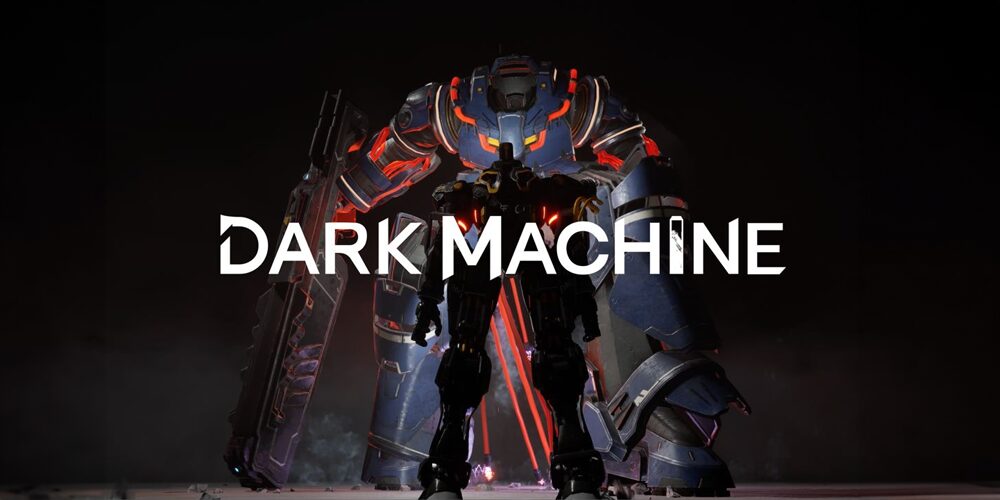
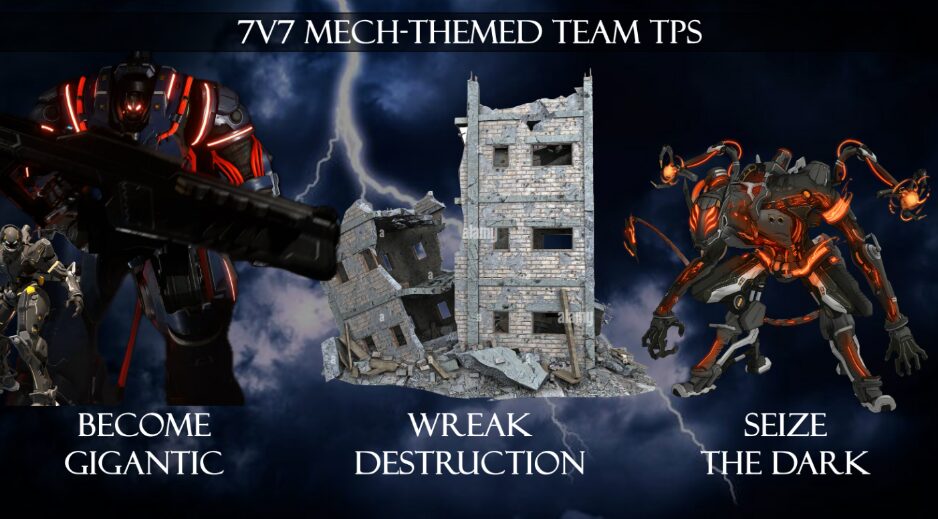
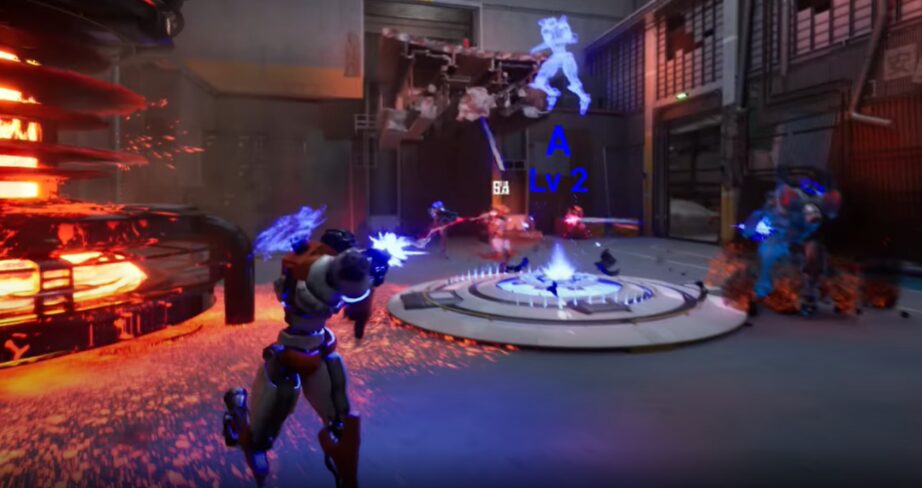
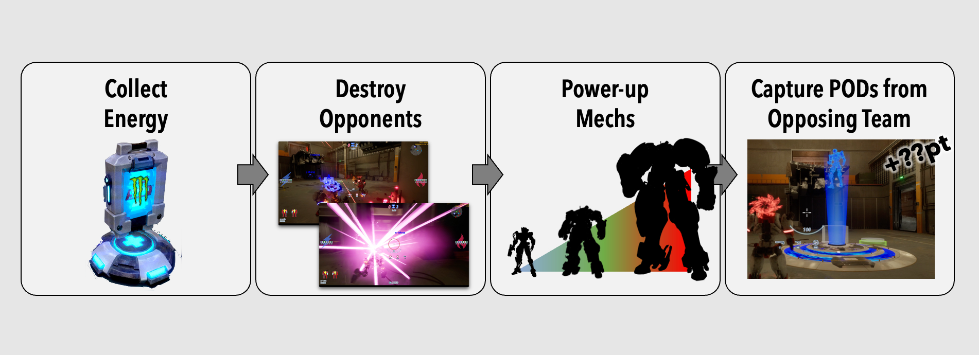
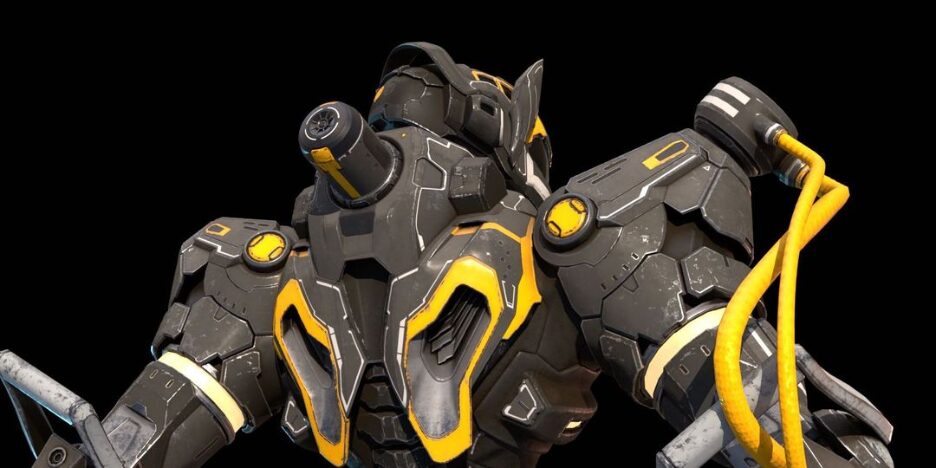
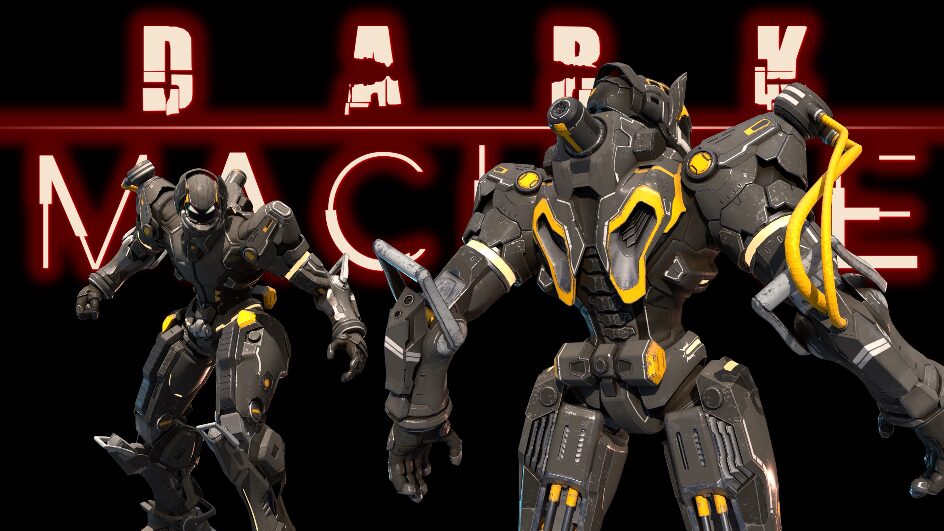
At its core, Dark Machine is a tactical third-person shooter that places players in control of heavily armored, customizable mechs. The gameplay loop focuses on intense tactical combat, demanding precise spatial awareness, quick reflex actions, and strategic resource management. Players engage in multi-tiered battlegrounds where positioning, loadout configurations, and team coordination dictate the difference between victory and defeat.
Unlike many early-generation blockchain games that prioritized token economics over core gameplay mechanics, Dark Machine has invested heavily in high-fidelity graphics, responsive controls, and fluid mechanics. The development team has drawn inspiration from renowned sci-fi franchises and successful multiplayer titles, ensuring that the visual presentation matches the intensity of the gameplay. The integration of modern rendering engines allows for detailed mech designs, dynamic environments, and particle effects that elevate the overall combat experience.
Blockchain Infrastructure and Multi-Chain Strategy
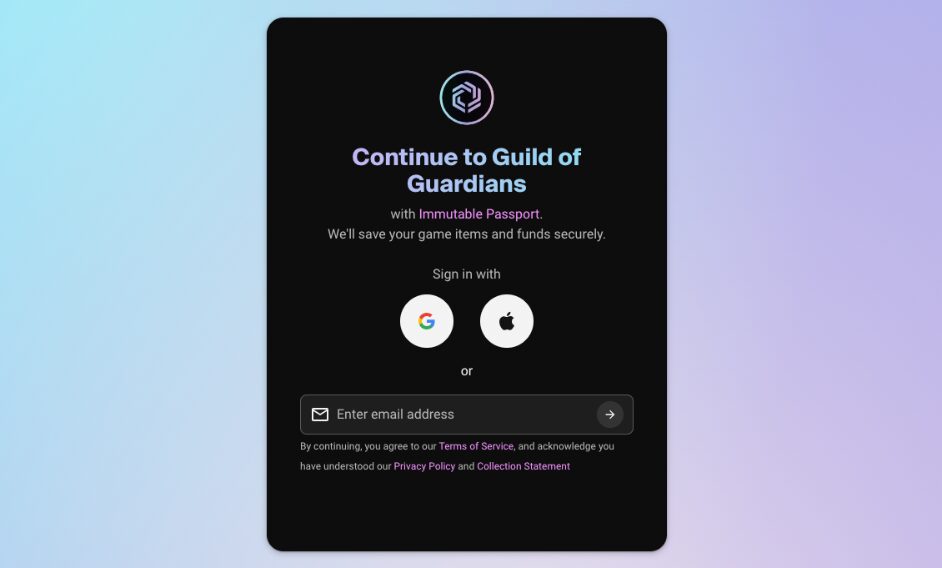
One of the defining features of Dark Machine is its robust multi-chain architecture. By utilizing Immutable zkEVM and the Sui network, the game ensures high transaction throughput, minimal latency, and robust security for all in-game assets. Immutable zkEVM provides Ethereum-aligned security alongside zero-knowledge scalability, enabling gas-free minting and trading of non-fungible tokens (NFTs) for players utilizing the Immutable Passport. This infrastructure significantly lowers the barrier to entry for mainstream gamers who may be unfamiliar with traditional cryptocurrency wallets and gas fee management.
In addition to Immutable, Dark Machine has expanded its ecosystem to include Telegram-based integrations via the TON (The Open Network) blockchain. This strategic move allows the project to tap into Telegram’s vast user base, offering lightweight mini-apps and community-driven engagement tools that drive user acquisition and retention. Furthermore, the integration with Bitget Wallet facilitates smooth cross-chain asset management, enabling players to interact with the game’s native economy securely and efficiently.
Tokenomics and the $MXNA Ecosystem
The economic engine of Dark Machine is powered by its native utility token, $MXNA, alongside the DEMAX sub-token system. Designed to foster a sustainable player-driven economy, $MXNA serves multiple functions within the ecosystem, including governance participation, marketplace transactions, staking rewards, and access to exclusive in-game events.
To prevent the hyper-inflationary cycles that plagued many play-to-earn games of the previous market cycle, Dark Machine has implemented rigorous token sink mechanisms. Players are incentivized to burn or lock tokens to upgrade mech parts, acquire rare cosmetic items, and participate in high-stakes esports tournaments. The DEMAX subsystem acts as a secondary layer for dedicated participants, rewarding long-term engagement and discouraging speculative dumping. Liquidity pools established across major decentralized and centralized exchanges ensure that $MXNA maintains healthy market depth and accessibility for global investors.
Esports Integration and Competitive Structure
Dark Machine has been engineered from the ground up to support a thriving esports ecosystem. Recognizing the promotional and community-building power of competitive gaming, the developers have partnered with prominent web3 gaming guilds and esports organizations, such as META-X and Yield Guild Games (YGG), to establish structured tournaments and leagues.
The competitive framework features regular 1v1 and squad-based matches, complete with live broadcasting support for platforms like YouTube and Twitch. By providing tools for tournament organizers, spectators, and professional players, Dark Machine aims to position itself as a staple in the burgeoning web3 esports sector. Major prize pools, funded in part by ecosystem revenues and partner sponsorships, have already begun attracting top-tier esports talent from traditional gaming backgrounds.

NFT Integration and Digital Ownership
Digital ownership forms a cornerstone of the Dark Machine experience. In-game assets, ranging from custom mech chassis and weapons to exclusive VIP passes, are tokenized as NFTs, granting players true ownership over their digital property. To accommodate users who prefer a streamlined onboarding process, the game utilizes Soulbound Tokens (SBTs) for achievement tracking and identity verification, ensuring that competitive milestones and credentials remain non-transferable and securely bound to the player’s profile.
The marketplace mechanics are designed to empower creators and traders alike. Players can design, customize, and trade their own mech components, creating a micro-economy driven by player ingenuity and demand. This user-generated content (UGC) model ensures continuous fresh content and long-term player retention.
Strategic Partnerships and Institutional Backing
The development of Dark Machine has been bolstered by strategic investments and partnerships with industry heavyweights. Collaborations with venture capital firms, web3 accelerators, and prominent gaming guilds have provided the project with the financial runway and strategic guidance necessary to navigate the competitive gaming market. Notable backers include established entities in both the traditional gaming and blockchain sectors, reflecting confidence in the team’s vision and execution capabilities.
Recent funding rounds, including substantial capital injections from prominent crypto funds, have allowed the development studio to expand its workforce, accelerate production timelines, and enhance marketing efforts globally. These partnerships have also facilitated cross-promotional campaigns, increasing brand visibility and driving user acquisition across multiple regions, particularly in Asia and North America.
Industry Implications and Future Outlook
The launch and expansion of Dark Machine arrive at a pivotal time for the blockchain gaming industry. As the market moves away from unsustainable speculative models toward gameplay-first experiences, projects that successfully merge AAA-grade entertainment with robust decentralized economies are poised to capture market share.
By lowering technical barriers through Immutable Passport integration, expanding accessibility via Telegram, and maintaining a rigorous focus on competitive integrity, Dark Machine addresses many of the historical criticisms leveled against web3 games. While challenges remain in balancing token economies and attracting a mainstream audience accustomed to traditional gaming ecosystems, the foundational framework established by the development team demonstrates a mature approach to blockchain integration.
As Dark Machine continues to roll out major updates, seasonal tournaments, and cross-chain expansions over the coming years, industry observers will closely monitor its performance as a bellwether for the next wave of sustainable web3 gaming adoption.
