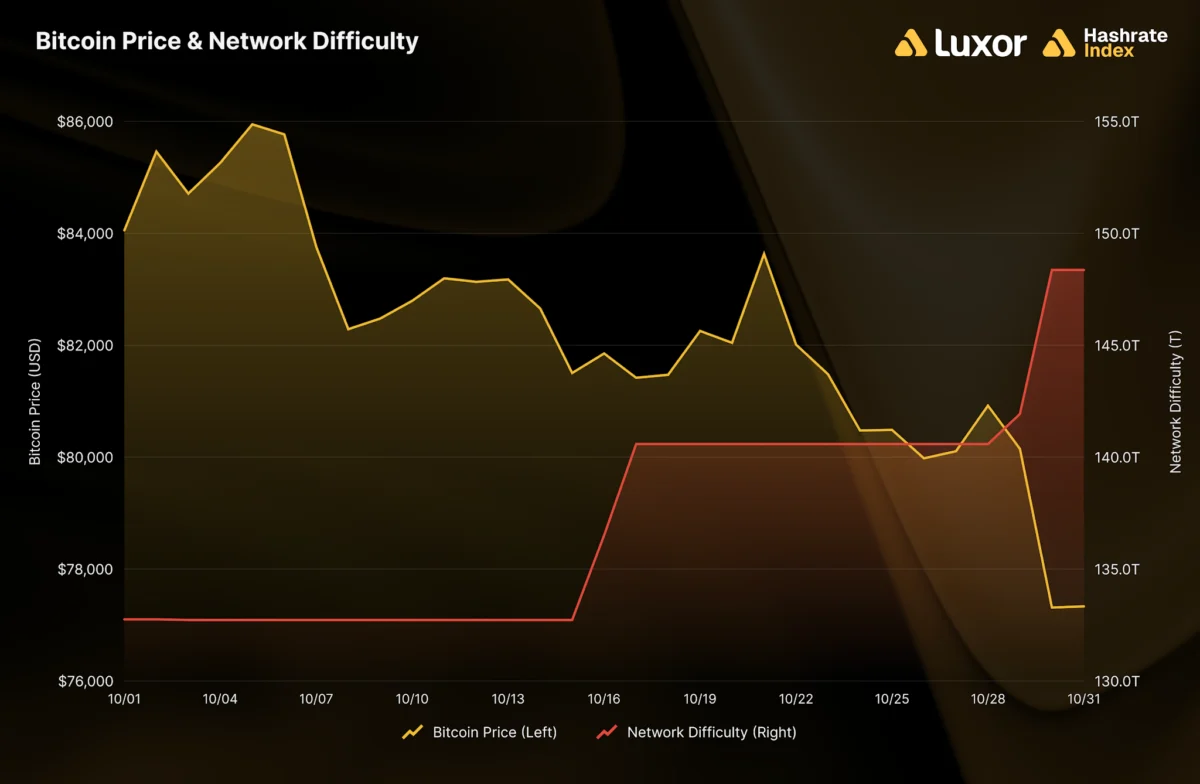
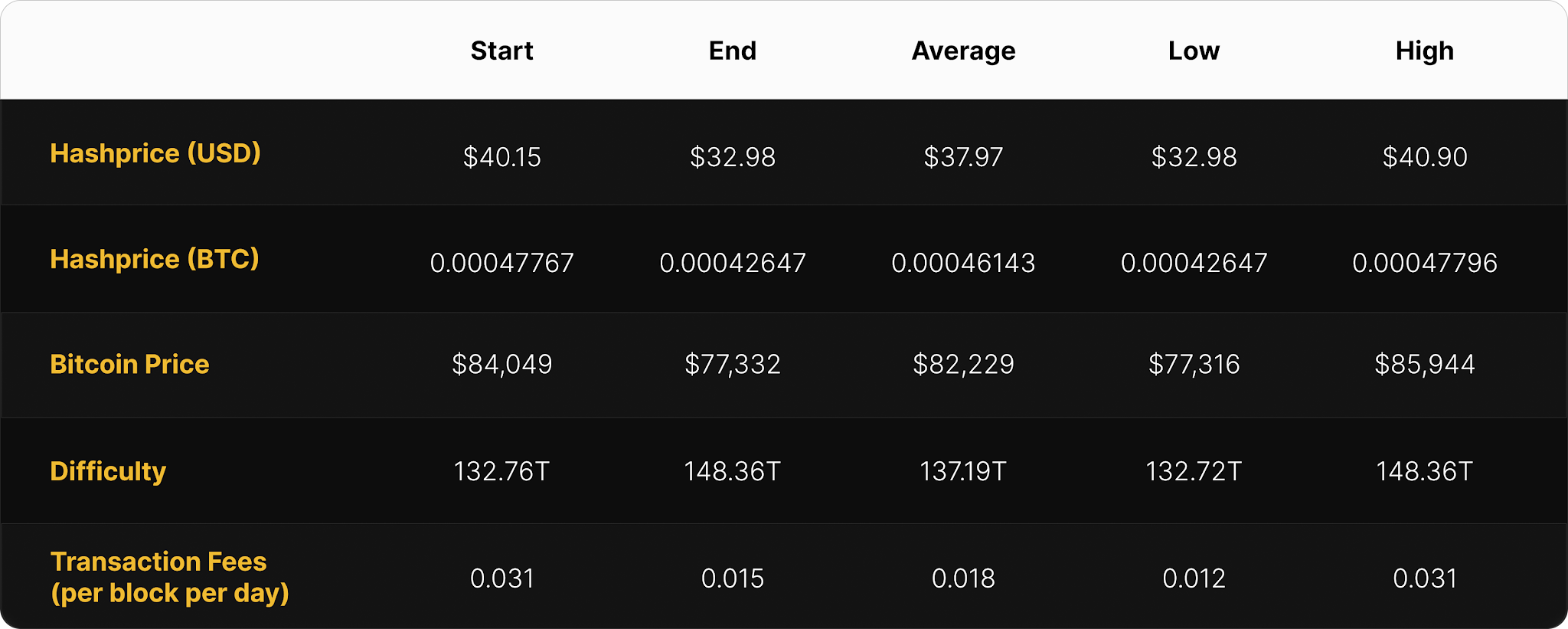
The Bitcoin mining landscape experienced a turbulent shift in October 2026, characterized by a sharp contraction in hashprice and a sustained increase in network difficulty. As the industry navigates the post-halving environment, the confluence of falling Bitcoin prices and escalating network competition has created a challenging operational environment for miners globally. October concluded as one of the most difficult months for mining profitability since early 2025, with spot hashprice dropping by nearly 18% from the month’s opening valuation to its close.

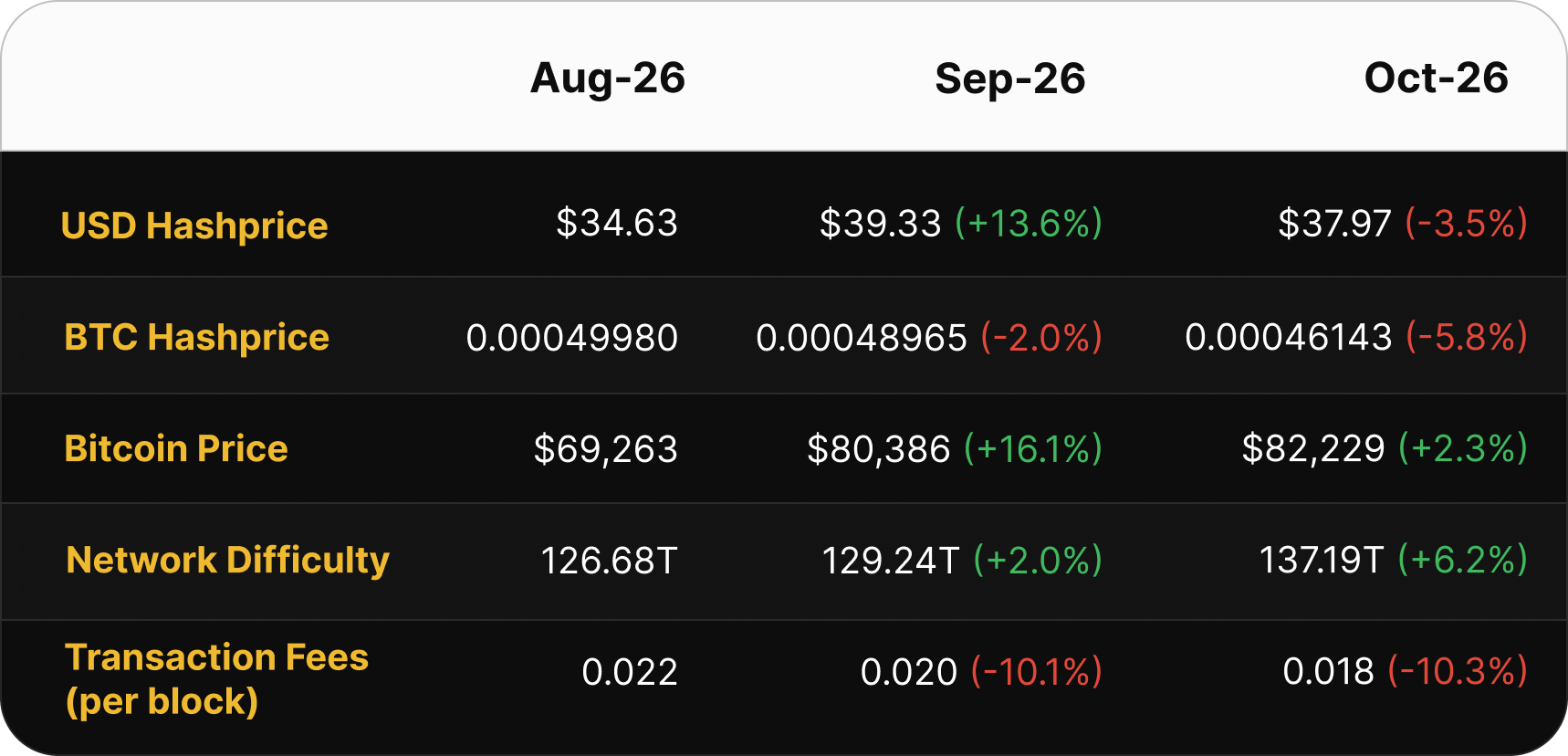
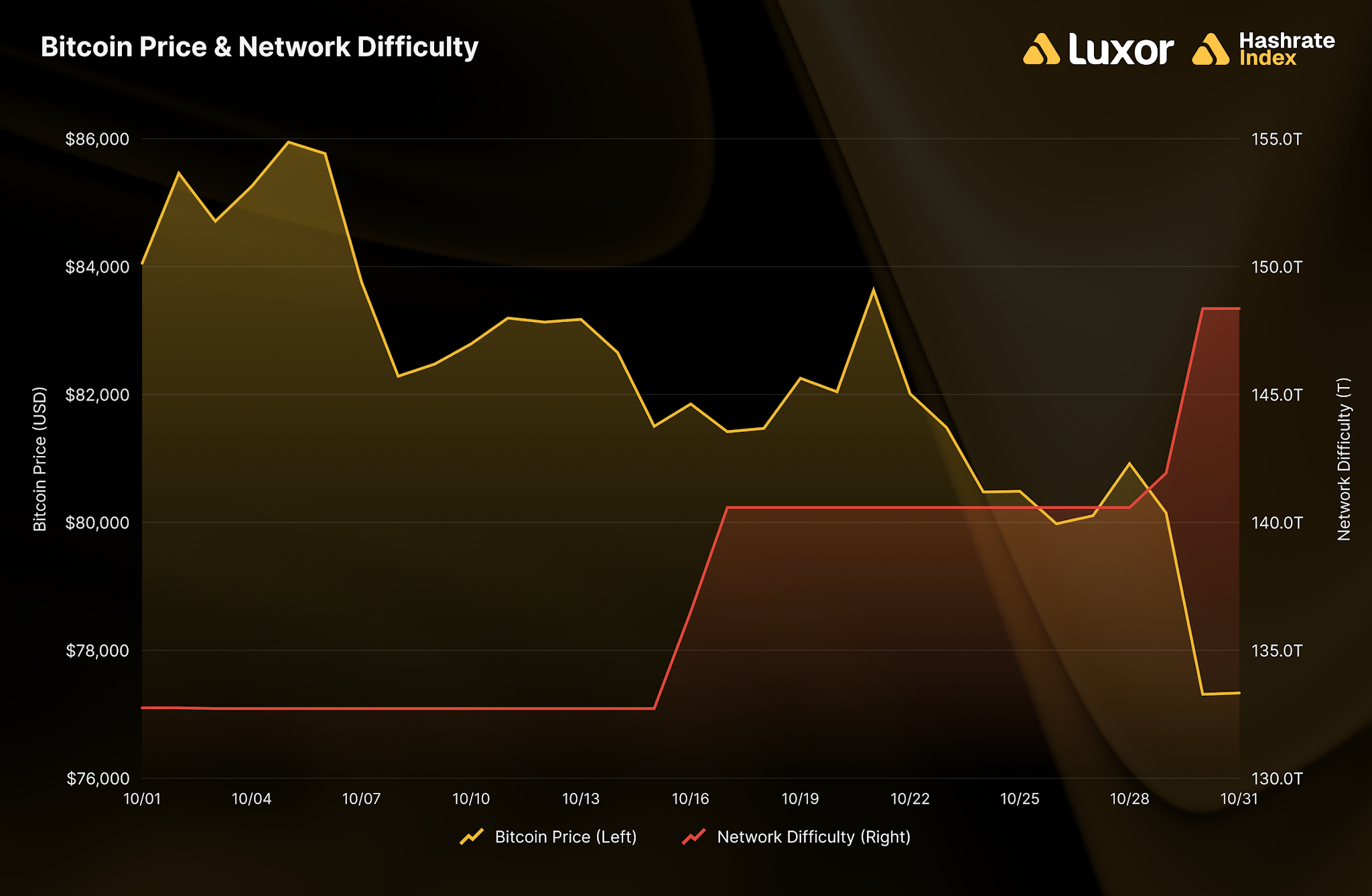
The primary driver of this compression was a combination of an 8.0% decline in the price of Bitcoin—which retreated from an opening of $84,049 to close the month at $77,332—and a significant 11.76% surge in network difficulty. This dual pressure effectively squeezed profit margins, forcing a re-evaluation of operational strategies for both public and private mining firms.
Chronology of Market Pressure
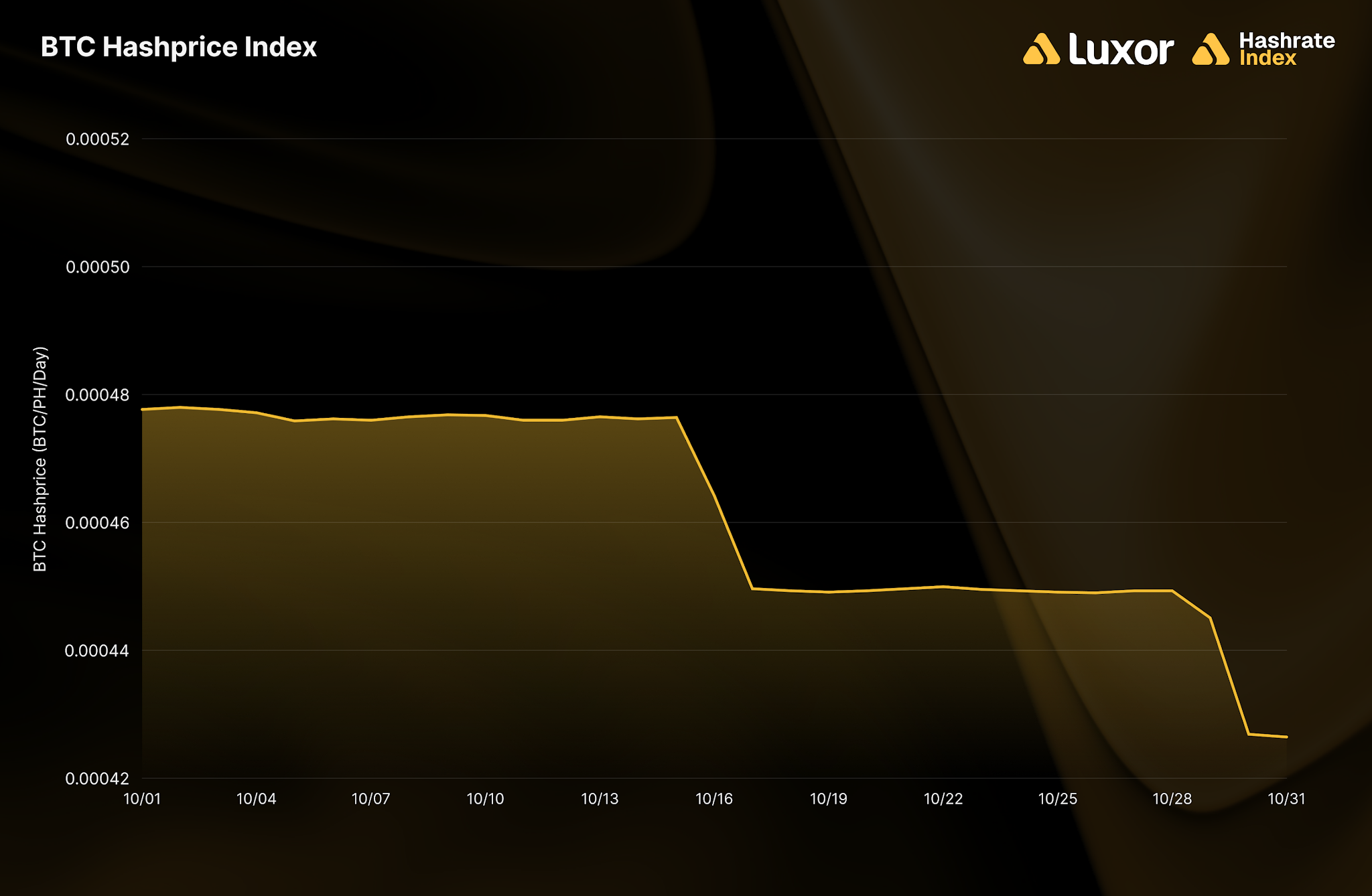
The month of October was defined by two distinct phases of contraction, both coinciding with scheduled network difficulty retargets. The first half of the month began with a degree of stability, with hashprice reaching a monthly high of $40.90 per PH/s/day on October 5. However, as Bitcoin’s price began to soften, the inherent mechanics of the Bitcoin protocol began to exert downward pressure on miner revenues.
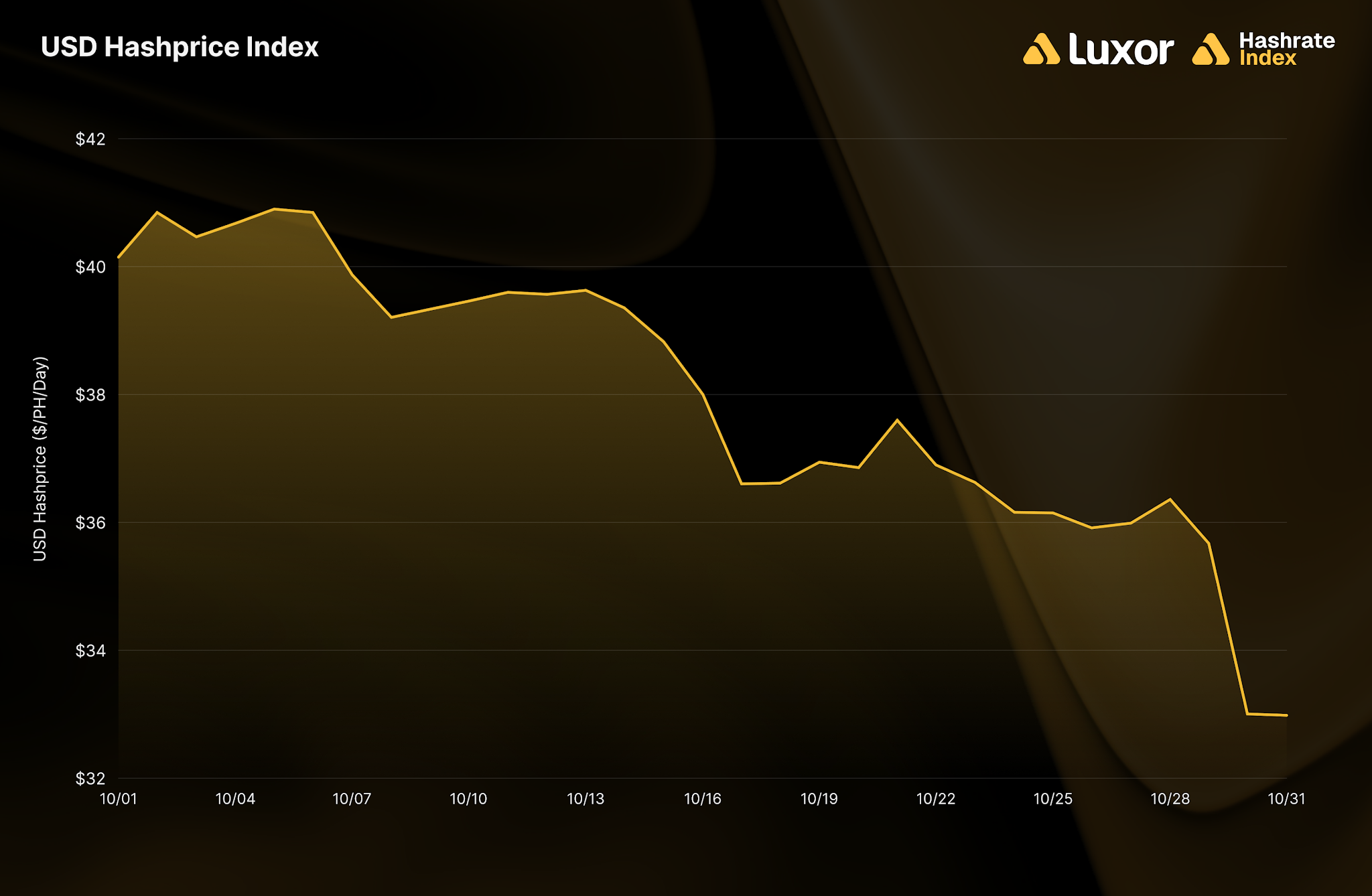
Between October 15 and October 17, the network underwent a difficulty adjustment that saw hashprice slip from $38.83 to $36.60. The situation intensified toward the end of the month. On October 29 and 30, the network experienced its second major retargeting event, which, when coupled with a 3.5% single-day drop in Bitcoin’s price, accelerated the decline. By the end of October, hashprice had hit a low of $32.98, marking the largest open-to-close dollar decline in the metric since February 2025.
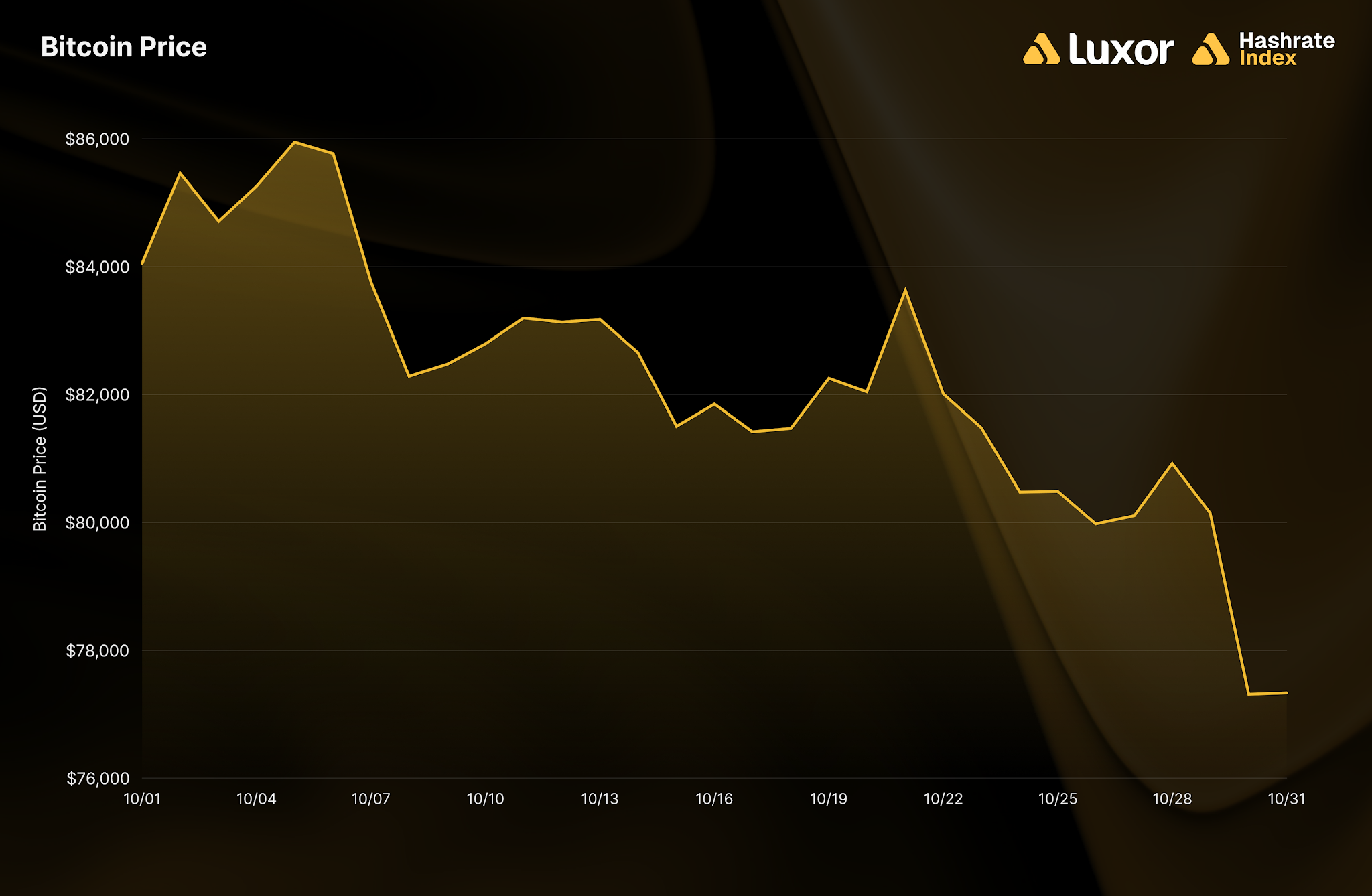
This decline was further exacerbated by a shift in sentiment among institutional investors. After months of consistent inflows, Bitcoin spot ETFs turned into net sellers for the first time since June, with total outflows reaching $515 million for the month. The largest single-day outflow occurred on October 30, with $643 million exiting the funds, a move that fundamentally altered the net flow dynamics for the year-to-date, dragging the figure down to $0.46 billion.
Network Dynamics and Hashrate Surge
Despite the declining profitability, the network hashrate continued to demonstrate resilience, climbing back above the 1 zettahash per second (ZH/s) threshold. By October 11, the 7-day average network hashrate crossed the 1,000 EH/s milestone for the first time since the start of June. This growth in hashrate is indicative of the "arms race" in hardware efficiency, where newer, more efficient machines are replacing legacy infrastructure, thereby driving up total network power and, consequently, difficulty.
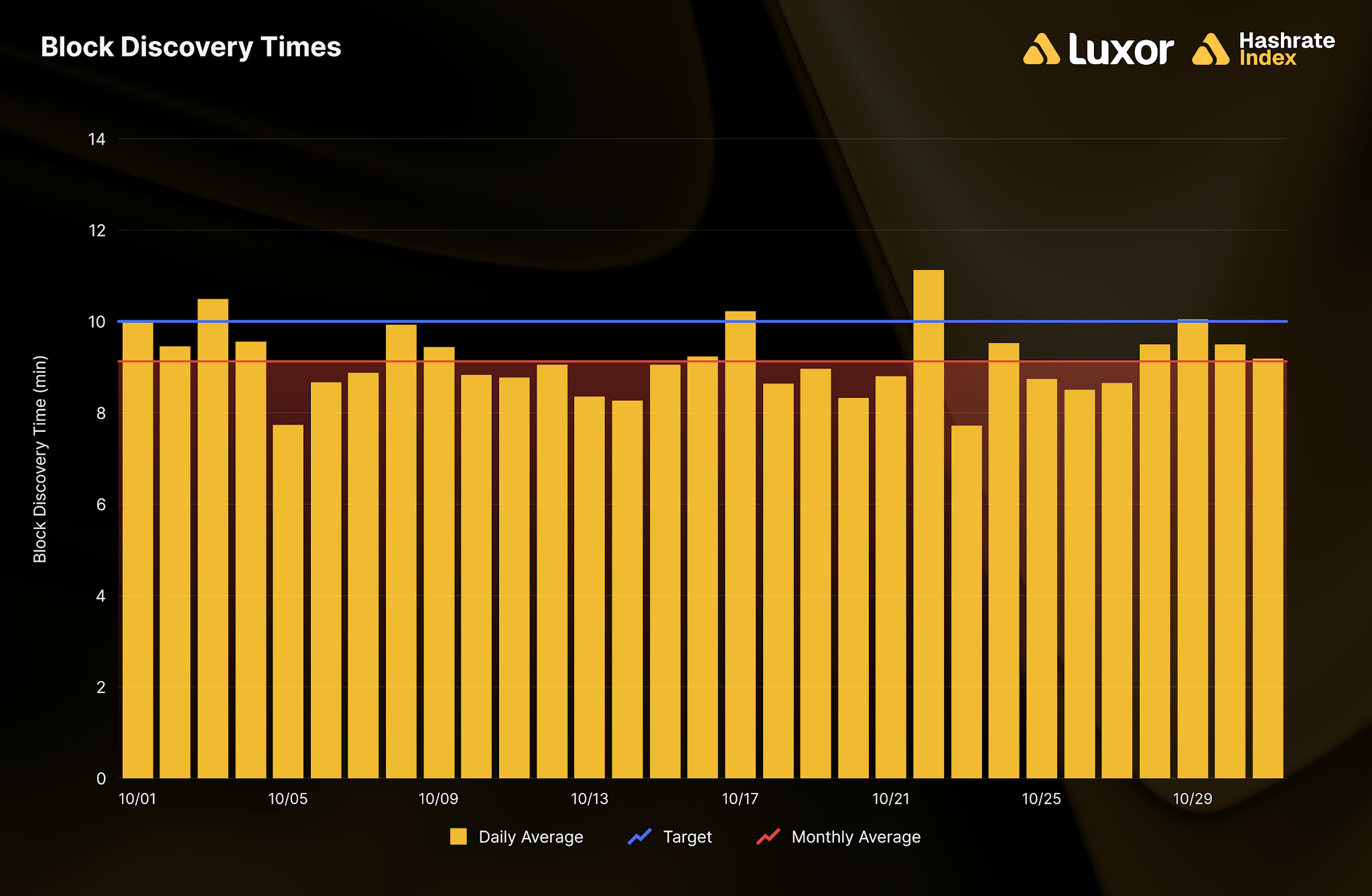
The surge in hashrate was largely attributed to the stabilization of power markets in Texas. Following the conclusion of the Electric Reliability Council of Texas (ERCOT) 4CP (Four Coincident Peaks) season on September 30, miners who had previously curtailed their operations to avoid high transmission costs returned to the grid. While the monthly average power price in the LZ_WEST hub rose to $43/MWh—the highest since January—the real-time price volatility in late October created a window of opportunity for miners to power their fleets during lower-cost intervals.
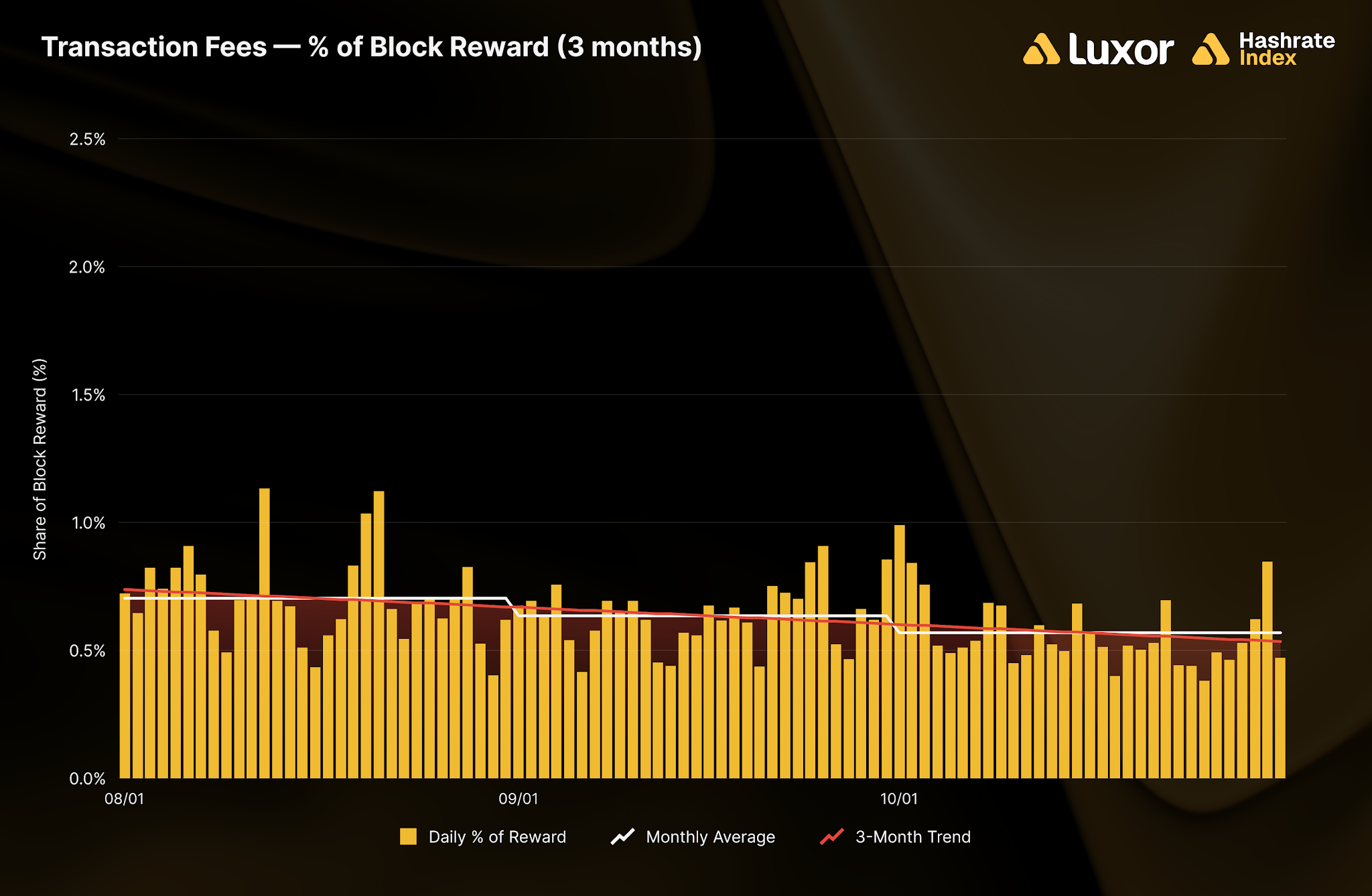
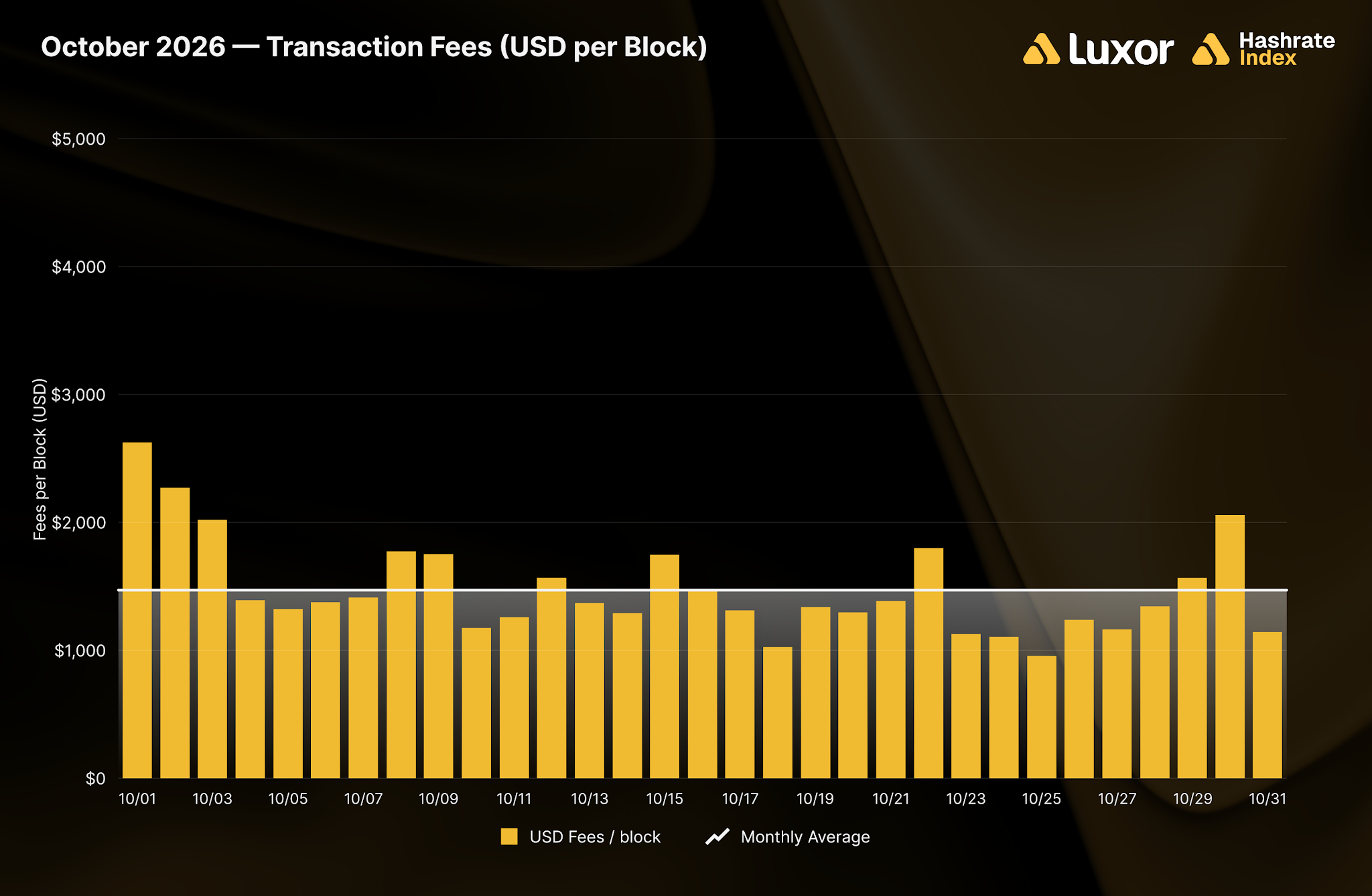
However, the rapid influx of hashrate contributed to the 11.76% net gain in difficulty, the highest monthly growth rate recorded since February 2024. This increase in competition meant that even if Bitcoin prices had remained flat, the share of rewards per unit of computing power would have declined significantly.
Economic Implications for Mining Fleets
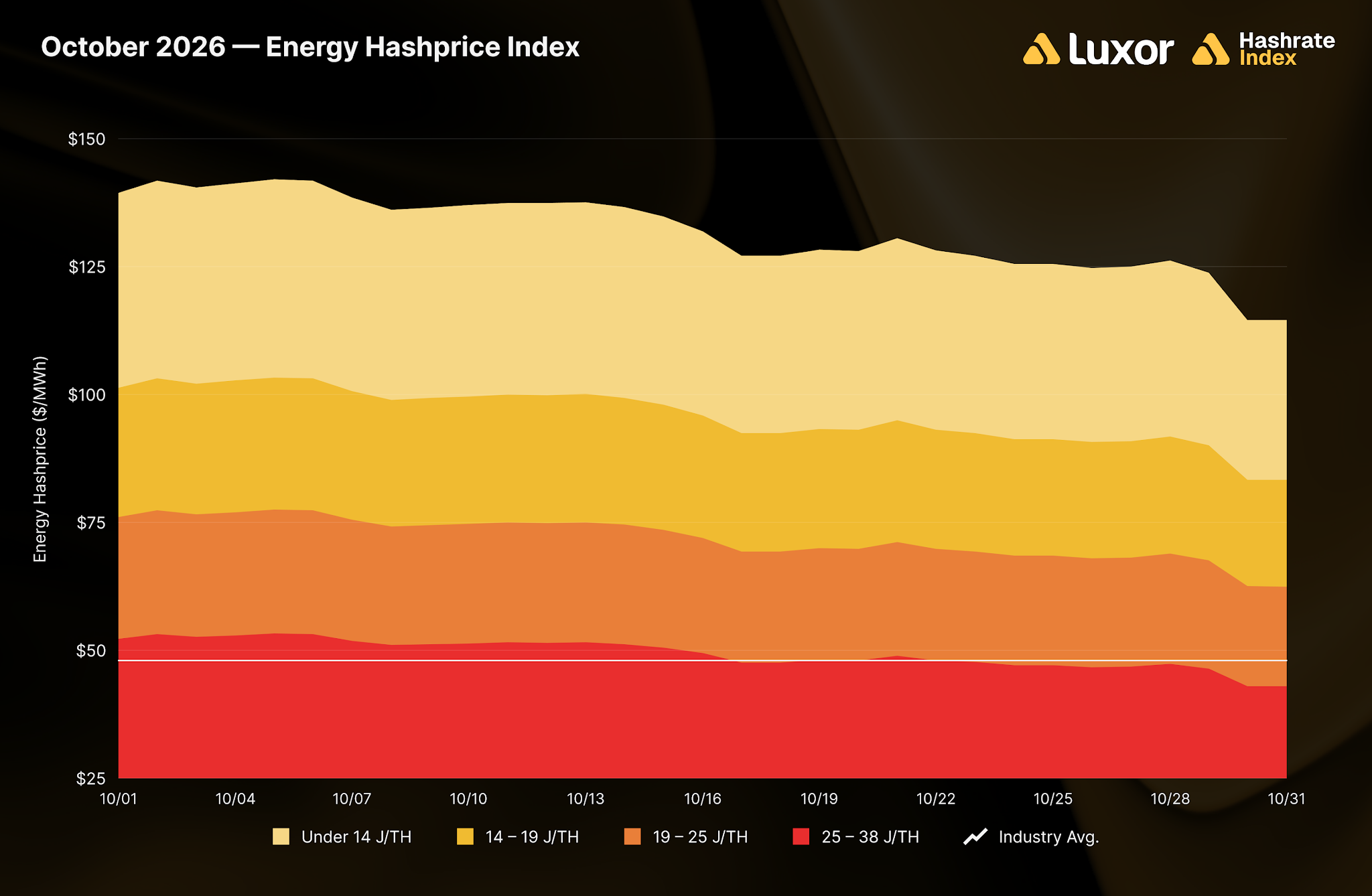
The current environment has forced a clear distinction between efficient and inefficient mining operations. The "Energy Hashprice"—a metric that tracks the profitability of mining based on specific hardware efficiency tiers—showed a consistent decline across all classes.
For operators utilizing equipment in the 25–38 J/TH efficiency range, the average cost to remain profitable hovered around $49/MWh. However, by the final nine days of October, these operators were consistently finding themselves below the breakeven line. For less efficient fleets (those above 49 J/TH), the requirement to maintain profitability is an energy cost of $0.0278/kWh or lower, a rate that is increasingly difficult to secure in the current deregulated energy market.
Industry analysts note that this is not necessarily a "curtailment" event in the traditional sense. While summer shutdowns were often driven by grid-management incentives or 4CP scheduling, the current exit of hashrate is a structural market response to price. Marginal fleets are being priced out of the network, a necessary cycle that typically clears the way for more efficient infrastructure.
The Role of Hashrate Derivatives
As spot profitability wanes, the role of financial hedging has become a critical component of mining risk management. Luxor’s data on Non-Deliverable Hashrate Forward (NDF) and Deliverable (DF) markets illustrates how participants are using derivatives to lock in future revenue.
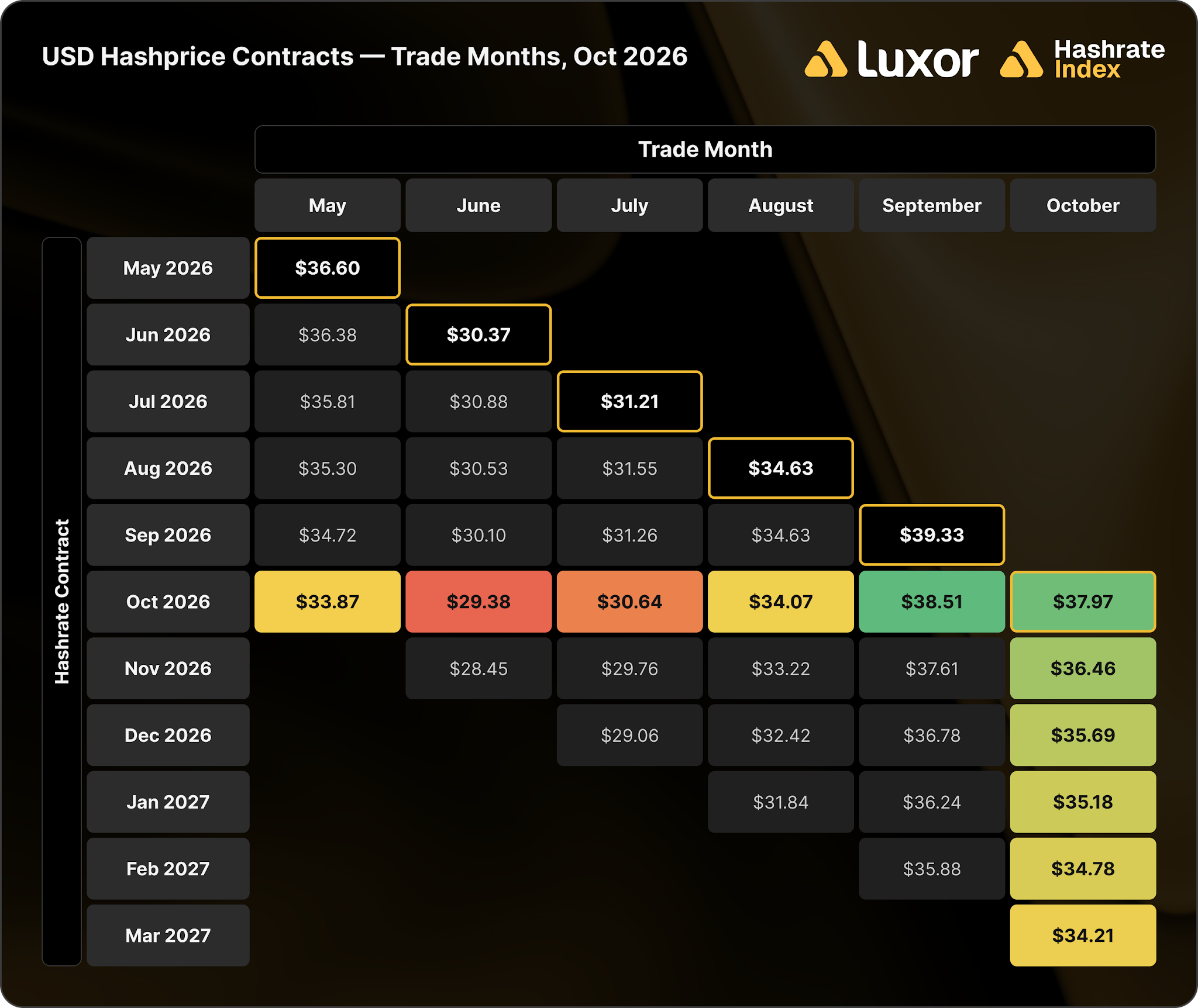
In October, lenders were active on the buy side of the DF market, providing capital to miners who sought to sell their future hashrate in exchange for immediate financing. This "sell-forward" strategy allows miners to secure non-dilutive capital to fund fleet expansions or upgrades. For the miners, the strategy served as a buffer against the volatility of the spot hashprice, though the performance of these hedges varied.
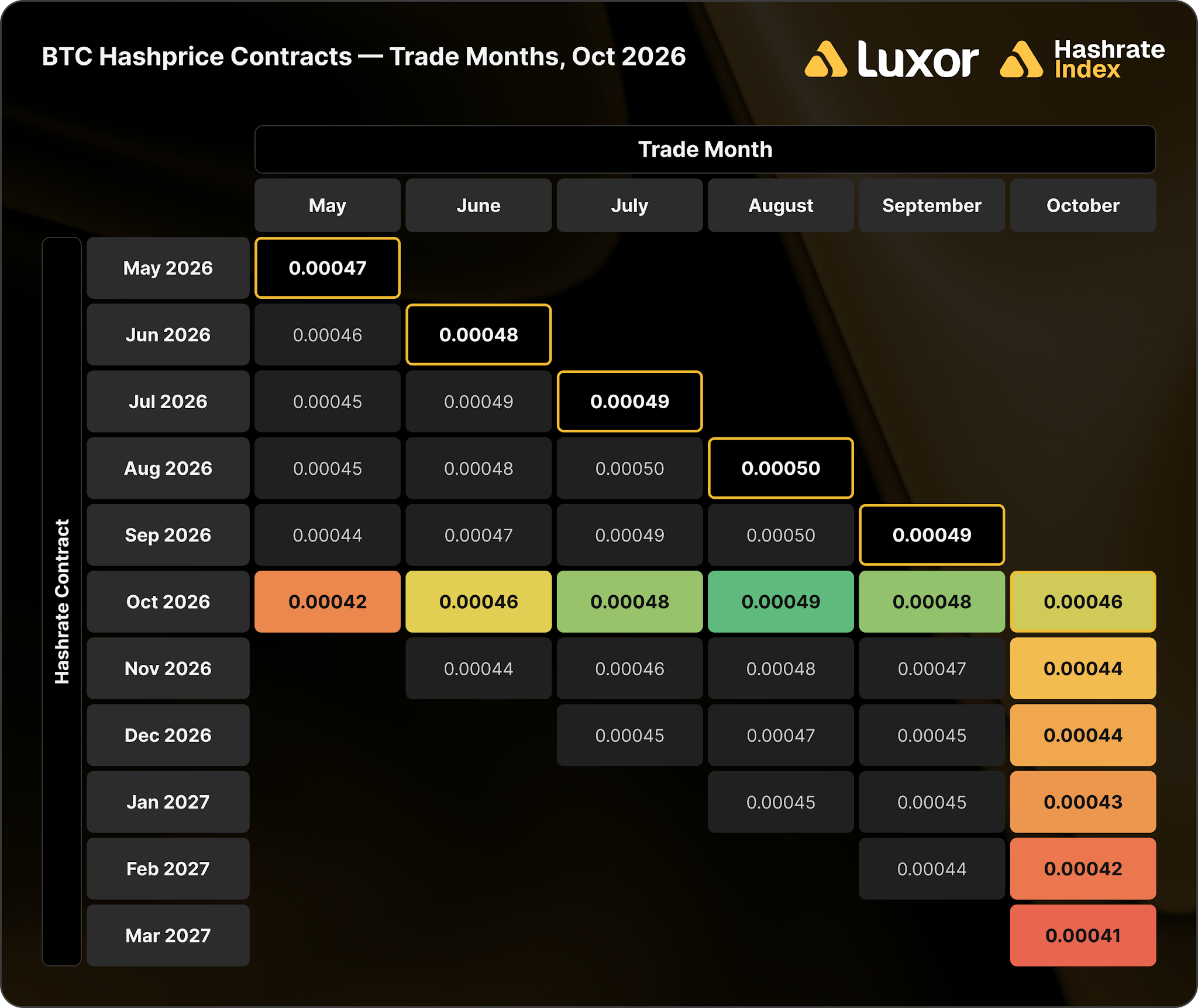
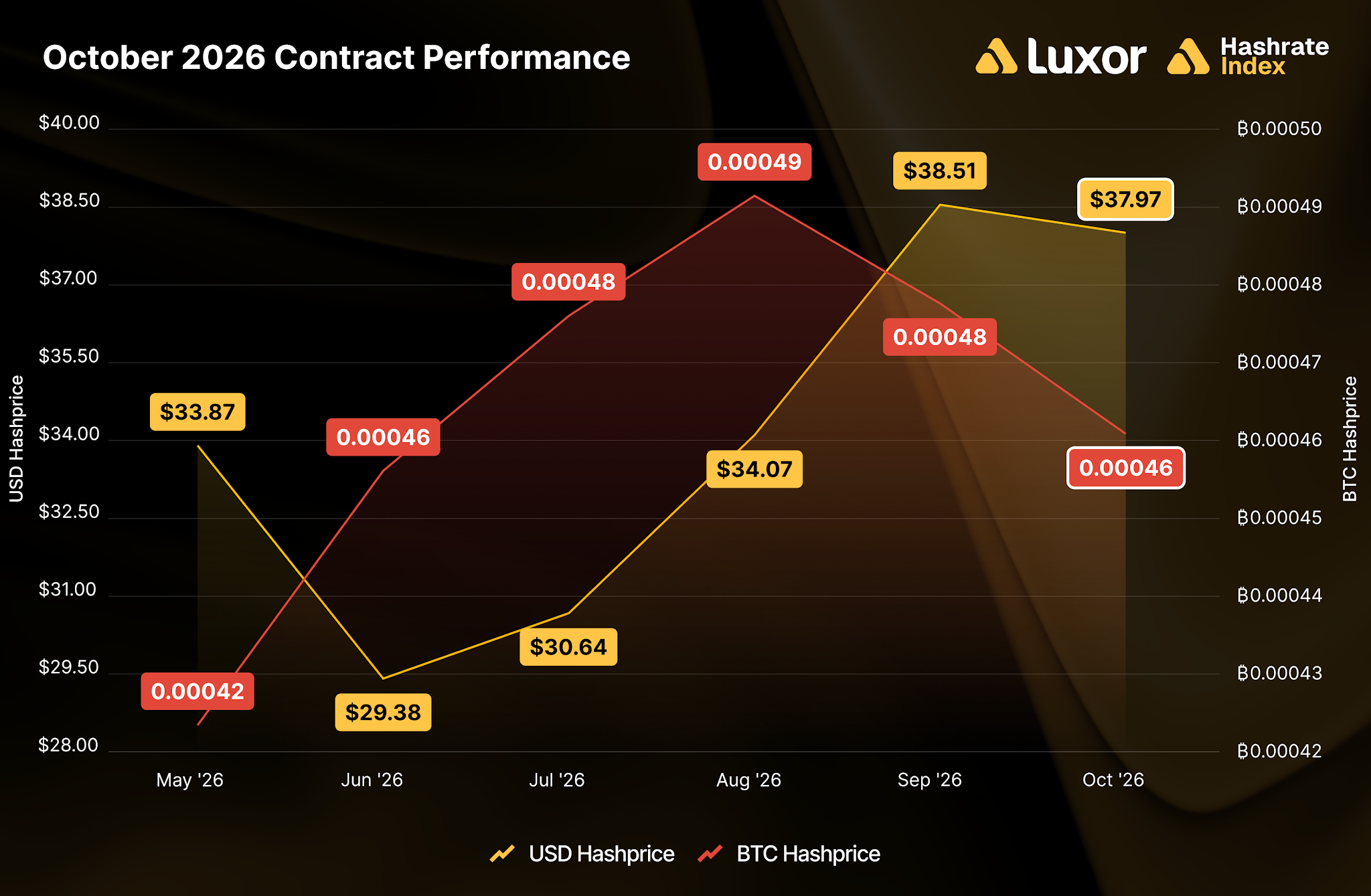
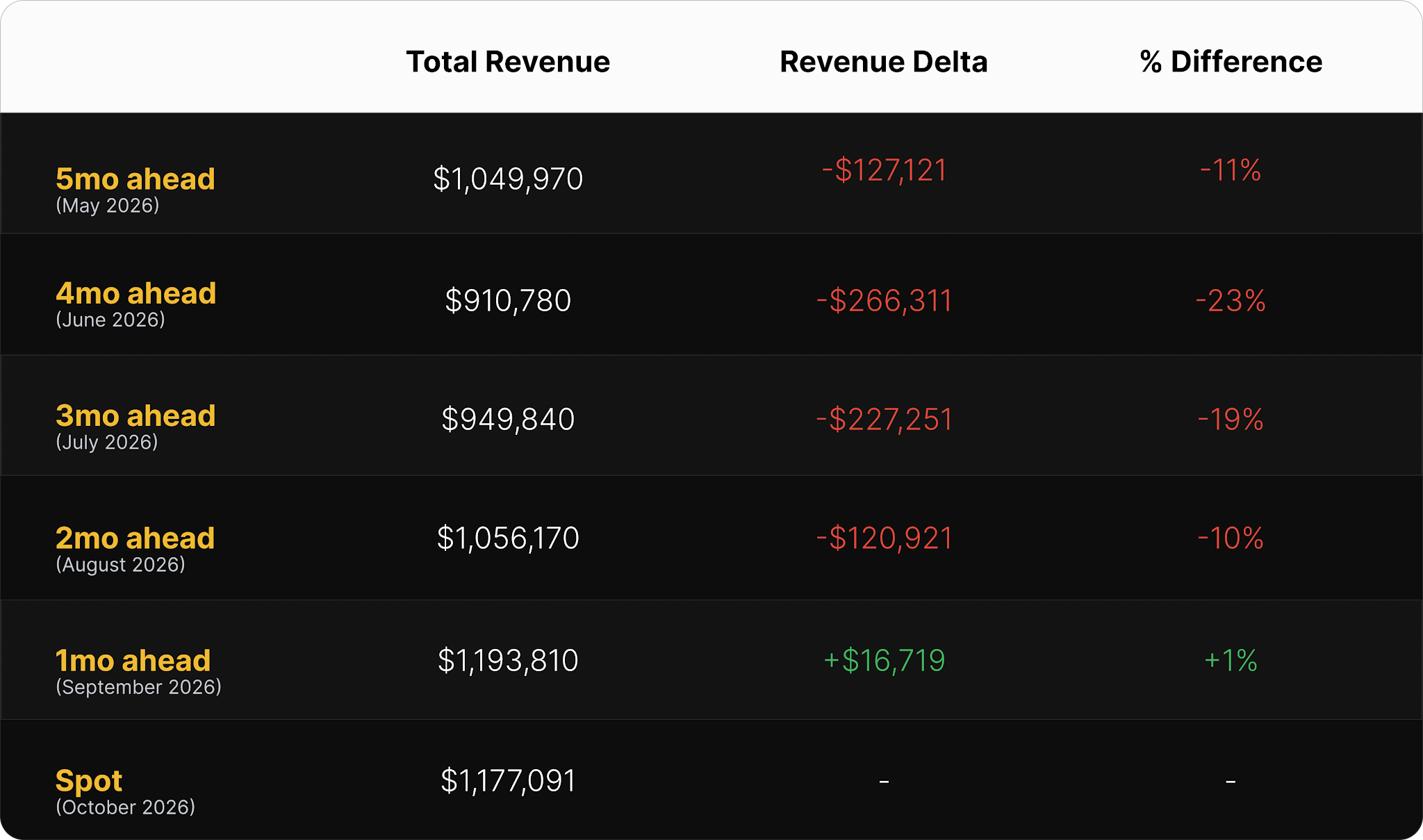
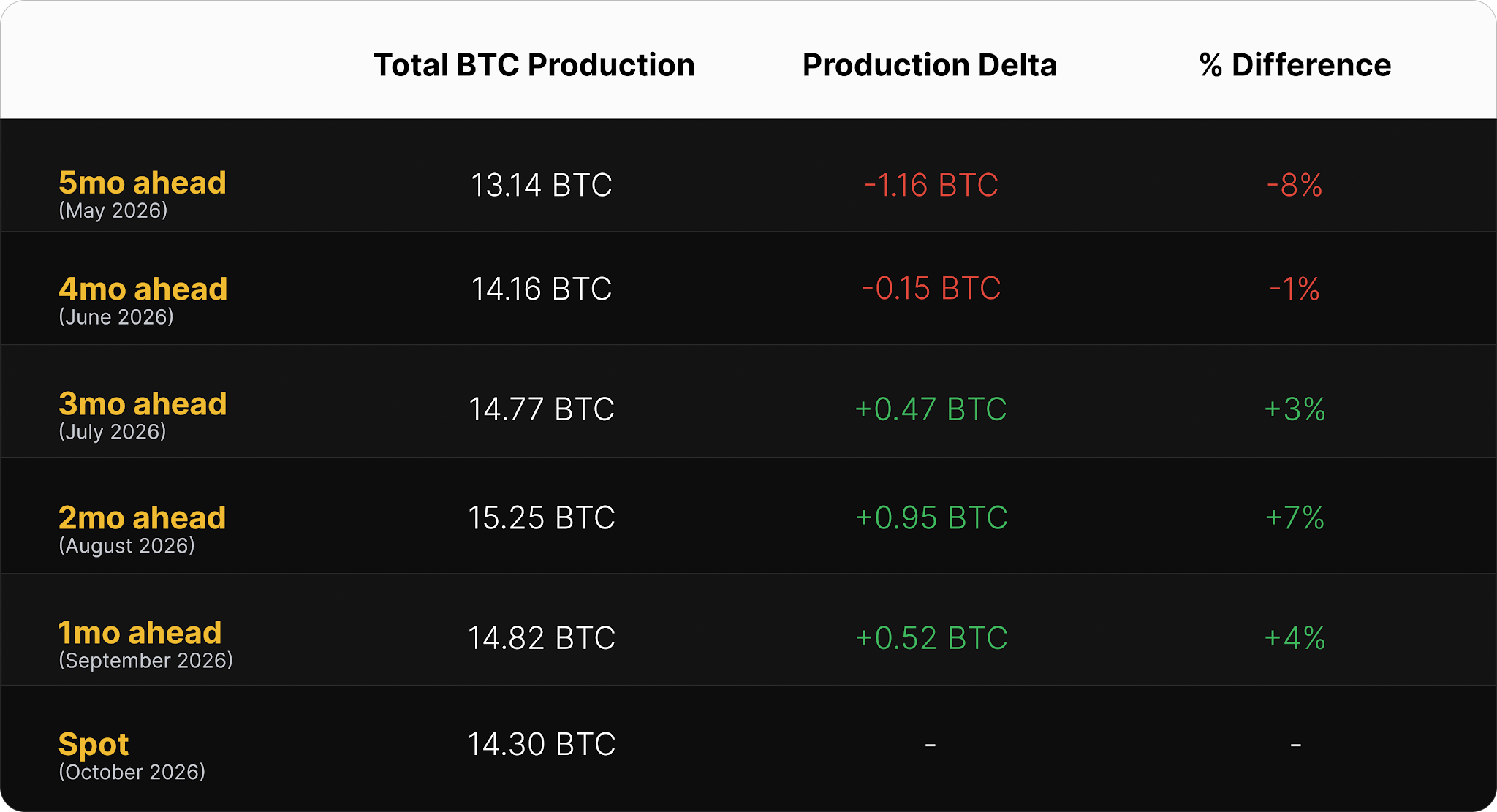
Historically, since the 2024 halving, rolling USD-denominated hashprice hedges have generally outperformed spot mining returns. However, October proved to be a mixed bag for hedgers. While some contracts locked in at favorable rates earlier in the year, the unexpected speed of the difficulty increase and the severity of the Bitcoin price correction meant that many hedges, particularly those struck five months prior, failed to capture the expected upside.

Future Outlook and Projections
Looking ahead to the first quarter of 2027, the forward market suggests a period of relative stagnation in terms of recovery. The forward curve for November 2026 through March 2027 indicates that the market does not anticipate a significant Bitcoin price recovery in the near term, with implied prices hovering between $77,200 and $78,000.
The consensus among market participants is that the network hashrate will likely plateau as the "low-hanging fruit" of returned capacity is exhausted. Without a significant catalyst—such as a major shift in global energy prices, a sudden change in monetary policy from the Federal Reserve, or a rally in Bitcoin’s price—the hashprice is expected to remain in the $32–$34 range.
For the mining sector, the lesson of October 2026 is clear: the focus has shifted from expansion at any cost to the optimization of energy inputs and the utilization of financial instruments to hedge against the inherent volatility of the Proof-of-Work ecosystem. As the network continues to scale toward the 1.1 EH/s mark, the survival of mining firms will depend on their ability to operate at the extreme margins of efficiency, ensuring they can withstand the inevitable cycles of difficulty adjustments that define the Bitcoin network.
The industry remains in a "wait-and-see" mode, with the next significant data point being the mid-November difficulty adjustment. Should the network continue to add hashrate despite the low hashprice environment, it would signal that mining firms are either operating at exceptionally low electricity costs or are betting on a future price appreciation that justifies short-term operational losses. In either scenario, the maturity of the Bitcoin mining industry is being tested by the current market conditions, proving that only the most resilient and well-capitalized participants will thrive in the next epoch of network competition.