The global artificial intelligence sector reached a significant financial milestone on November 17, 2026, as Luxor, Architect, and Hyperbolic finalized the first-ever over-the-counter (OTC) option trade centered on GPU rental rates. This landmark transaction involves a one-year put option designed to hedge approximately $5 million in future rental revenue generated by Hyperbolic’s high-performance NVIDIA B200 GPU fleet. As AI compute increasingly shifts from a bespoke, opaque service into a standardized global commodity, this financial instrument signals a maturing market where operators can finally manage the volatile price risks that have previously plagued the industry.
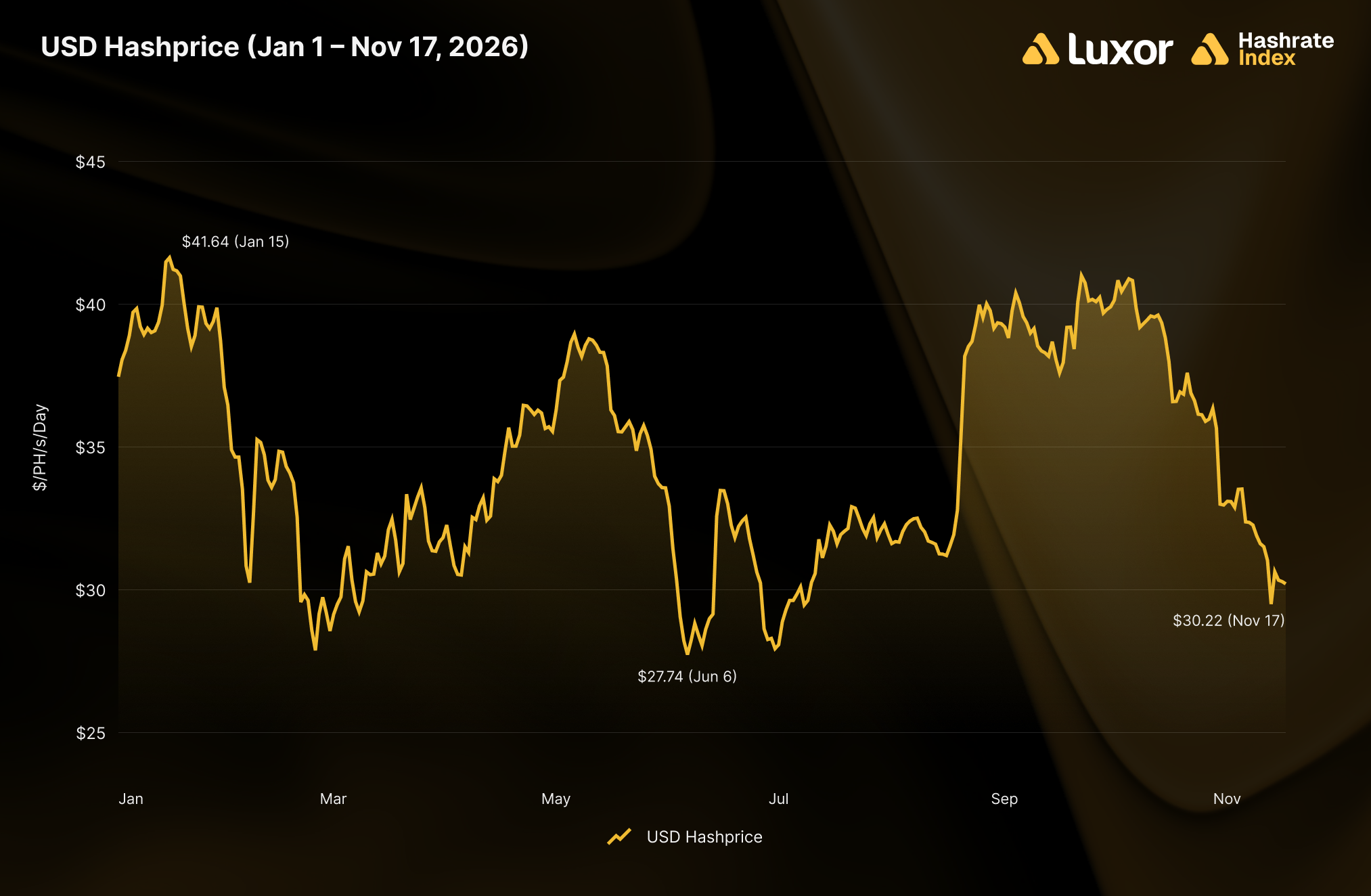
The transaction is structured as a cash-settled, non-deliverable financial instrument. This means that no physical hardware changes hands, and the contract functions purely as a hedging mechanism, triggering payouts only when the underlying market index falls below a pre-determined strike price. The move mirrors the long-standing practices of the Bitcoin mining industry, which has utilized similar derivatives linked to "hashprice"—the daily revenue potential of computational power—to stabilize operations against the unpredictable fluctuations of the cryptocurrency markets.
The Mechanics of the Trade and Market Participants
Three distinct entities collaborated to bring this deal to fruition, representing a cross-section of the emerging compute-finance ecosystem. Hyperbolic, a leading AI infrastructure platform that facilitates the rental of GPU capacity for developers and researchers, acted as the hedger. Architect, a financial technology firm, provided the structural design for the hedge through its affiliate, a CFTC-registered introducing broker. Luxor, known for its extensive footprint in digital asset and compute markets, served as the swap counterparty, responsible for pricing the risk and executing the final option contract.
The option is pegged to the Silicon Data B200 Rental Price Index (SDB200RT), a daily benchmark that tracks the quotes offered by various neocloud providers for NVIDIA B200 hardware. By linking the contract to this index, the parties created a transparent, objective standard that reflects the real-time cost of compute in dollars per GPU-hour. The settlement schedule and the start date were meticulously tailored to align with Hyperbolic’s internal financial exposure, demonstrating the flexibility of bilateral OTC agreements compared to the rigid nature of traditional exchange-traded futures.
Jasper Zhang, co-founder and CEO of Hyperbolic, emphasized the strategic necessity of the move. "With Architect and Luxor, we turned a year of B200 rental revenue into something we can plan around, and that’s what lets compute be run like the commodity it is becoming," Zhang stated.
Market Context: A Surge in Compute Demand
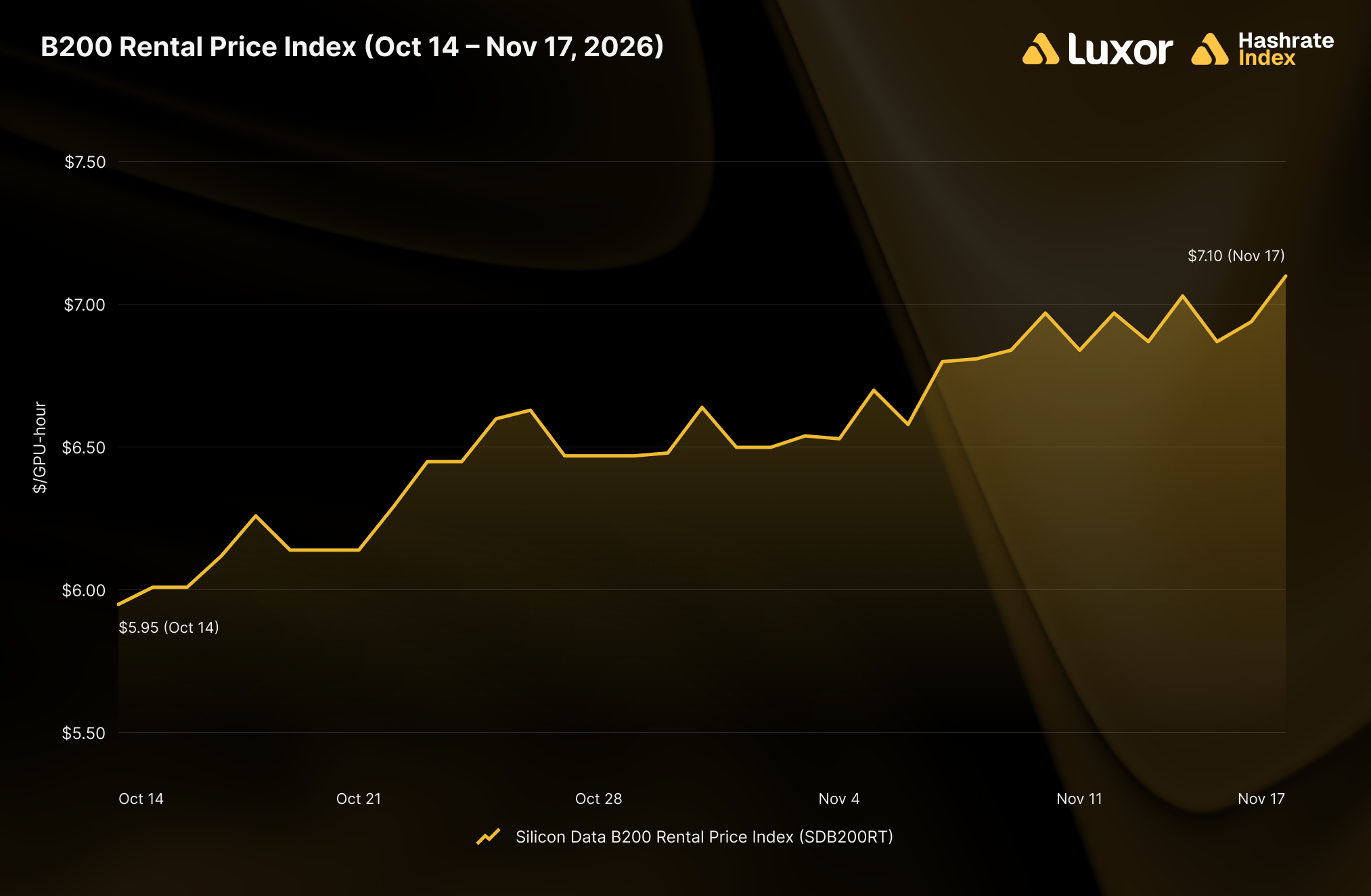
The timing of this trade is not coincidental. Throughout 2026, the cost of renting high-end AI compute has experienced intense volatility, largely driven by the insatiable demand for generative AI and large-scale model training. The SDB200RT index began the year at $4.40 per GPU-hour, a figure that has climbed steadily as the availability of top-tier silicon failed to keep pace with the deployment of advanced AI models.
By November 17, the index had reached $7.10 per GPU-hour, representing a 61% increase since the beginning of the year. The last five weeks alone saw a 19% surge in pricing, a trend that highlights why operators like Hyperbolic are seeking downside protection. While the current market is characterized by rising prices, the inherent risk of a sudden market correction—or a massive supply influx—could erode the revenue of GPU-reliant businesses. The put option acts as a floor, ensuring that even if rental rates plummet, the operator maintains a guaranteed level of income for their capacity.
Theoretical Payoff and Hedging Strategy
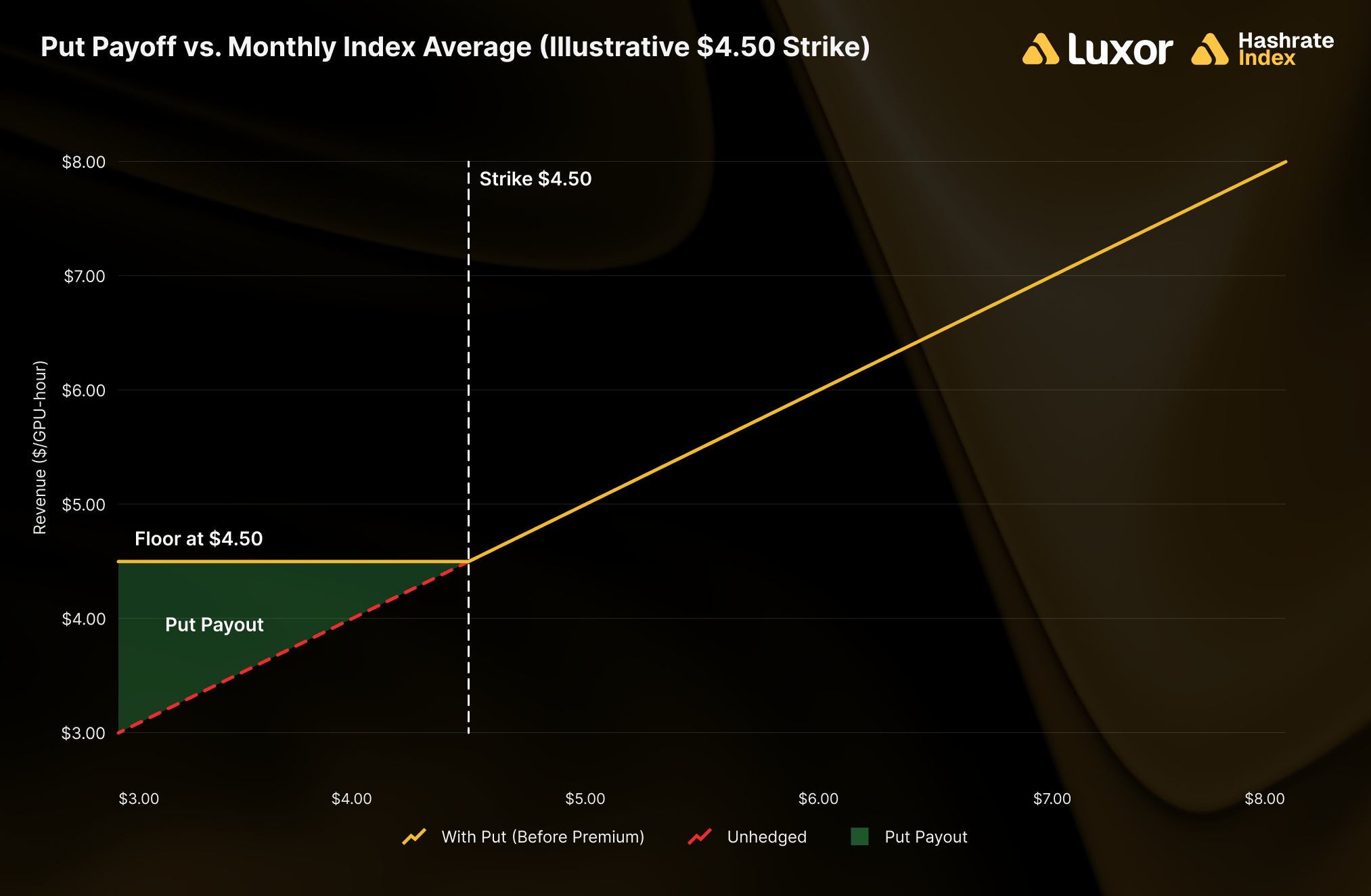
To understand the financial implications, one must look at the payoff structure of a put option. The contract defines a specific strike price, representing a floor for earnings per GPU-hour. In any given settlement period, if the market index averages a price below that strike, the seller of the option compensates the buyer for the difference. Conversely, if the market index stays above the strike, the option expires worthless, and the operator captures the full, higher market price.
For example, assuming a hypothetical strike price of $4.50, if the index were to average $3.00 for a month, the put option would provide a payout of $1.50 per GPU-hour. Over a 30-day month, this translates to $1,080 of additional revenue per GPU, effectively "topping up" the lower market earnings to the agreed-upon $4.50 floor. This protection is purchased via a premium, which is a fixed cost paid upfront by the buyer, regardless of whether the index eventually hits the strike.
This structure is distinct from a "forward" contract, which would fix the price at a set rate in both directions—meaning the operator would lose out on potential upside if prices continued to climb. For an operator like Hyperbolic, who remains bullish on the long-term demand for B200s, the put option provides an optimal balance: they pay a premium to protect their downside while retaining the ability to profit from potential future price increases.
Historical Parallels: Lessons from Bitcoin Mining
The adoption of this model is heavily informed by the evolution of the Bitcoin mining sector. Luxor’s involvement in this trade is a natural extension of its work in the hashrate derivatives market. Since 2022, Luxor has facilitated over $500 million in notional trade value for more than 130 institutional counterparties in the Bitcoin space.
Bitcoin miners face a similar challenge: they invest massive amounts of capital into hardware upfront, only to be exposed to the volatile daily revenue of mining (hashprice) once the equipment is operational. Just as hashrate futures and forwards allowed miners to stabilize their margins, GPU operators are now using similar derivatives to create a more predictable capital expenditure and revenue cycle.
However, unlike the mature Bitcoin derivatives market, compute derivatives are still in their infancy. While the CME Group is currently working on listing compute futures based on Silicon Data’s indexes, the regulatory review process—currently extended through January 8, 2027—has delayed the arrival of exchange-traded products. For now, the bilateral, bespoke nature of the Hyperbolic-Luxor deal is the only viable path for firms that require hedges tailored to their specific hardware fleet and operational timeline.
Future Implications and Institutional Risk
As the market for AI compute derivatives grows, it will require participants on both sides of the trade. While GPU owners like Hyperbolic seek to hedge against declining rental rates, large AI labs and inference platforms are beginning to express interest in the "flip side" of the coin: buying call options or entering into forward contracts to cap their own compute costs.
"Every company building on GPUs is exposed to the price of compute, and until now there has been no practical way to manage that risk," noted Brett Harrison, founder and CEO of Architect.
Despite the promise of this development, experts caution that the market is not without risks. The hedge covers the index price, not the specific rental prices the operator might charge, creating "basis risk"—the potential for a discrepancy between the index and the operator’s actual revenue. Furthermore, these trades introduce counterparty credit risk and limit the operator’s ability to exit the hedge early. Additionally, any changes to how the rental indices are calculated could alter the effectiveness of the hedge over time.
Nevertheless, the successful execution of this trade marks a turning point. It demonstrates that the AI infrastructure industry is moving away from a speculative "gold rush" phase toward a sophisticated, financially integrated market. By treating compute as a financial asset rather than just hardware, the industry is paving the way for more stable investment, more efficient capital allocation, and a more resilient foundation for the global AI ecosystem. As more firms enter the fray, these derivative instruments are likely to become standard components of any major AI infrastructure firm’s balance sheet.