October 2026 marked a pivotal shift in the Bitcoin mining landscape, characterized by a substantial contraction in hashprice and the most significant network difficulty growth observed in over two years. As the industry grapples with the fallout of declining spot prices and rising computational competition, market participants have been forced to recalibrate their financial strategies. This report examines the fundamental drivers behind the October downturn, the performance of hashrate derivatives, and the implications for miners as the industry heads into the final quarter of the year.

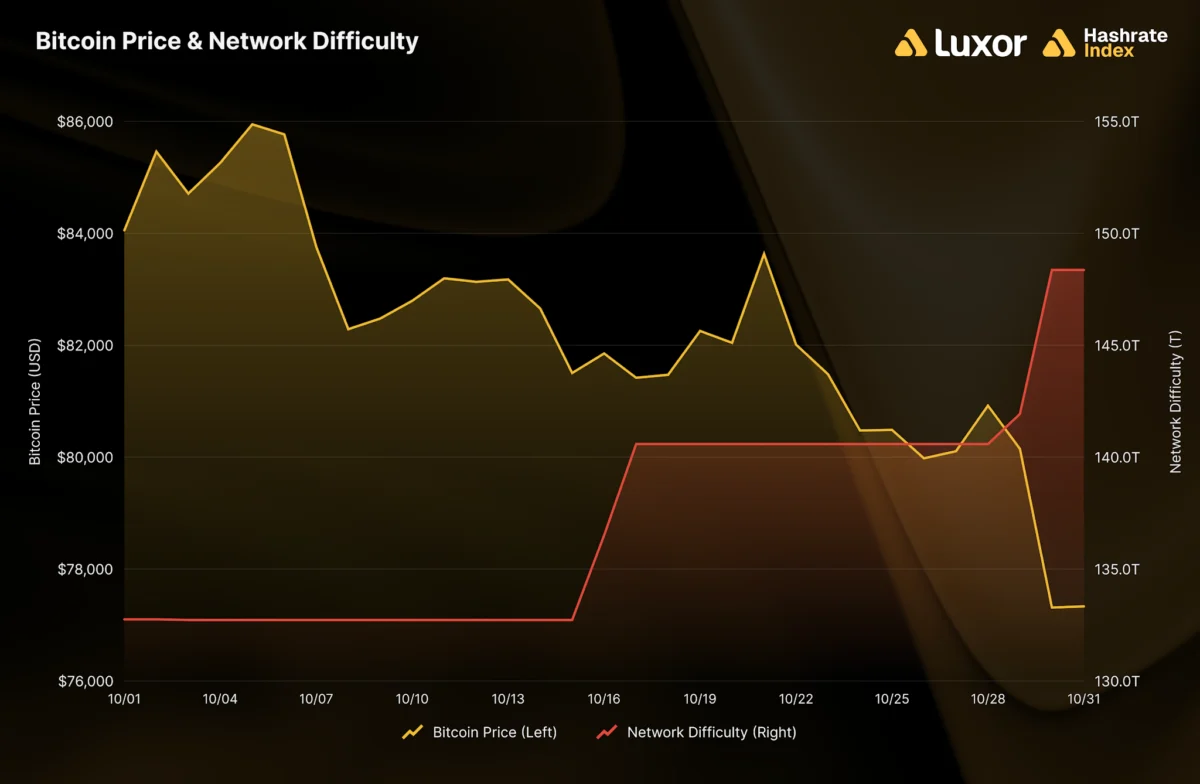
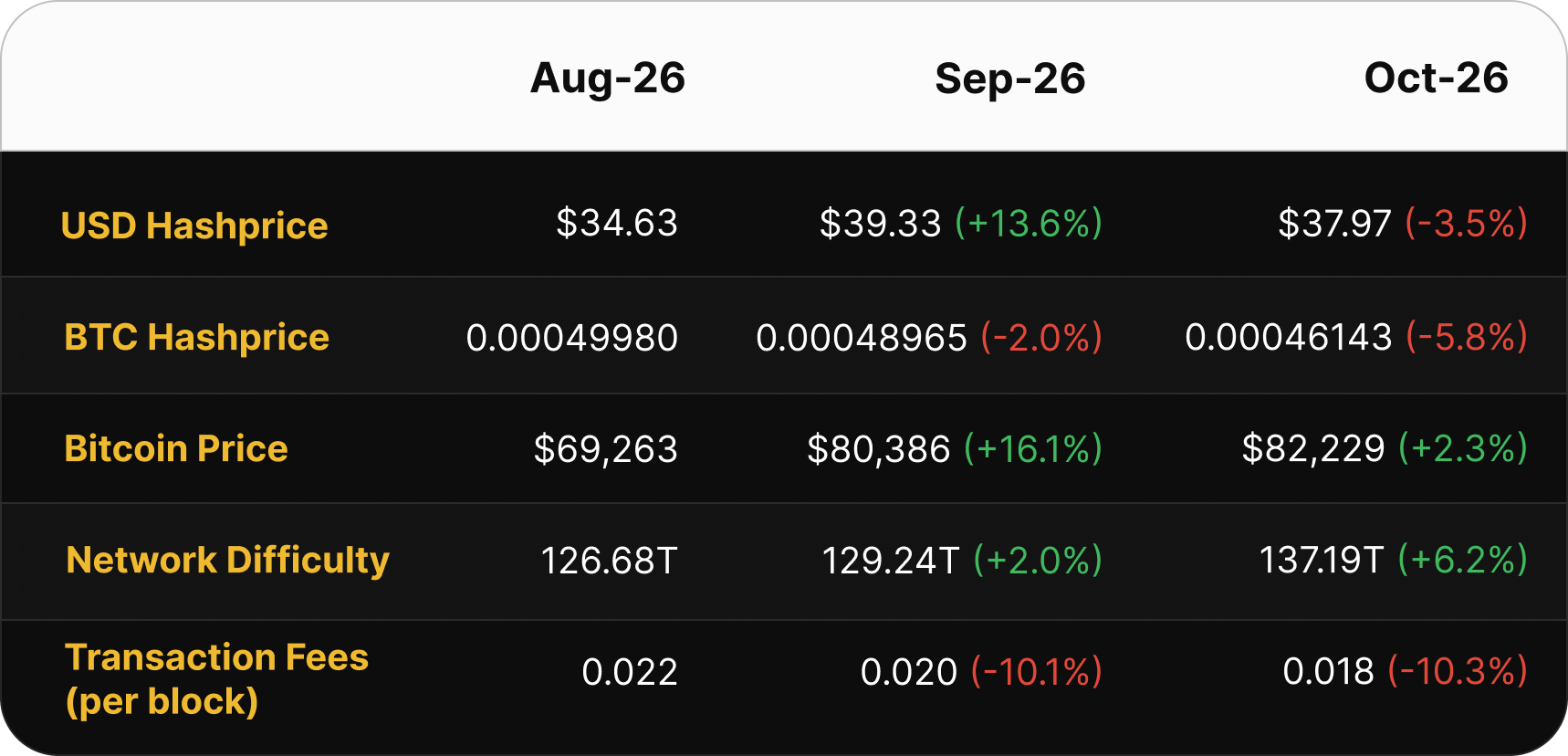
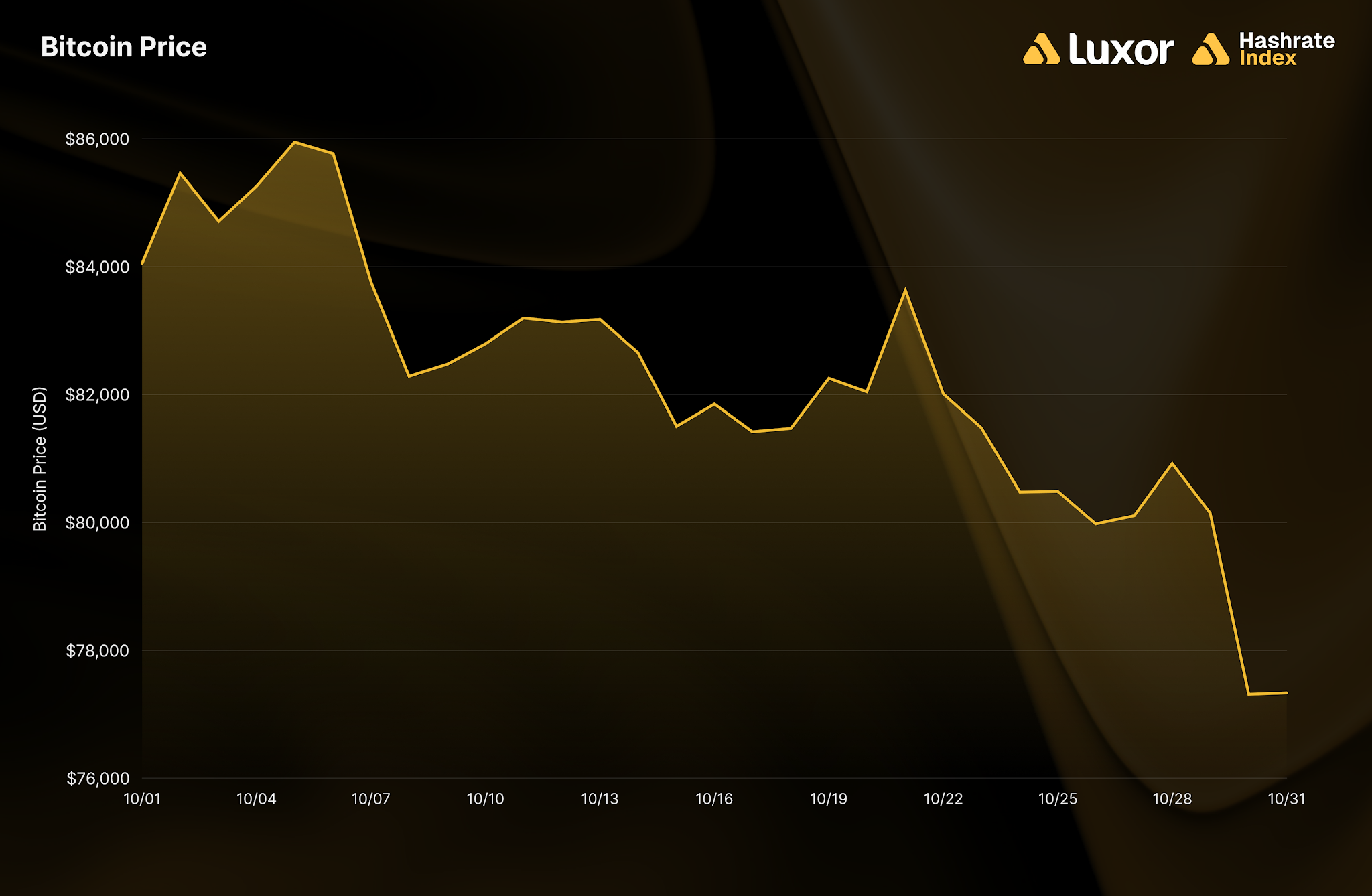
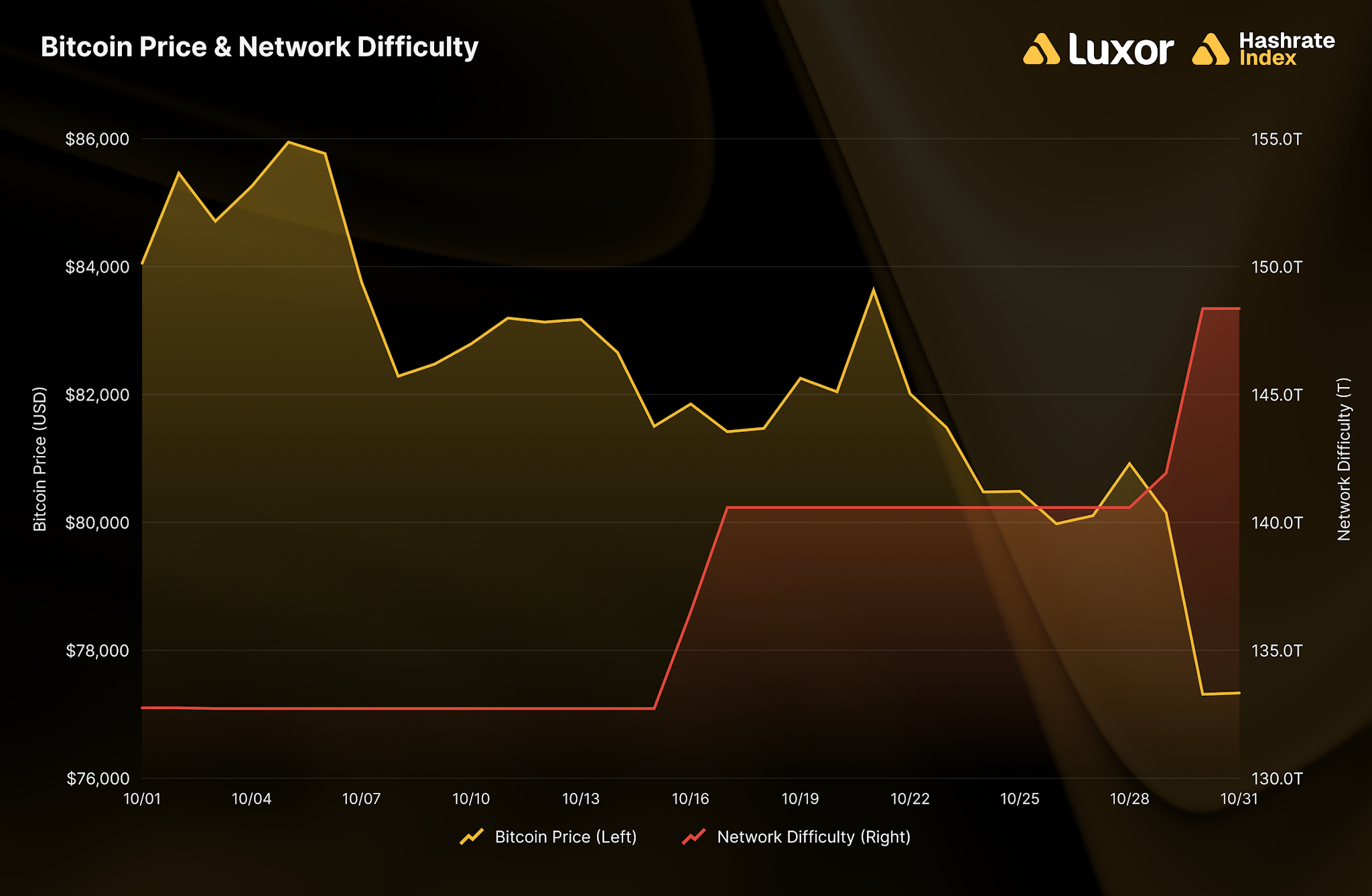
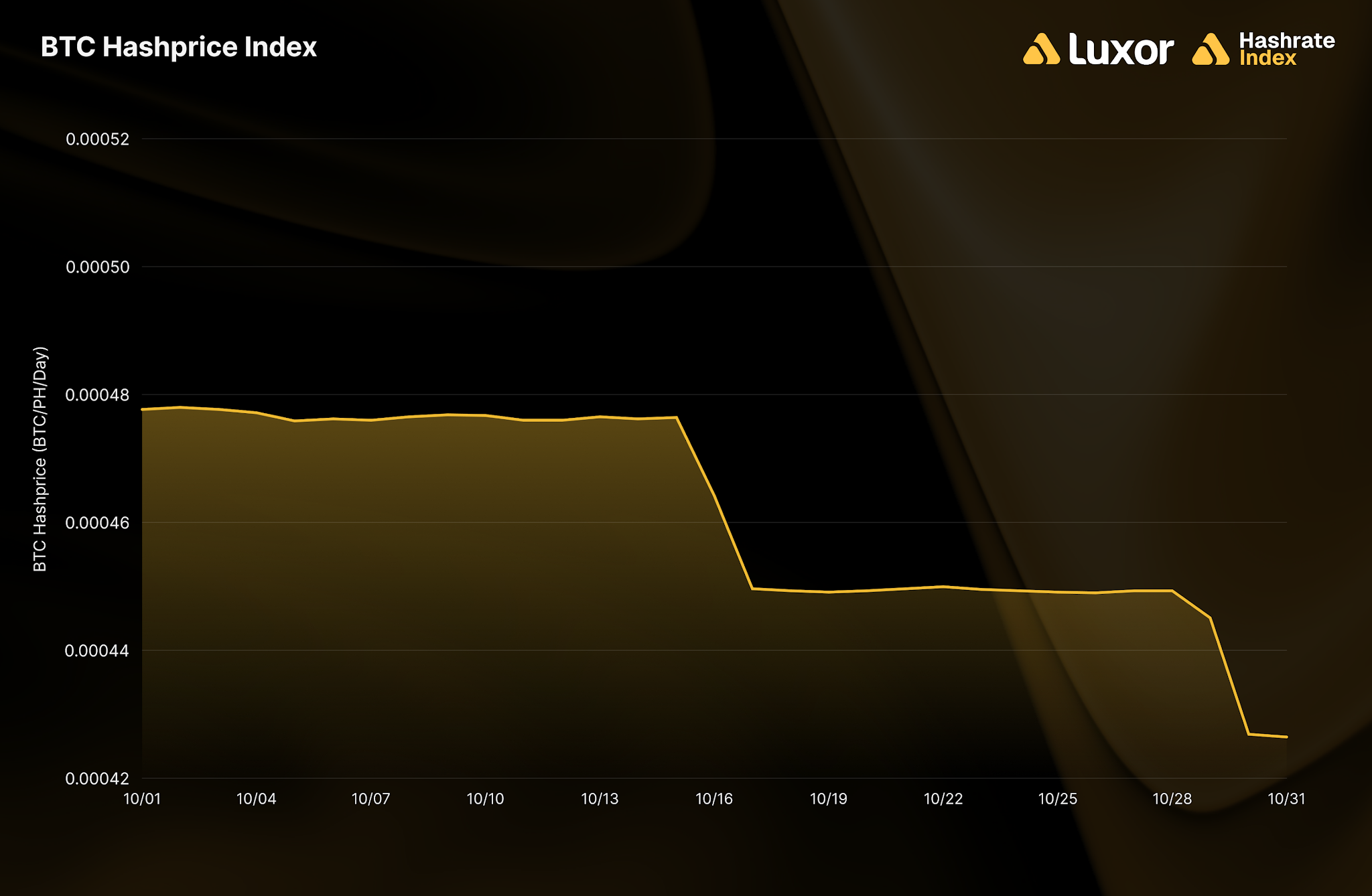
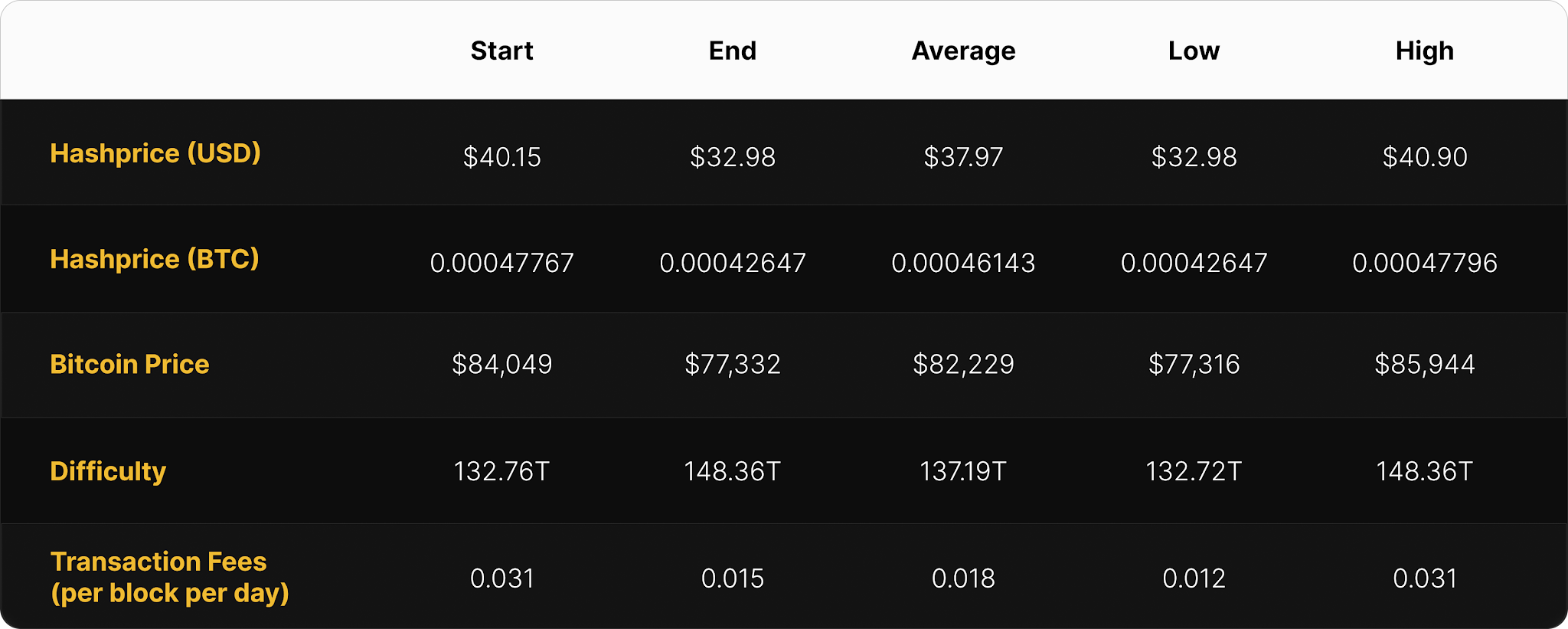
The month began with cautious optimism following a relatively stable September, but the narrative quickly shifted as Bitcoin’s price retreated and network difficulty experienced a sharp, two-step upward adjustment. Bitcoin’s price fell 8.0% from its monthly open to its close, while network difficulty climbed by 11.76% across two major retargets. This combination resulted in a sharp drop in hashprice—the revenue potential per unit of computing power—which declined by $7.17 to close at $32.98 per PH/s/day. This represents the most significant month-to-month dollar decline since February 2025, signaling a tightening of margins for operators globally.
The Macro Backdrop: Difficulty and Price Convergence
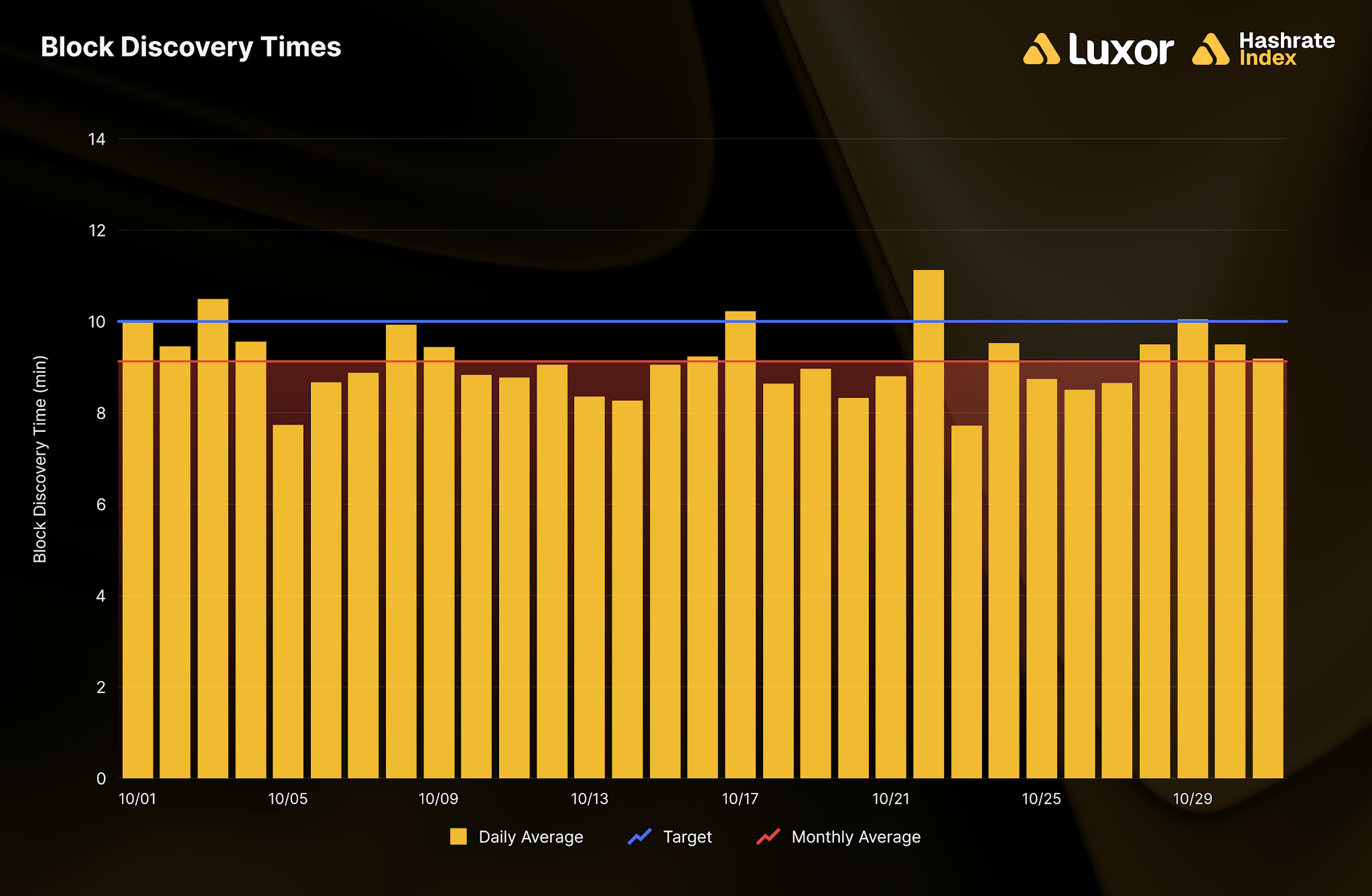
The primary catalyst for the October market volatility was the aggressive climb in network difficulty. The network experienced three distinct adjustments: a negligible decline of 0.03% on October 3, followed by significant hikes of 5.92% on October 16 and 5.54% on October 29. The cumulative 11.76% increase represents the largest monthly growth since February 2024.
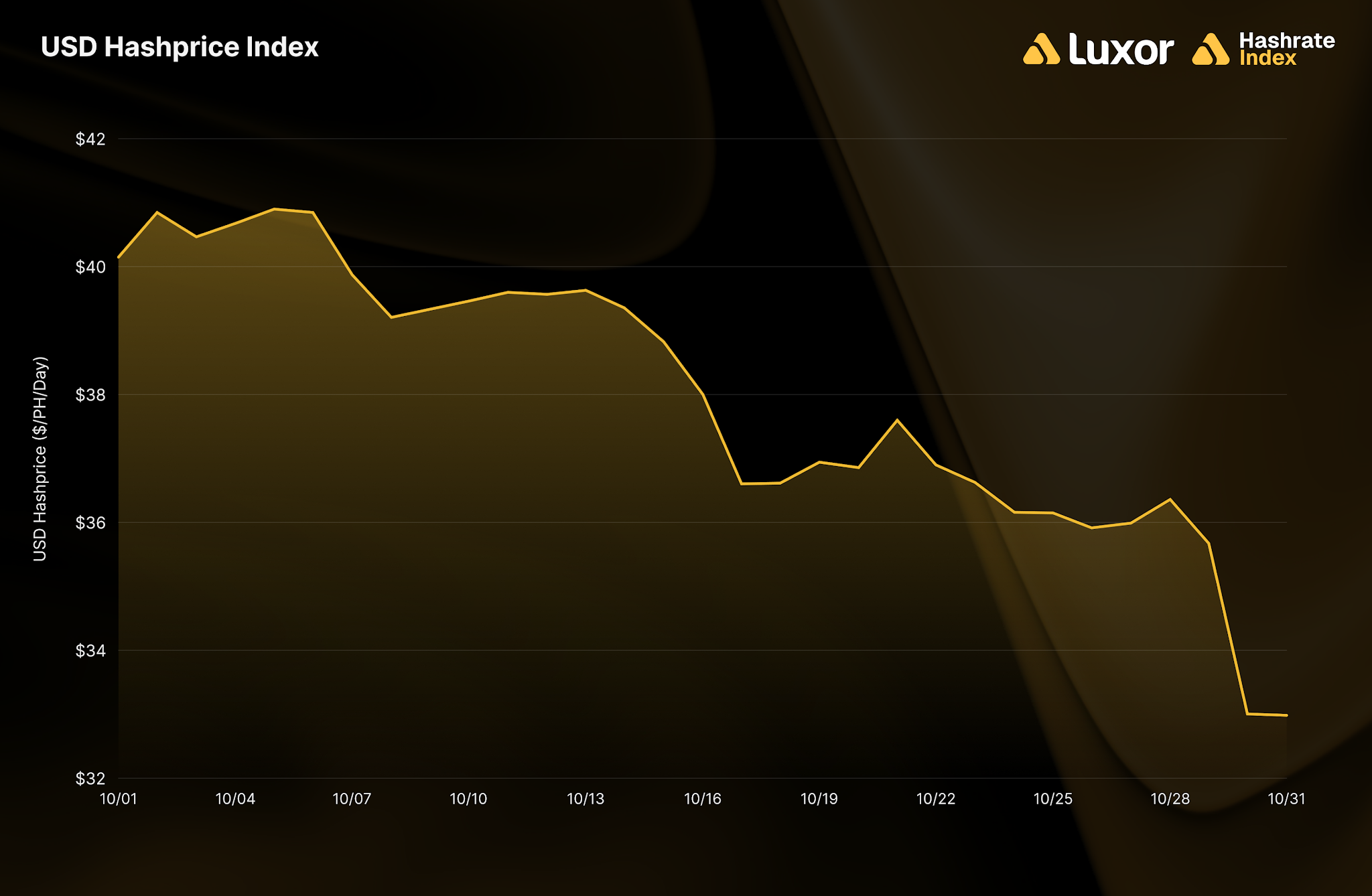
For the average miner, this uptick in difficulty functions as a direct reduction in revenue share. Because block rewards are fixed, a 11.76% increase in difficulty essentially dilutes the revenue per petahash by approximately 10.5%, independent of the price of Bitcoin. When coupled with an 8.0% decline in the asset price, the cumulative pressure on operational profitability became acute. By month’s end, the network hash rate had surpassed 1 EH/s, a threshold not sustained since the summer, reflecting an influx of hardware as miners brought capacity back online, likely in anticipation of energy cost stability that did not fully materialize for all tiers.
Energy Costs and Operational Efficiency
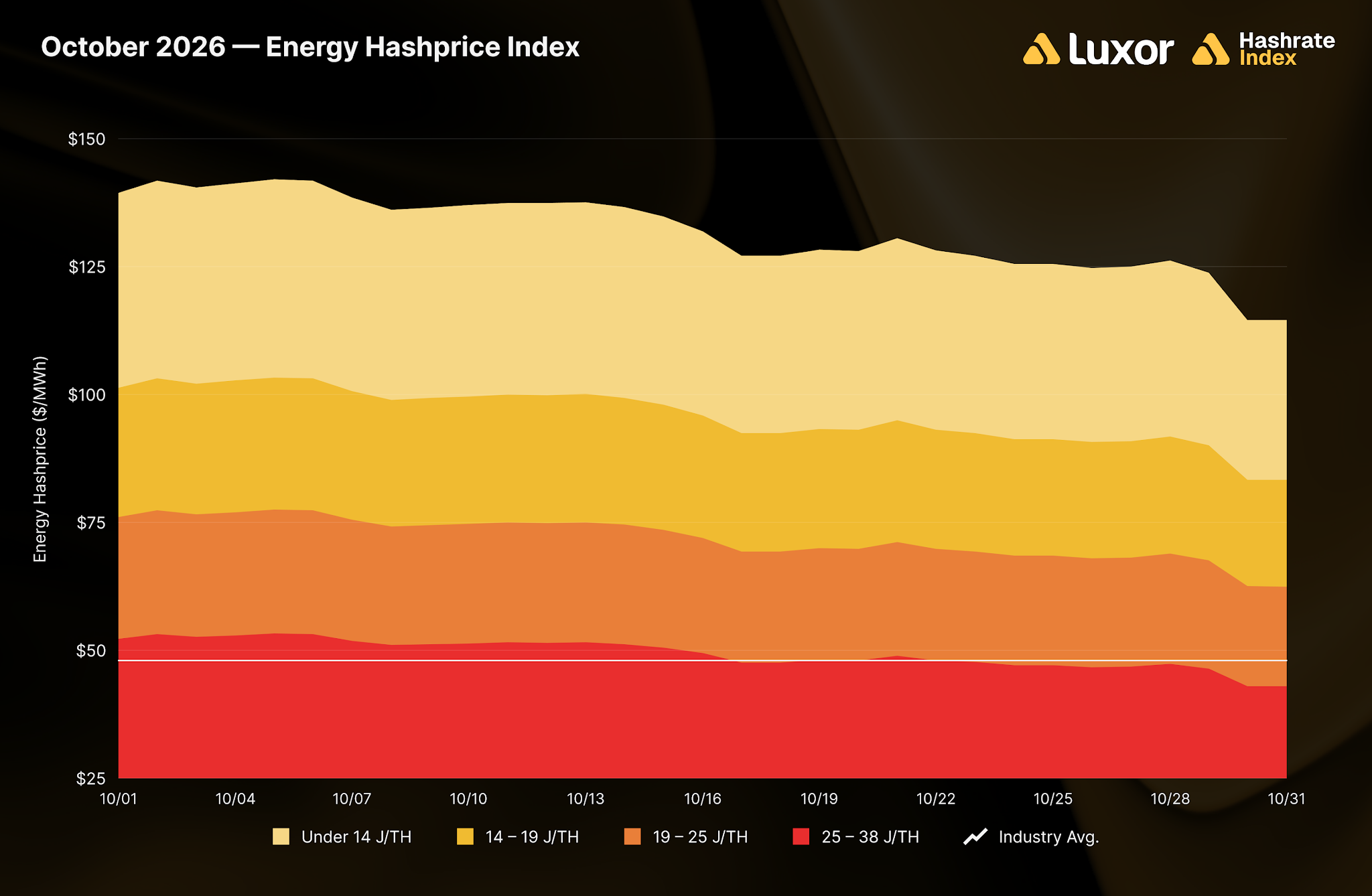
The economic viability of mining operations in October was heavily dictated by efficiency tiers. With the average industrial power cost for Bitcoin mining hovering around $48/MWh, the most efficient fleets—those operating between 25 and 38 J/TH—faced narrowing margins. While these operators averaged $49/MWh during the month, they ended the period at $43/MWh, putting them in a precarious position during the final nine days of October.
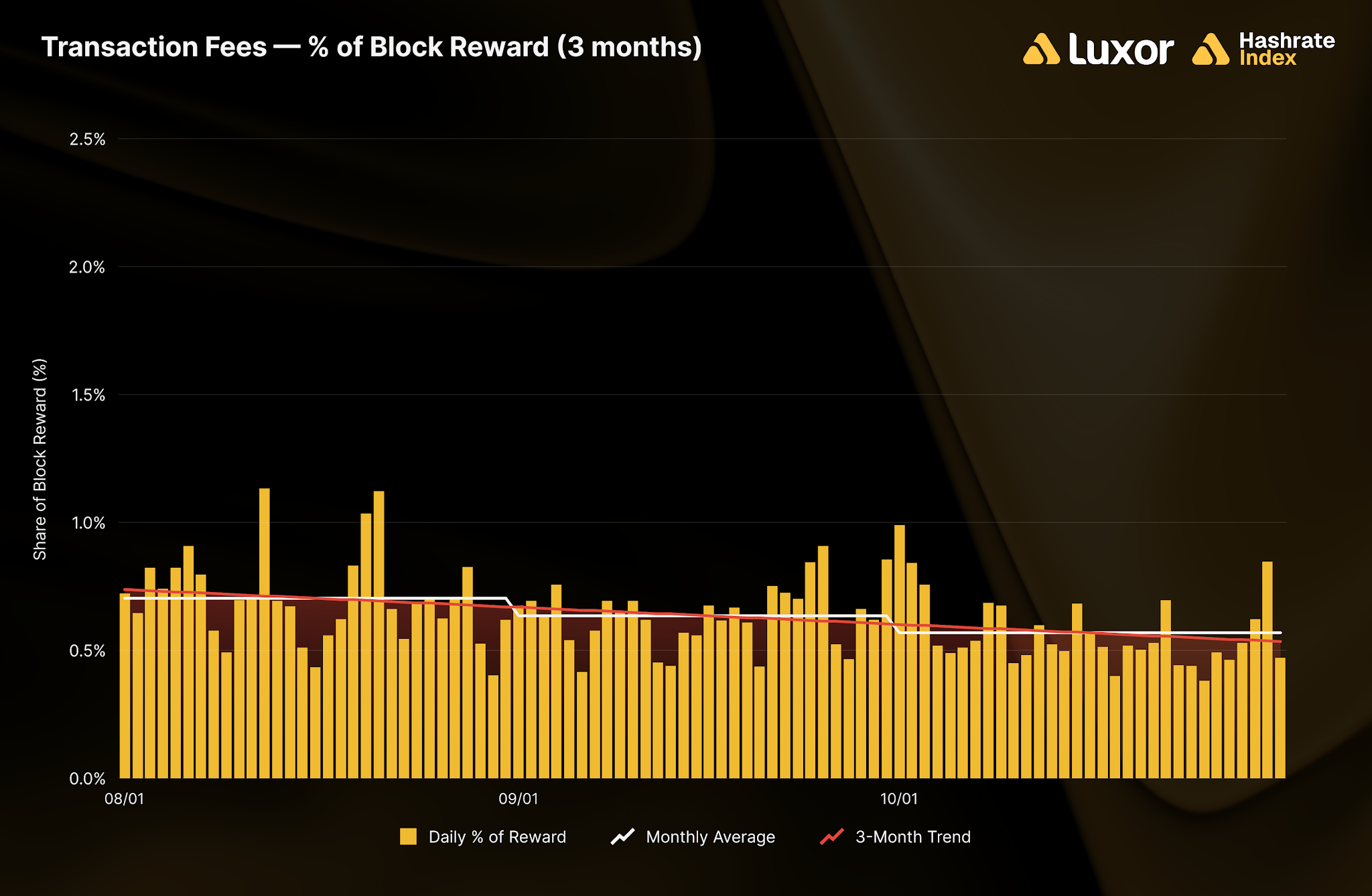
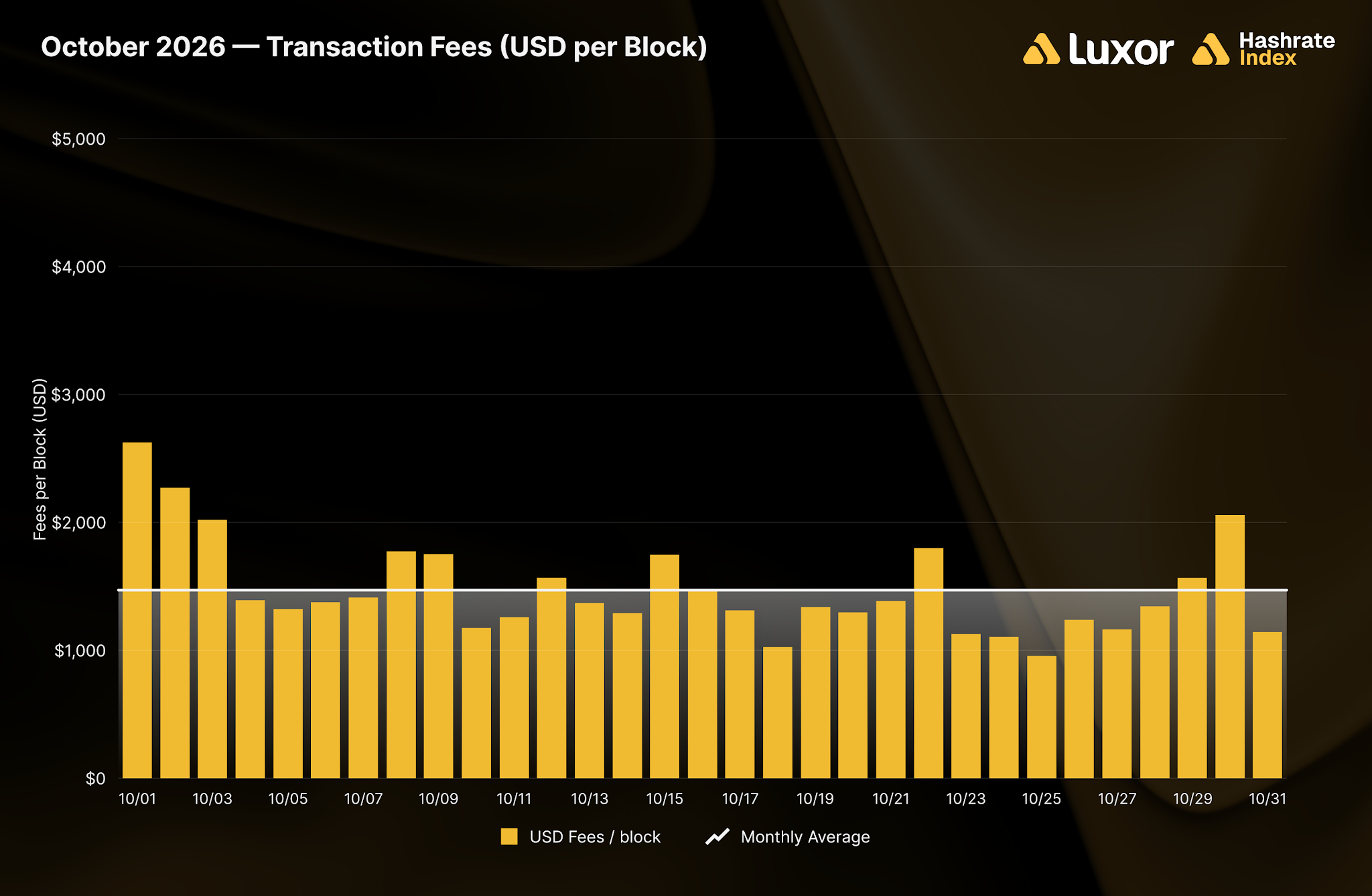
The situation was further complicated by power market dynamics. While ERCOT’s 4CP (Four Coincident Peaks) season concluded on September 30, removing the incentive for massive, sustained curtailment, the reality for miners was that power prices remained volatile. The LZ_WEST hub experienced a monthly average of $43/MWh, the highest since January, punctuated by a dramatic price spike to $104/MWh on October 31. For miners, this meant that the end of seasonal curtailment did not lead to the immediate "easy" profitability that some had projected; instead, it traded one set of constraints (peak demand charges) for another (spot price volatility).
Market Activity and Derivative Performance
The Luxor Non-Deliverable Hashrate Forward (NDF) market provided a unique lens into how institutional players viewed the October volatility. Historically, these derivatives act as a hedge against the very volatility seen last month. However, the performance of these contracts in October served as a reminder of the inherent risks in forward-looking market positioning.
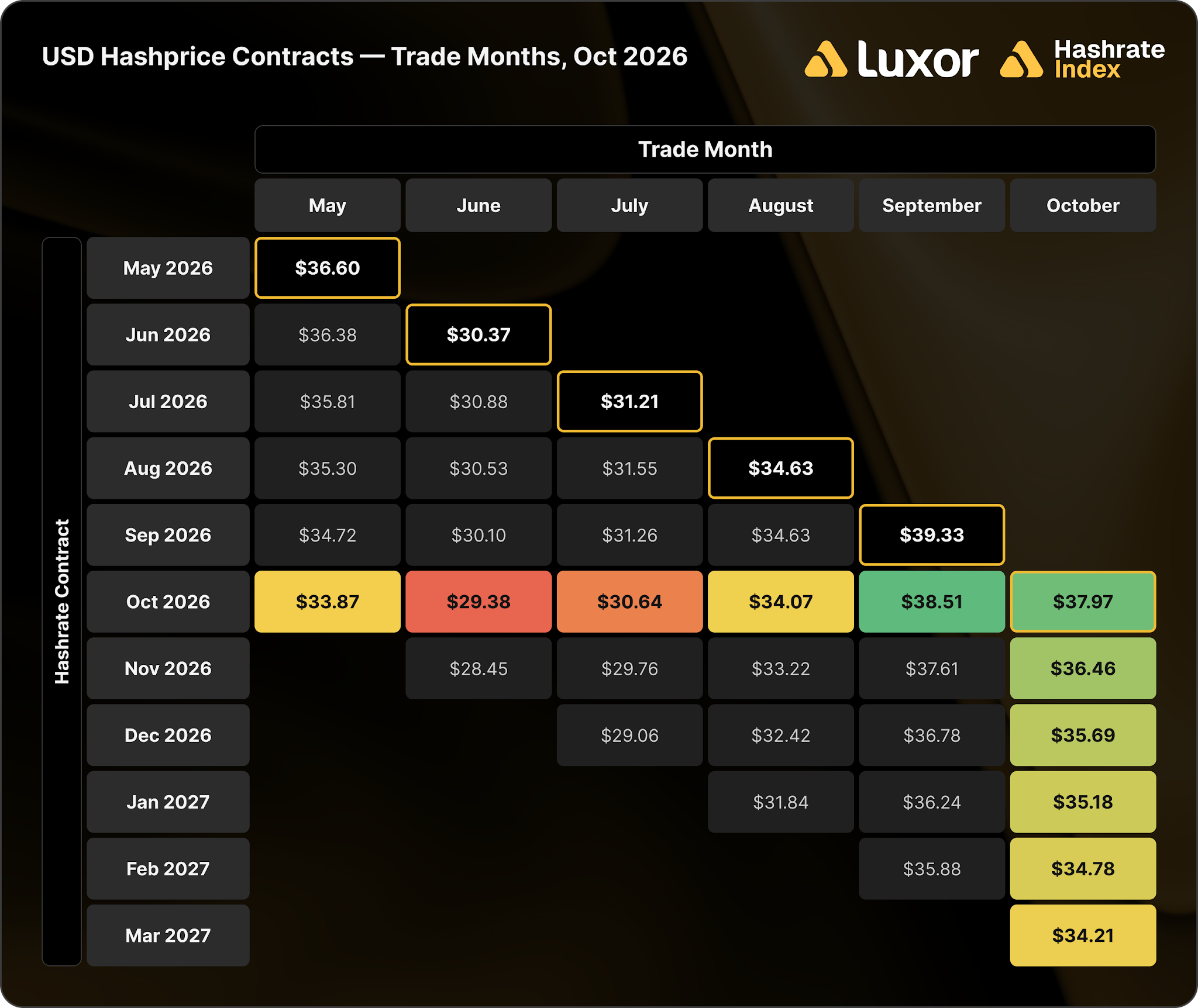
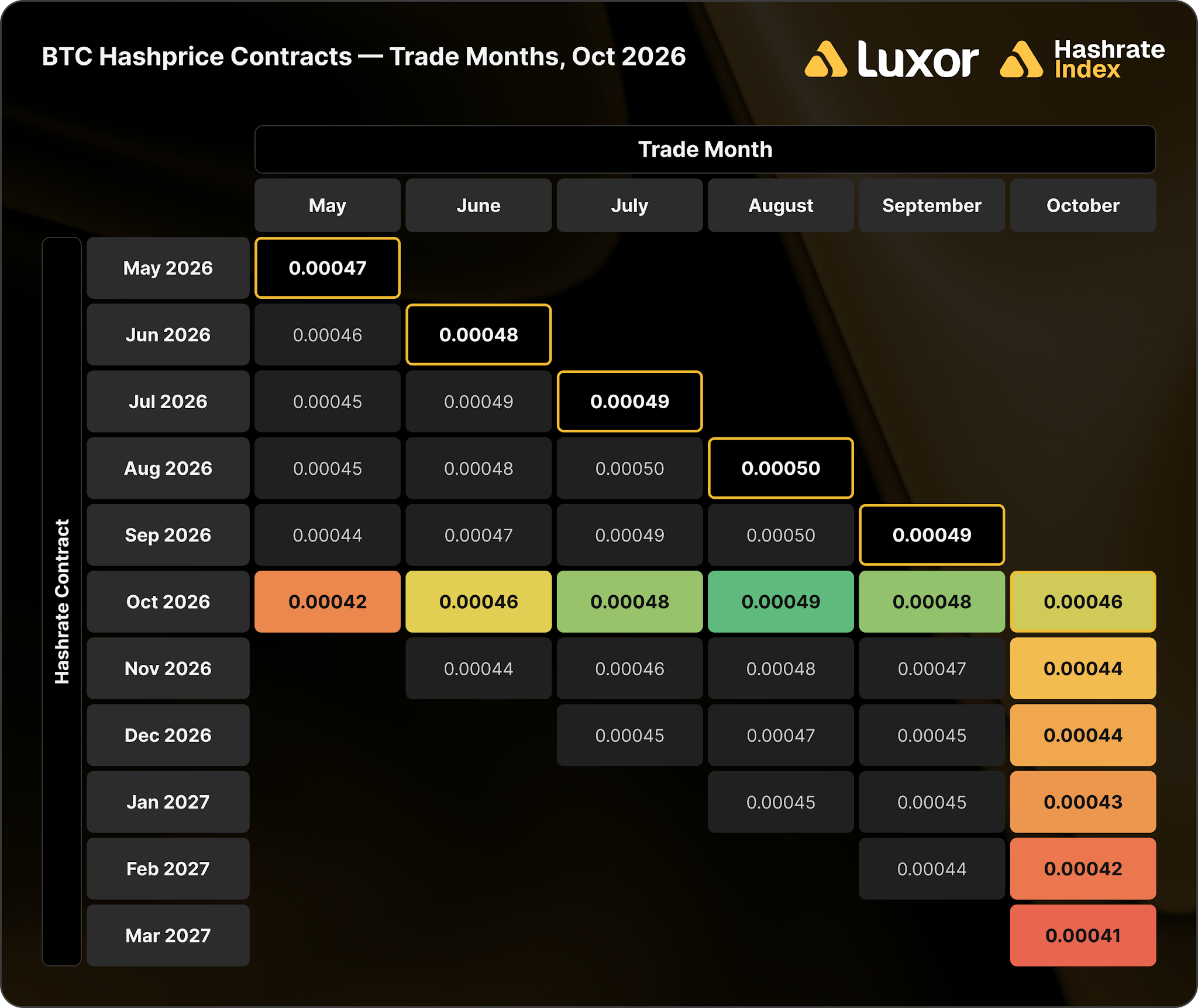
In the USD-denominated hashrate forward market, most sellers of the October contract realized losses compared to the spot market settlement of $37.97. Out of five major sales, four resulted in a negative hedge performance. For instance, the five-month sale executed in May missed the spot price by 10.8%, equivalent to a $127,100 loss per 1 EH/s for the month.
Conversely, BTC-denominated hedges performed significantly better. Because these contracts are priced in Bitcoin, they are shielded from the volatility of the USD/BTC exchange rate, focusing instead on the difficulty-led revenue contraction. Sales executed two and three months prior to October outperformed the monthly settlement by 6.6% and 3.3%, respectively. This divergence highlights a growing trend: as Bitcoin’s price continues to show higher volatility than the network’s difficulty growth, miners are increasingly favoring BTC-denominated derivatives to lock in production yields rather than USD-denominated revenue hedges.
The Forward Curve: Market Expectations for Q4
Looking ahead to the next five months, the forward curve indicates that the market has largely priced in a period of stagnation. The implied Bitcoin price embedded in hashrate forward contracts currently sits between $77,200 and $78,000, suggesting that traders do not anticipate a significant recovery in the underlying asset price before the end of Q1 2027.
Furthermore, the implied difficulty trajectory suggests a slow, steady rise toward 152.35T by March 2027, an increase of roughly 2.7% over current levels. This relatively flat expectation for difficulty, combined with the lack of bullish price sentiment, points to a period where the "marginal" fleet—those with older, less efficient hardware—will likely be priced out of the market rather than being voluntarily curtailed by power providers.
Implications for the Mining Sector
The October data reinforces a clear shift in the mining cycle. We are no longer in an environment where network growth is purely driven by massive, low-cost energy availability. The surge in hashrate observed in October, which saw the 7-day average rise to 1,067 EH/s, indicates that there is still significant latent capacity in the system. However, this capacity is increasingly sensitive to the "hashprice floor."
As Luxor’s data indicates, at a hashprice of $32.98, the breakeven threshold for a 32 J/TH machine is approximately $0.0432/kWh. For operators utilizing 49 J/TH hardware, that threshold drops to $0.0278/kWh. These figures provide a roadmap for the coming months: miners unable to secure sub-$0.03/kWh power will find themselves effectively insolvent unless they can upgrade their hardware.
Institutional Sentiment and Conclusion
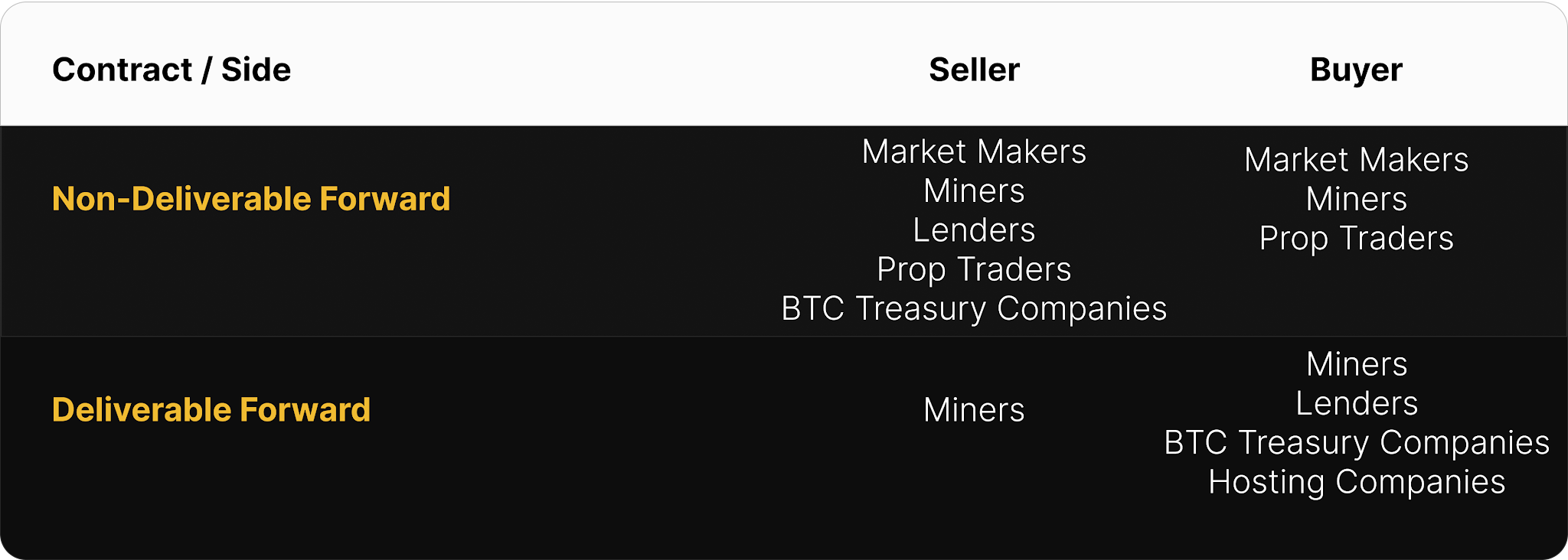
The sentiment from major institutional participants in the hashrate derivative market remains defensive. Lenders, who have been active on the buy side of the Deliverable (DF) market, are focused on securing fixed-yield returns, while public and private miners continue to use forward contracts as a form of non-dilutive financing to support fleet upgrades.
In conclusion, October 2026 was a month of sobering correction. The "summer slowdown" of previous months has been replaced by a reality of higher competition and lower unit revenue. The industry’s ability to survive this period will depend on two factors: the continued professionalization of energy procurement and the strategic use of derivatives to mitigate the volatility that has become a permanent feature of the Bitcoin mining economy. As we move into November and December, the market remains focused on whether weather-driven volatility will provide the next major shock to network difficulty, or if the current equilibrium will hold through the start of 2027.