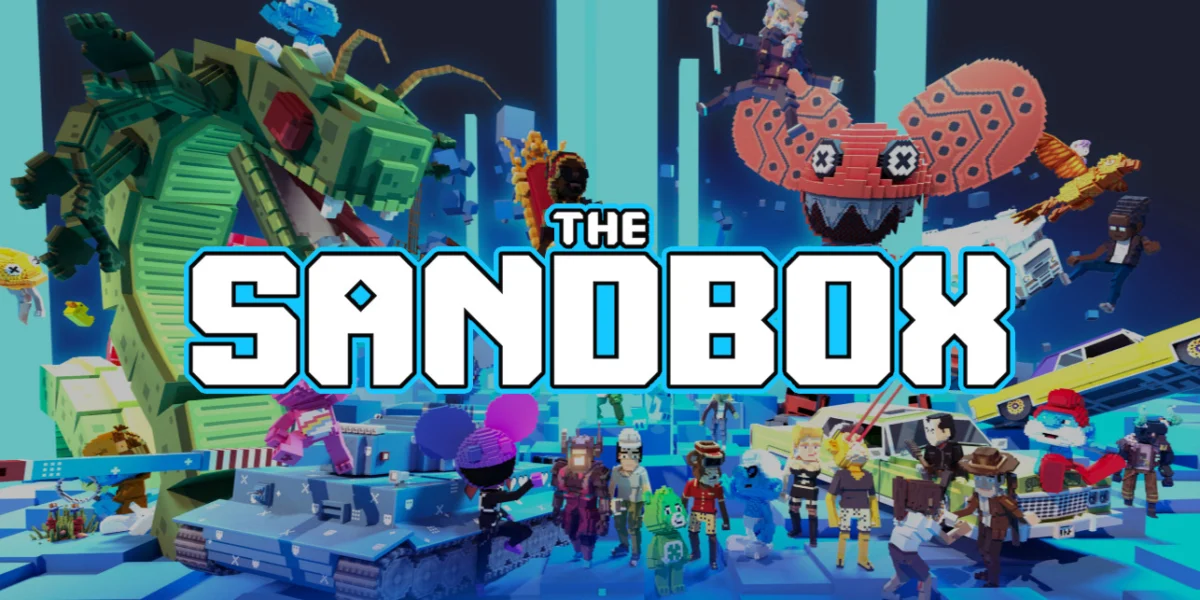
The landscape of digital interaction and virtual economies has undergone a profound transformation over the past several years, driven largely by the rapid maturation of blockchain technology, decentralized finance, and immersive virtual environments. Among the foremost pioneers in this evolving sector is The Sandbox, a decentralized virtual world built on the Ethereum blockchain that allows users to create, own, and monetize their gaming experiences and digital assets. Since its inception, the platform has steadily transitioned from a traditional 2D mobile gaming property into a powerhouse 3D metaverse, capturing significant global attention through high-profile brand partnerships, intellectual property (IP) integrations, and sophisticated user-generated content (UGC) tools. This comprehensive report examines the trajectory, ecosystem dynamics, technological upgrades, economic frameworks, and broader market implications of The Sandbox as it continues to shape the future of virtual real estate and digital ownership.
Background and Evolution: From Mobile Gaming Roots to Decentralized Metaverse
The origins of The Sandbox trace back to a traditional mobile game developed by Pixowl, released in 2011 as a 2D pixel-art world-building experience akin to classic sandbox titles. During its early years, the franchise amassed tens of millions of downloads across iOS and Android platforms, establishing a loyal user base and proving the commercial viability of user-driven creativity. However, the true turning point for the property occurred in 2018, when blockchain gaming company Animoca Brands acquired Pixowl with the explicit vision of migrating the franchise into the decentralized web3 ecosystem.

The strategic pivot involved shifting ownership rights directly to the players through non-fungible tokens (NFTs) and introducing a dedicated utility token, SAND. By leveraging blockchain technology, the developers sought to address long-standing issues in the gaming industry, such as the lack of true digital ownership for virtual goods, centralized monetization structures, and strict platform lock-ins. The transition redefined the relationship between creators and platforms, ensuring that individuals who invest time and creative capital into building virtual assets retain full control and financial upside over their creations.
Ecosystem Architecture and User-Generated Content
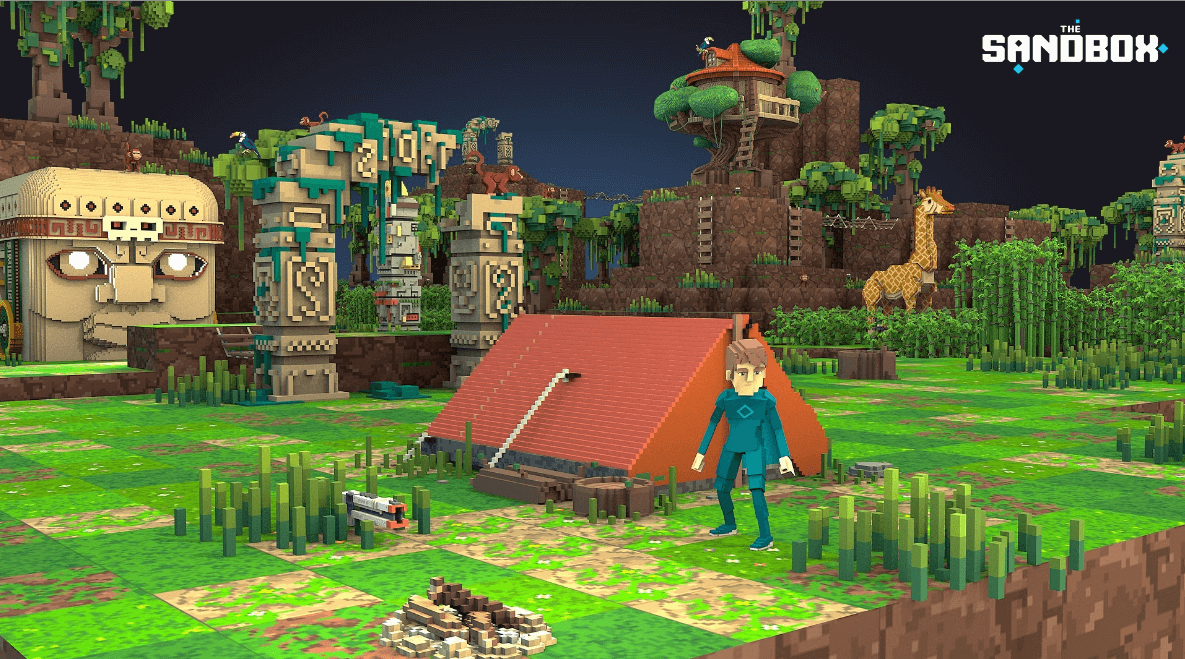
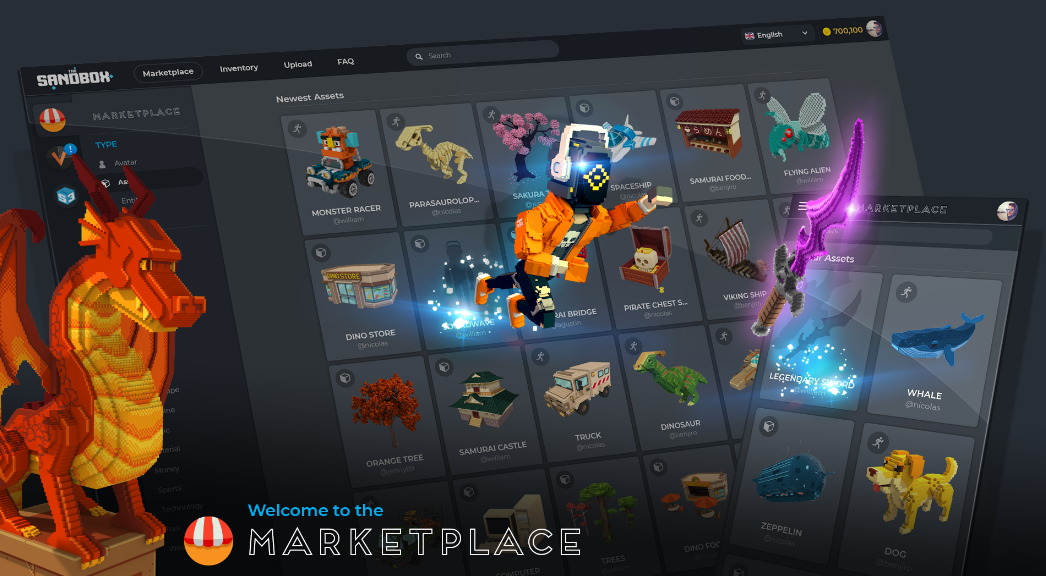
At the core of The Sandbox ecosystem is a robust suite of creation tools designed to lower the barrier to entry for 3D modeling and game design while maintaining professional-grade depth. The platform relies on three primary components: VoxEdit, the Game Maker, and the Marketplace.
VoxEdit is a dedicated 3D voxel modeling and NFT creation package that allows users to create and animate objects such as avatars, equipment, vehicles, and creatures. These creations are minted as ERC-1155 tokens, meaning they can be traded on the marketplace or embedded directly into land parcels within the virtual world. The Game Maker, on the other hand, empowers landowners and creators to build interactive 3D games and experiences on their virtual plots (LANDs) without requiring advanced coding knowledge. Through visual scripting tools, creators can set game mechanics, design quests, integrate non-player characters (NPCs), and construct complex multiplayer environments.
Virtual Real Estate: The Economics of LAND
Virtual real estate forms the foundational grid of The Sandbox metaverse, consisting of a finite supply of 166,464 individual plots known as LANDs. Each LAND is represented by a unique ERC-721 token on the Ethereum blockchain, granting the owner exclusive rights to build experiences, host events, and monetize commercial activities on that specific digital coordinate.
The scarcity of LAND has historically driven significant market interest, with prices fluctuating in tandem with broader cryptocurrency market cycles and announcements of major brand acquisitions. Major corporations, celebrities, and financial institutions have aggressively acquired neighboring plots to establish virtual headquarters, digital stores, and interactive brand experiences. This convergence of commercial enterprise and decentralized infrastructure has turned virtual land ownership into a distinct asset class, prompting the development of specialized real estate agencies and asset management firms within the metaverse sector.
Strategic Intellectual Property Integration and Brand Partnerships
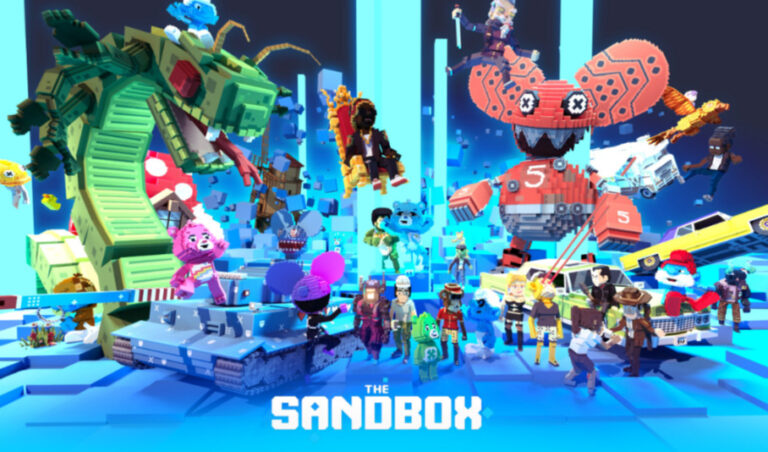
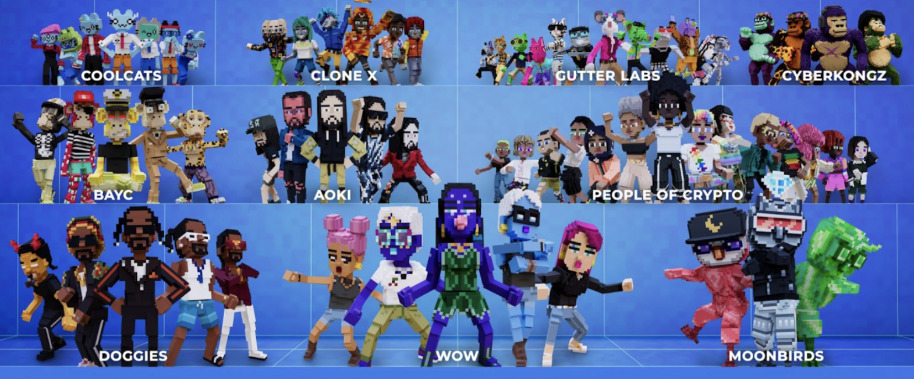
One of the most defining characteristics of The Sandbox’s growth strategy has been its aggressive pursuit of high-profile intellectual property partnerships. Rather than relying solely on native community content, the platform has successfully bridged the gap between traditional entertainment (Web2) and decentralized gaming (Web3) by onboarding more than 400 global partners.
Collaborations span diverse industries, including music, fashion, cinema, sports, and gaming. Notable partners include major entertainment franchises, celebrity icons, sports organizations such as Formula 1, and legendary gaming properties. For instance, partnerships with iconic brands and cultural figures have allowed the platform to launch virtual theme parks, digital fashion shows, and immersive concert venues where users can interact with digital replicas of real-world celebrities and cultural artifacts. These integrations serve a dual purpose: they attract mainstream audiences who may be unfamiliar with cryptocurrency, and they provide existing web3 users with high-utility, recognizable assets that enhance the overall ecosystem value.
Economic Framework and the Role of SAND
The economic backbone of The Sandbox is the SAND token, an ERC-20 utility token deployed on the Ethereum blockchain. SAND serves as the medium of exchange for all transactions and interactions within the platform, facilitating a closed-loop economy where value flows freely between players, creators, and landowners.
Users utilize SAND to acquire LANDs, purchase equipment and avatars, customize their avatars, and participate in governance decisions through the platform’s decentralized autonomous organization (DAO) structure. Additionally, the tokenized economy incentivizes participation through play-to-earn mechanics, creator grants, and staking programs. Staking SAND allows holders to earn passive yields while supporting network security, thereby reducing circulating supply volatility and encouraging long-term holding behavior among community members. Liquidity for SAND is supported by numerous tier-one global cryptocurrency exchanges, ensuring robust market access for international participants.
Platform Scaling and Technological Roadmap
To accommodate a growing user base and maintain performance standards across complex 3D environments, The Sandbox has continuously updated its technical infrastructure. The migration toward Layer 2 scaling solutions, specifically integrations designed to reduce transaction fees and latency on the Ethereum network, has been critical to improving user experience. High gas fees historically presented a barrier to frequent trading and microtransactions within blockchain-based worlds; implementing optimized scaling protocols has mitigated these friction points, enabling smoother interactions during high-traffic virtual events and land sales.
Furthermore, the platform’s leadership, including Co-Founder Sebastien Borget, has outlined aggressive developmental roadmaps focused on expanding cross-platform availability, enhancing graphics rendering capabilities, and introducing advanced artificial intelligence tools to assist creators. The integration of user-friendly onboarding processes—such as social logins and streamlined crypto wallets—reflects a concerted effort to onboard mainstream gamers who prioritize gameplay and social connectivity over blockchain mechanics.
Comparative Market Analysis and Industry Position
Within the broader metaverse and blockchain gaming sector, The Sandbox competes with other prominent virtual worlds such as Decentraland, Somnium Space, and various game-fi ecosystems. While competitors have adopted different architectural philosophies and economic models, The Sandbox has distinguished itself through its heavy emphasis on visual voxel design, deep narrative integration, and a diverse roster of licensed intellectual properties.
Data from secondary NFT marketplaces, including OpenSea, consistently indicate that assets originating from The Sandbox maintain high trading volumes relative to industry peers. The platform’s ability to sustain user engagement through seasonal events, alpha testing phases, and structured community contests has insulated it against some of the cyclical downturns that have impacted the wider digital asset market.
Future Outlook and Broader Implications
The ongoing development of The Sandbox offers critical insights into the viability of decentralized virtual economies and digital property rights. As internet infrastructure evolves toward more immersive, spatial computing paradigms, platforms that successfully bridge intellectual property ownership with user-generated content will likely dictate the standards for digital interaction.
While challenges remain—including regulatory scrutiny surrounding digital tokens, the complexities of mass-market consumer adoption, and the technical hurdles of maintaining decentralized scaling—The Sandbox has positioned itself as a bellwether for the metaverse industry. By continuously refining its creation tools, expanding its global partnerships, and prioritizing a balanced economic model, the platform illustrates a pragmatic pathway toward a sustainable, player-owned digital future.