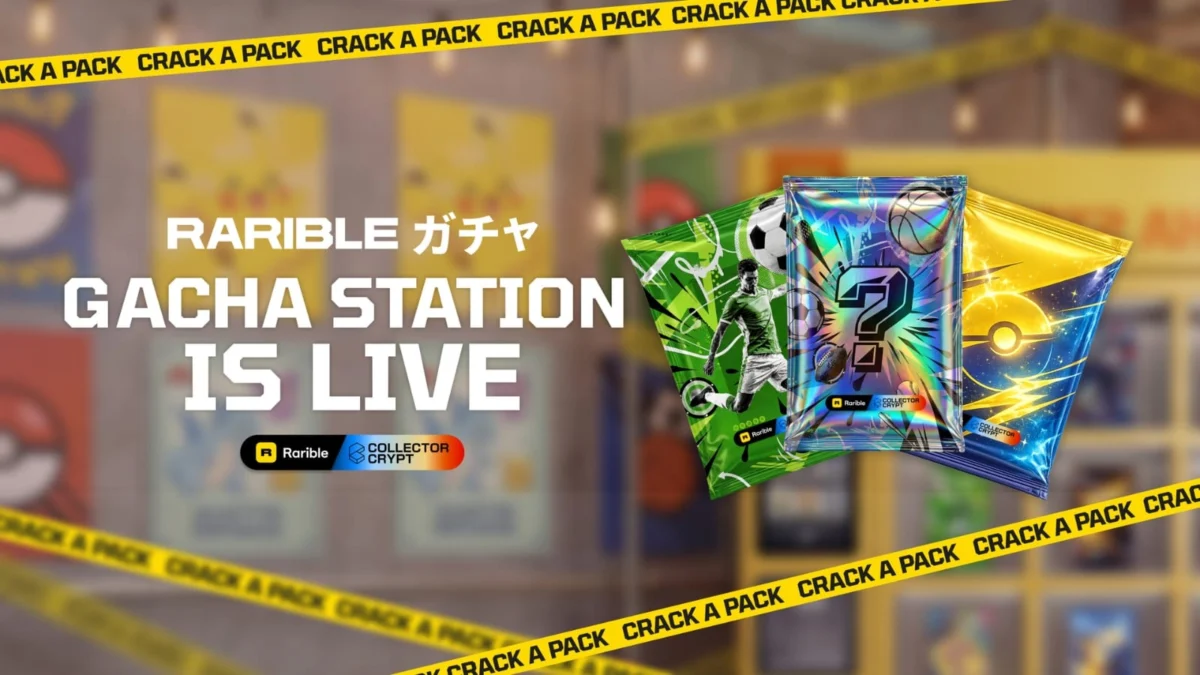
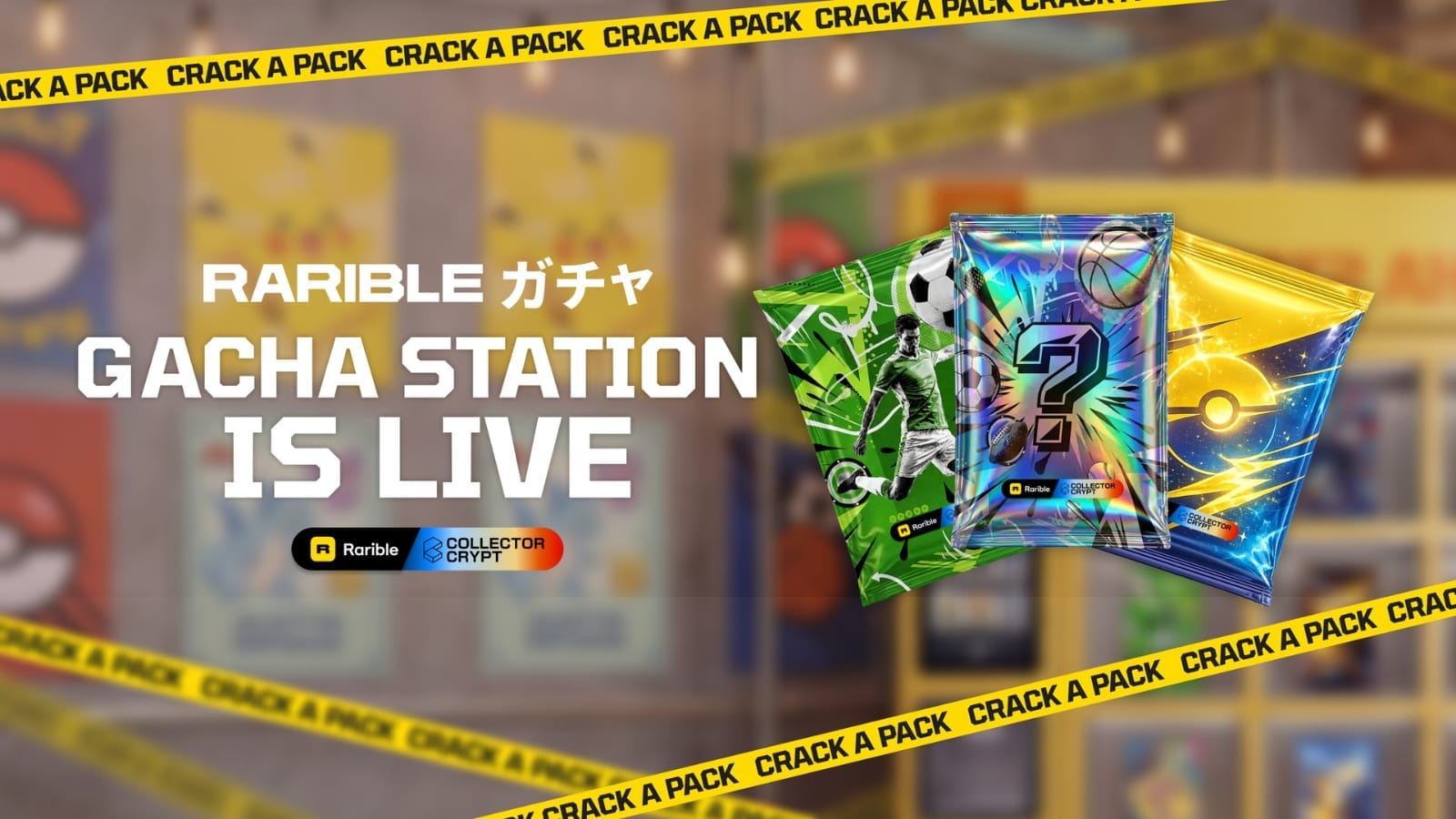
The digital collectible landscape has undergone a significant transformation with the launch of the Rarible Gacha Station, a platform designed to replicate the excitement of physical trading card pack openings within the Solana blockchain ecosystem. Developed in collaboration with @Collector_Crypt, this new interface integrates the principles of "gacha" mechanics—a popular Japanese monetization model centered on randomized rewards—into the world of non-fungible tokens (NFTs). As digital asset ownership continues to evolve, the Gacha Station represents a strategic effort by Rarible to bridge the gap between traditional gaming culture and decentralized finance, providing users with a streamlined, interactive method for acquiring and trading digital assets.
The Mechanics of the Gacha Station
At its core, the Rarible Gacha Station functions as a sophisticated digital vending machine for trading card game (TCG) collections. The platform simplifies the typically complex process of NFT acquisition by removing the need for manual marketplace bidding. Instead, users interact with a series of digital "packs," each containing a randomized assortment of cards from specific collections.

The user experience begins with a dual-authentication approach. To ensure accessibility for both Web3 natives and newcomers, Rarible offers two distinct entry points. Users can either connect a compatible Solana-based non-custodial wallet—such as Phantom, Solflare, or Backpack—or utilize an email-based login system. This inclusivity is a hallmark of current platform development trends, aimed at lowering the barrier to entry for users who may be intimidated by the complexities of private key management and seed phrases.
Once an account is established, the platform requires liquidity in the form of USDC, the stablecoin native to the Solana ecosystem. For users who do not already hold digital assets, the platform has integrated third-party fiat-to-crypto gateways, including Stripe Onramp and Moonpay. This integration allows users to purchase credits directly via debit or credit card, effectively transforming the process into a familiar e-commerce transaction.
Operational Workflow and User Engagement
The process of interacting with a series within the Gacha Station is structured into a linear, intuitive workflow. After funding their wallets, users browse a curated homepage featuring various TCG series. Each collection is presented as a card, which, when selected, leads to a dedicated landing page. This page acts as a transparency hub, displaying the full pack lineup, historical pull data from other community members, and the rarity distribution of the items contained within the machine.

One of the most notable features introduced is the "Instant Buyback" toggle. This mechanism addresses a common pain point in digital collecting: the accumulation of low-value, common-tier assets. By enabling this feature, users can opt to have eligible common cards automatically liquidated immediately after the pack reveal. These cards are bought back at up to 85% of their market value, with the proceeds credited directly toward the purchase of future packs. This creates a circular economy within the platform, encouraging continued participation while providing a degree of capital recovery that is rarely seen in traditional NFT drops.
Furthermore, the platform incorporates a social layer through its "Send as Gift" functionality. This allows users to transfer unopened packs directly to another Solana wallet address. While this feature fosters a peer-to-peer gifting economy, it also introduces a degree of personal responsibility, as these transactions are irreversible. The platform mandates that users verify recipient addresses carefully to avoid the loss of assets, a critical security consideration given the immutable nature of blockchain transactions.
Chronology and Development Context
The launch of the Gacha Station follows a period of intense development aimed at refining the user interface of the Rarible marketplace. Throughout the first half of 2026, Rarible’s development team, in partnership with @Collector_Crypt, focused on optimizing the speed and responsiveness of the Solana chain integration. The objective was to create a "real-time" experience that mirrors the sensory feedback of opening physical card packs.
The beta phase of the project, conducted in early 2026, focused heavily on stress-testing the reveal animations and ensuring that the smart contracts governing the randomization process were both transparent and fair. By mid-2026, the platform successfully transitioned to its current live state, marking a shift from a purely secondary market focus to a primary distribution model. This shift is reflective of the broader "gamification" of the NFT sector, where platforms are increasingly prioritizing entertainment value alongside speculative investment potential.
Implications for the Digital Collectible Market
The introduction of the Gacha Station has significant implications for the broader NFT ecosystem. Traditionally, the NFT market has been dominated by individual listings on marketplaces where users must manually scan for value. The Gacha Station, by contrast, standardizes the acquisition cost through fixed-price pack tiers. This model provides price stability for creators and predictability for collectors, while the element of "luck" inherent in the gacha mechanic maintains high levels of user engagement.
From an economic perspective, the Instant Buyback feature serves as a primitive form of price floor support. By guaranteeing a baseline liquidity for common assets, the platform reduces the "inventory drag" that often plagues high-volume collectors. This, in turn, helps maintain the velocity of assets on the platform, as users are incentivized to keep their funds within the ecosystem rather than withdrawing to external exchanges.

Furthermore, the reliance on the Solana blockchain is a strategic choice. With its high transaction throughput and negligible gas fees, Solana remains the preferred infrastructure for applications requiring frequent, low-cost interactions. The Gacha Station’s ability to process multiple pack openings in rapid succession without significant latency demonstrates the maturity of the network for consumer-facing entertainment products.
Future Roadmap and Strategic Outlook
While the Gacha Station is currently focused on the mechanics of pack opening and gifting, the platform’s roadmap suggests a more comprehensive ecosystem. The anticipated launch of a dedicated Marketplace will likely provide a secondary venue for users to trade their high-value pulls, potentially creating a closed-loop economy where the "Gacha" acts as the primary minting mechanism.
Additionally, the planned integration of physical shipping features suggests that Rarible is looking to bridge the gap between digital and physical collectibles. This "phygital" approach—where digital assets can be redeemed for physical counterparts—has seen success in other sectors and represents the next logical step for a TCG-focused platform. Finally, the introduction of a Points and Rewards Program is expected to incentivize long-term user retention, rewarding consistent collectors with benefits that transcend individual card sets.

Conclusion
The Rarible Gacha Station, powered by @Collector_Crypt, serves as a sophisticated evolution of the digital collecting experience. By combining the transparency of blockchain technology with the addictive, high-engagement nature of gacha mechanics, the platform offers a streamlined, user-friendly gateway into the world of NFT-based trading cards. While the platform is still in its early stages, the integration of features like Instant Buyback and gift transfers, combined with the low-latency advantages of the Solana blockchain, positions it as a significant player in the future of digital asset distribution. As the roadmap unfolds to include secondary markets and reward programs, the Gacha Station is poised to become a central hub for collectors looking to navigate the intersection of gaming, entertainment, and digital ownership. The project stands as a testament to the ongoing innovation within the Web3 space, demonstrating how traditional leisure activities can be successfully adapted to the era of decentralized finance.