The non-fungible token (NFT) marketplace landscape experienced a significant realignment this week with the announcement that Magic Eden is ceasing operations on all Ethereum Virtual Machine (EVM) compatible chains and the Bitcoin network. This strategic pivot leaves a substantial number of creators, collectors, and traders across prominent blockchain ecosystems, including Ethereum, Base, Polygon, and others, in search of a new primary trading venue. In response to this market shift, Rarible, a long-established multichain NFT marketplace, has positioned itself as a direct successor, ready to accommodate the displaced user base and continue the momentum of NFT activity.
Magic Eden’s decision marks a notable contraction in the multichain NFT marketplace sector, signaling a potential consolidation around platforms demonstrating sustained operational capacity, robust liquidity, and comprehensive cross-chain infrastructure. For the thousands of users impacted by Magic Eden’s market exit, the transition to an alternative platform is presented as a seamless process. Rarible, which has been operational since 2020 and has cultivated a strong presence in the multichain NFT space, emphasizes its readiness to absorb and support these users.
Understanding Magic Eden’s Strategic Shift
Magic Eden officially confirmed its withdrawal from NFT marketplace operations across all EVM-compatible chains, which include the vast majority of smart contract-enabled blockchains, as well as the Bitcoin network, known for its burgeoning Ordinals and inscriptions ecosystem. This move directly affects users who have been actively listing, buying, and trading NFTs on platforms such as Ethereum, Coinbase’s Layer 2 solution Base, the widely adopted Polygon network, and numerous other EVM chains.
The implications of such a large-scale market exit are multifaceted. For Magic Eden, this may represent a strategic refocusing on core markets or emerging opportunities, potentially related to its significant presence in the Solana ecosystem, where it remains a dominant player. For the broader NFT industry, it underscores the dynamic and often volatile nature of the market, where platform success is contingent on adapting to technological advancements, user demand, and evolving economic conditions.
The timing of this announcement is particularly relevant given the recent growth and increased adoption of NFT activities on EVM chains, especially Base, which has seen a surge in user engagement and transaction volume since its launch. The exit from these vital ecosystems creates an immediate demand for reliable and feature-rich alternatives.
Rarible: A Proven Alternative for Multichain NFT Trading
Rarible has presented itself as the natural and most suitable destination for users transitioning from Magic Eden, citing its five-year commitment to building the necessary infrastructure, fostering deep liquidity, and developing robust creator tools essential for a leading multichain NFT marketplace. The platform highlights several key advantages that make it an attractive option:
-
Comprehensive Multichain Support: Rarible offers a unified interface that supports all major EVM chains. This consolidation aims to eliminate the need for users to navigate multiple disparate applications or websites to manage their NFT portfolios across different networks, thereby simplifying the user experience. The platform’s integration capabilities extend to networks like Ethereum, Polygon, Arbitrum, Optimism, Avalanche, and more, providing a cohesive trading environment.
-
Creator-Centric Philosophy: From its inception, Rarible has prioritized the needs of NFT creators. The platform offers customizable royalty structures, enabling creators to ensure they receive ongoing compensation for secondary sales of their work. Additionally, Rarible provides launchpad tools designed to facilitate new project releases and features that foster direct relationships between creators and their collector base. This focus on empowering creators is a cornerstone of its value proposition.
-
Incentivized Participation with $RARI Rewards: Rarible actively rewards its users through its native governance token, $RARI. By engaging in trading activities on the platform, users automatically earn $RARI tokens. This tokenomics model not only incentivizes participation but also grants holders voting rights in the platform’s governance, allowing them to influence its future development and policies. This provides a tangible benefit beyond just the transaction itself.
-
Deep Liquidity and Aggregation Capabilities: A critical factor for any thriving marketplace is liquidity. Rarible addresses this by aggregating listings from across the broader NFT ecosystem. This means users are presented with a wider selection of NFTs and are more likely to find competitive pricing, enhancing the efficiency and effectiveness of their trading activities. This aggregation is particularly valuable in fragmented markets.
-
Established Track Record and Resilience: In an industry prone to rapid changes and platform failures, Rarible’s five-year operational history stands out. The platform has navigated multiple market cycles, from bull runs to bear markets, demonstrating a capacity for resilience and sustained service. This proven track record offers a degree of stability and reliability that is highly valued by both individual collectors and institutional participants, including major brands that have utilized Rarible for their NFT initiatives.
Navigating the Transition: Chain-Specific Options on Rarible
Rarible has meticulously mapped out its support for the various blockchain ecosystems that Magic Eden is exiting, ensuring that users can continue their NFT activities without interruption, regardless of their preferred chain. The platform provides direct access to NFTs on:
-
Ethereum NFTs on Rarible: As the birthplace of NFTs, Ethereum boasts the most extensive and diverse catalog of digital collectibles. Rarible offers a deep and accessible marketplace for these foundational NFTs, providing access to historical and cutting-edge collections. The sheer volume of transactions and the established community on Ethereum make it a crucial hub.
-
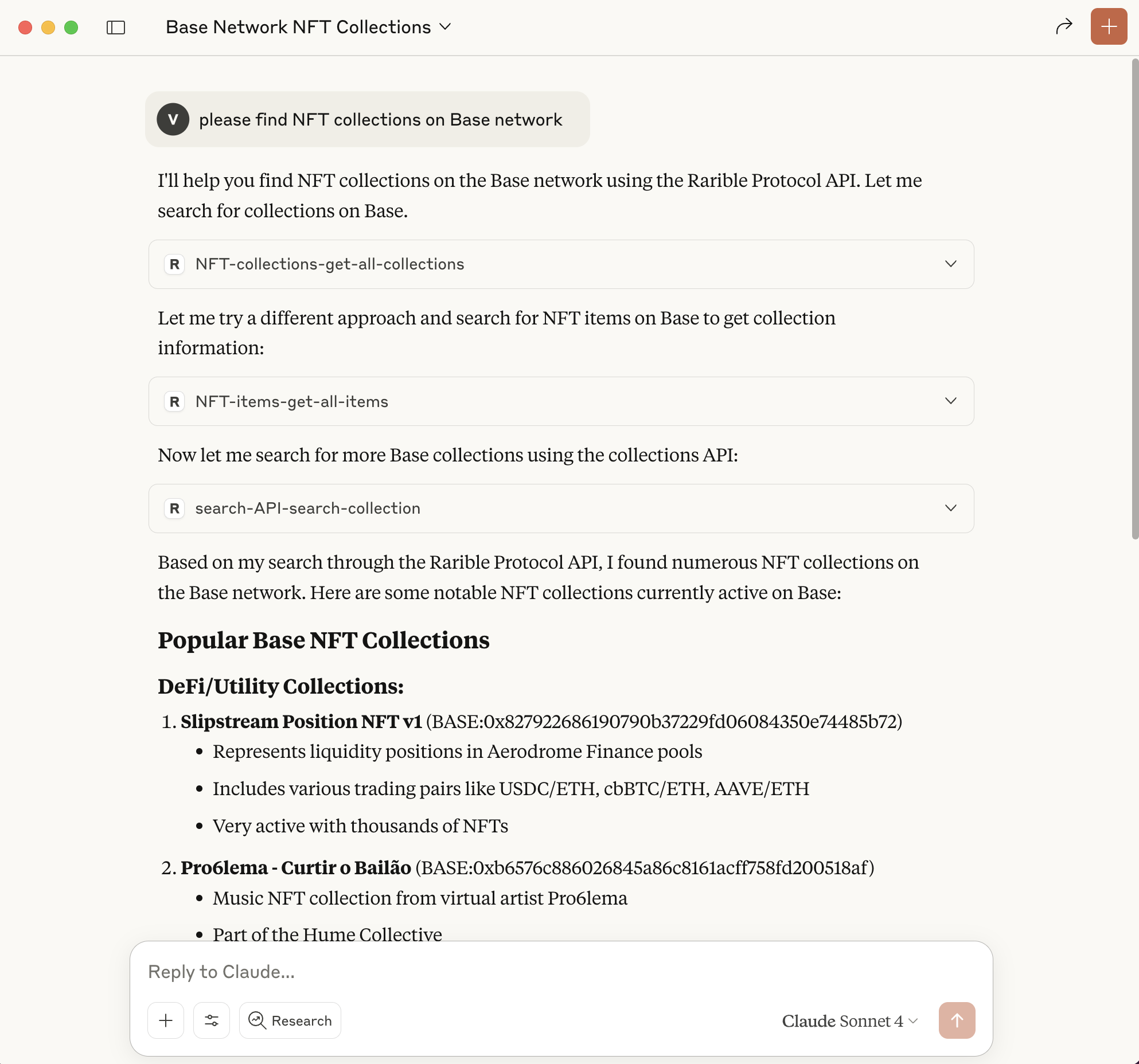
Base NFTs on Rarible: Coinbase’s Layer 2 scaling solution, Base, has rapidly emerged as a vibrant ecosystem for NFTs, characterized by its speed and low transaction fees. Rarible’s support for Base ensures that users can continue to explore and trade NFTs within this fast-growing network, benefiting from its increasing popularity and innovative projects. The integration of Base into Rarible is particularly timely, capturing the momentum of this emerging blockchain.
-
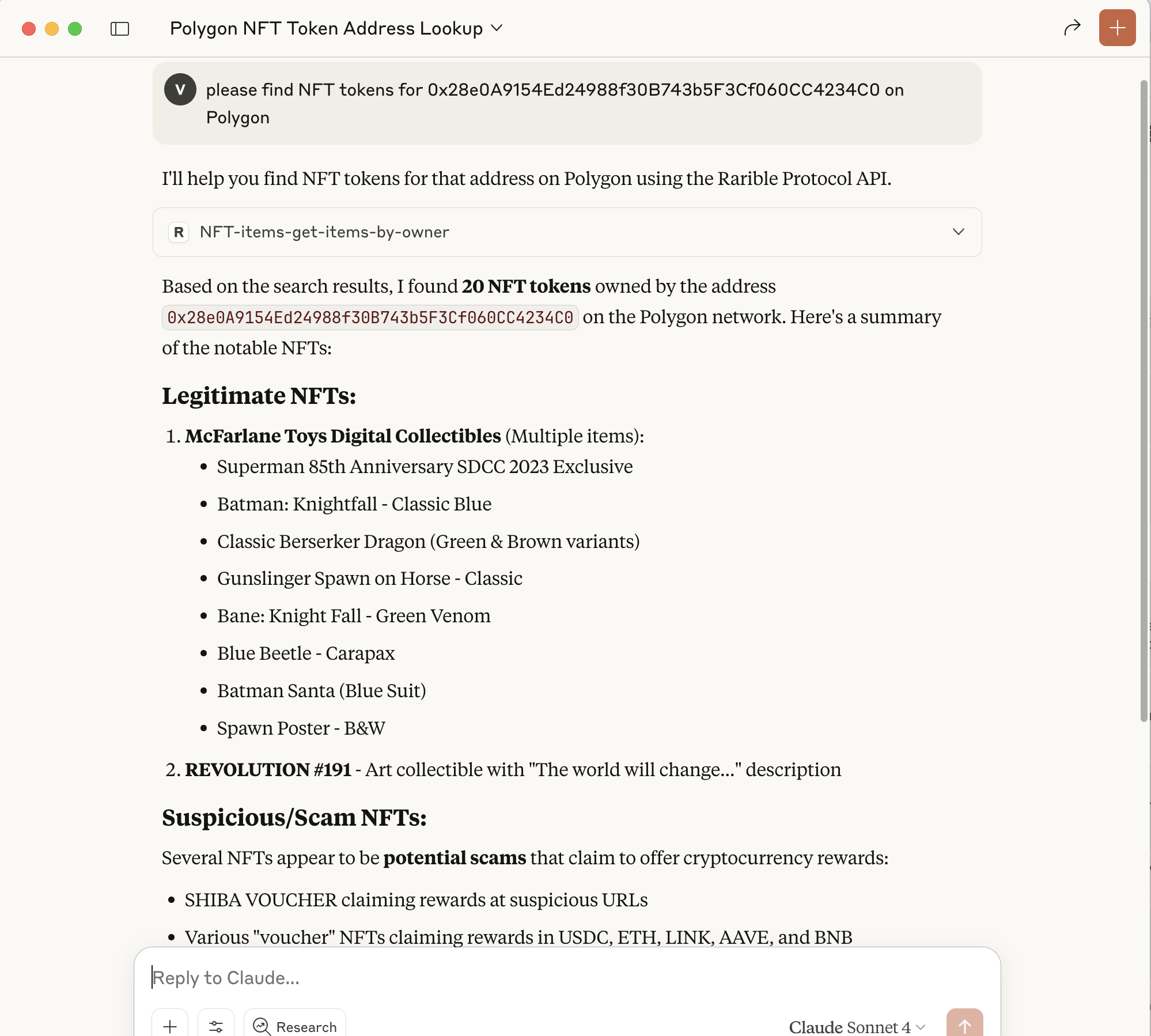
Polygon NFTs on Rarible: The Polygon network has long been a favorite for high-volume NFT collectors and projects due to its high throughput and ultra-low transaction costs. Rarible’s presence on Polygon caters to users who prioritize efficiency and affordability for their NFT transactions, offering a seamless experience for both creators and collectors on this popular sidechain.
-
RARI Chain NFTs on Rarible: In a strategic move to further enhance its ecosystem, Rarible has developed its own dedicated NFT chain, RARI Chain. This blockchain is specifically engineered for creators, featuring built-in royalty enforcement mechanisms. By migrating to RARI Chain, creators can ensure their intellectual property rights are protected and that they benefit from secondary market activity more effectively.
-
MegaETH NFTs on Rarible: Representing the next frontier in high-performance blockchain technology for NFTs, MegaETH is an EVM-compatible chain designed for next-generation NFT experiences. Rarible’s support for MegaETH positions it at the forefront of innovation, allowing users to explore and trade NFTs on a chain optimized for scalability and advanced functionalities.
A Seamless Onboarding Process for New Users
Rarible has streamlined the process for users migrating from Magic Eden, aiming to make the transition as straightforward as possible. The onboarding steps are designed to be completed within minutes:
- Wallet Connection: Users are instructed to visit the Rarible website (rarible.com) and connect their existing cryptocurrency wallet. Rarible supports a wide array of popular wallets, including MetaMask, Coinbase Wallet, and others, ensuring broad compatibility.
- Unified Browsing Experience: Once connected, users can immediately begin browsing NFT collections across all supported chains through Rarible’s unified interface. This eliminates the learning curve associated with navigating new platform architectures.
- Effortless Listing: For creators looking to list their NFTs, the process is described as taking under a minute. Crucially, creators retain full control over setting their own royalty percentages, a key feature for their revenue streams.
- Automatic Reward Earning: As soon as users begin trading on the platform, they automatically start earning $RARI rewards, providing an immediate incentive for their activity and engagement.
Analyzing the Broader Market Implications
Magic Eden’s strategic retreat from EVM and Bitcoin marketplaces is more than just a change in platform availability; it’s a significant indicator of market forces at play within the NFT ecosystem. The move suggests a potential consolidation trend, where larger, more established platforms with proven multichain capabilities and robust infrastructure are likely to gain prominence. This could lead to a more centralized NFT trading environment, which may offer benefits in terms of liquidity and user experience but also raises questions about market diversity and potential points of failure.
The exit also highlights the challenges inherent in operating multichain NFT marketplaces. Maintaining competitive features, ensuring deep liquidity, and adapting to the unique technical specifications of each blockchain requires substantial ongoing investment and strategic foresight. Platforms that can effectively abstract away the complexities of different blockchains for the end-user, while still offering powerful tools for creators and traders, are poised for long-term success.
Rarible’s proactive positioning in response to Magic Eden’s announcement demonstrates an understanding of these market dynamics. By emphasizing its established presence, comprehensive multichain support, and creator-focused features, Rarible is not merely filling a void but actively seeking to become the go-to destination for a substantial segment of the NFT market. The inclusion of its own blockchain, RARI Chain, also signals a commitment to long-term innovation and ecosystem building, potentially creating a self-reinforcing network effect.
The NFT market continues to evolve at an unprecedented pace. Trends such as the rise of gaming NFTs, the integration of NFTs into decentralized finance (DeFi), and the increasing use of NFTs for digital identity and ticketing are all shaping the future of the industry. Platforms that can adapt to these evolving use cases and provide the necessary tools and infrastructure will be best positioned to thrive. Rarible’s stated commitment to evolving with the market, coupled with its existing strengths, suggests it is prepared for this ongoing transformation.
For creators, the ability to reach a wider audience across multiple chains without the friction of navigating different platforms is paramount. For collectors, access to deep liquidity, a diverse selection of assets, and secure trading environments are essential. Magic Eden’s departure creates an opportunity for platforms like Rarible to solidify their position by meeting these critical needs. The success of this transition will ultimately be measured by the retention of users and the continued growth of NFT activity on the chosen alternative platforms.
The bottom line is that while Magic Eden’s exit from major EVM and Bitcoin NFT marketplaces represents a disruption, it does not necessitate a pause in NFT engagement for its former users. Rarible offers a well-established, feature-rich, and highly capable multichain marketplace designed to meet the demands of serious NFT participants. Whether one is a creator preparing for their next major drop or a collector diligently searching for that elusive digital asset, Rarible aims to provide the robust platform and comprehensive support required to navigate the dynamic NFT ecosystem.
Ready to make the switch and explore the expansive world of NFTs on a unified, multichain platform? Visit Rarible today to discover a seamless trading experience across Ethereum, Base, Polygon, and more.