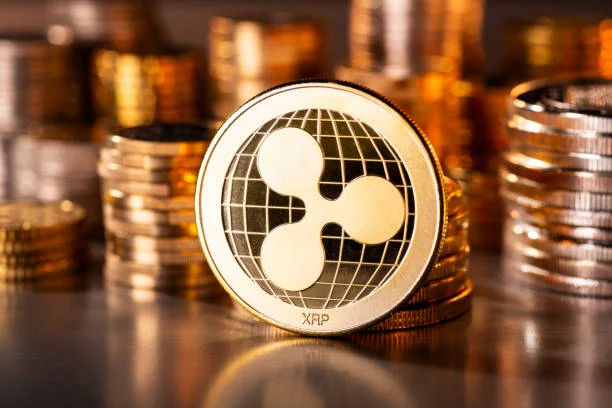
The XRP Ledger (XRPL) has recently come under intense scrutiny by market analysts and on-chain researchers following the release of new data indicating a significant decline in daily network fees. According to metrics aggregated by DefiLlama and verified by various XRPL-native explorers, the total daily fees generated by the network have slipped below the $400 mark, a figure that stands in stark contrast to the high-revenue environments of other major Layer-1 protocols. While the XRPL was fundamentally designed to offer a low-cost, high-efficiency environment for global value transfer, the current fee levels have reignited a long-standing debate regarding the relationship between transaction costs, network demand, and the overall scale of paid utility on the ledger.
The reported weekly fee burn, which currently sits at approximately $3,100, highlights the unique economic architecture of the XRPL. Unlike networks such as Ethereum or Bitcoin, where high congestion and bidding wars for block space result in substantial revenue for miners or stakers, the XRPL utilizes a fee-burning mechanism where the cost of every transaction is permanently removed from the total supply of XRP. This structural difference means that while low fees are a boon for end-users and enterprise integrators, they provide a very different set of signals for market observers attempting to gauge the health and adoption of the network through traditional financial lenses.
The Technical Architecture of XRPL Fees
To understand the significance of the $400 daily fee figure, it is necessary to examine the underlying mechanics of the XRP Ledger. The XRPL does not utilize a Proof-of-Work (PoW) or a traditional Proof-of-Stake (PoS) consensus mechanism. Instead, it relies on the Ripple Protocol Consensus Algorithm (RPCA). In this system, transaction fees are not paid to validators as a reward for securing the network; rather, they serve as a deterrent against spam.
The minimum transaction fee on the XRPL is typically set at 10 "drops" (where 1,000,000 drops equal 1 XRP). At current market prices, this fee is a fraction of a cent. Because the network is capable of handling over 1,500 transactions per second (TPS) and can scale further with hardware improvements, the ledger rarely experiences the type of congestion that would cause fees to spike. Consequently, the total daily fee collection is a direct reflection of transaction volume multiplied by the base fee, rather than a reflection of a competitive fee market.
The recent drop below $400 suggests that while the network remains functional and highly accessible, the sheer volume of paid transactions—or the presence of high-fee complex transactions—has reached a local floor. For a network with a market capitalization frequently positioned in the top ten of the entire digital asset industry, this level of fee generation presents a unique paradox: a highly valuable network that costs almost nothing to use.
Contextualizing the Data: Efficiency vs. Demand
The discourse surrounding the XRPL’s low fee generation is generally divided into two camps. For proponents of the technology, the $400 daily fee is a testament to the network’s success. It fulfills the original vision of the XRPL as a "frictionless" payment rail where the cost of moving millions of dollars is negligible. From this perspective, high fees on other networks are seen as a "tax" on users and a barrier to mass adoption, particularly in the realm of micro-payments and institutional settlement.
Conversely, critics and some quantitative analysts view low fee generation as a potential red flag concerning organic demand. In the broader blockchain ecosystem, "Total Fee Revenue" is often used as a proxy for a network’s "Product-Market Fit." If users are willing to pay millions of dollars in fees to use Ethereum or Solana, it indicates a high level of competition for the services provided by those chains, such as Decentralized Finance (DeFi) trading, NFT minting, or liquid staking.
The current XRPL data suggests that while the network is stable, it is not currently experiencing a surge in the types of high-frequency or high-value activities that would push fee generation higher. This creates a tension between the "payments narrative" championed by Ripple and the actual on-chain evidence of transaction throughput that carries a monetary cost.
Chronology of XRPL Activity and Fee Trends
The history of the XRP Ledger’s fee activity provides essential context for the current $400 daily low. Since its inception in 2012, the XRPL has maintained a reputation for stability. However, there have been specific periods where fee data told a more volatile story.
- 2017-2018 Bull Market: During the height of the 2017 retail crypto craze, transaction volumes on the XRPL spiked. While fees remained low relative to Bitcoin, the sheer number of transactions led to a significant increase in the daily XRP burn rate.
- 2021 NFT Integration: With the introduction of the XLS-20 standard, which brought native NFT support to the XRPL, the network saw a diversification of activity. Minting and trading NFTs required more complex transactions, which contributed to a rise in aggregate fees.
- 2023 Legal Clarity and Institutional Interest: Following the summary judgment in the SEC v. Ripple case, which provided a degree of legal clarity for XRP in the United States, there was a temporary uptick in on-chain activity as exchanges re-listed the token and institutional interest saw a brief resurgence.
- Late 2024 to Early 2025: The current period has seen a stabilization of the network, but also a shift in focus. With many "DeFi" activities moving to EVM-compatible chains or Layer-2 solutions, the XRPL has returned to its core identity as a settlement layer, resulting in the current low-fee environment.
Comparative Analysis with Other Major Chains
The disparity between XRPL and its competitors is perhaps the most striking aspect of the DefiLlama data. On any given day, the Ethereum network might generate between $3 million and $10 million in transaction fees. Even "low-cost" competitors like Solana or Avalanche frequently generate tens of thousands, if not hundreds of thousands, of dollars in daily fees.
The reason for this gap is twofold. First, the XRPL does not currently host a massive ecosystem of decentralized applications (dApps) that require frequent, complex smart contract interactions. Most transactions on the XRPL are simple "Payment" or "OfferCreate" transactions, which are computationally inexpensive. Second, the XRPL’s lack of a "mempool" in the traditional sense—where users bid against one another to be included in the next block—prevents the fee spikes seen on Bitcoin or Ethereum.
For institutional users, this predictability is a feature, not a bug. A bank or a payment provider needs to know that the cost of a transaction today will be the same as the cost of a transaction tomorrow. The $400 daily fee total is a byproduct of this engineered price stability.
Ripple’s Strategic Pivot: RLUSD and AI Integration
While the current on-chain data may seem stagnant to some, it is important to view it in the context of Ripple’s broader corporate strategy. Ripple, the most prominent contributor to the XRPL ecosystem, is currently moving toward the launch of RLUSD, a USD-pegged stablecoin designed for enterprise-grade payments.
The introduction of RLUSD is expected to significantly alter the transaction profile of the XRPL. If RLUSD becomes a primary vehicle for cross-border settlement and liquidity provision, the volume of transactions—and consequently the total fees burned—could see a substantial increase. Furthermore, Ripple has recently emphasized the role of the XRPL in "AI agent" payments, where autonomous software entities perform micro-transactions to pay for computing power or data. Such use cases rely on the very low-fee environment currently being criticized, suggesting that the "low fee" data point may actually be a prerequisite for the next wave of adoption.
Implications for Investors and Validators
For XRP holders, the daily fee burn of $400 has minimal impact on the token’s circulating supply. At this rate, it would take centuries to burn a significant percentage of the total XRP supply. Therefore, the "deflationary" aspect of the XRPL remains a secondary factor compared to broader market sentiment, regulatory developments, and institutional adoption.
For validators, the low fee environment is a neutral factor. Since validators on the XRPL are not compensated via transaction fees, their incentive to run infrastructure is based on the health of the ecosystem and the specific benefits they derive from having a reliable, direct connection to the ledger. This "altruistic" validator model is unique and ensures that the network does not become a profit-seeking entity at the expense of its users.
Conclusion and Future Outlook
The data showing XRPL daily fees dropping below $400 should be interpreted as a reflection of the network’s current state as a highly optimized, specialized payment rail rather than a broad-based application platform. While the low figure may suggest a lack of "hype-driven" activity, it also confirms that the network is fulfilling its technical mandate of providing near-zero cost transactions.
Moving forward, the market should monitor several key indicators to see if this trend persists:
- Transaction Counts: If fees remain low but transaction counts increase, it confirms the network’s efficiency. If both fees and transaction counts drop, it may indicate a genuine decline in utility.
- Bithomp and Ledger Explorer Verification: Cross-referencing DefiLlama data with native explorers will ensure that the reported fee drop is not a result of a data reporting error.
- Stablecoin Launch: The deployment of RLUSD will be a pivotal moment for XRPL fee metrics.
- Sidechain Development: The progress of the XRPL EVM sidechain may shift more complex, higher-fee activity into the XRP ecosystem, albeit on a secondary layer.
The XRP Ledger remains a foundational piece of the cryptocurrency landscape. Whether the current low fee generation is viewed as a sign of underutilization or a mark of unparalleled efficiency, it remains one of the most important data points for understanding the practical reality of on-chain commerce in 2025. As the industry moves away from speculative metrics and toward functional utility, the "fee debate" will likely continue to serve as a litmus test for the long-term viability of the XRPL’s architectural choices.