Bitcoin may have paused its recent record-breaking trajectory, but the broader cryptocurrency ecosystem has seized the opportunity to register significant gains, marking a pivotal moment in current market sentiment. On September 25, while the world’s leading digital asset, Bitcoin (BTC), entered a consolidation phase near the $84,000 threshold, the secondary market experienced a synchronized surge. This rally was not merely a reaction to Bitcoin’s plateau but a demonstration of widening risk appetite among investors, with altcoins across the capitalization spectrum seeing renewed interest. Quant (QNT) emerged as a standout performer during this session, recording a staggering 24-hour gain of approximately 39%, effectively capturing the momentum of a market that appears to be rotating capital into smaller-cap projects.
The Dynamics of Market Breadth
The significance of this rally lies in its breadth rather than the performance of a single asset. Analysis of the CoinDesk 100—a benchmark index for the digital asset market—revealed that 93 out of its 100 constituents were trading in the green during the September 25 session. In financial markets, such a high level of participation is a critical indicator of health. When a market is propelled by only a handful of mega-cap tokens, the gains are often fragile and prone to sudden reversals. However, when over 90% of a major index trends upward simultaneously, it suggests a systemic shift in liquidity and a deepening confidence among market participants.
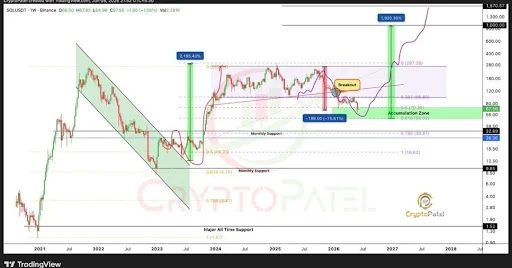
This period also saw the "altcoin season" index reach its highest level in over three months. This metric, which tracks the percentage of top-performing altcoins that are outperforming Bitcoin over a 90-day window, provides a quantitative lens into how capital flows move away from the primary asset. In the week leading up to this event, assets such as Solana (SOL) and XRP had already begun to demonstrate superior relative strength compared to Bitcoin. This early trend served as a harbinger for the more comprehensive market-wide movement observed on September 25.
Chronology of the Recent Market Rotation
The events of late September follow a period of intense institutional focus on Bitcoin. For months, the narrative surrounding the crypto market has been dominated by the approval and rapid adoption of Spot Bitcoin ETFs, the accumulation strategies of corporate treasuries, and the influx of regulated investment vehicles. This institutional focus effectively acted as a "gravity well," pulling the vast majority of capital toward Bitcoin and, to a lesser extent, Ethereum.
The timeline of this shift can be broken down into three distinct phases:
- The Institutional Core Phase (Late August – Mid-September): Bitcoin’s dominance increased as investors sought the safety and regulatory clarity of major institutional products. During this time, Bitcoin pushed toward the $87,000 mark, absorbing liquidity and leaving many altcoins stagnant or trading in narrow, low-volatility ranges.
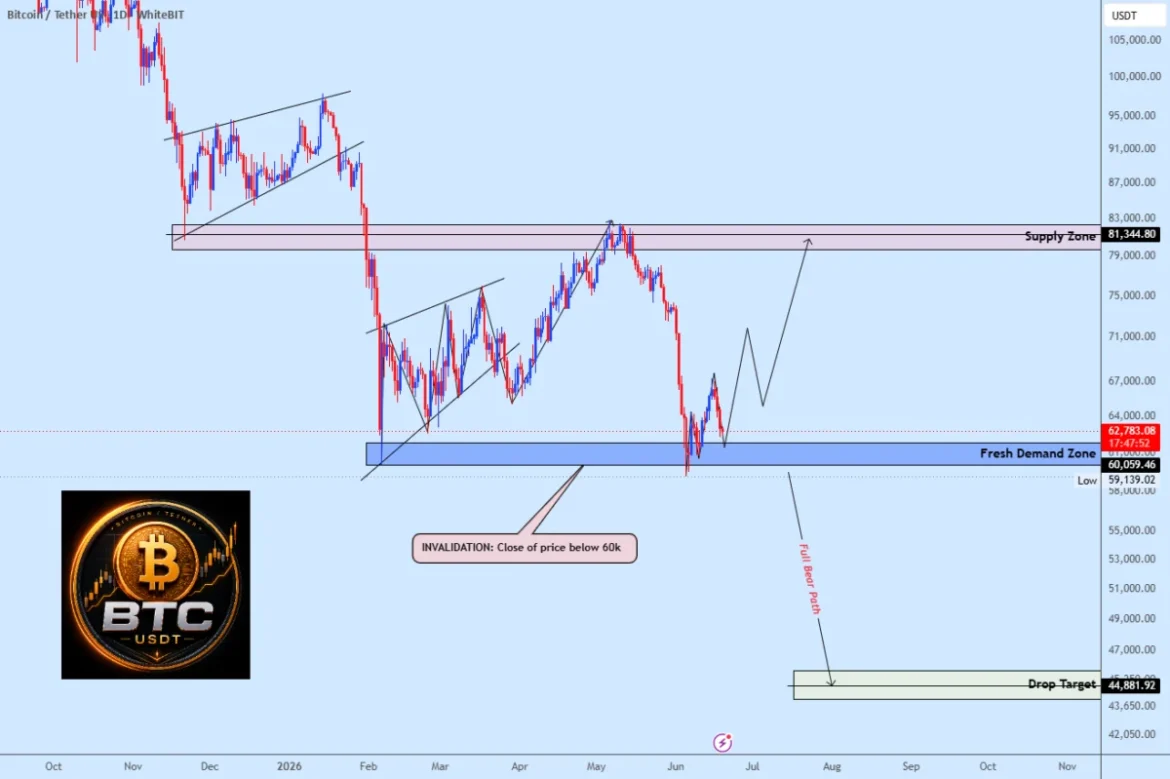
- The Stagnation Trigger (September 20 – September 24): As Bitcoin approached its recent all-time high, momentum began to wane. The asset struggled to maintain the upward velocity required to break through the $87,000 resistance, leading to a period of technical consolidation in the $84,000 range.
- The Rotation Event (September 25): With Bitcoin’s price discovery phase momentarily paused, traders began reallocating capital. The move was rapid, with Quant and other mid-cap tokens experiencing a "catch-up" effect. This is a common phenomenon where, after a period of prolonged Bitcoin dominance, the market seeks higher risk-adjusted returns in the altcoin sector.
Understanding the Mechanics of the Altcoin Surge
The surge in tokens like Quant is often attributed to a combination of market structure factors. It is essential to note that when capital rotates into the altcoin market, it enters a space with thinner liquidity compared to Bitcoin. In such environments, even moderate buying pressure can result in significant price appreciation.
Furthermore, short-position liquidations often play a role in these rapid rallies. Traders who had been betting against the altcoin market—expecting Bitcoin to continue its dominance indefinitely—found themselves on the wrong side of the momentum. As these short positions were squeezed, the resulting buy-backs forced prices higher, creating a feedback loop of positive momentum.
However, analysts caution against viewing this as an immediate transition to a sustained "altseason." A true altseason requires a sustained period of capital outflow from Bitcoin that lasts for weeks or months, rather than a single session of broad-based gains. If Bitcoin were to experience a sharp correction, or conversely, if it were to break through its resistance levels with renewed vigor, the liquidity currently supporting altcoins could be rapidly recalled to the primary asset, causing these smaller-cap gains to evaporate.
Implications for Institutional and Retail Strategy
The shift in market sentiment highlights an important divergence between institutional investors and the retail-driven altcoin market. Institutional products remain heavily anchored to the "digital gold" narrative of Bitcoin. Consequently, the broader market rally of September 25 suggests that risk appetite is widening beyond the "safe" core of the industry. This is a significant development, as it indicates that participants are becoming increasingly comfortable with higher-beta assets, which generally have lower liquidity and higher volatility profiles.
For the broader financial ecosystem, this serves as a reminder that Bitcoin does not need to constantly hit new all-time highs for the crypto sector to thrive. Often, the most fertile ground for secondary assets is a period of stability in the leading coin. When Bitcoin stops its rapid ascent, it provides a "consolidation ceiling" under which other tokens can perform price discovery without the constant pressure of a rising Bitcoin price stripping away their market share.
Analyzing the Risk Factors
While the 39% move in Quant and the 93% participation rate in the CoinDesk 100 are positive data points, they must be contextualized within the current regulatory and economic landscape. The crypto market remains sensitive to macroeconomic shifts, particularly interest rate policies from the Federal Reserve and changes in global liquidity conditions.
Market experts have noted that while the recent surge is encouraging, it is not necessarily proof that every altcoin is repricing based on fundamental utility or network adoption. A portion of this movement is undoubtedly driven by momentum trading and technical analysis. Investors are advised to look for sustained trading volume and long-term project viability when assessing whether these gains will hold. As the market moves forward, the primary metric to watch remains Bitcoin’s dominance percentage. A sustained decline in Bitcoin’s market share, accompanied by continued volume in the altcoin space, would be the strongest indicator that the current "rotation" is evolving into a more durable market cycle.
Future Outlook and Conclusion
The landscape of the cryptocurrency market is characterized by cycles of concentration and dispersion. The recent events of September 25 reflect a dispersion phase, where the market’s focus shifts from the monolithic dominance of Bitcoin to the diverse opportunities available in the wider ecosystem.
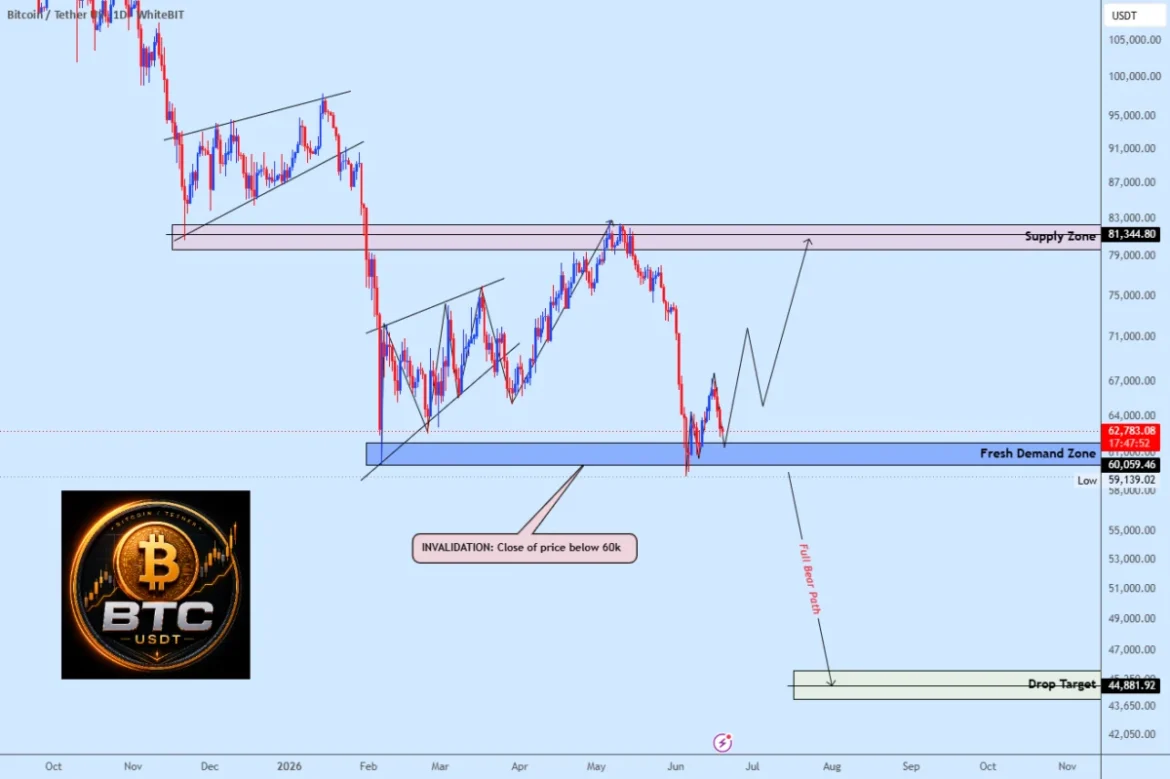
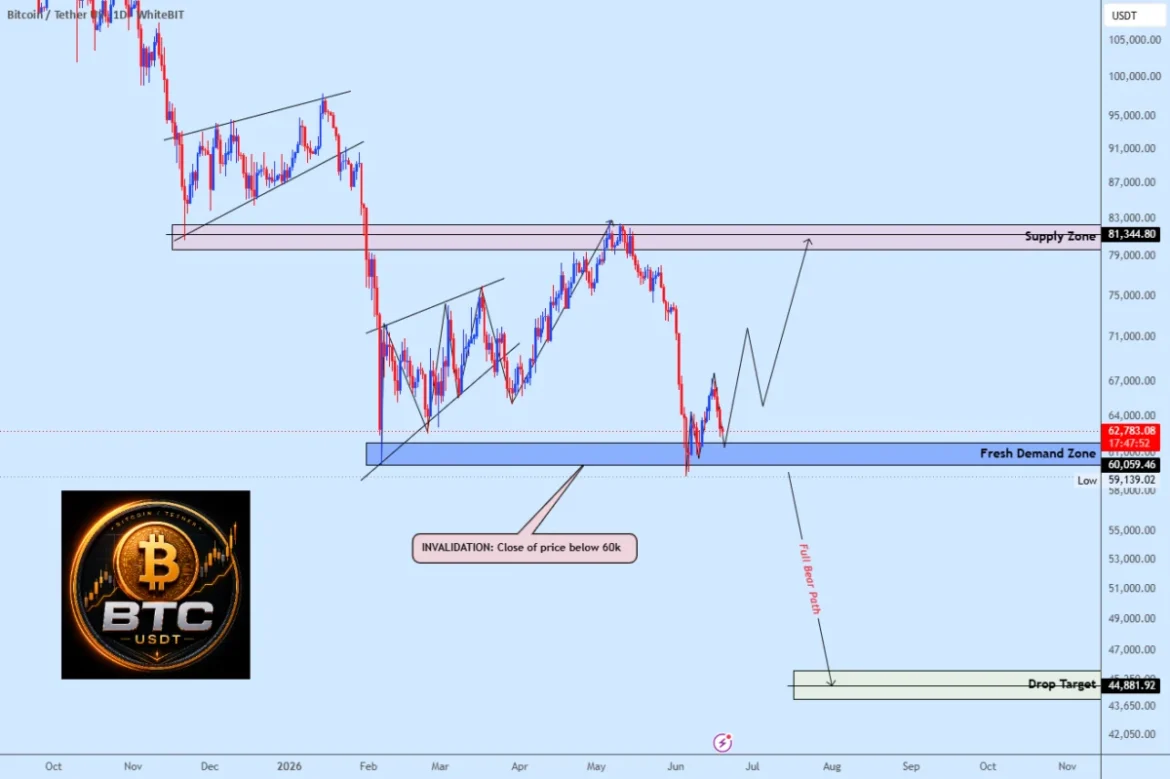
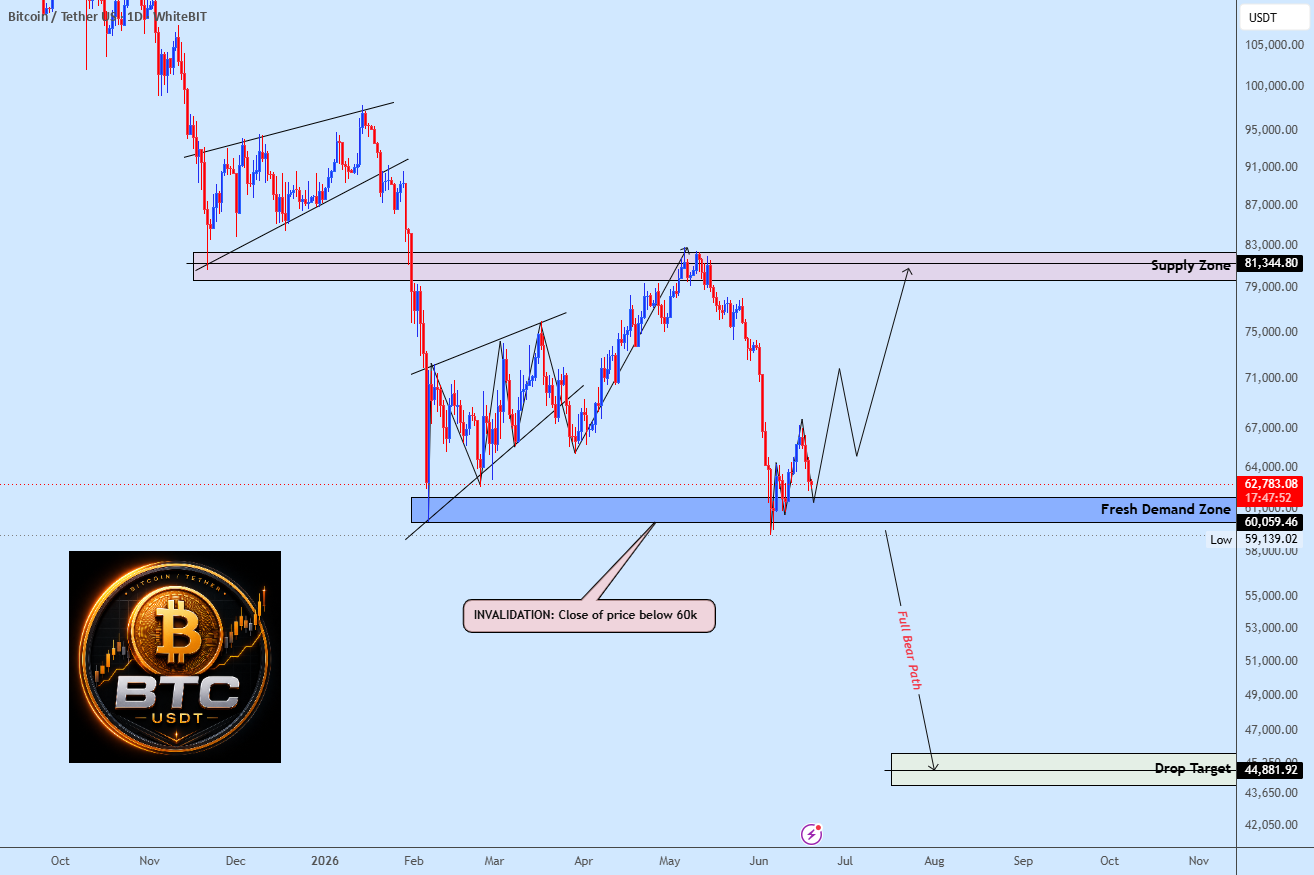
As we look toward the final quarter of the year, the stability of the $84,000 support level for Bitcoin will be critical. If this level holds, the market may continue to witness a rotational flow of capital that supports further gains for altcoins. However, if macroeconomic volatility returns, the market could see a quick reversion to the "flight to safety" mentality that characterized much of the previous month.
In summary, the events of September 25 serve as a vital case study in market psychology. They demonstrate that when the "anchor" of the market—Bitcoin—enters a period of rest, the secondary market is more than capable of generating its own momentum. Whether this represents the beginning of a long-term shift or a transient surge remains to be seen, but the data clearly indicates a temporary, yet powerful, widening of risk appetite across the global digital asset landscape. Market participants, analysts, and institutional observers alike will be monitoring the next few sessions closely to determine if this broad-based rally can establish a new, more balanced floor for the total crypto market capitalization.