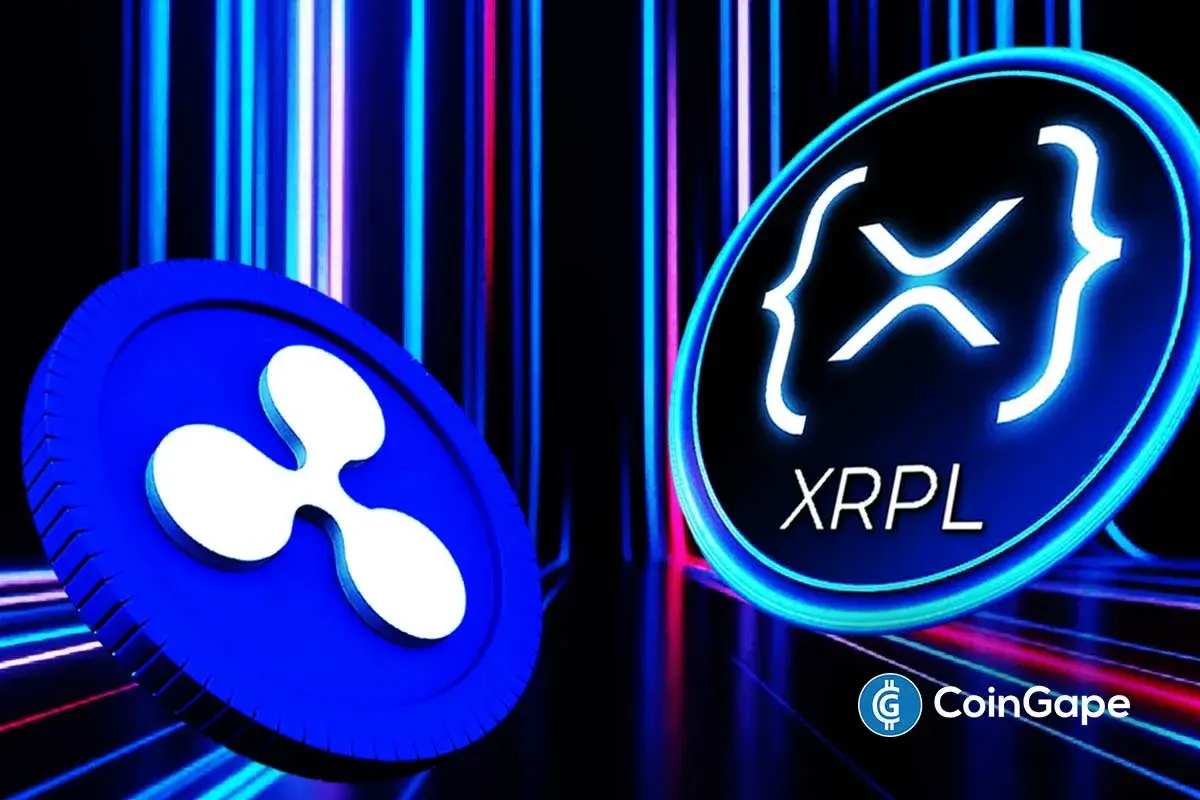
The circulating supply of Ripple’s regulated stablecoin, RLUSD, has officially scaled a new historic peak, with its market capitalization approaching the $2.5 billion threshold as of September 22. This milestone represents a significant achievement for Ripple Labs in its strategic push to capture a larger share of the global institutional payments market. Data aggregated from prominent blockchain analytics platforms, including CoinMarketCap and RWA.xyz, confirms that the asset’s supply has remained consistently between $2.4 billion and $2.5 billion, marking a sustained period of growth rather than a temporary spike.
Concurrent with the ascent of RLUSD, the broader stablecoin ecosystem on the XRP Ledger (XRPL) has experienced a notable expansion. According to data from DefiLlama, the total supply of all stablecoins residing on the XRPL increased by approximately 6% over a seven-day period, reaching a cumulative value of roughly $1.19 billion. When viewed in tandem, these metrics suggest that the "dollar layer"—the infrastructure designed to facilitate fiat-pegged transactions within Ripple’s payments network—is maturing rapidly, transitioning from an experimental phase to a core component of the ledger’s utility.
Chronology of Growth: From Launch to $2.5 Billion
The trajectory of RLUSD has been defined by rapid adoption and strategic integration. While the token is designed to maintain a strict 1:1 peg to the U.S. dollar, its "all-time high" refers specifically to the total circulating supply, a metric that serves as a proxy for institutional demand and utility within the Ripple ecosystem.
In late August, Ripple officially announced that RLUSD had crossed the $2 billion circulation mark. This milestone served as a proof-of-concept for the firm’s strategy to prioritize regulatory compliance and transparency. Following that announcement, the asset entered a phase of steady, consistent growth. By mid-September, market observers and on-chain trackers began noting that the supply was consistently pushing toward the $2.5 billion ceiling. While minor discrepancies exist between various data providers due to differences in snapshot methodologies and real-time minting logs, the consensus among financial analysts is that the token has established a new, higher floor for liquidity.
This growth is not the result of speculative price action—as RLUSD is a stablecoin—but rather the direct consequence of increased minting activity driven by real-world enterprise use cases.
Drivers of Demand: Institutional and Payment Integration
The expansion of RLUSD is primarily attributed to a series of high-profile partnerships and technological integrations that have bridged the gap between traditional finance and decentralized ledgers.
One of the most significant drivers has been the expansion of liquidity incentives. For example, Binance’s decision to integrate support for RLUSD rewards has incentivized users to hold and utilize the token, thereby increasing the on-chain float. Furthermore, the integration of RLUSD into the payment workflows of major global entities has created a "pull" effect for supply. Mastercard’s integration of the token for 24/7 settlement on the XRPL stands as a landmark development, signaling that global payment giants are comfortable utilizing Ripple’s stablecoin for near-instantaneous cross-border settlements.

Additionally, the role of AI-driven payment systems cannot be overlooked. The integration of RLUSD by payment providers like Stripe and Tempo into AI agent payment flows has opened new avenues for automated, high-frequency transactions. By enabling AI agents to handle cross-border payments in a regulated environment, Ripple has tapped into an emerging market that requires the stability of the U.S. dollar coupled with the efficiency of blockchain technology.
Institutional access has been further bolstered by the launch of "Ripple Mint," a platform that provides a direct conduit for financial institutions to mint and redeem RLUSD. This bypasses intermediary hurdles, allowing banks and treasury departments to integrate the token into their balance sheets with greater ease. The collaboration with the BNY Mellon-backed treasury settlement initiatives has also positioned RLUSD as a centerpiece for tokenized reserve operations, providing a reliable digital asset for institutions looking to optimize their liquidity management.
Finally, the international expansion into the Japanese market via the SBI Group has provided a crucial regulatory milestone. By securing JFSA (Japan Financial Services Agency) alignment, Ripple has opened the door for Japanese financial institutions to utilize RLUSD, tapping into a massive, highly regulated market that has historically been cautious about digital assets.
XRPL as a Single-Issuer Dollar Rail
The landscape of the XRP Ledger has shifted significantly with the rise of RLUSD. As of the latest reports, RLUSD accounts for more than 92% of the total stablecoin supply on the XRPL. This dominance has effectively transformed the ledger into a "single-issuer dollar rail."

While this concentration confirms the success of Ripple’s execution strategy, it also presents a unique structural profile for investors. On one hand, the dominance of a single, well-regulated issuer minimizes the risks associated with fragmented liquidity and non-transparent reserve management, which have historically plagued smaller stablecoin projects. On the other hand, this centralization means that the "issuer risk"—the potential for failures in reserve management, regulatory standing, or redemption protocols—is concentrated solely with Ripple and its partner, Standard Custody.
This shift highlights a broader evolution in the crypto sector: the move away from speculative, decentralized stablecoins toward institutional-grade, regulated digital assets. The XRPL has effectively overtaken Ethereum in terms of RLUSD supply, a trend that suggests users and enterprises are migrating toward the ledger specifically for its speed, low transaction costs, and integration with the broader Ripple payment stack.
Implications for Investors and the $13 Trillion Treasury Opportunity
The current growth of RLUSD has implications that extend far beyond the immediate statistics of circulating supply. Ripple has long targeted the $13 trillion global treasury market, arguing that current cross-border payment infrastructure is inefficient, slow, and expensive. The ability to circulate $2.5 billion in stablecoin value is a prerequisite for capturing this market, as high liquidity is essential for settling large-scale institutional transactions without causing significant market slippage.
For investors, it is critical to distinguish between issuance and value appreciation. The growth of RLUSD is a sign of platform utility and adoption, which inherently strengthens the ecosystem around XRP, but it is not a direct driver of XRP price volatility. The long-term value for the Ripple ecosystem will be determined by whether this $2.5 billion float converts into a consistent, high-volume payment rail.

Analysts are currently monitoring three key indicators to gauge the health of this ecosystem:
- Supply Stability: Whether the total circulating supply can maintain a floor above $2.5 billion, indicating that users are not redeeming the tokens in mass but are instead keeping them in circulation for active use.
- XRPL Ecosystem Growth: Whether the total stablecoin supply on the XRPL continues to grow beyond the $1.25 billion to $1.5 billion range, which would suggest that RLUSD is encouraging the growth of secondary financial products on the ledger.
- Transparency and Audits: Whether the forthcoming monthly reserve attestations continue to provide the necessary transparency to satisfy both regulators and institutional treasury managers.
In conclusion, the rise of RLUSD to $2.5 billion is a testament to the maturation of Ripple’s institutional strategy. By aligning with global payment giants, securing regulatory approvals in key jurisdictions, and focusing on utility-driven demand, Ripple is positioning the XRP Ledger as a foundational layer for the future of digital finance. Whether this momentum continues will depend on the stability of the regulatory environment and the continued adoption of the token by traditional financial institutions seeking to optimize their cross-border payment and settlement operations. As the market moves toward the next phase of tokenization, the performance of RLUSD will serve as a bellwether for the broader integration of blockchain technology into the global financial system.