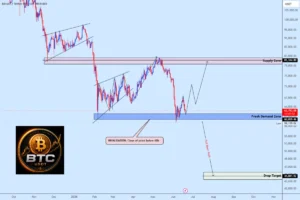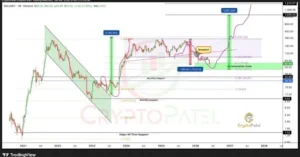
The digital asset landscape is currently navigating a period of profound turbulence, marked by intense headwinds, shifting macroeconomic parameters, and sustained bearish pressure across the altcoin sector. Over the past thirty days, the cryptocurrency market has experienced a significant contraction, with Bitcoin trading below the critical $60,000 threshold and major altcoins such as Ethereum, Solana, and XRP languishing in deep red territory. Despite this pervasive market gloom, structural analysts and long-term investors are increasingly focusing on a select group of assets exhibiting resilience, unique utility, and strong potential for a trend reversal. This comprehensive market overview examines the broader macroeconomic pressures, on-chain metrics, and technical indicators driving the current altcoin cycle, while evaluating the specific digital assets that continue to command investor attention amidst widespread retail panic.
Market Overview and Macroeconomic Pressures
The broader financial ecosystem is currently caught in the crosshairs of tightening monetary policy, shifting liquidity dynamics, and persistent macroeconomic uncertainty. Central bank policies, particularly regarding reserve ratios and interest rates, have created a restrictive environment for risk-on assets. As global liquidity contracts, institutional and retail capital alike are being forced to reevaluate their exposure to high-beta assets such as cryptocurrencies.
The United States Reserve Ratio and shifting Federal Reserve stances have directly influenced capital availability. In an environment where capital is increasingly expensive to borrow, investors display a marked preference for cash equivalents and high-liquidity safe havens. Consequently, the cryptocurrency market has witnessed a notable contraction in total market capitalization, which recently dipped to approximately $2.04 trillion. This generalized decline reflects a palpable contraction in market sentiment, with the Fear and Greed Index sliding further into neutral-to-fear territory.
Furthermore, traditional market correlations have played a substantial role in shaping digital asset valuations. Traditional equities, particularly technology-heavy indices, have experienced bouts of volatility that have systematically bled into the cryptocurrency markets. As macro funds deleverage, digital assets—often viewed as the vanguard of high-risk investment vehicles—bear the brunt of institutional portfolio rebalancing.
On-Chain Metrics and Technical Indicators
The depth of the current altcoin correction is starkly illustrated by recent data compiled by leading on-chain analytics firms, including CryptoQuant. According to their latest findings, a staggering percentage of altcoins are currently trading below their crucial 200-day moving average (DMA). This technical benchmark is widely monitored by institutional desks and technical analysts to determine macro trends; a sustained position beneath the 200 DMA typically signals a firmly established bear market phase.
Comparing the magnitude of the current drawdown to previous market cycles reveals historical parallels. Since their respective Q4 market peaks, numerous altcoins have suffered devastating losses exceeding 65%. By comparison, Bitcoin has experienced a relatively more modest decline, fluctuating around the 50% threshold. This divergence underscores a flight to quality within the crypto asset class itself, where capital continuously rotates out of riskier alternative tokens and concentrates in the market leader, BTC.
The Total 3 metric, which aggregates the market capitalization of the entire altcoin sector while explicitly excluding Bitcoin and Ethereum, has plunged significantly beneath its 200 DMA. Exchange data from major centralized platforms such as Binance indicates persistent net inflows of tokens, establishing a structural setup prone to further selling pressure. On-chain analysts note that retail participants, battered by months of stagnation, are actively capitulating and liquidating positions to stanch mounting portfolio losses. Simultaneously, a cross-section of short-term whales—large-scale holders who accumulated assets during the initial quarters of the year—has begun systematically distributing their holdings.

Historical Chronology of the Current Underperformance
To fully contextualize the severity of the current market climate, it is necessary to examine the timeline of altcoin performance over the past several years. The digital asset industry operates in distinct multi-year cycles, typically catalyzed by Bitcoin halving events.
Following the historic peaks established in late 2021, the market endured a prolonged crypto winter throughout 2022 and early 2023. The subsequent recovery phase, which began gaining serious momentum in late 2023 and early 2024, saw aggressive capital injections into decentralized finance (DeFi), layer-1 scaling solutions, and meme-based assets. However, the subsequent macroeconomic tightening in late 2024 and 2025 abruptly halted this trajectory.
Industry analysts have highlighted that the current prolonged period of stagnation represents the second-longest underperformance streak for altcoins since 2020. Market historians note that the only comparable episode of sustained suppression occurred during the depths of the previous bear market, a protracted consolidation phase that lasted approximately ten months. This extended duration of capital attrition has severely tested the psychological endurance of retail investors and institutional market makers alike, leading to diminished trading volumes across centralized and decentralized exchanges.
Performance Analysis of Major Assets
The contagion of the recent sell-off has spared few major digital assets, though the velocity and magnitude of the decline vary significantly across individual tokens.
Ethereum (ETH)
As the undisputed backbone of the decentralized application and smart contract ecosystem, Ethereum’s performance serves as a primary bellwether for the wider altcoin economy. Over the past month, Ethereum has experienced a relentless downward trajectory, stretching sideways trading into another week and sliding an additional 5.2%. This latest move deepens its monthly slump to over 22%. Trading at approximately $1,566, the leading altcoin currently trades significantly below the optimistic projections established by analysts at the start of the year.
Institutional products have similarly reflected this lack of bullish momentum. Spot Ethereum Exchange-Traded Funds (ETFs) recently recorded substantial net outflows, with single-day redemption figures reaching tens of millions of dollars. Despite these headwinds, structural bulls remain resolute, actively pricing in a robust macroeconomic recovery once the broader cycle establishes a definitive structural bottom.
Solana (SOL)
Solana has historically exhibited high volatility paired with rapid recoveries. In the most recent trading sessions, Solana registered a minor daily dip of approximately 1.5%, yet it notably maintains a positive weekly inflow profile. Bucking the wider market trend of capital flight, Solana’s gains stand at roughly 4% over a seven-day window. This relative outperformance is largely attributed to sustained network activity, resilient decentralized exchange (DEX) volume, and continued developer adoption within its high-throughput ecosystem.
XRP
XRP experienced a more pronounced pullback over the same weekly period, recording a decline of approximately 6%. While long-term holders continue to monitor legal and regulatory developments surrounding the asset’s underlying issuer, short-term price action remains tethered to the broader macroeconomic sell-off and the prevailing bearish sentiment dominating centralized order books.

Institutional Outflows and ETF Dynamics
The institutional landscape has undergone a distinct cooling-off period over the past thirty days. Spot cryptocurrency ETFs, which served as the primary narrative engine driving inflows during the early phases of the year, have experienced a dramatic reversal in fortunes.
Data from major financial tracking platforms reveals that both Bitcoin and Ethereum spot ETFs have posted consecutive days of net institutional outflows. For instance, spot Ethereum ETFs recently reported over $133 million in net withdrawals in a single trading session during their early operational weeks, signaling a cautious retreat by institutional asset managers. This institutional hesitancy is directly tied to the aforementioned macroeconomic uncertainties, including shifting interest rate expectations and regulatory scrutiny surrounding digital asset custody and classification.
Market makers and prime brokers report a noticeable drop in aggregate liquidity across order books, exacerbating the impact of large sell orders and contributing to heightened intraday volatility. Consequently, institutional participants are adopting a wait-and-see approach, prioritizing capital preservation over aggressive directional positioning until clear technical reversals materialize.
Broader Impact and Market Implications
The intersection of retail capitulation, institutional outflows, and macroeconomic tightening carries profound implications for the trajectory of the digital asset industry. While short-term pain is evident across the board, historical precedent suggests that prolonged periods of consolidation and maximal bearish sentiment often lay the foundational groundwork for subsequent structural bull markets.
For altcoins specifically, the ongoing flush-out of leveraged long positions and weak hands reduces systemic fragility. Assets that survive this grueling cycle of underperformance typically emerge with stronger, more dedicated holder bases. However, the timeline for a definitive market recovery remains contingent upon external macroeconomic catalysts, such as shifts in central bank liquidity injections, clearer regulatory frameworks in major global economies, and a renewed surge in on-chain utility.
Investors and market analysts alike are closely monitoring key technical levels, exchange reserve balances, and derivative funding rates to identify the early signals of a macro trend reversal. Until such indicators turn definitively positive, the altcoin market is expected to remain range-bound, characterized by heightened selectivity and cautious capital deployment by both retail and institutional market participants.