
The global cryptocurrency market has experienced a significant upward surge as Bitcoin (BTC) officially broke past the $86,000 threshold, marking a notable milestone in its ongoing price recovery. This robust movement has captured the attention of institutional investors, financial analysts, and market observers worldwide, signaling a potential shift in momentum following months of consolidation and cautious trading.

Market Overview and Price Action
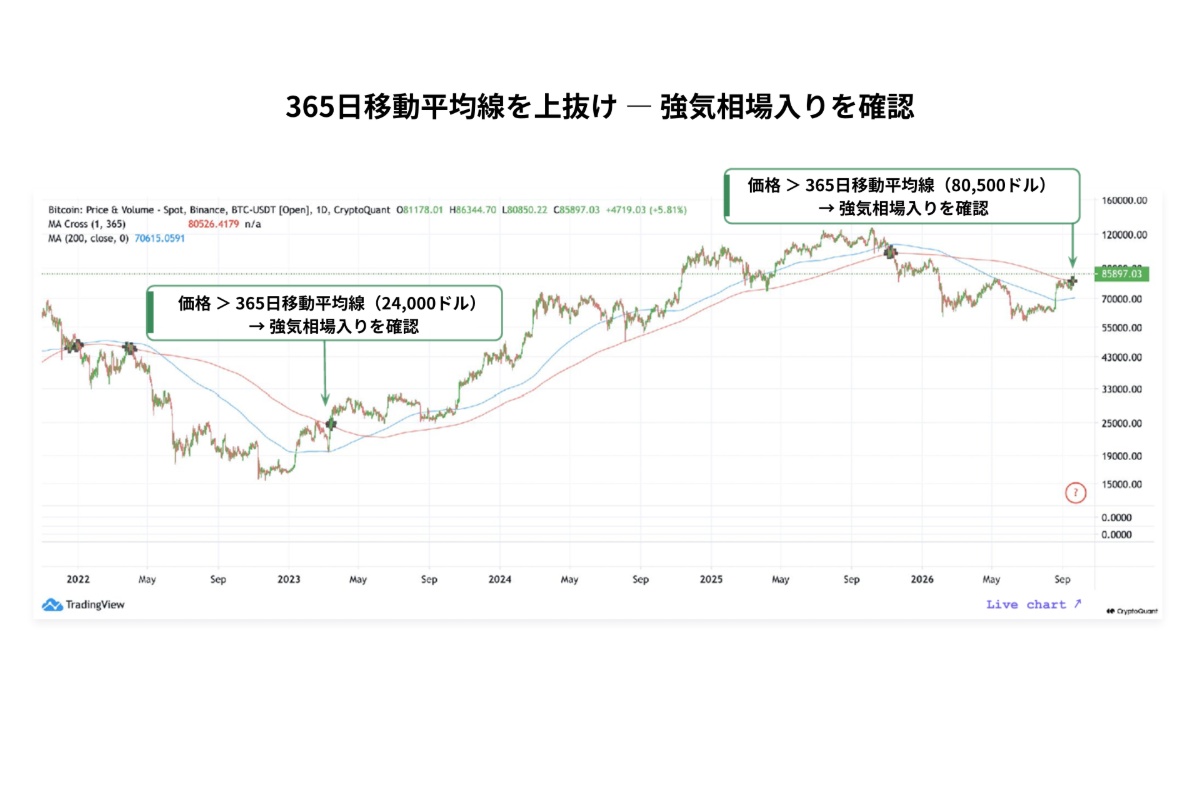
The recent price action demonstrates a strong recovery trajectory for the world’s leading digital asset. Market data highlights a steady climb from earlier trading ranges, where Bitcoin fluctuated between the $75,000 and $80,000 levels. Over the course of subsequent weeks, buying pressure intensified, pushing the cryptocurrency through successive resistance barriers. Analysts tracking daily volume metrics noted substantial capital inflows, culminating in the decisive breach of the $86,000 mark.
This upward movement has not occurred in a vacuum. It coincides with a broader resurgence in risk-on sentiment across global financial markets. Traditional macroeconomic indicators, combined with evolving regulatory clarity in major jurisdictions, have created a more favorable environment for digital asset adoption. Consequently, trading volumes across major centralized and decentralized exchanges have expanded notably, reflecting renewed participation from both retail and institutional cohorts.

Institutional Inflows and ETF Dynamics
A primary driver behind Bitcoin’s sustained climb is the continuous maturation of exchange-traded funds (ETFs). Spot Bitcoin ETFs, which were introduced to major traditional financial markets following years of regulatory deliberation, have continued to record consistent net inflows. These financial vehicles have effectively bridged the gap between conventional equity markets and decentralized digital assets, allowing institutional portfolios to gain direct exposure without the complexities of direct custody.
Recent reports from prominent financial institutions, including JPMorgan Chase, have scrutinized the evolving dynamics of these spot ETFs. Analysts at the firm noted that while institutional capital inflows have experienced cyclical fluctuations, the overall structural demand remains resilient. The ability of spot ETFs to absorb selling pressure and provide a steady baseline of demand has altered traditional market cycles, smoothing out some of the extreme volatility historically associated with cryptocurrency trading.
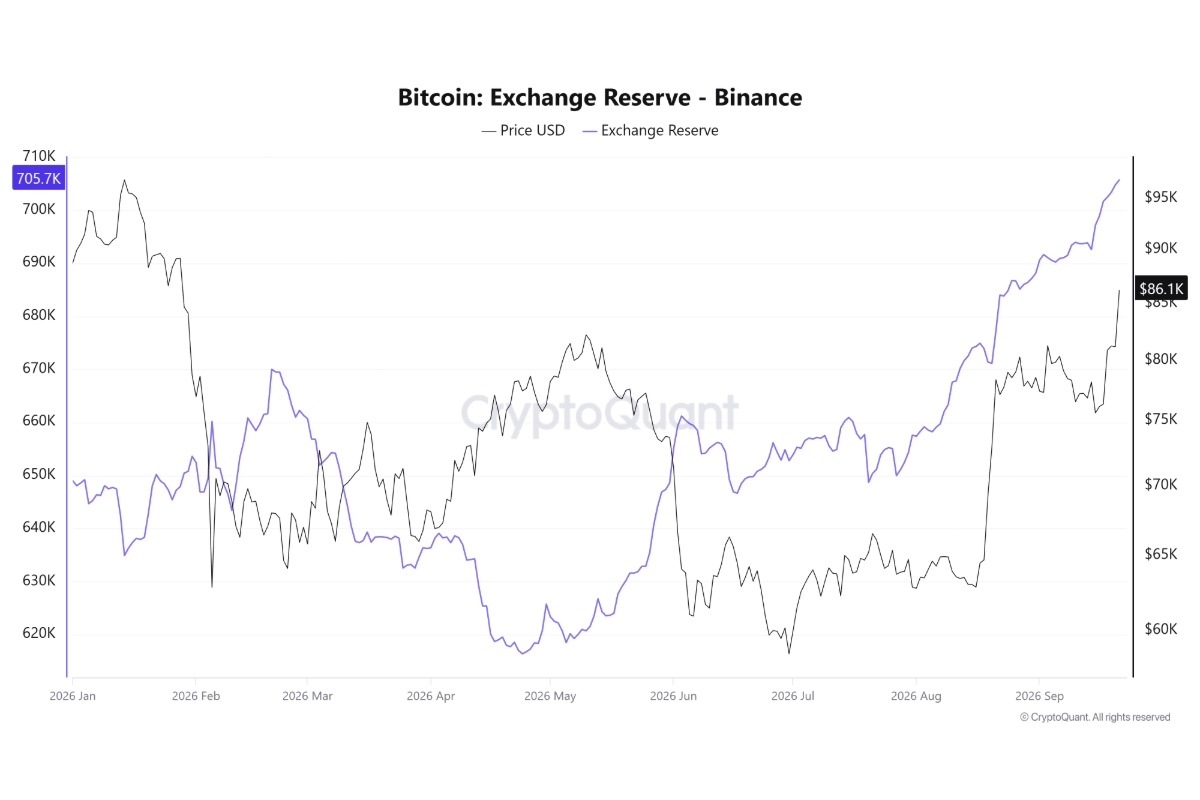
Furthermore, corporate treasury strategies continue to evolve. Notably, entities such as Strategy—led by prominent figures including Donald Trump and associated corporate governance structures—have expanded their digital asset holdings. Recent disclosures indicate substantial accumulations, with corporate reserves scaling toward significant milestones such as the 100,000 BTC threshold. These large-scale acquisitions by corporate entities serve to validate Bitcoin as a legitimate treasury reserve asset, reinforcing confidence among institutional stakeholders.
Chronology of the Rally
To understand the current market position, it is essential to examine the timeline of events that paved the way for the $86,000 milestone:

- Early 2025: Following a period of extended consolidation, Bitcoin began testing higher structural boundaries, supported by accelerating institutional interest and the initial maturation of spot ETF products.
- Mid-2025: Regulatory landscapes in key global markets began to stabilize, providing clearer guidelines for institutional participation and clearing lingering uncertainties that had previously suppressed large-scale capital allocation.
- Late 2025 (October): Corporate treasuries ramped up their acquisition strategies. Several prominent firms reported holding substantial reserves, collectively pushing cumulative institutional holdings toward historic highs.
- Early 2026: Daily trading reports indicated a shift in momentum. Prices steadily advanced from the $75,000 range through the $80,000 threshold, supported by consistent net inflows into spot ETFs.
- Recent Weeks: Buying pressure culminated in a decisive breakout. Daily trading volumes surged, allowing Bitcoin to breach the $86,000 resistance level and establish a new trading paradigm for the third quarter.
Expert Analysis and Industry Reactions
Financial analysts and market commentators have offered varied perspectives on the implications of this price milestone. According to insights published by analytical platforms such as The Block, the resilience demonstrated by spot ETFs during recent market corrections indicates a fundamental maturation of the asset class. Unlike previous cycles, where retail speculation dictated short-term price swings, the current market is increasingly influenced by institutional capital allocation models, risk management frameworks, and long-term investment horizons.
However, industry experts also advise caution. While the structural setup remains constructive, rapid price appreciation often invites short-term profit-taking and increased market volatility. Analysts emphasize the importance of monitoring macroeconomic factors, including central bank policies, inflation data, and regulatory developments, as these variables will continue to dictate the broader trajectory of digital asset valuations.
Broader Implications for the Digital Asset Ecosystem
The successful breach of the $86,000 threshold carries significant implications for the wider cryptocurrency ecosystem. Beyond Bitcoin itself, the renewed capital influx has a spillover effect on altcoins, decentralized finance (DeFi) protocols, and blockchain infrastructure projects. As institutional investors gain familiarity with Bitcoin via regulated financial products, the pathway for broader asset diversification within the digital economy becomes increasingly viable.
Moreover, the integration of Bitcoin into corporate balance sheets sets a precedent for modern treasury management. Companies that previously relied exclusively on traditional fiat reserves are now evaluating digital assets as a hedge against currency devaluation and long-term inflation risks. This institutionalization trend transforms Bitcoin from a speculative retail instrument into a recognized component of diversified global portfolios.

In summary, Bitcoin’s ascent to over $86,000 reflects a convergence of sustained ETF inflows, strategic corporate accumulation, and a maturing market structure. While short-term fluctuations are an inevitable characteristic of financial markets, the foundational developments supporting this rally suggest a permanent evolution in how digital assets are perceived and utilized within the global financial architecture.