The rapid evolution of the Web3 ecosystem has ushered in unprecedented opportunities for decentralized finance, digital ownership, and community-driven economies. However, this growth has been shadowed by a persistent increase in sophisticated cyberattacks targeting individual users. Among the most prevalent threats in the current landscape are malicious smart contract interactions that compromise user wallets through "token approvals." As decentralized applications (dApps) become more complex, understanding the technical mechanics of wallet security is no longer an optional skill for investors; it is a fundamental requirement for participating in the digital asset economy.

The Anatomy of a Token Approval Exploit
At the heart of many recent asset drainage incidents is the concept of "token approvals" (often referred to as setApprovalForAll). In the Ethereum ecosystem and other EVM-compatible chains, smart contracts require permission to move or interact with a user’s tokens on their behalf. This function is essential for the operation of decentralized exchanges (DEXs), NFT marketplaces, and lending protocols.

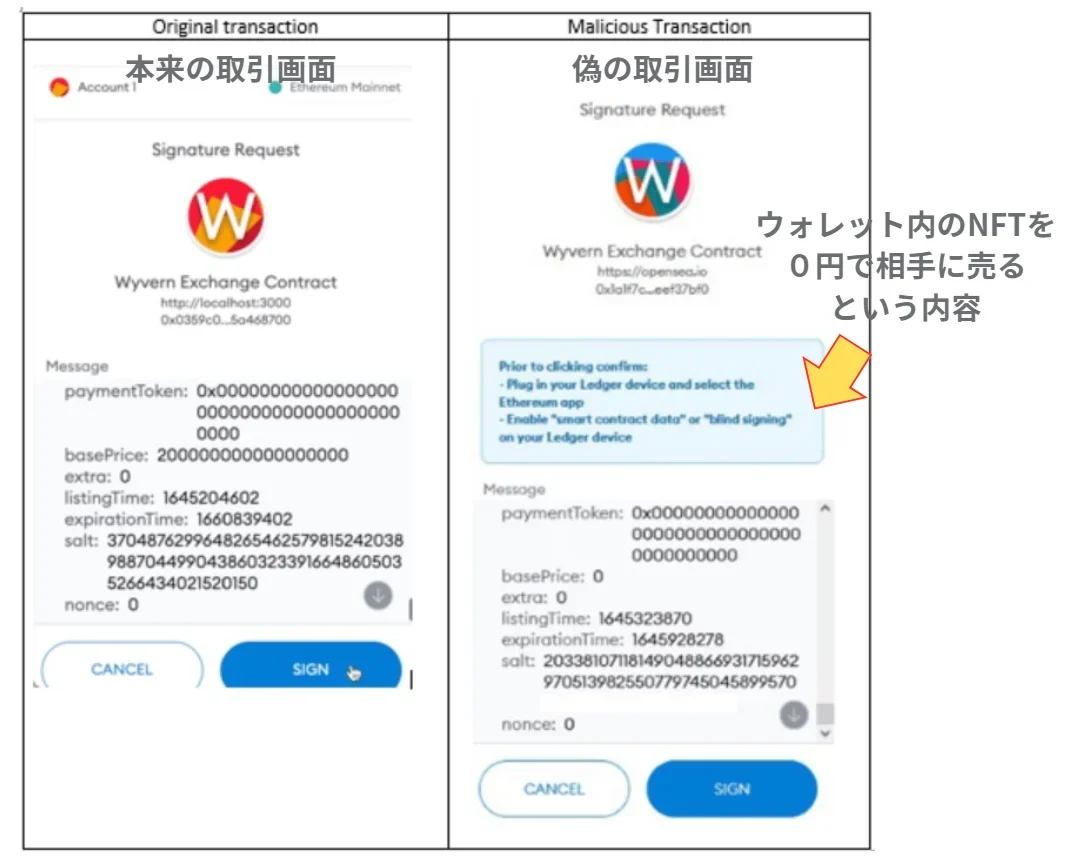
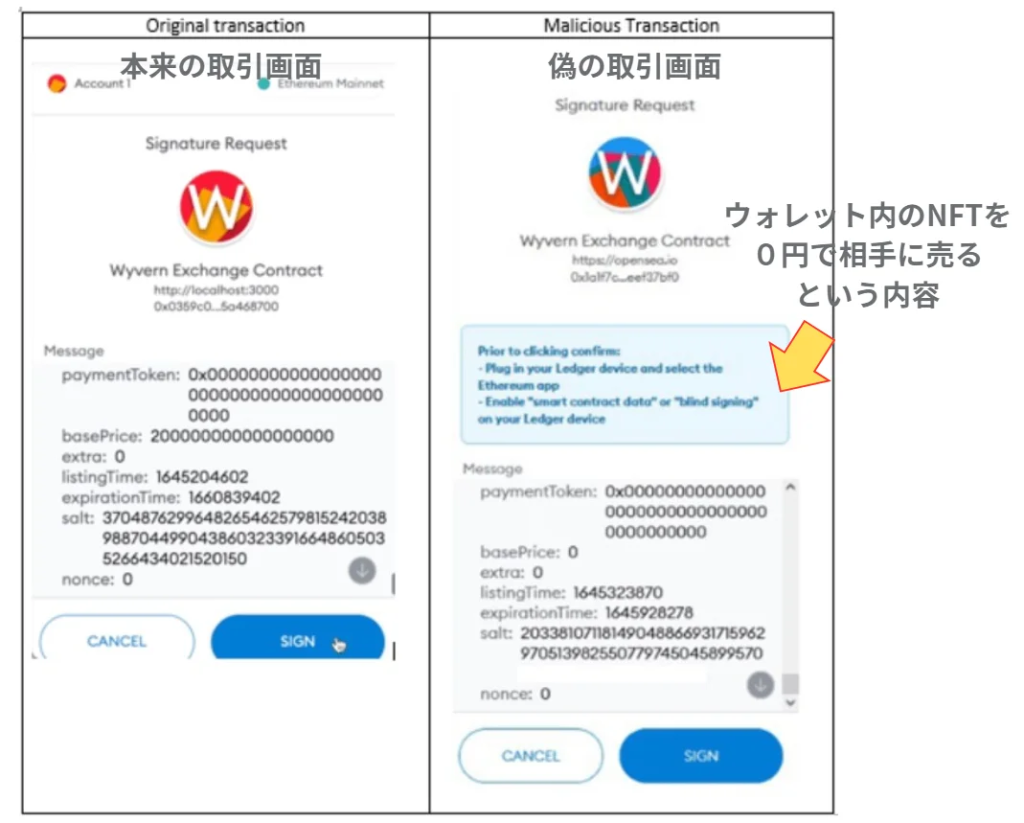
When a user interacts with a legitimate platform, they grant an "allowance" that permits the platform to facilitate a trade or list an item for sale. Malicious actors, however, have developed deceptive interfaces—often mimicking popular NFT projects or decentralized finance platforms—that trick users into signing transactions that grant "infinite" or broad approval over their entire wallet holdings. Once this malicious approval is granted, the attacker no longer needs the user to sign additional transactions to drain their assets. The smart contract essentially has the keys to the kingdom, allowing the perpetrator to systematically withdraw tokens and NFTs at their convenience.

Chronology of a Typical Security Breach
Security experts have observed a recurring pattern in these exploits, which typically follow a standardized timeline:

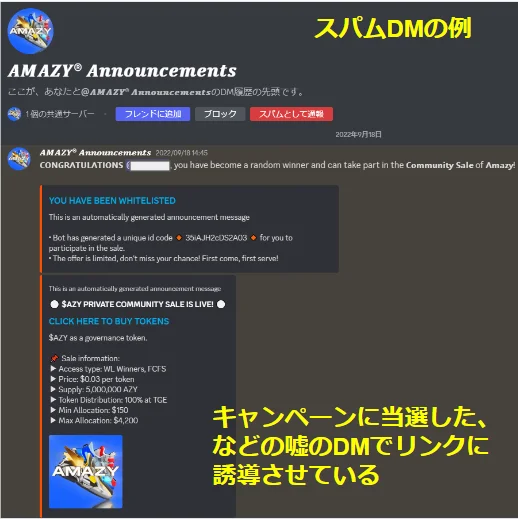
- Initial Contact: The attacker initiates contact via direct messages (DMs) on platforms like Discord or X (formerly Twitter). These messages often masquerade as official support, partnership announcements, or "exclusive" minting opportunities.
- The Phishing Hook: Victims are directed to a malicious website that appears identical to a trusted project. The site often features a "Connect Wallet" button, which is the primary mechanism for the attack.
- The Malicious Transaction: The victim is prompted to connect their wallet. Once connected, a pop-up appears, masquerading as a standard smart contract interaction or a signature request for an "airdrop" or "verification."
- Permission Grant: The victim unknowingly signs a transaction that grants the attacker’s contract full authority over their assets.
- Asset Drainage: The attacker executes the final transaction to move assets from the victim’s wallet to their own, often using automated bots to ensure the process happens within seconds of the approval being finalized.
Analyzing the Impact on Web3 Adoption
The frequency of these exploits poses a significant challenge to the mainstream adoption of Web3 technologies. When users lose substantial value due to deceptive interface designs, it erodes trust in the broader ecosystem. Data from security firms indicates that millions of dollars in digital assets have been lost to approval-based phishing in the past year alone.
This environment has necessitated the development of "security-first" tools. Browser extensions such as Kekkai or Revoke.cash have become essential utilities for the average user. These tools monitor transaction intent and provide warnings when a user is about to grant excessive permissions to a contract. The industry is currently undergoing a shift toward better user interface (UI) standards, where wallets are increasingly displaying clear, human-readable explanations of what a transaction entails, rather than cryptic hexadecimal strings.

Defensive Strategies and Best Practices
To safeguard assets in an era of increasing sophistication among bad actors, users must adopt a multi-layered defensive strategy. Relying solely on platform security is insufficient; individual vigilance is paramount.
1. Managing Token Approvals
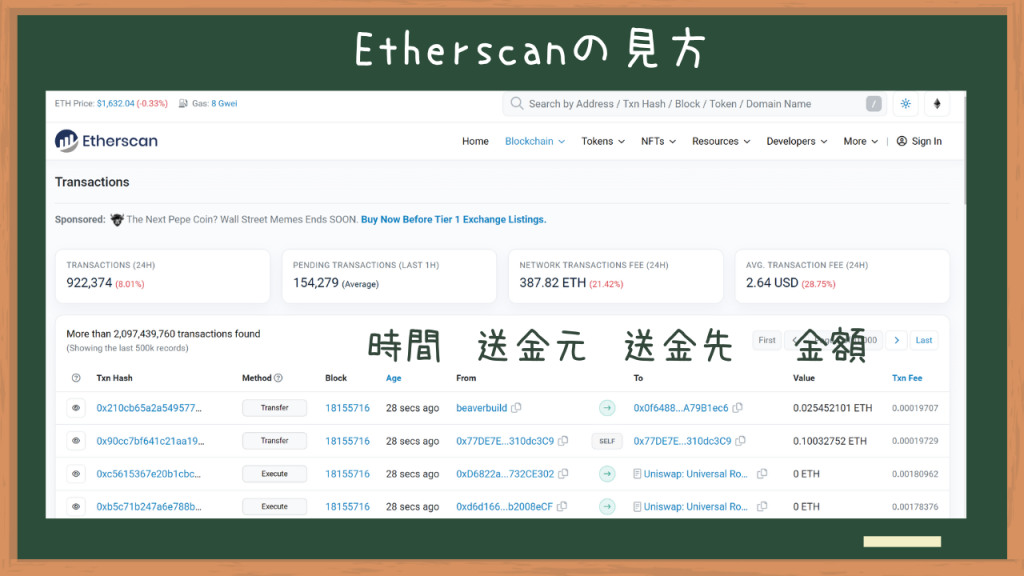
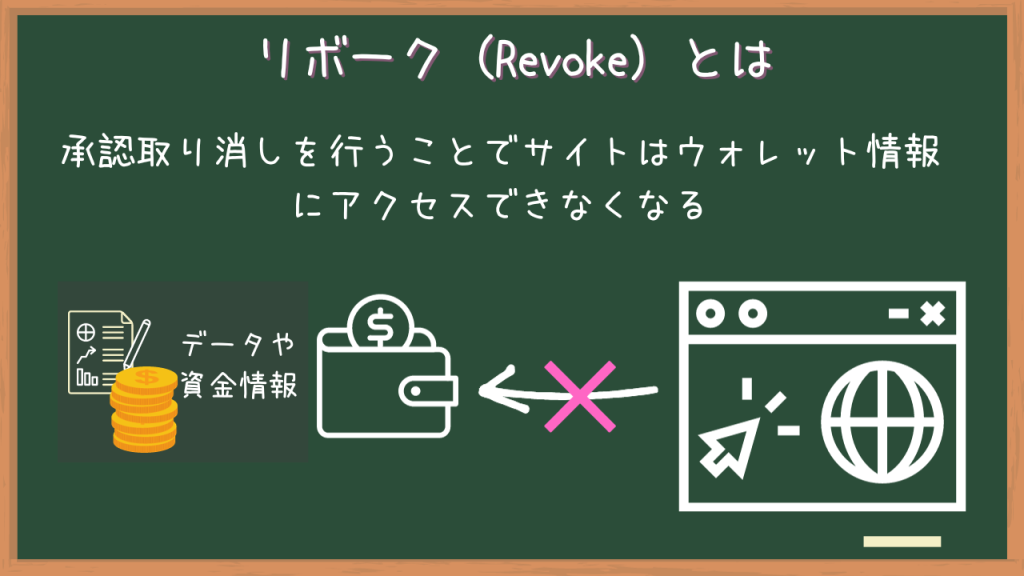
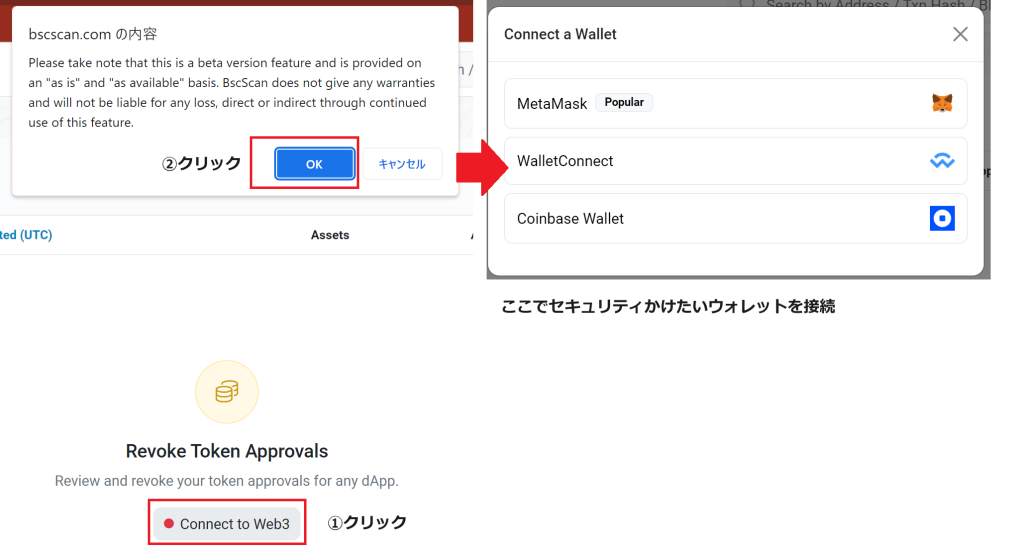
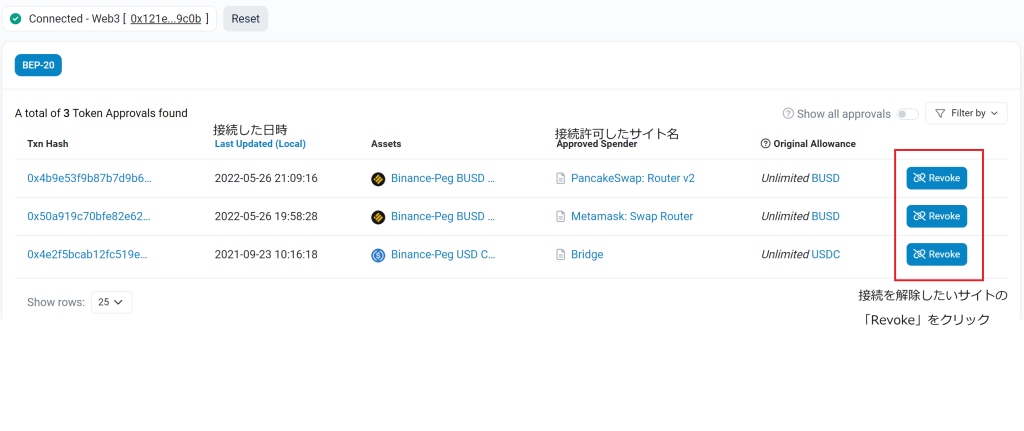
Regularly auditing your wallet’s active approvals is a critical hygiene practice. Users should utilize reputable block explorers—such as Etherscan for Ethereum or BscScan for Binance Smart Chain—to view the contracts they have authorized. The "Token Approval" tab on these sites allows users to see exactly which dApps have access to their assets and, crucially, provides an interface to revoke those permissions.
2. Adopting a Cold Storage Strategy
One of the most effective ways to mitigate risk is the use of a "cold" or hardware wallet for long-term storage of high-value assets. By keeping a majority of assets on an offline device and using a "burner" wallet—a wallet with minimal funds—for daily interactions with new or unverified dApps, users significantly limit their exposure. If a burner wallet is compromised, the primary holdings remain safe.

3. Practicing DM Caution
A golden rule in the crypto industry remains: no legitimate project or support team will ever initiate a private message to ask for your seed phrase, private keys, or wallet connection. Any unsolicited DM offering "support" or "exclusive access" should be treated as a malicious attempt to steal credentials. Furthermore, never click on links provided in direct messages, even if they appear to come from trusted contacts, as accounts are frequently compromised and used to propagate phishing links.
The Role of Transparency and Education
The burden of security does not rest entirely on the user; developers and project teams have a profound responsibility to foster a safer environment. This includes rigorous auditing of smart contracts, clear communication regarding project updates, and the implementation of user-friendly security features.
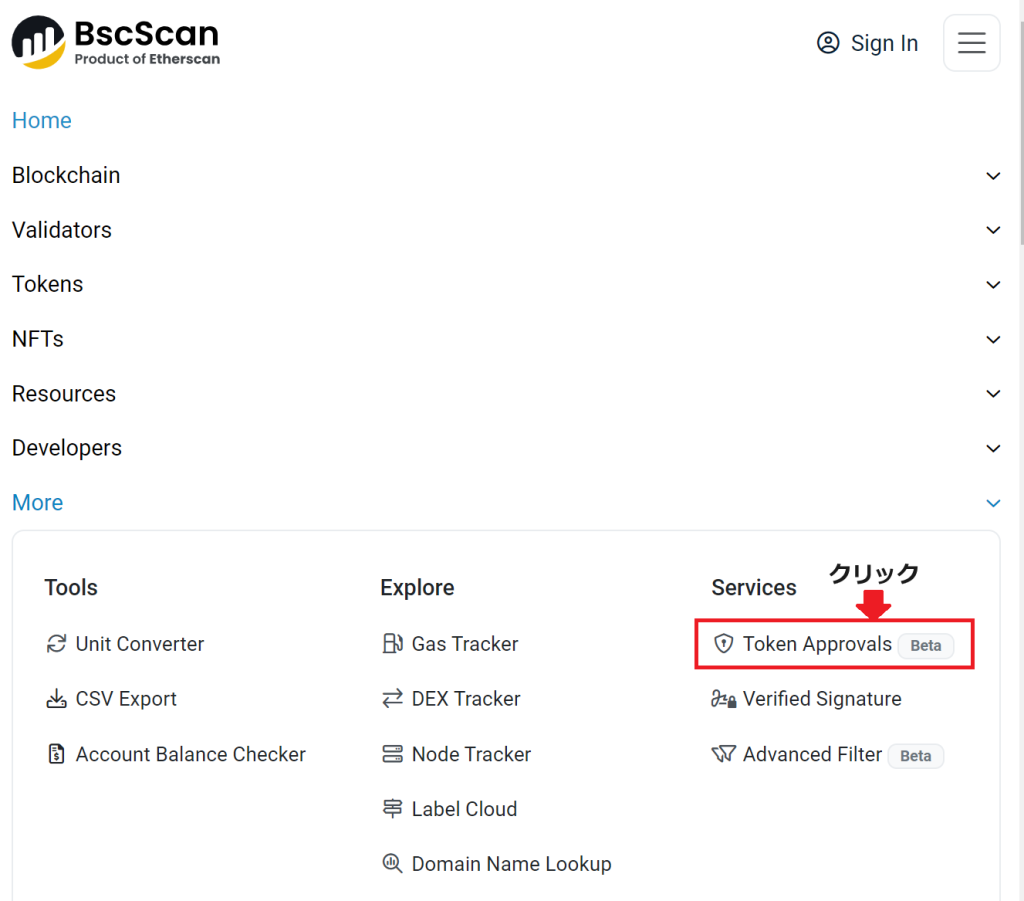
When a project experiences a security breach, the response must be swift and transparent. Affected users should be guided on how to revoke malicious permissions immediately to prevent further loss. Official communications should be limited to verified channels, and projects should proactively educate their communities on how to identify phishing attempts.
Future Outlook: Toward a More Secure Infrastructure
As the technology matures, we can expect significant advancements in how wallets handle permissions. The transition toward "account abstraction" is one such development, promising to make security measures like multi-signature requirements and transaction limits more accessible to the average user. By shifting from a model where a single private key controls all assets to a model that allows for more granular control, the Web3 ecosystem can move toward a future where user error is less catastrophic.
In conclusion, while the threat of malicious actors will likely persist, the tools and knowledge available to protect assets have never been more robust. By treating digital asset management with the same seriousness as traditional banking, verifying every transaction before it is signed, and maintaining an active audit of wallet permissions, users can navigate the Web3 landscape with confidence. Security is a continuous process of learning and vigilance, and as the industry moves forward, it is this collective commitment to safety that will define the long-term success and viability of decentralized technologies.