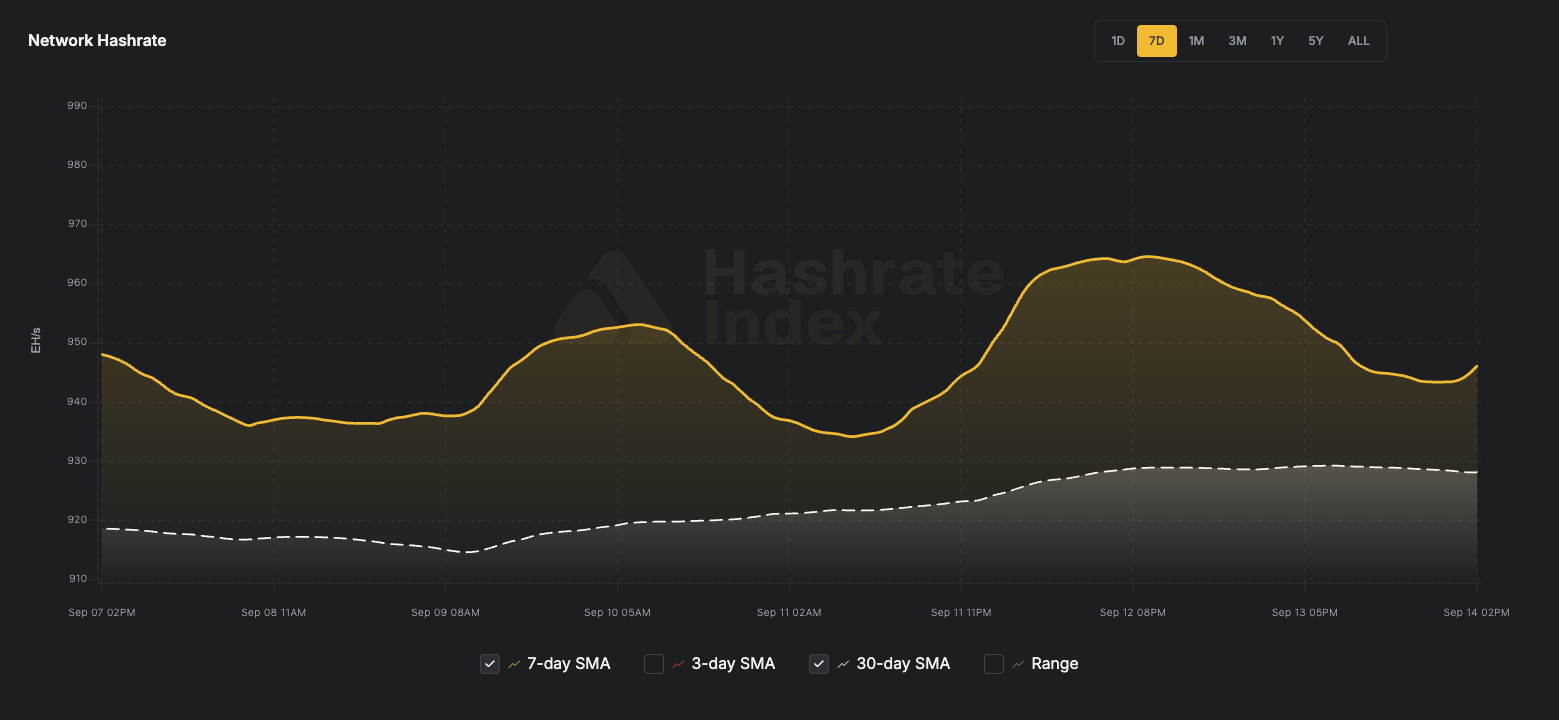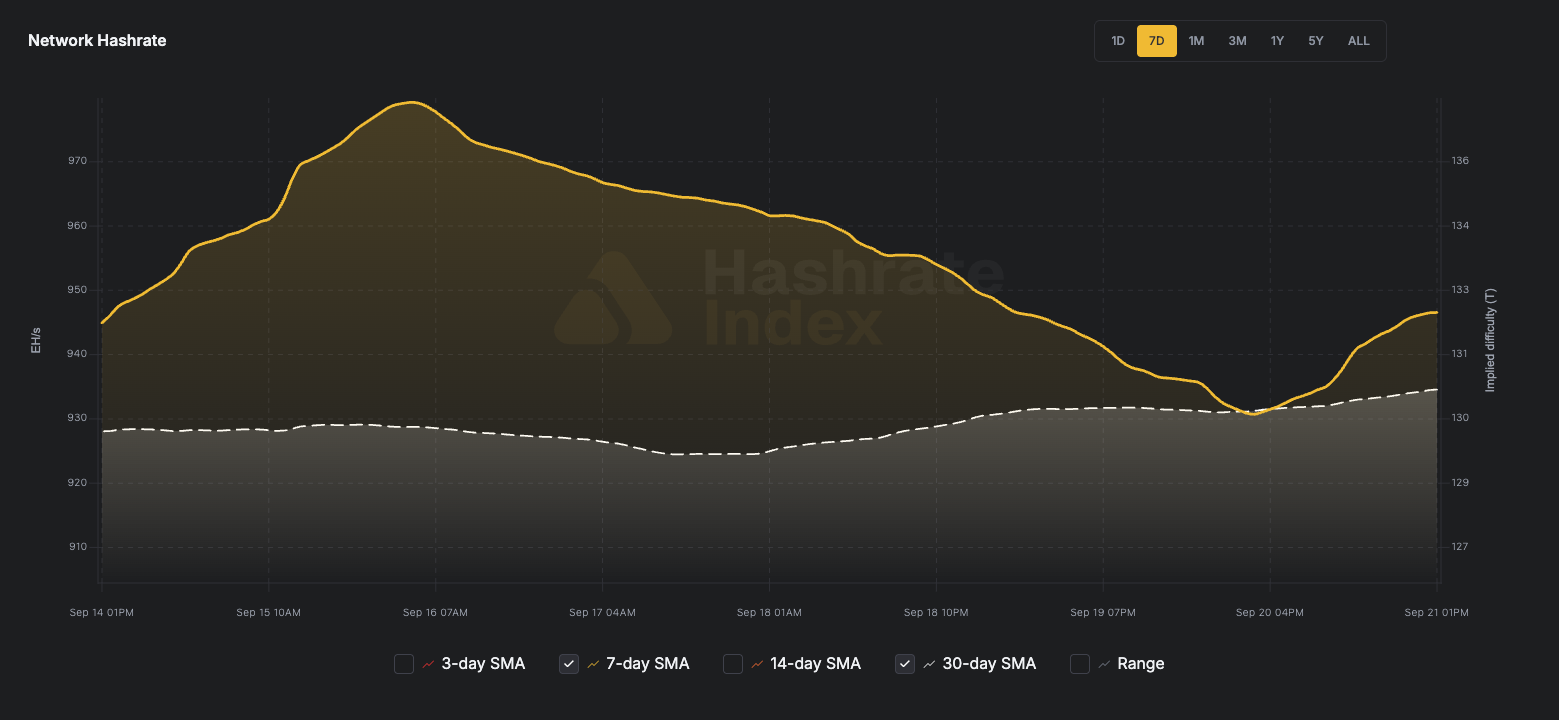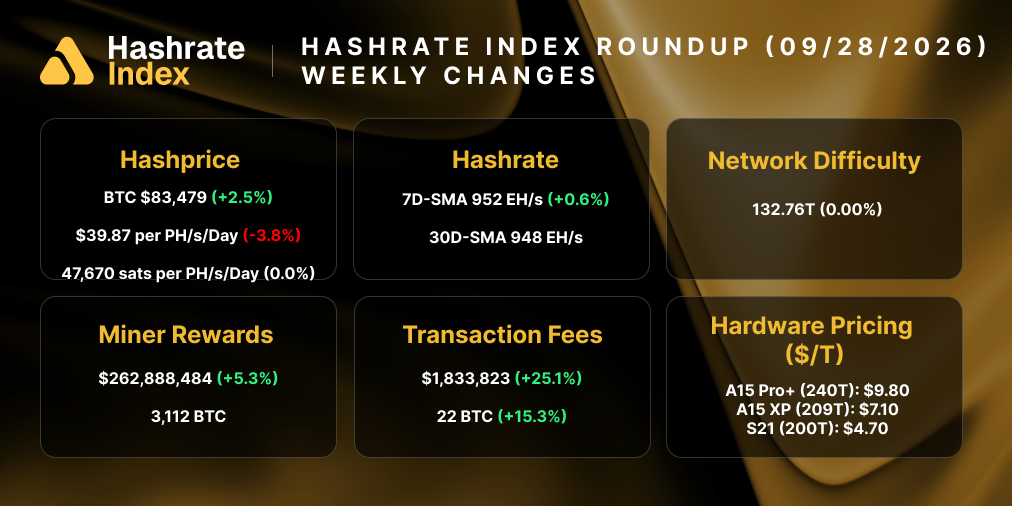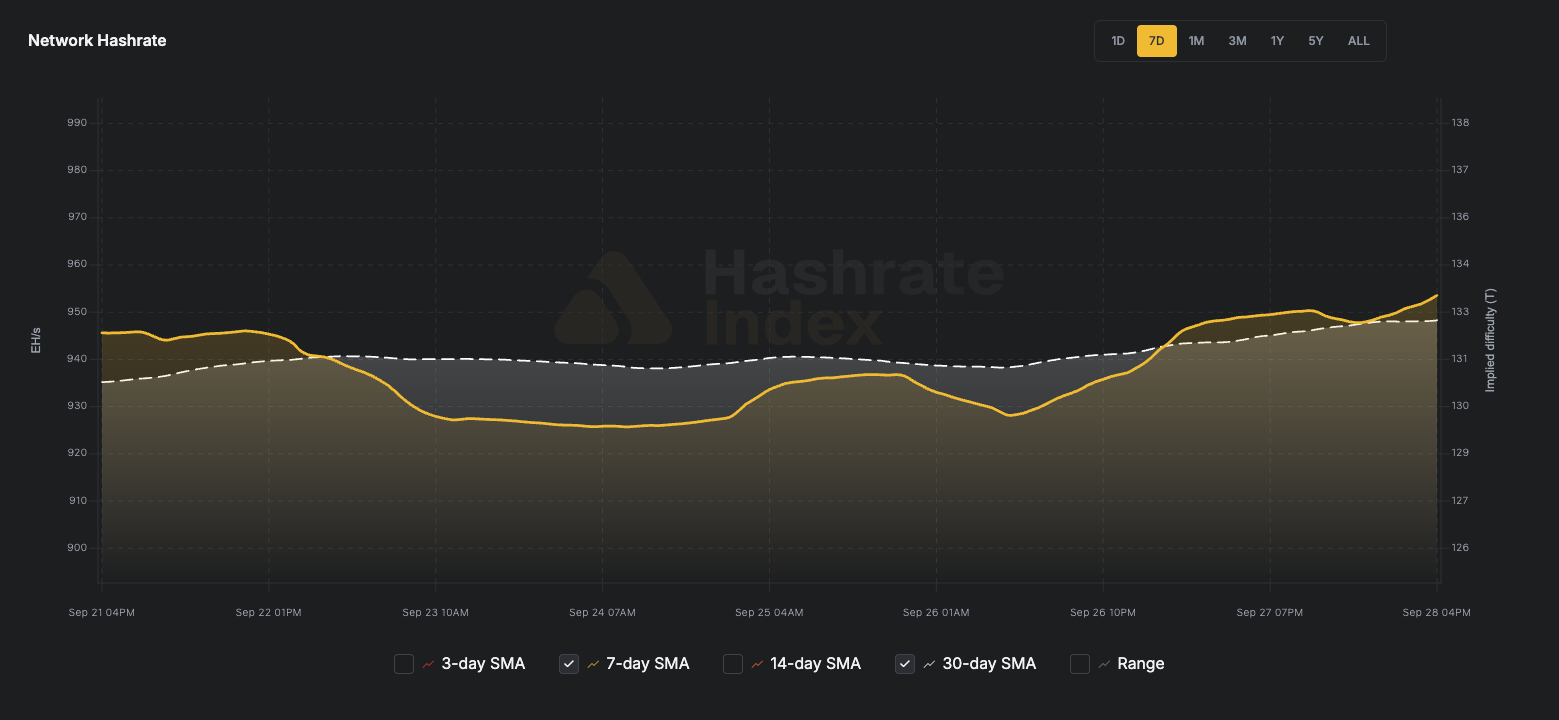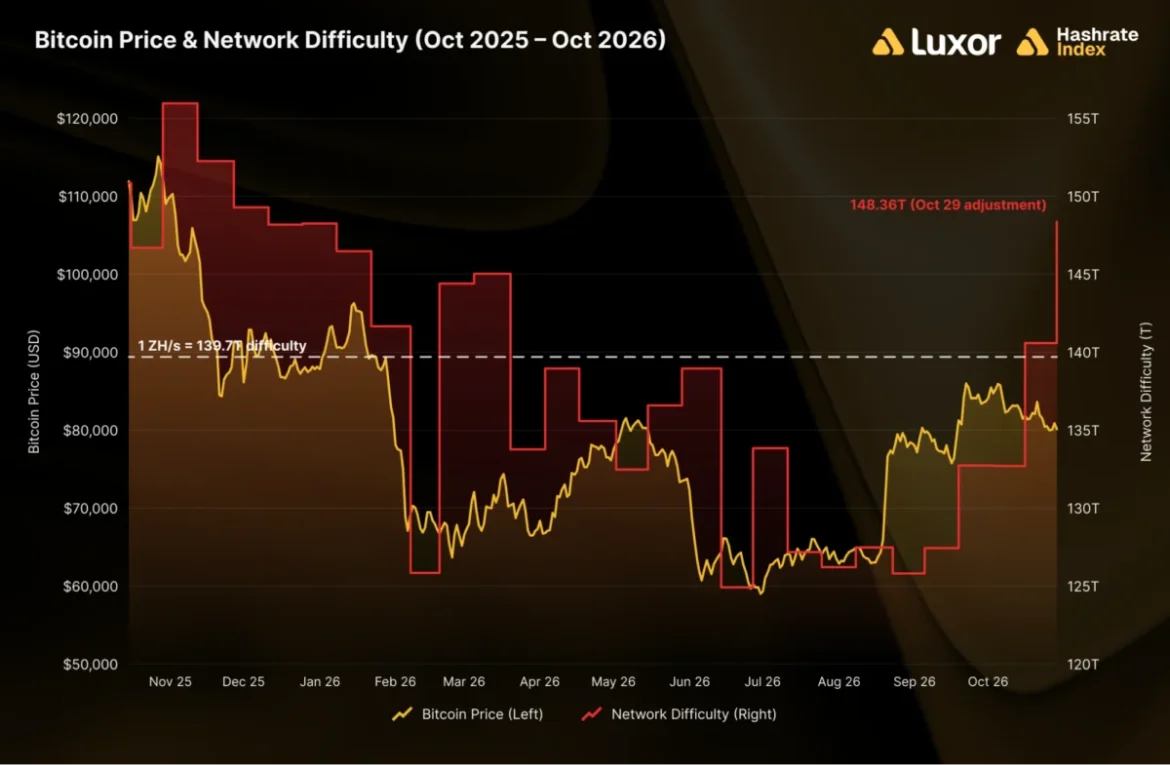
The Bitcoin network has reclaimed a significant milestone, with its total hashrate surging back above the 1 zetahash per second (ZH/s) threshold. This recovery, confirmed following the network difficulty adjustment at block 971,712 on October 16, 2026, marks the end of a prolonged period of stagnation. For fifteen consecutive adjustments—a span stretching back to March 20, 2026—the network had operated below the 1 ZH/s equivalent, which corresponds to a network difficulty of 139.70T. Following the mid-October milestone, a subsequent adjustment on October 29 pushed the difficulty even higher to 148.36T, representing a 5.54% increase and solidifying the network’s upward momentum.

This resurgence arrives after a year of volatile adjustments and macroeconomic shifts within the mining industry. To understand the current landscape, one must look back to the peak of the previous cycle in October 2025. At that time, the Bitcoin network reached an all-time high hashrate of 1,156 EH/s (on a 7-day average), with network difficulty following suit to reach a record 155.97T. This period coincided with Bitcoin’s price peaking at $124,485 and hashprice—the revenue a miner generates per unit of hashrate—sitting at a robust $46 per PH/s/day. The ensuing twelve months, however, forced a necessary recalibration of the global mining fleet.
The Drawdown: A Year of Contraction and Consolidation

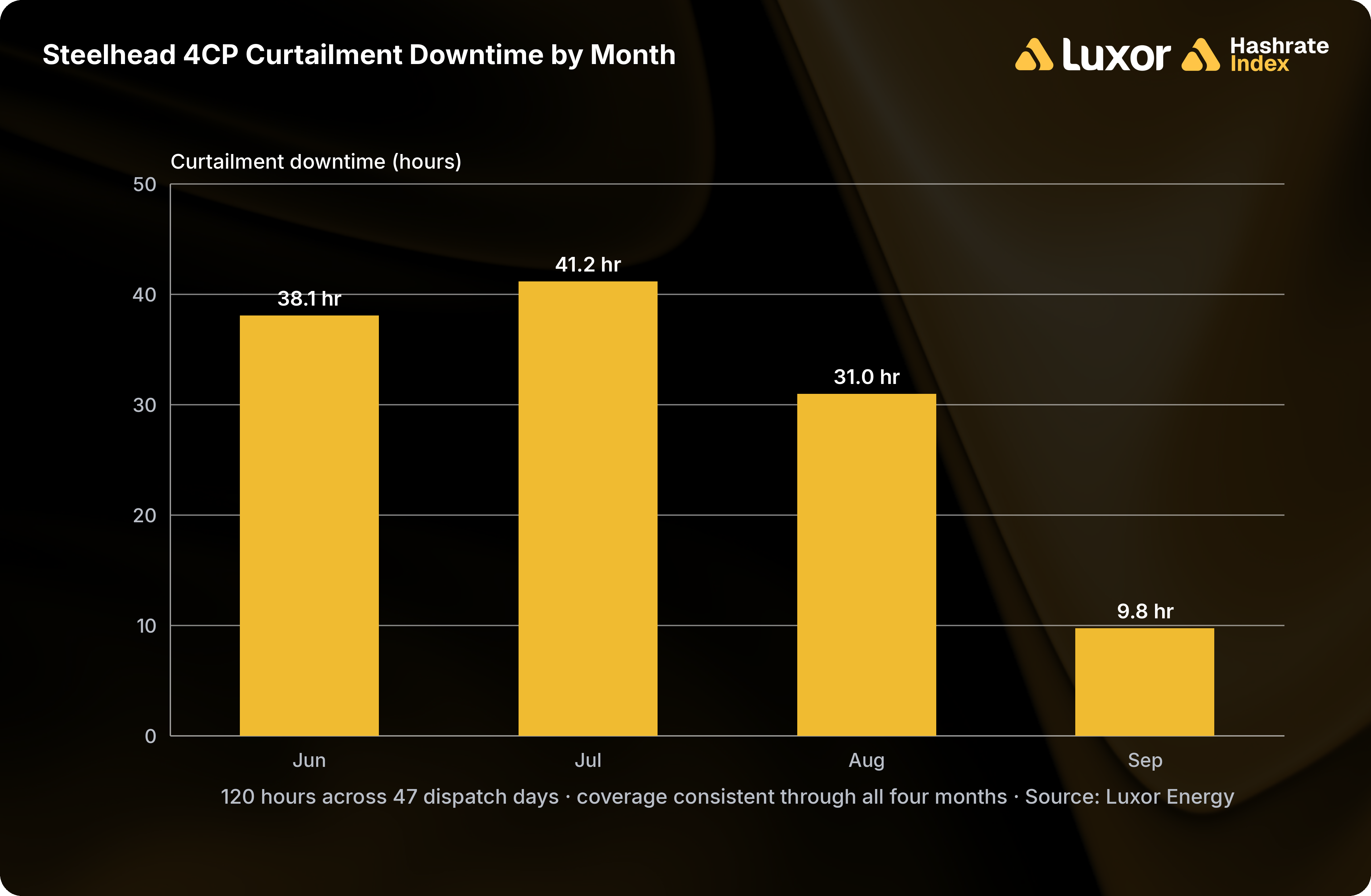
The decline from the October 2025 highs was not the result of a single factor, but rather a convergence of three distinct pressures. First, the natural post-halving cycle created margin compression for less efficient operators. Second, regional power demand spikes, particularly in Texas under the ERCOT grid, forced significant temporary curtailments. Finally, the softening price of Bitcoin throughout the first half of 2026 reduced the profitability of older-generation hardware, forcing miners to either upgrade to more efficient machines or power down entirely.
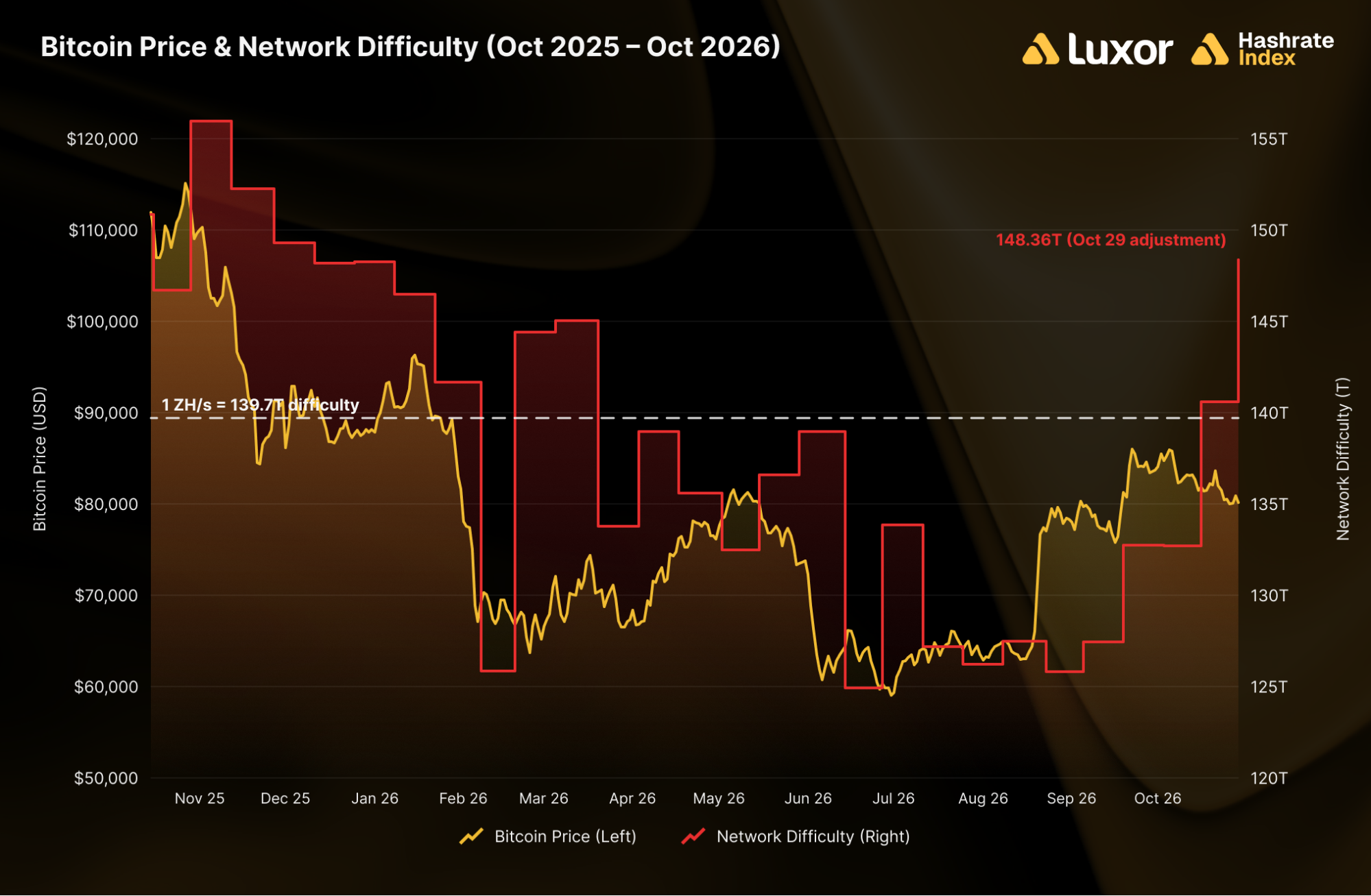
Difficulty adjustments during this period served as a mirror to Bitcoin’s price action. As the price of the asset declined, miners were forced to rationalize their operations. This led to a cycle of negative or flat adjustments that persisted through the spring and summer of 2026. However, as Bitcoin prices began to recover in the late summer, the hashrate followed, albeit with a lag. By October 26, 2026, the 7-day average hashrate reached 1,088 EH/s—the highest level seen since the end of 2025.
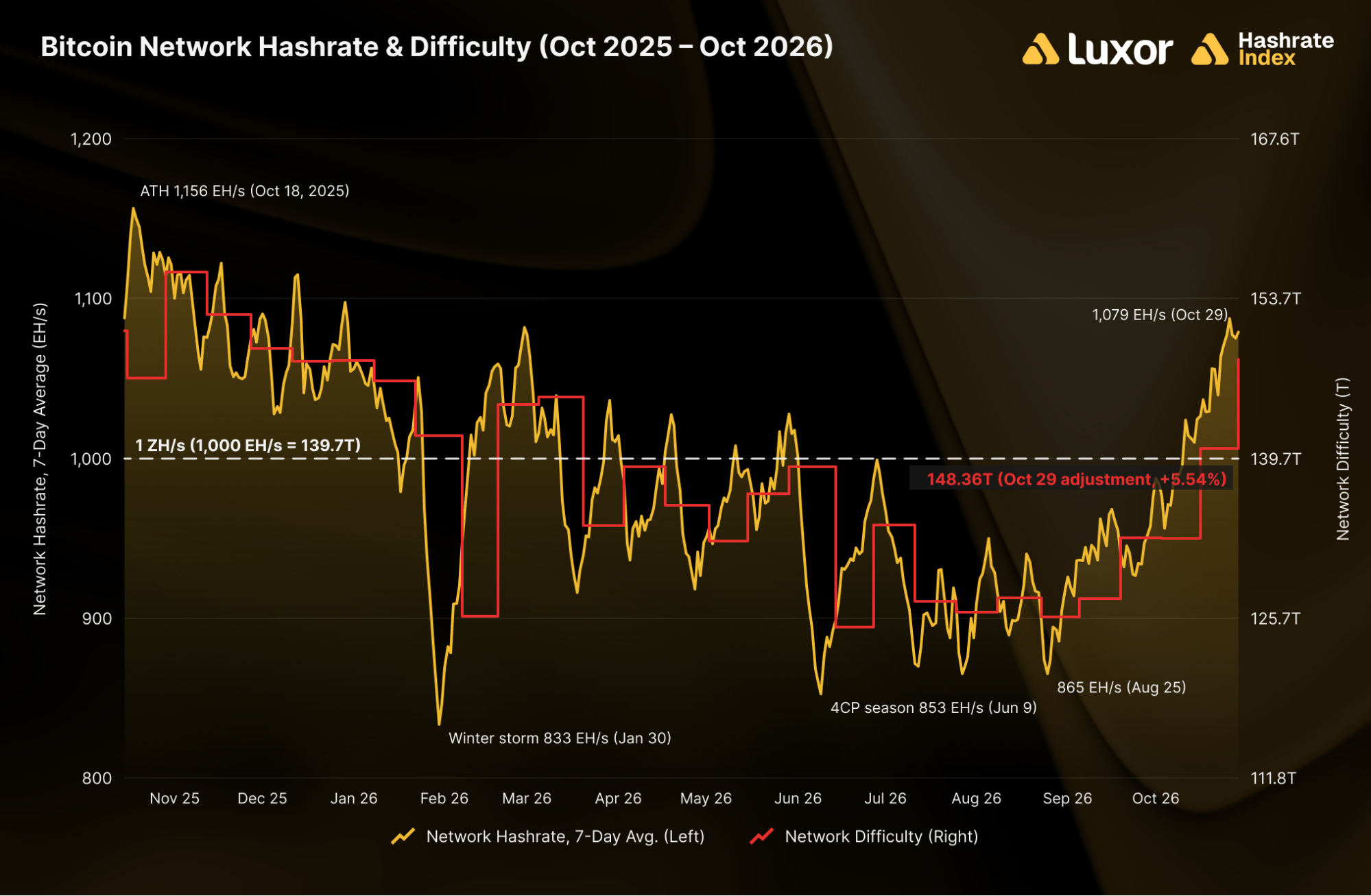
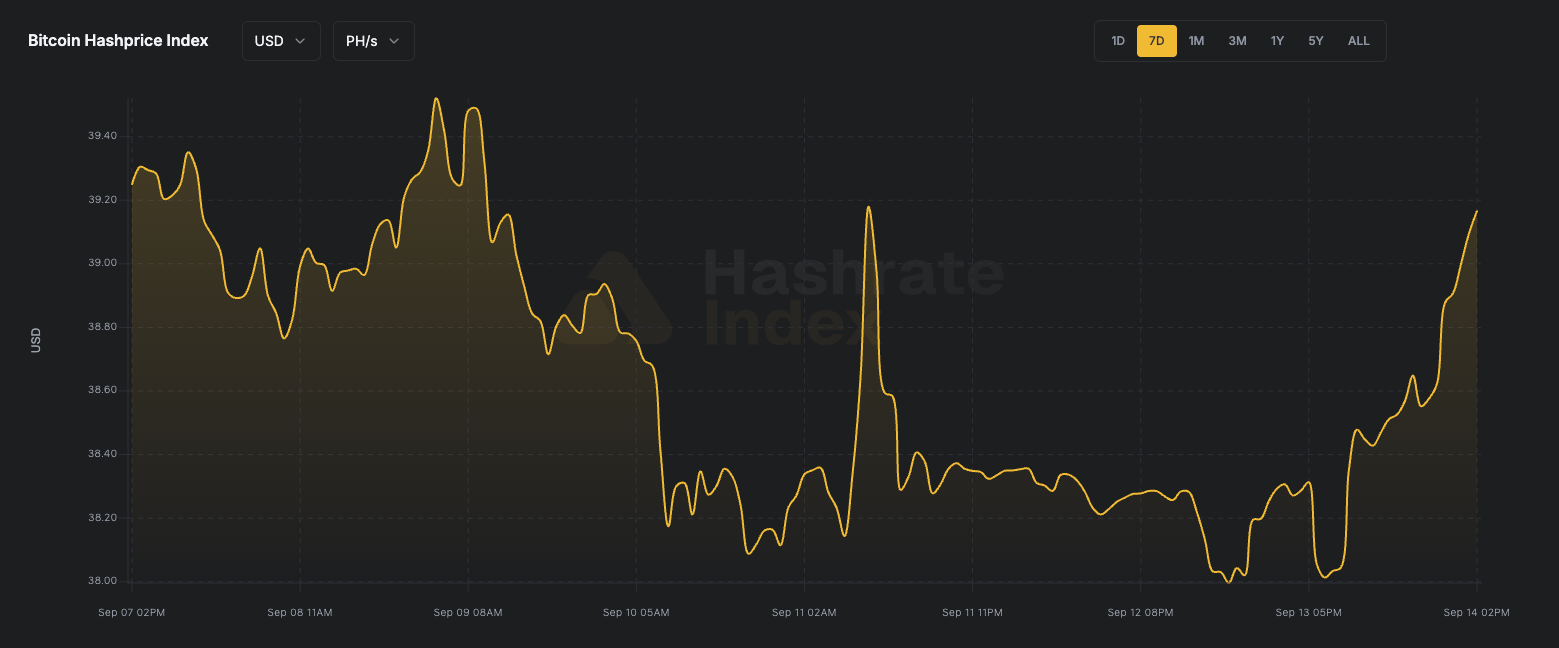
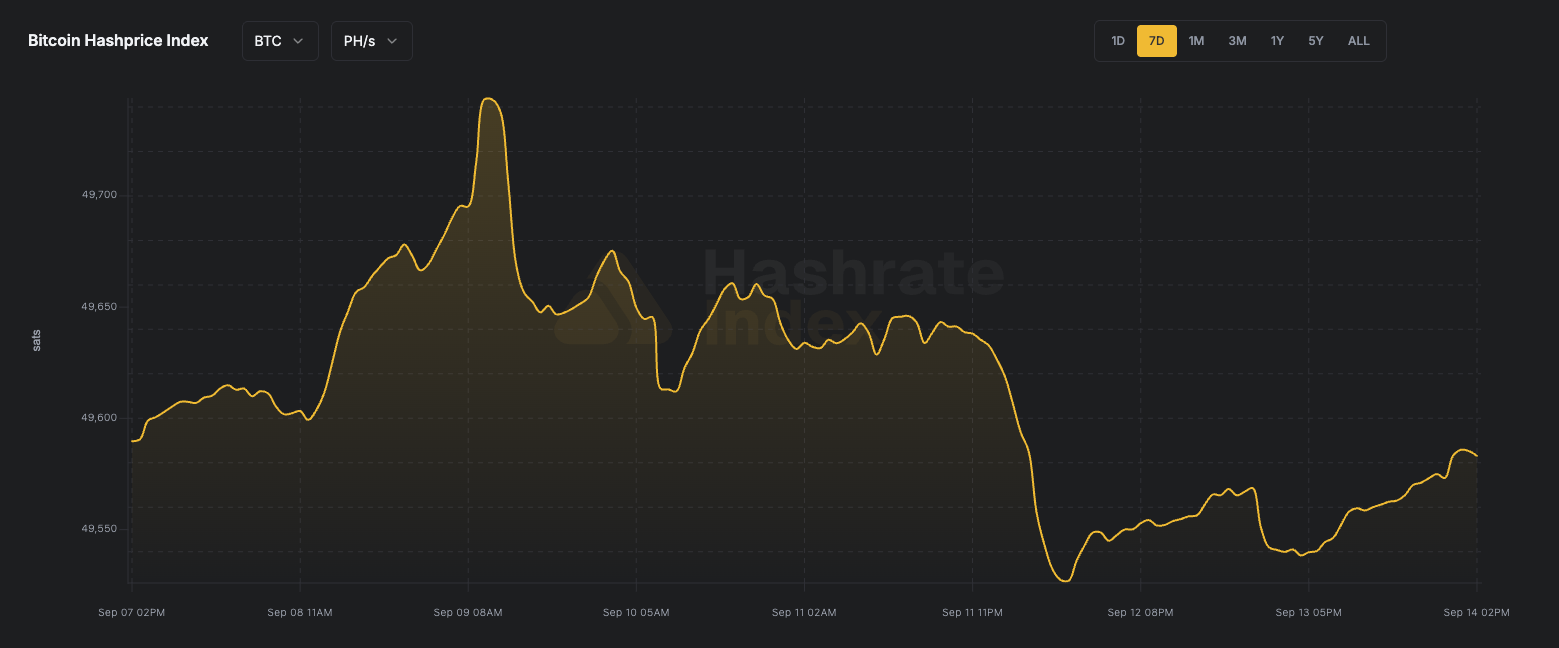
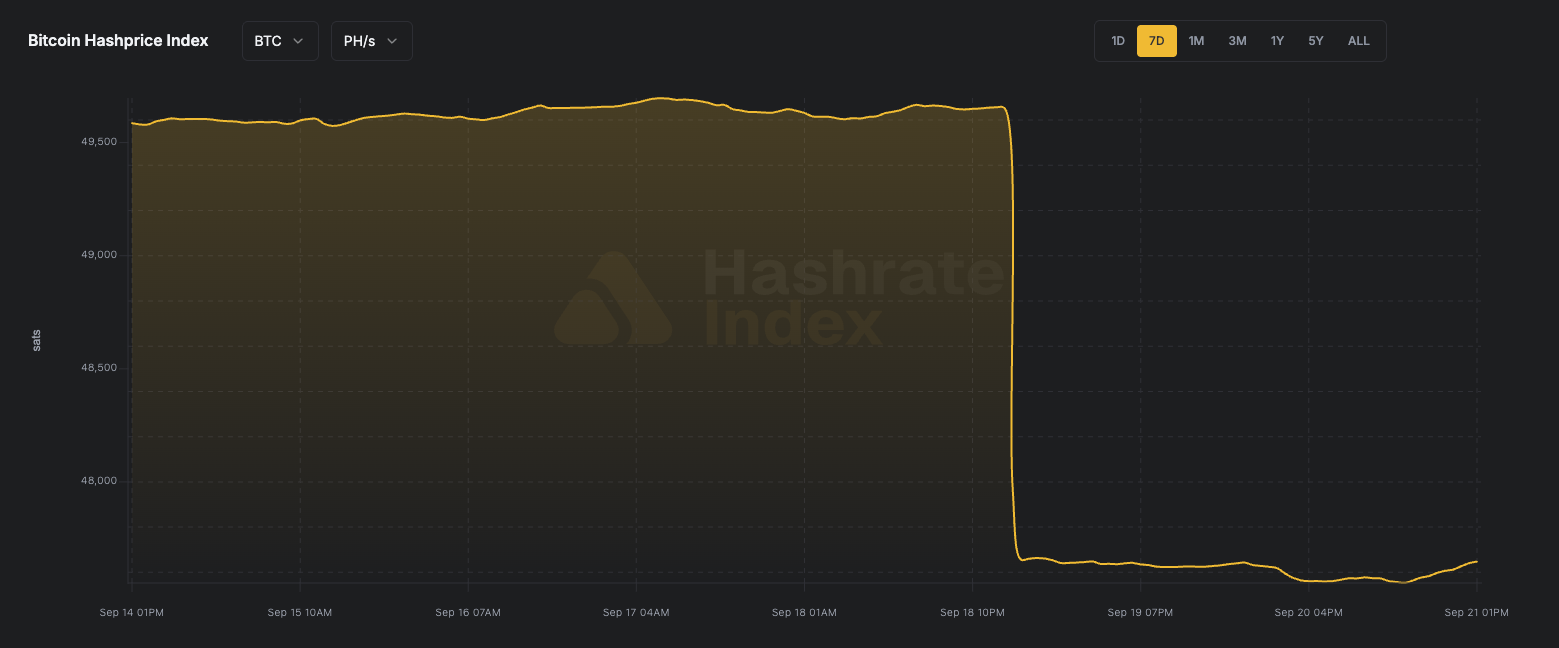
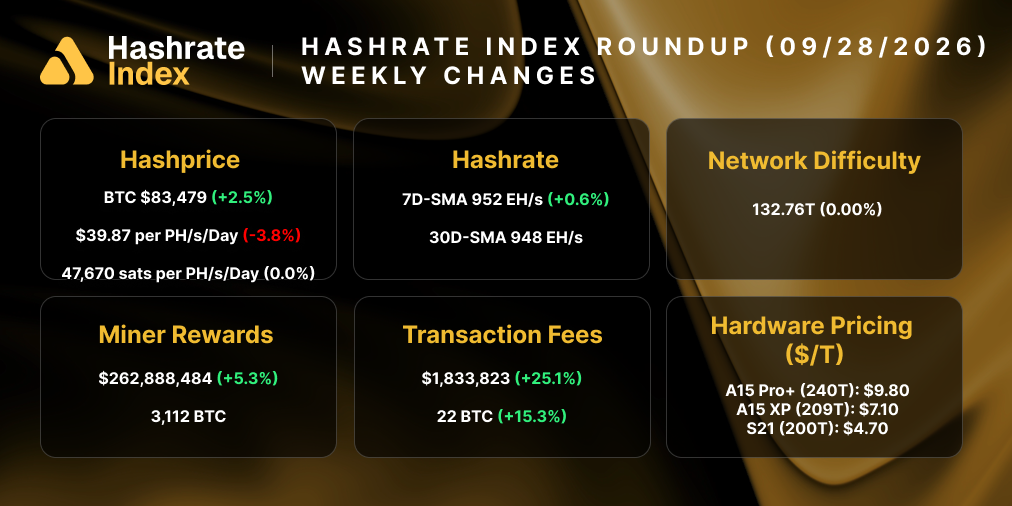
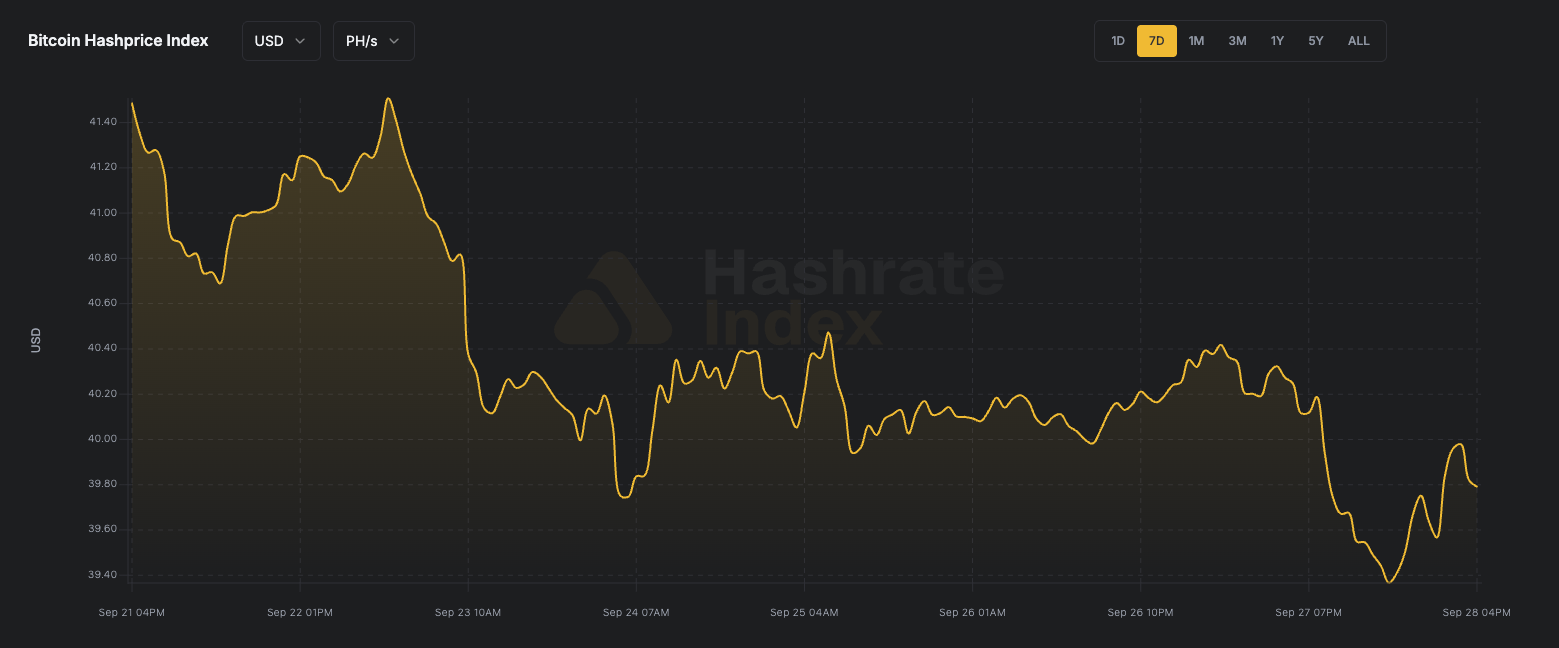
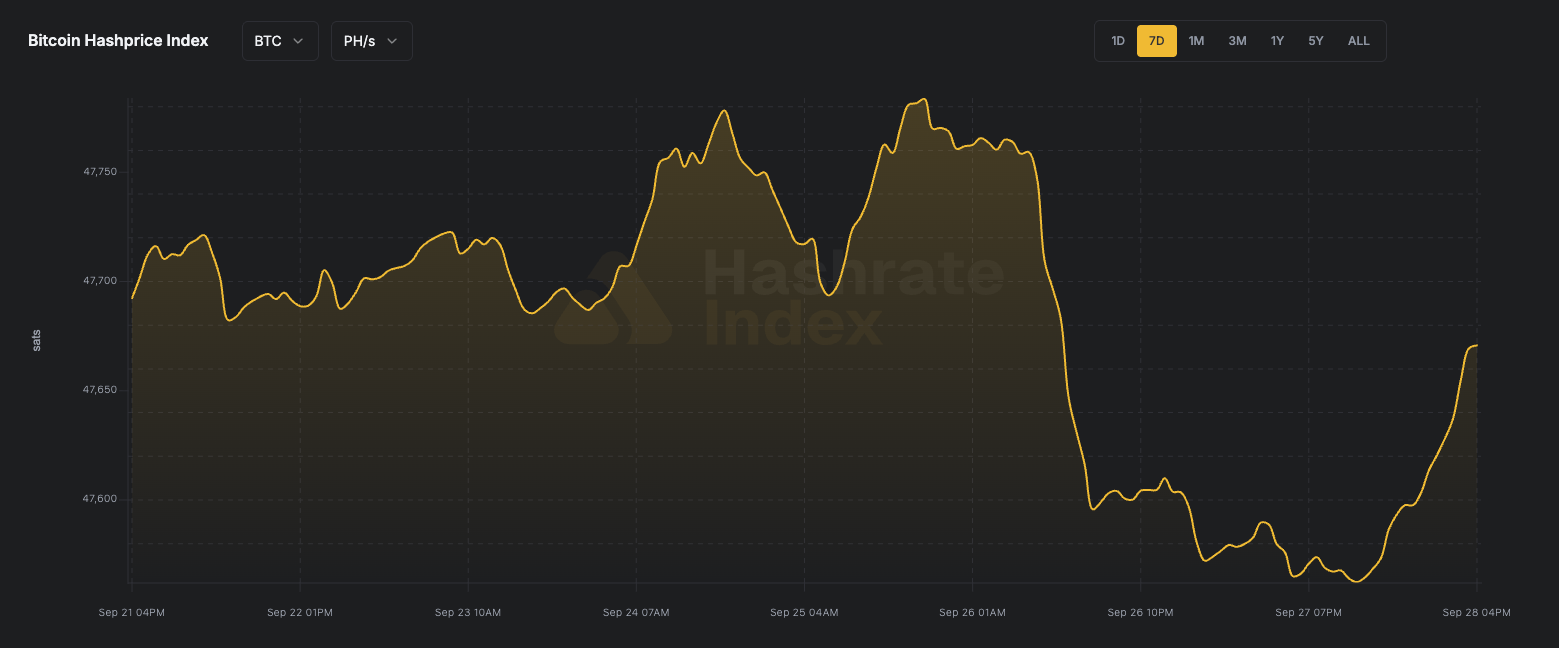
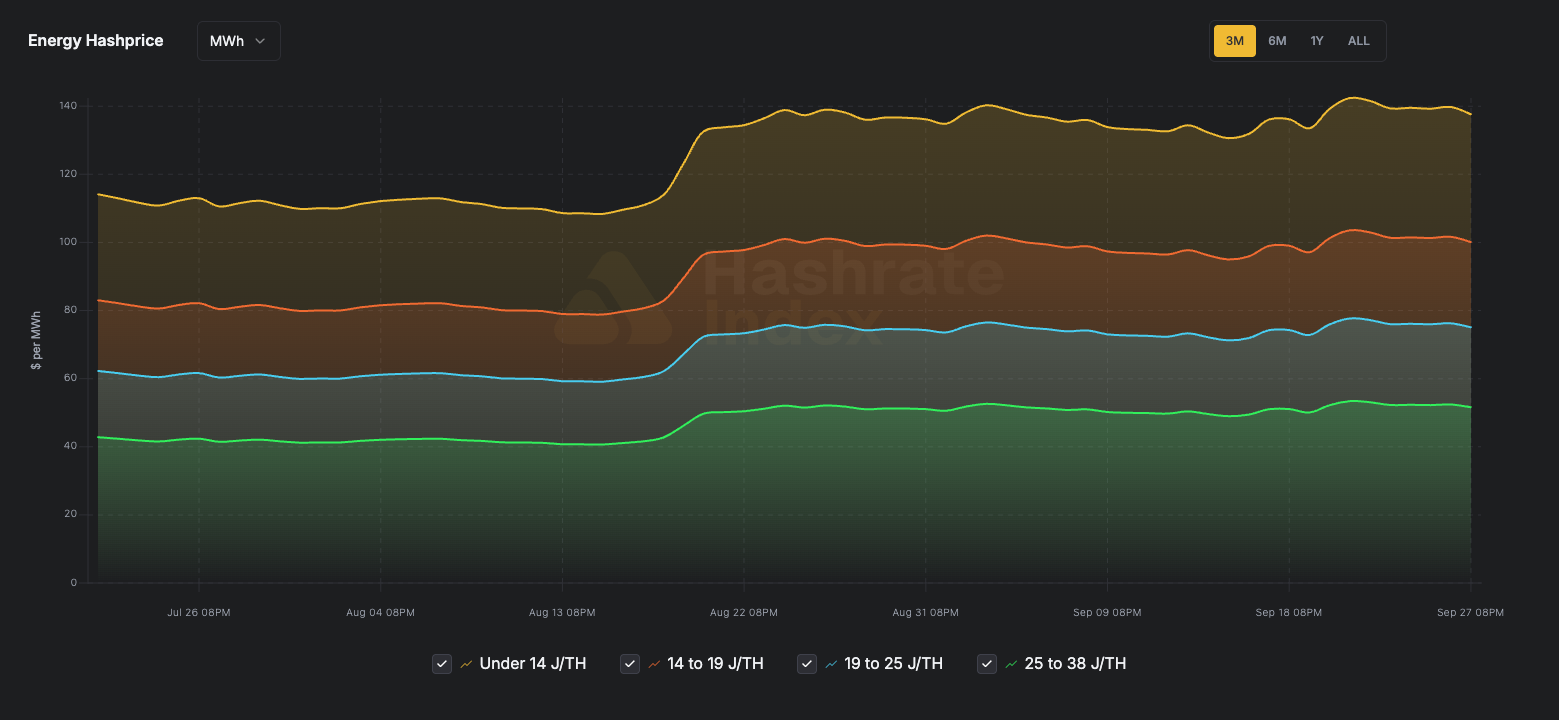
While the hashrate has recovered aggressively, it has done so faster than the price of Bitcoin itself. As of October 29, 2026, Bitcoin was trading at approximately $80,150, which is roughly 36% below its all-time high. Because the hashrate has surged while the price has not yet fully recovered, the hashprice has faced renewed downward pressure, settling at roughly $34 per PH/s/day. This dynamic underscores a fundamental shift in the mining sector: the current hashrate is supported by a more efficient, modern fleet of ASICs compared to the hardware that dominated the market a year ago.
Seasonal Power Trends and the ERCOT Influence
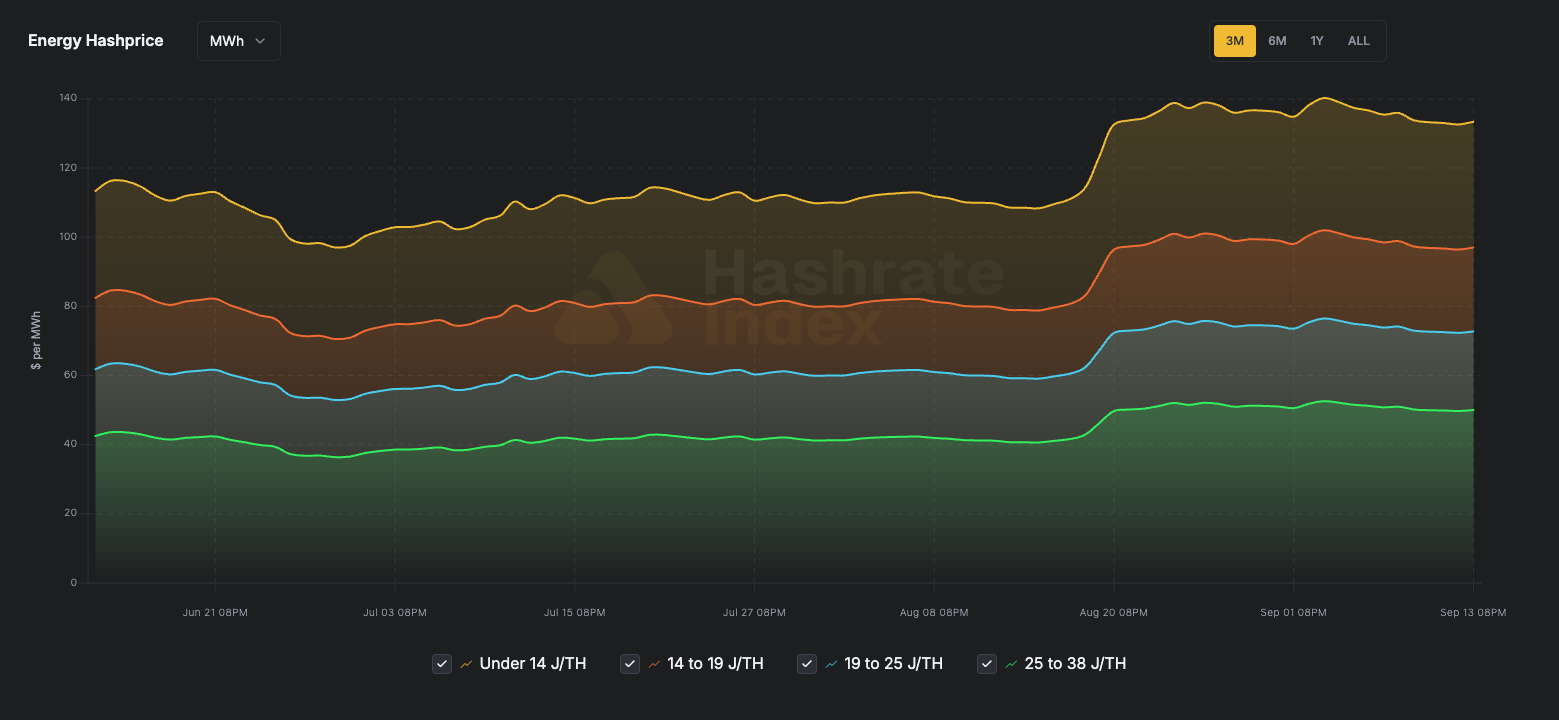
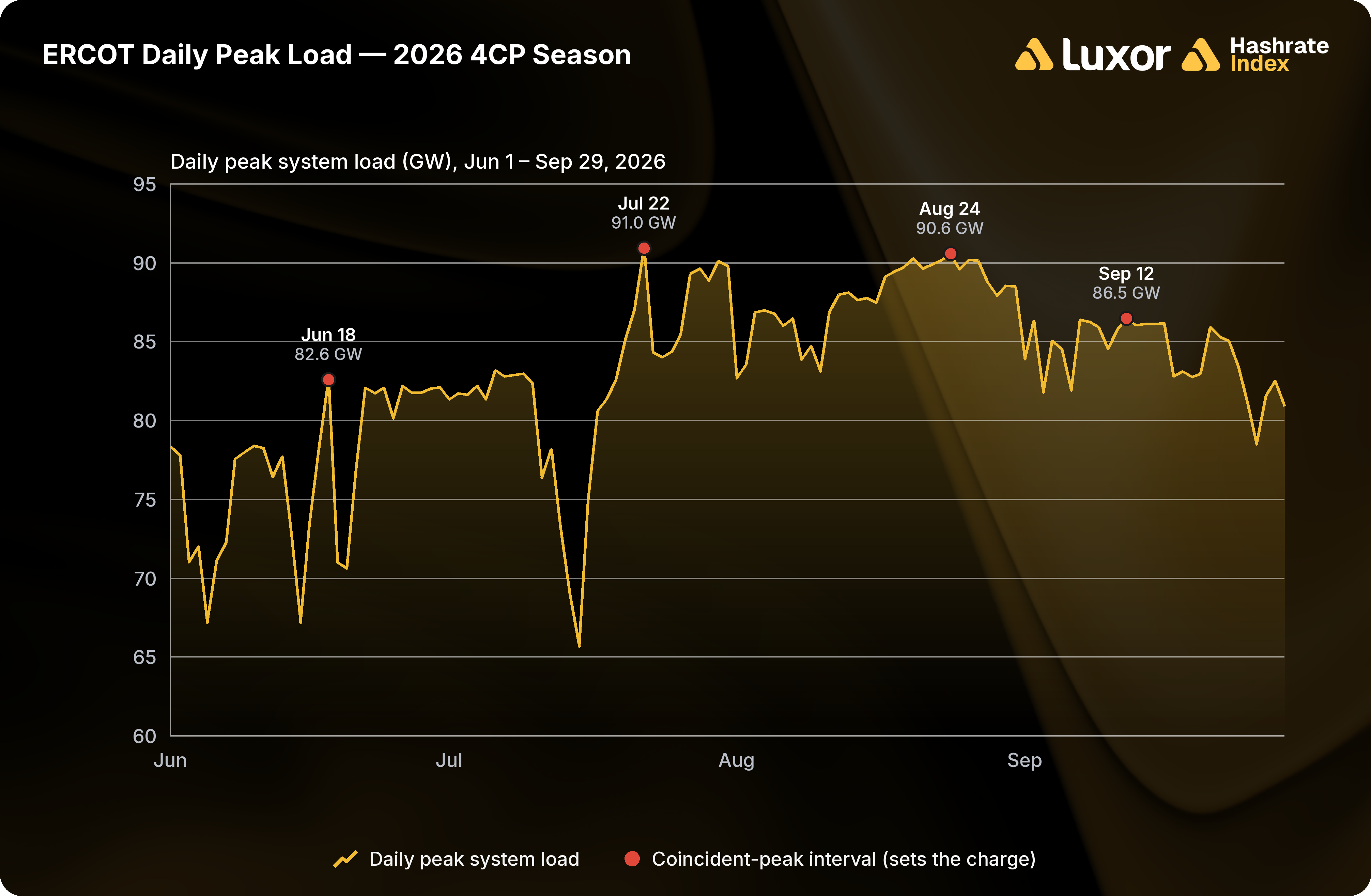
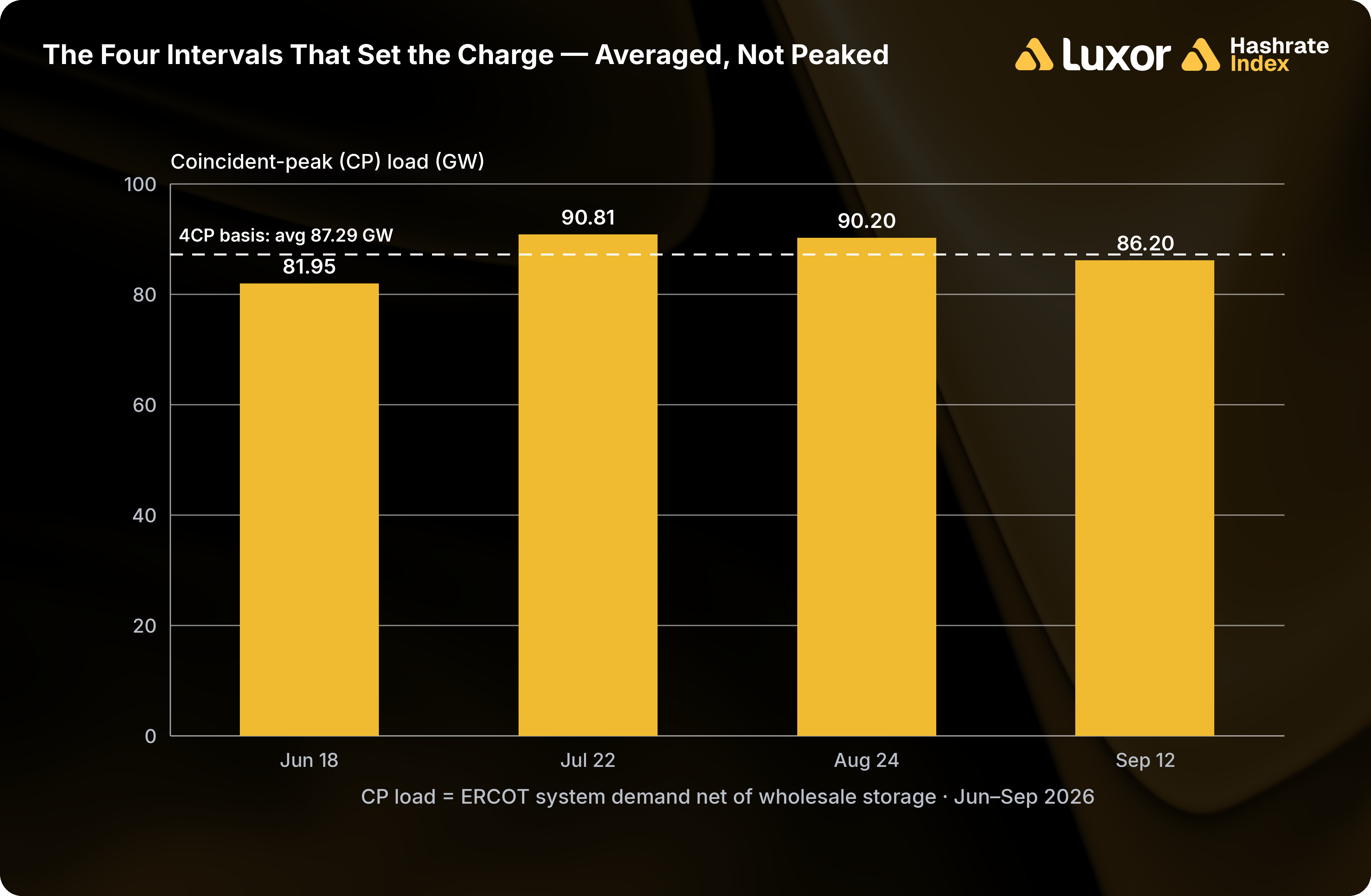
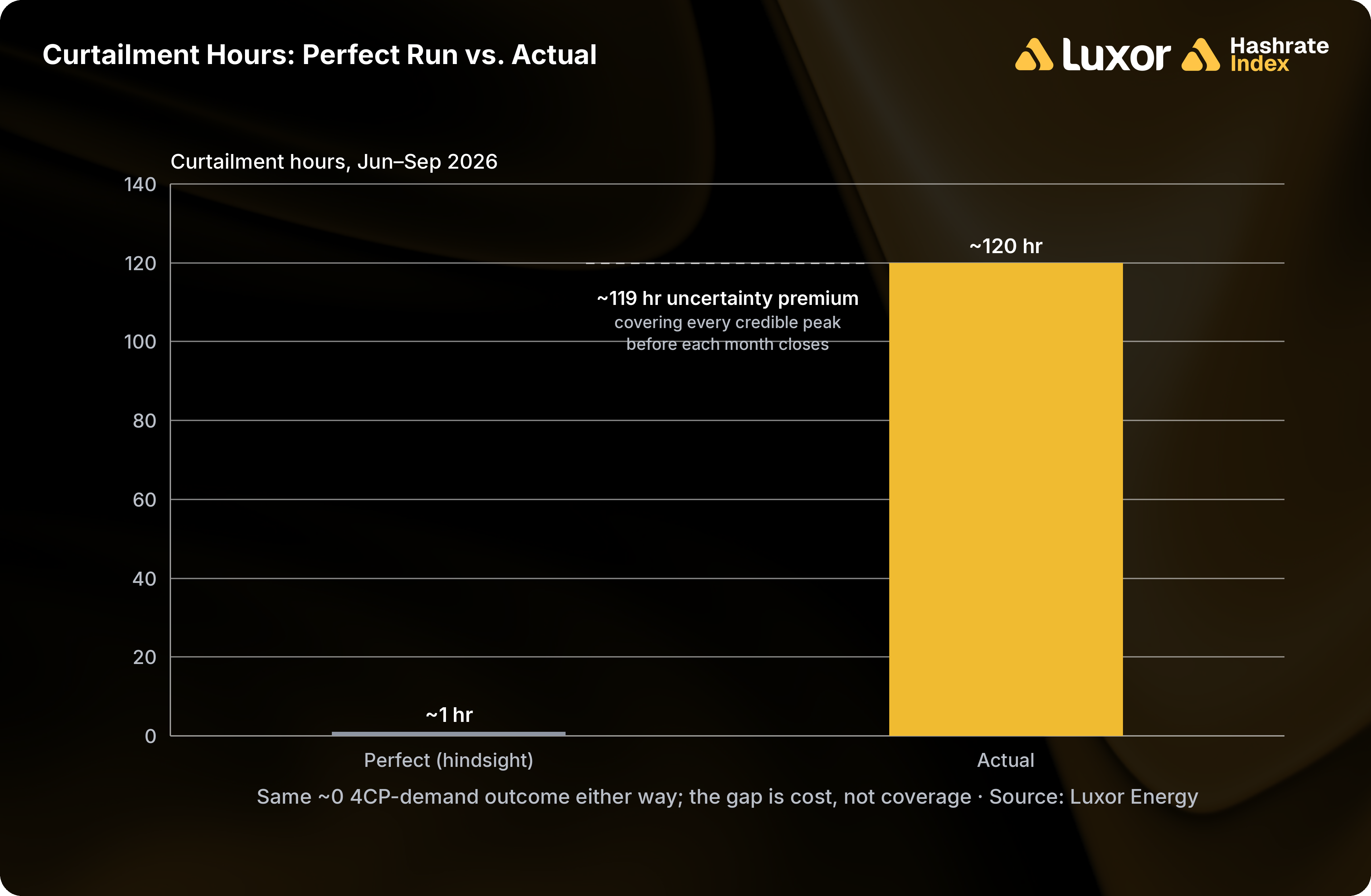
The volatility in difficulty adjustments during 2026 was heavily influenced by the seasonal power demand in Texas. ERCOT, the grid operator for most of Texas, saw four "coincident peaks" throughout the summer months of 2026: June 18 (82.0 GW), July 22 (90.8 GW), August 24 (90.2 GW), and September 12 (86.2 GW). During these periods, large-scale mining operations frequently curtailed their power usage to maintain grid stability and avoid high demand-response charges.
The correlation between these power peaks and difficulty adjustments is clear. Between June 14 and September 19, 2026, the network experienced eight consecutive difficulty adjustments that averaged -0.44%. The most notable of these occurred on June 14, which saw a -10.09% drop—the eighth-largest decrease in the modern ASIC era. As these summer power constraints eased, the return of curtailed load to the network contributed to the rapid increase in hashrate.
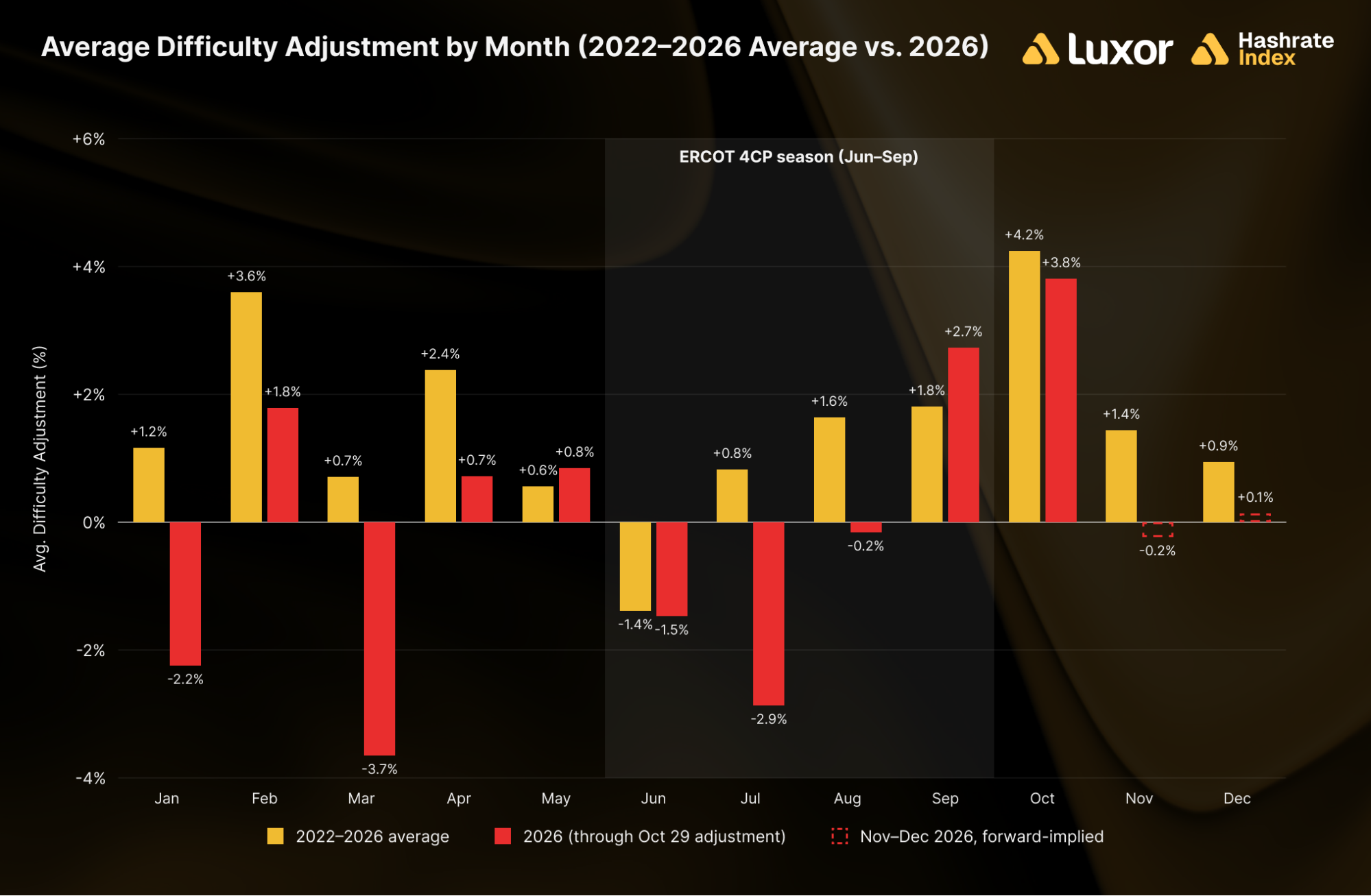
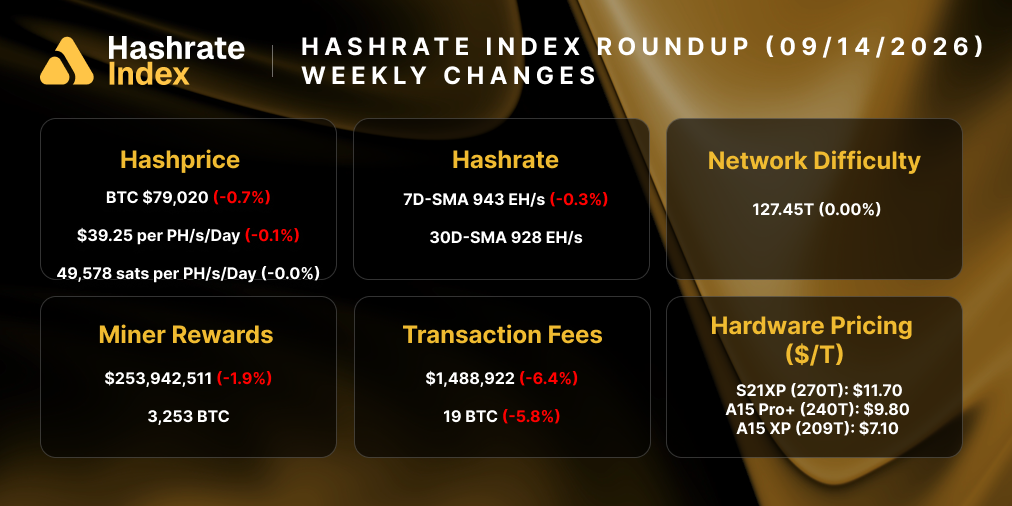
Historical data from 2022 through 2026 confirms this pattern. June through September typically sees the lowest average difficulty adjustments, while October historically marks the strongest month for growth as miners return to full capacity. This year has followed that trajectory almost perfectly: since the final September peak, the network has seen a cumulative 16.4% increase in difficulty, rising from 127.45T to 148.36T.
Forward Market Implications and Strategic Hedging
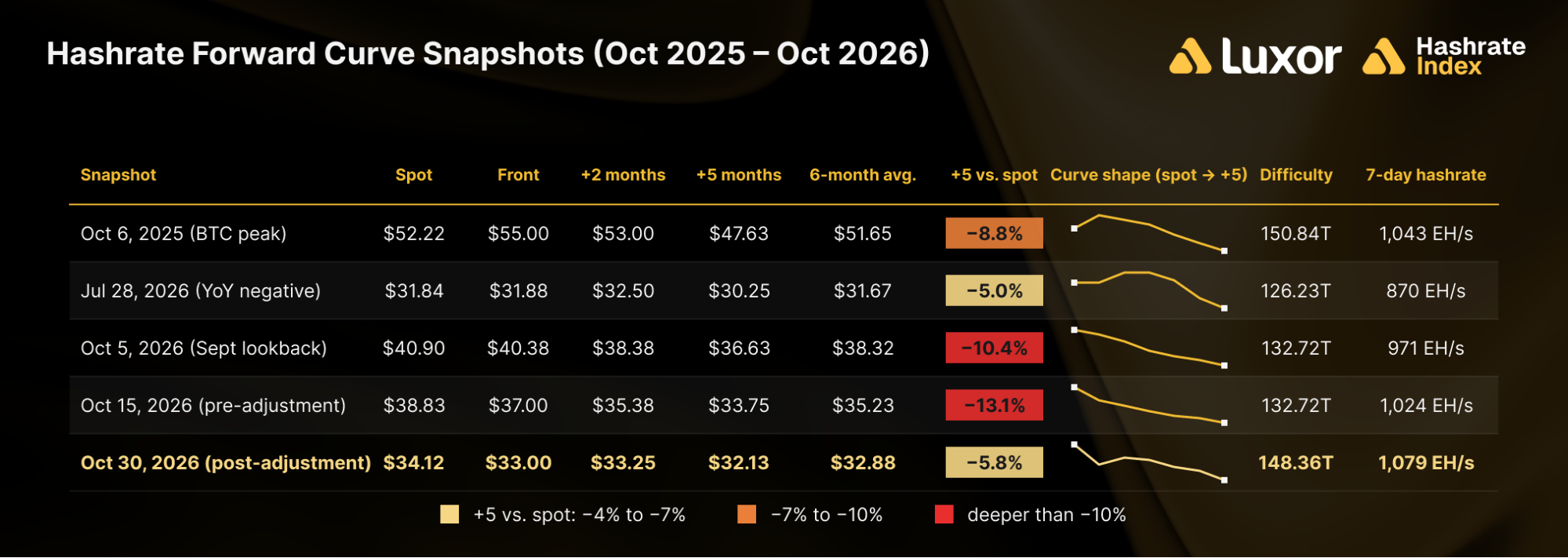
The behavior of the hashrate forward market provides additional context for these shifts. According to data from the Luxor Hashrate Forward Market, the market underwent a structural change in its expectations. In July 2026, the forward curve was essentially flat, indicating that participants expected little to no growth in network difficulty. By early October, however, the curve had steepened into backwardation, with the market pricing in a continued rise in network difficulty.
This pricing strategy shifted again after the mid-October adjustments. As the network crossed the 1 ZH/s threshold, the forward market began to reflect a more cautious outlook for the end of the year. The current consensus suggests that the rapid growth seen in October will pause through November and December, with only modest growth implied for early 2027. This flattening of the curve suggests that market participants now believe the current hashrate equilibrium is sustainable given the present price of Bitcoin and the existing efficiency of the mining fleet.
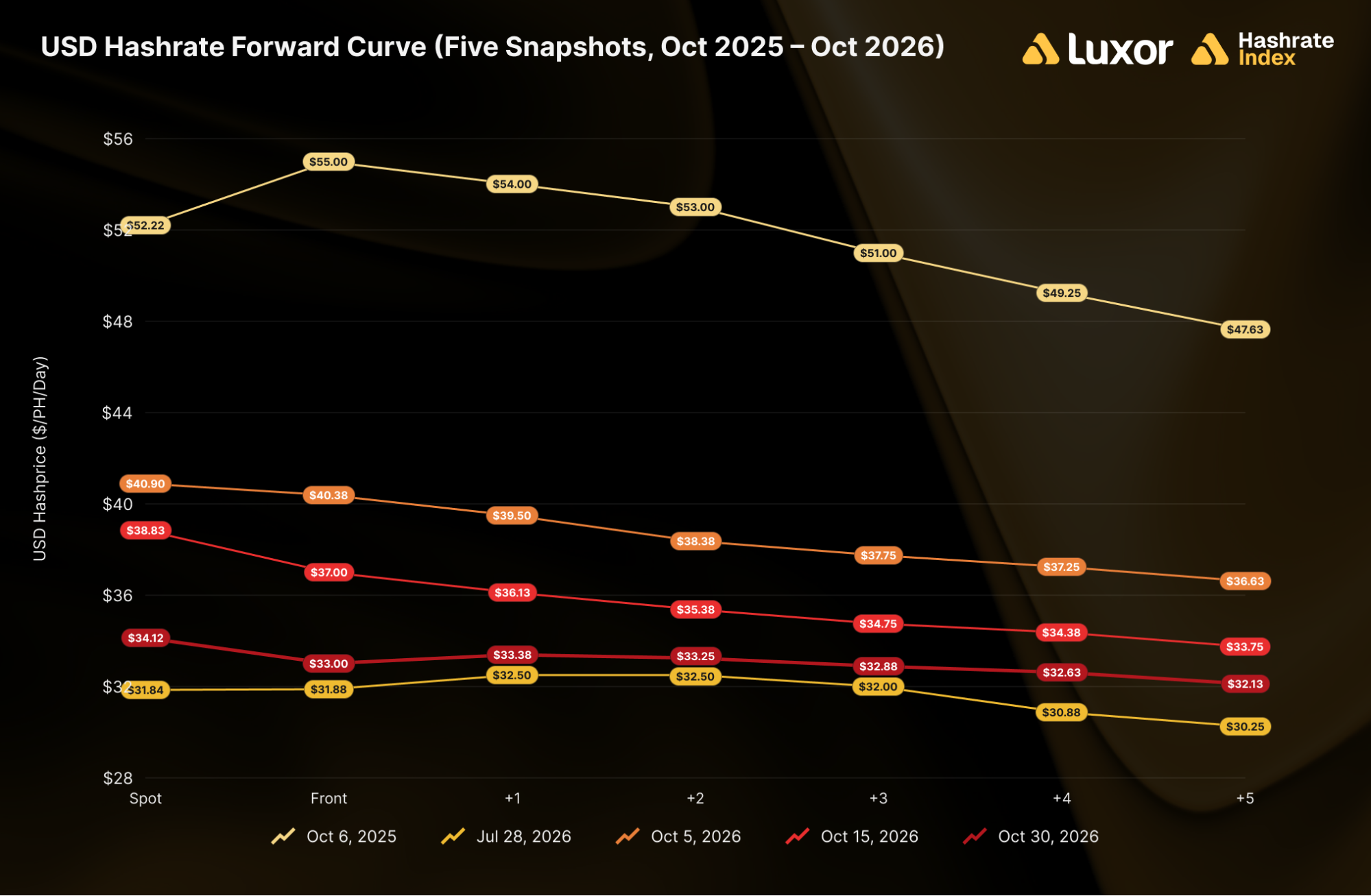
For miners, this environment creates a complex decision-making framework. The fact that the network reached 1 ZH/s while Bitcoin is still significantly below its all-time high is a testament to the increased efficiency of modern mining rigs. Miners who have invested in next-generation hardware are better positioned to weather the current hashprice environment.
Hedging strategies have become increasingly vital in this climate. By selling hashrate forward, miners can lock in revenue, providing a buffer against the volatility of both Bitcoin price and network difficulty. The current market structure—where the forward curve suggests a pause in growth—presents a unique opportunity for miners to secure pricing that protects against the possibility of growth resuming sooner than expected.

Looking ahead, the industry remains focused on the interplay between energy costs and hardware efficiency. The rapid recovery to 1 ZH/s confirms that the fundamental infrastructure of the Bitcoin network remains resilient. Even as the market faces the challenges of lower hashprice levels, the transition to more advanced, efficient hardware ensures that the network will continue to secure itself against the backdrop of changing global energy demands and macroeconomic conditions. As 2026 draws to a close, the focus shifts toward how these efficiencies will hold up if Bitcoin’s price volatility persists, and whether the anticipated stability in difficulty through the winter will provide the necessary relief for miners to stabilize their long-term operational costs.