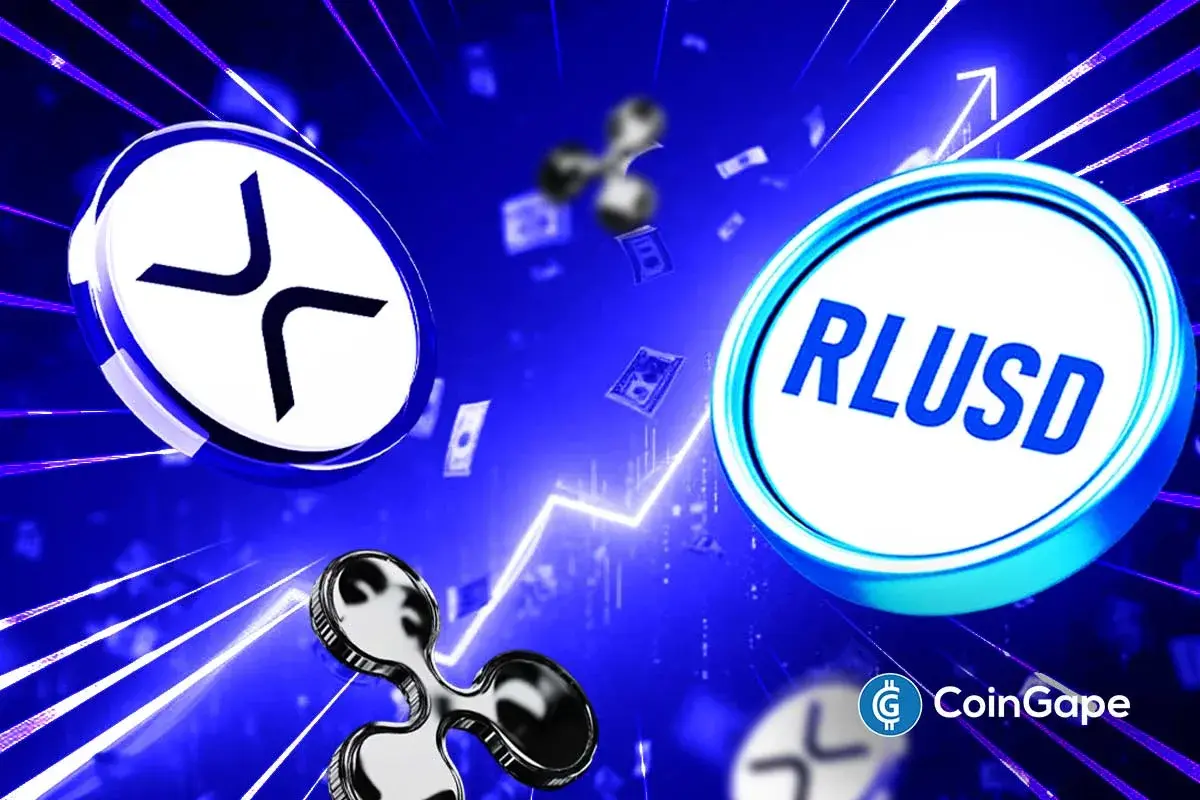
In a significant advancement for the intersection of artificial intelligence and decentralized finance, Ripple has officially expanded the capabilities of its XRPL AI Starter Kit. The integration now provides native support for the Machine Payments Protocol (MPP) developed by Stripe and Tempo, effectively enabling autonomous AI agents to conduct financial transactions using XRP and Ripple’s USD-pegged stablecoin, RLUSD. This development marks a shift in how machines interact with global payment rails, moving beyond manual oversight to autonomous, real-time settlement for data, computing, and digital service procurement.
The Evolution of Machine-to-Machine Payments
The rise of the "Agentic Economy"—a digital ecosystem where AI agents perform complex tasks on behalf of users—has created a fundamental need for a reliable, high-speed, and low-cost payment layer. Historically, AI agents have been limited by the friction of traditional banking systems, which are ill-equipped to handle the micro-transactional nature of machine-to-machine (M2M) commerce.
Ripple’s latest integration addresses these limitations by leveraging the efficiency of the XRP Ledger (XRPL). By utilizing the XRPL AI Starter Kit, developers can now embed payment logic directly into agentic applications. These agents can autonomously trigger payments for cloud computing resources, API access, or proprietary data sets, with settlement occurring in a single transaction on the ledger. This move follows Ripple’s earlier collaboration with Coinbase to support the x402 payment protocol, signaling a concerted effort by the firm to become the primary infrastructure provider for the emerging machine economy.
Chronology of Ripple’s AI Payment Infrastructure
The path to this integration has been characterized by a series of strategic technical milestones and collaborative efforts:
- Initial Development: Ripple launched the XRPL AI Starter Kit to lower the barrier to entry for developers looking to build on the XRP Ledger. The kit was designed to provide boilerplate code and documentation for integrating crypto payments into AI workflows.
- Protocol Expansion: Following the success of the initial starter kit, Ripple began exploring cross-platform compatibility, leading to the integration of the x402 protocol—a standard specifically designed for authenticating and paying for web services.
- The 3.3.0 Upgrade: The XRP Ledger 3.3.0 upgrade introduced "Permission Delegation," a critical feature that allows institutional and individual users to delegate specific transaction-type permissions to other accounts. This enables an AI agent to execute payments on a user’s behalf without requiring access to the master private key, significantly enhancing the security architecture of automated payments.
- Current Integration: The September 2026 expansion to include Stripe and Tempo’s Machine Payments Protocol represents the latest phase, allowing for a standardized, multi-rail approach to machine payments.
The Role of Stablecoins and Native Assets
The decision to include both XRP and RLUSD (Ripple’s stablecoin) is central to the project’s utility. While XRP serves as the native asset for the ledger, providing liquidity and high-speed settlement, RLUSD offers a stable valuation, which is often preferred for enterprise-grade automated contracts where price volatility might otherwise disrupt the logic of a programmed payment.
Jesse Cooper, Head of Product at RippleX, emphasized the strategic importance of this development, stating that the objective is to make XRP and RLUSD "first-class options" wherever developers are building. By ensuring that these assets function across multiple rails, Ripple aims to prevent the fragmentation of the digital payment landscape, positioning its ecosystem as the backbone for the next generation of automated commerce.
Broader Industry Context and the x402 Foundation
Ripple is not acting in isolation. The company is a premier member of the x402 Foundation, an industry-led initiative aimed at creating open standards for machine-to-machine payments. The Foundation includes a roster of financial and technological titans, including Coinbase, Circle, AWS, Google, Mastercard, Stripe, and Visa.

The involvement of such a broad coalition suggests that the industry is moving toward a consensus on how machines should interact with the legacy financial system. Specifically, Ripple’s role as a launch partner for "Mastercard Agent Pay for Machines" highlights the convergence between traditional payment processors and blockchain-native settlement layers. This convergence is expected to reduce the complexity of multi-platform payment logic, allowing businesses to integrate AI-driven workflows into their existing financial infrastructures with minimal friction.
Market Implications and Derivative Analysis
Following the announcement, market participants reacted to the news with a moderate increase in activity. XRP experienced a 1% price appreciation in the immediate 24-hour window, trading near the $2.65 level. While the broader market has faced headwinds following a 25 basis point Federal Reserve rate hike—which traditionally dampens interest in high-beta assets—the technical developments surrounding the XRPL have provided a counter-narrative for traders.
Data from CoinGlass reveals that XRP futures open interest (OI) saw a modest jump of 0.70%, reaching $2.76 billion. This uptick, particularly on exchanges like Binance, indicates that institutional and professional traders are monitoring the technical utility of the asset as a catalyst for future demand. Analysts note that while the trading volume saw a temporary decline of 40%, this is often characteristic of a market awaiting further regulatory clarity.
The potential for a trend reversal remains a focal point for market forecasters. With the failure of the CLARITY Act, there is an ongoing push for a more comprehensive regulatory framework. Should regulatory clarity materialize, the underlying utility provided by integrations with firms like Stripe and Mastercard could serve as a fundamental driver for long-term growth, supporting price targets that look toward previous resistance levels.

The Future of Autonomous Economic Infrastructure
The integration of XRP and RLUSD into the Machine Payments Protocol signifies that the "agentic economy" is no longer a theoretical construct but a burgeoning industrial sector. As corporations seek to manage complex, multi-platform payment logic, the selection of a robust stablecoin orchestration platform becomes a competitive necessity.
The technical implications of these developments are profound. By allowing AI agents to hold, manage, and deploy capital, Ripple is effectively enabling a form of "autonomous treasury management." An AI agent tasked with optimizing a supply chain or managing cloud computing resources can now negotiate, execute, and settle payments in real-time. This eliminates the need for manual invoice processing, reduces settlement times from days to seconds, and minimizes the counterparty risk inherent in traditional B2B transactions.
Conclusion
Ripple’s integration with Stripe and Tempo, supported by the advanced features of the XRPL 3.3.0 upgrade, represents a maturation of blockchain technology as a functional tool for the AI era. By bridging the gap between decentralized ledgers and established global payment rails, Ripple is providing the plumbing for a future where autonomous agents perform the bulk of global economic transactions.
While the market continues to grapple with macroeconomic factors and the search for regulatory certainty, the steady expansion of the XRPL ecosystem suggests that the fundamental value proposition of XRP—as a fast, scalable, and secure medium of exchange—is gaining traction among the largest names in fintech. As the ecosystem continues to evolve, the ability to facilitate seamless, machine-led transactions will likely be a defining feature of the next decade of digital finance.