The landscape of global financial technology is experiencing a profound paradigm shift, and Japan is positioning itself at the vanguard of this digital transformation. As digital assets, stablecoins, and artificial intelligence converge, Japanese policymakers, industry leaders, and international financial institutions are actively overhauling regulatory frameworks to foster innovation while maintaining robust investor protection. This comprehensive report examines the multifaceted developments surrounding Japan’s strategic integration of Web3 technologies, stablecoin adoption, and the institutionalization of decentralized finance (DeFi) through the lens of recent legislative actions and industry milestones.
Background and Context: Japan’s Web3 Renaissance
In recent years, Japan has transitioned from a position of cautious observation to one of proactive regulatory modernization. Driven by a government keen on revitalizing its digital economy—popularly framed under the "New Capitalism" initiative—the nation has systematically dismantled regulatory bottlenecks that previously hindered cryptocurrency and blockchain startups.
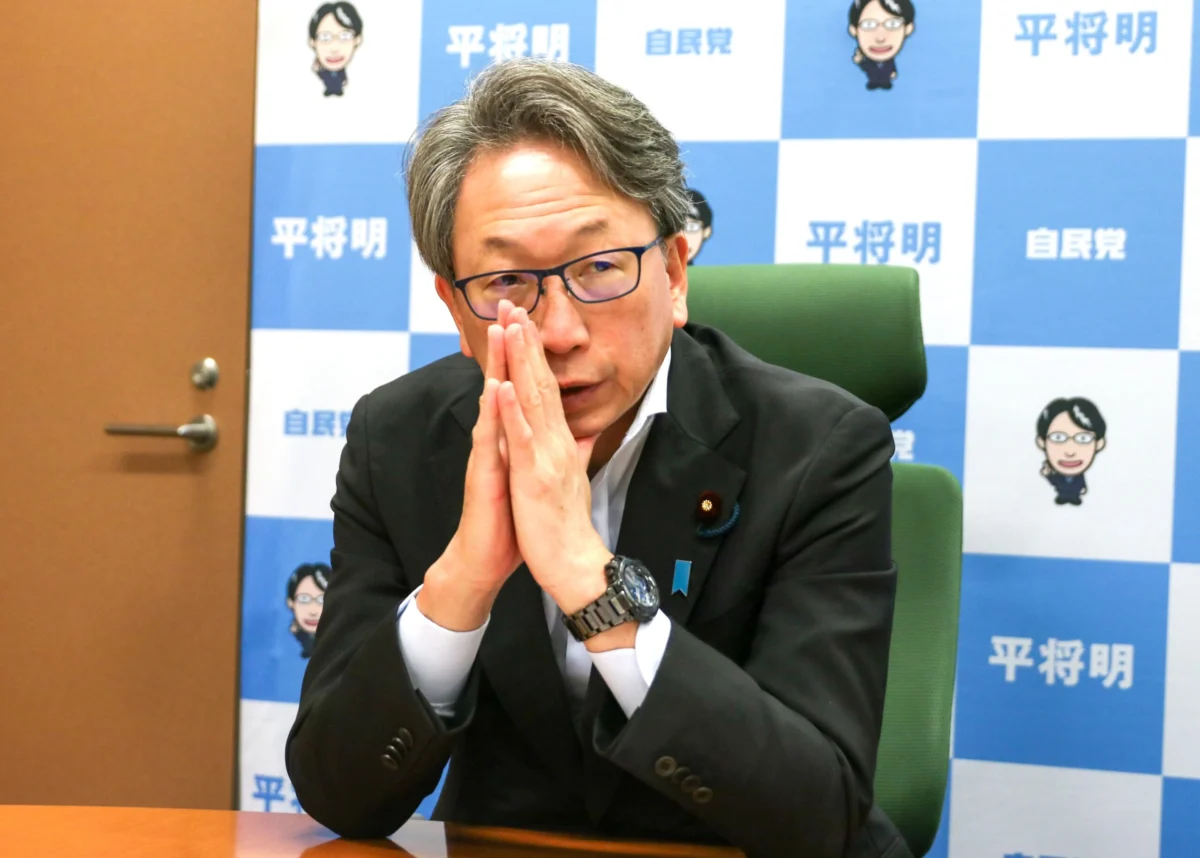
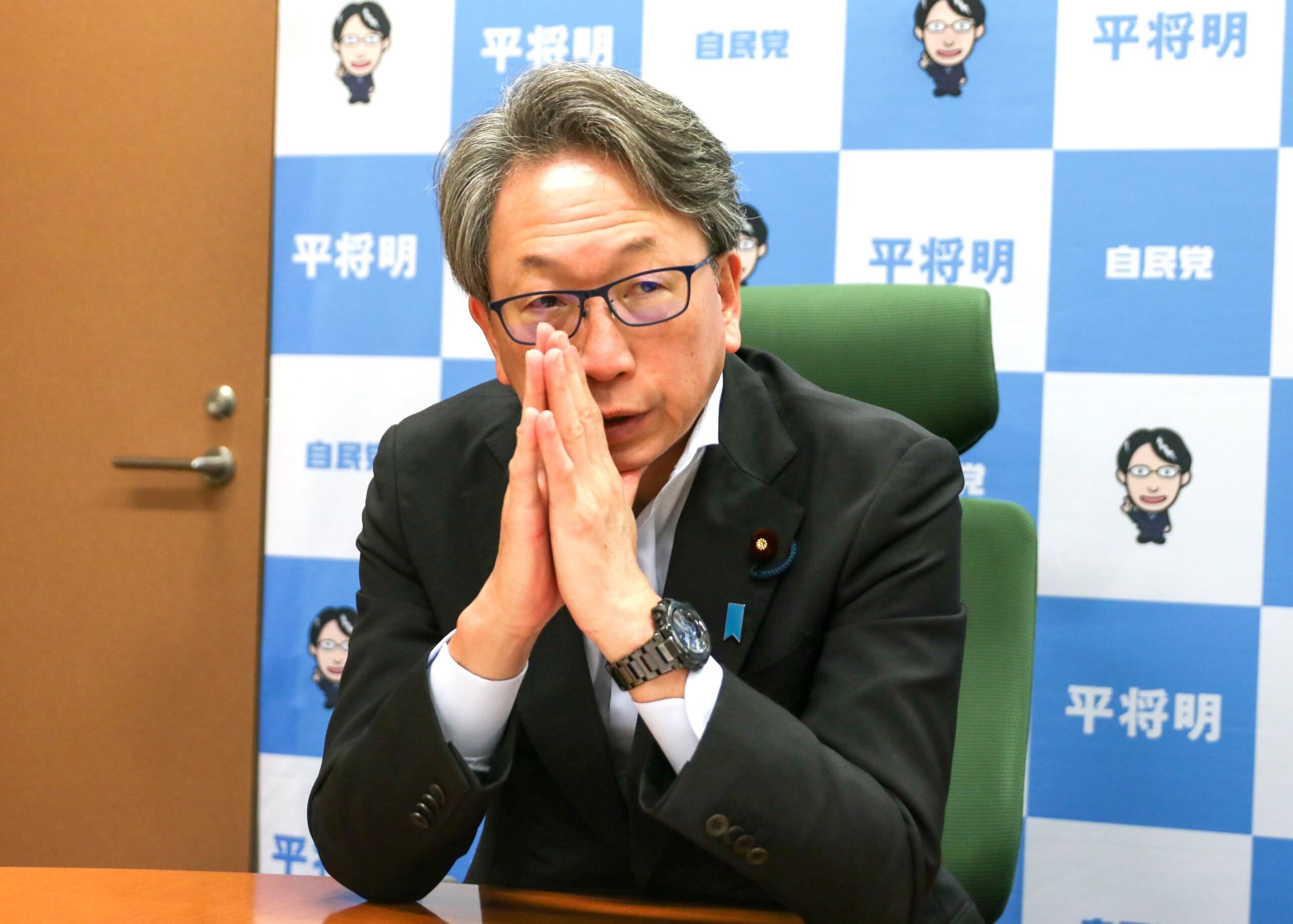
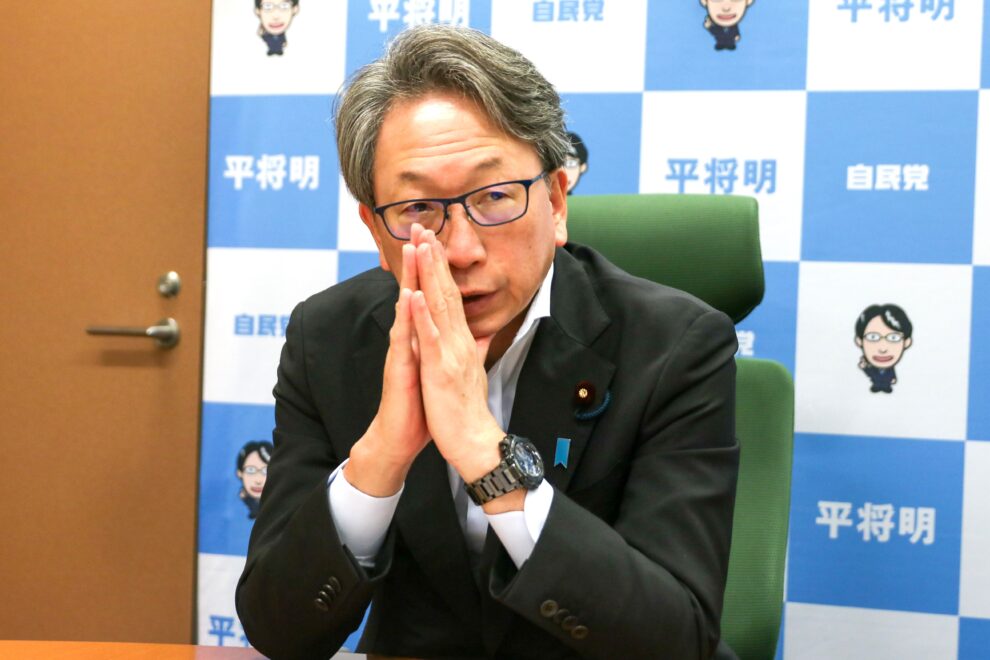
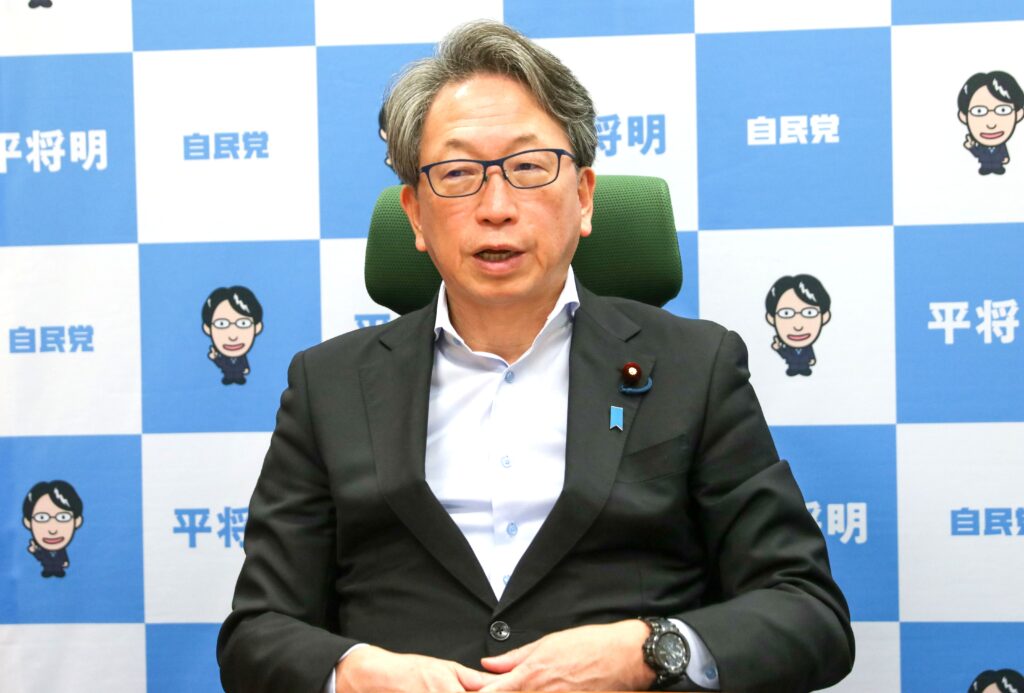
The catalyst for this renewed momentum includes targeted interventions by key political figures, notably House of Representatives member Masaaki Taira, who has emerged as a vocal advocate for Web3 and AI integration. Through parliamentary committees and policy task forces, Japanese lawmakers have collaborated closely with industry associations, such as the Japan Business Association (JBA) and various blockchain advocacy groups, to draft legislation that provides legal clarity for digital asset issuers, stablecoin operators, and decentralized autonomous organizations (DAOs).
Chronology of Regulatory Evolution
To understand the current state of Japan’s digital asset market, it is essential to trace the chronology of regulatory milestones that have shaped the environment over the past several years:
- Initial Tightening (2018–2019): Following high-profile exchange hacks and security breaches, Japan’s Financial Services Agency (FSA) implemented stringent licensing and operational requirements for cryptocurrency exchanges, prioritizing consumer protection above all else.
- The Stablecoin Act (June 2023): Japan enacted pioneering legislation legalizing the issuance of stablecoins by licensed intermediaries, including banks, trust companies, and transfer agents, establishing a secure legal framework for digital cash equivalents.
- Tax Reform Proposals (2023–2024): Recognizing that corporate taxation on unrealized cryptocurrency gains stifled domestic innovation, policymakers initiated phased reforms to exempt domestic corporations from year-end taxation on tokens issued by third parties.
- The AI and Web3 Task Force (2025–2026): Lawmakers established cross-party committees specifically tasked with evaluating the intersection of artificial intelligence and on-chain finance, leading to comprehensive policy recommendations published in mid-2026.
Institutional Adoption and Global Collaborations
The maturation of Japan’s digital asset ecosystem is further evidenced by the active participation of global financial heavyweights. Major institutional players—including stablecoin issuer Circle, asset management giant BlackRock, and financial services titan JPMorgan—have engaged in continuous dialogue with Japanese regulators, the FSA, and the Commodity Futures Trading Commission (CFTC) equivalents to establish interoperable standards.
Recent months have seen notable initiatives involving tokenized money market funds (MMFs) and blockchain-based settlement rails. By bridging traditional finance (TradFi) with decentralized infrastructure, Japanese financial institutions are exploring how smart contracts can automate compliance, reduce settlement times, and enhance liquidity across cross-border transactions.
Furthermore, predictive markets and on-chain analytics platforms—such as Chainalysis, Kalshi, and Polymarket—have gained traction in policy discussions, providing empirical data to help regulators assess risk without stifling growth.
Regulatory Perspectives and the Role of Key Figures
The discourse surrounding digital asset regulation in Japan is characterized by a balance between open innovation and systemic risk mitigation. Prominent figures within the Liberal Democratic Party (LDP), alongside regulatory commissioners such as Hester M. Peirce of the U.S. SEC (whose insights frequently inform international comparative studies), emphasize the necessity of clear, predictable regulatory perimeters.
During recent policy briefings, Japanese industry leaders underscored that excessive regulatory fragmentation forces domestic startups to seek jurisdictions with friendlier frameworks. Consequently, Japanese legislators have prioritized harmonization with international standards, particularly concerning anti-money laundering (AML) and counter-terrorist financing (CTF) protocols.
The Intersection of Artificial Intelligence and On-Chain Finance
One of the most compelling narratives in Japan’s current financial strategy is the convergence of AI and blockchain technology. As generative AI models and autonomous agents assume larger roles in financial advisory, automated trading, and portfolio management, the need for transparent, verifiable settlement layers has become paramount.
AI agents require programmable, frictionless payment rails to execute micro-transactions, license data, and settle smart contracts autonomously. Traditional banking infrastructure is ill-equipped to handle the velocity and granularity of machine-to-machine transactions. Stablecoins and public blockchains provide the ideal medium for these operations, offering instantaneous settlement and programmatic execution.
Japanese policymakers are actively evaluating how AI-driven market surveillance can be integrated into regulatory frameworks. By utilizing machine learning algorithms to monitor on-chain activity in real-time, regulators and compliance officers can detect market manipulation, insider trading, and illicit flows far more efficiently than traditional retrospective auditing methods.
Comparative Analysis: Japan vs. Global Jurisdictions
While the European Union advances its Markets in Crypto-Assets (MiCA) regulation and explores the implementation of a retail Central Bank Digital Currency (CBDC), and the United States navigates a complex legislative path characterized by jurisdictional turf wars between the SEC and CFTC, Japan has adopted a unified, pragmatic approach.
Japan’s regulatory clarity has made it an attractive destination for foreign Web3 enterprises seeking regulatory certainty. However, challenges remain. High corporate tax rates, complex accounting standards for digital assets, and lingering conservatism among traditional regional banks continue to create friction. Nonetheless, the deliberate and structured approach taken by Japanese authorities has insulated the market from systemic contagion while fostering sustainable growth.
Impact on Decentralized Finance (DeFi) and Real-World Assets (RWA)
The tokenization of Real-World Assets (RWAs)—ranging from real estate and corporate debt to government bonds—represents a cornerstone of Japan’s digital economy strategy. By bringing traditional financial instruments on-chain, Japanese institutions can unlock unprecedented liquidity and operational efficiency.
Industry experts project that the tokenization of Japanese government bonds (JGBs) and commercial paper will accelerate through the late 2020s, driven by amendments to the Financial Instruments and Exchange Act (FIEA). These regulatory adjustments enable financial institutions to issue, trade, and settle tokenized securities on permissioned and public blockchains alike.
DeFi protocols, once viewed with skepticism by mainstream financial institutions, are increasingly being evaluated for their underlying architecture. Concepts such as automated market makers (AMMs), liquidity pools, and programmable lending protocols are being studied for their potential to modernize institutional capital markets.
Conclusion and Future Outlook
Japan’s methodical yet ambitious approach to integrating Web3, stablecoins, and artificial intelligence into its broader economic framework serves as a global model for regulatory modernization. By bridging the gap between traditional banking and decentralized technologies, Japanese policymakers are laying the groundwork for a resilient, highly efficient financial ecosystem.
As the implementation of these strategic initiatives progresses through the remainder of 2026 and beyond, the international financial community will undoubtedly monitor Japan’s successes and challenges. With continued collaboration between legislators, industry pioneers, and global regulators, Japan is well-positioned to cement its status as a preeminent hub for the future of digital finance.